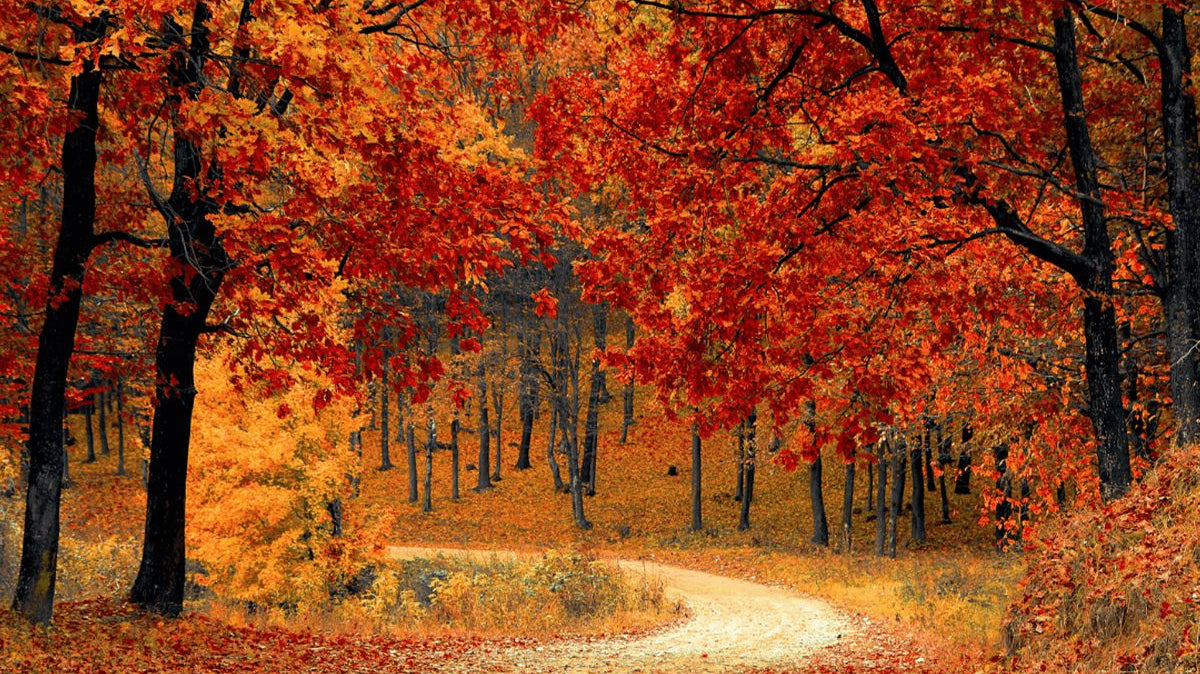
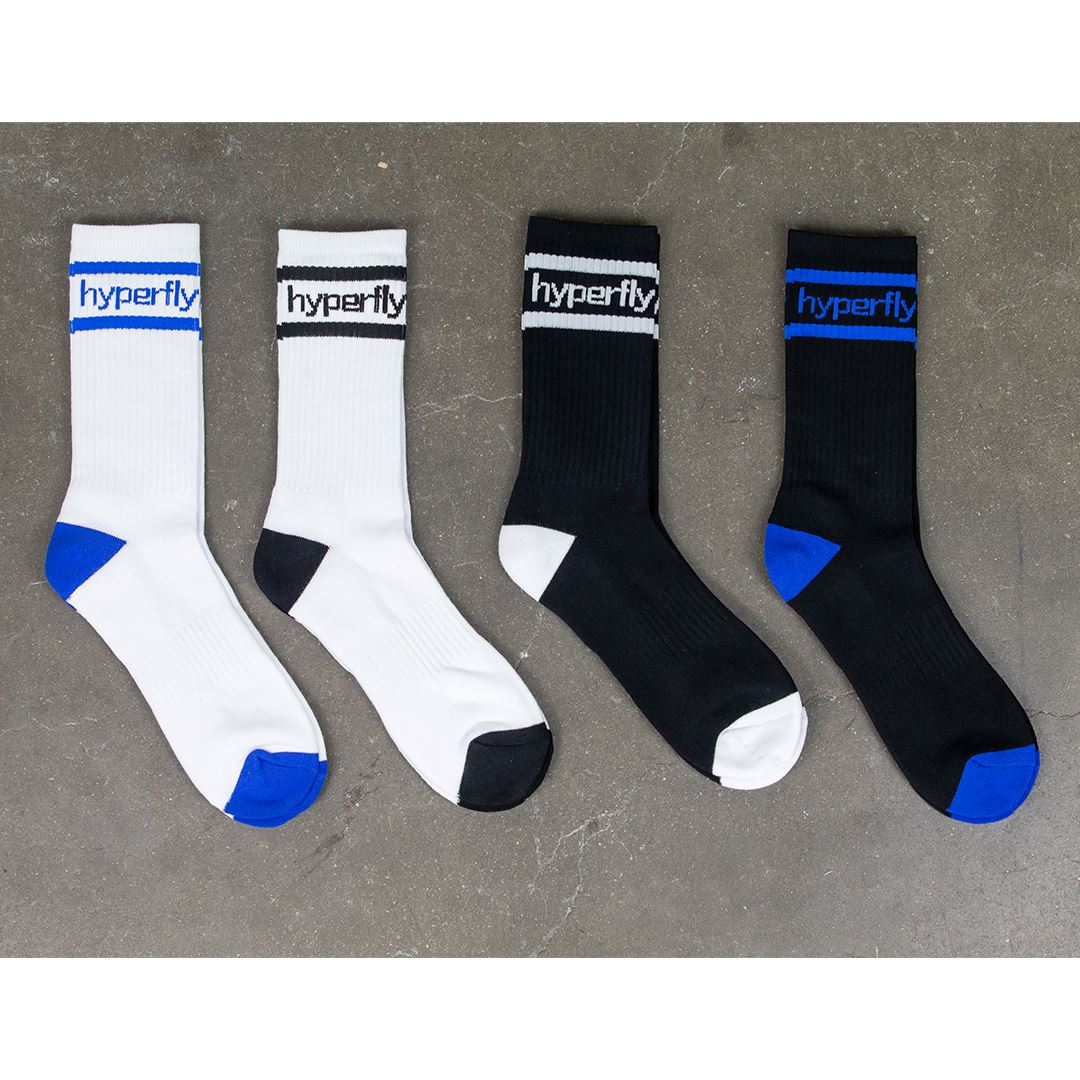
November doesn't just feel different and taste different. It looks different too. The greens of summer give way to gold, orange, crimson, and copper. We decorate our homes with warm colors, take photos of colorful trees, and find ourselves strangely fascinated by leaves that are technically dying. Our attraction to autumn colors isn't just about aesthetics. History, biology, and the way our brains process visual information all play a role in why November catches our eye.
Color Was Information Before It Was Decoration
Today, we think of color as a design choice and eagerly await the “color of the year”. (For inquiring minds, the 2026 COTY is Cloud Dancer. Pantone 11-4201, a soft, creamy, diaphanous off-white) For most of human history, color was survival information. Green signaled growth. Red and orange often signaled ripening fruits. Gold suggested harvest season was approaching. Brown indicated vegetation was dying back and winter wasn't far behind.
Before weather apps and calendars, the natural world communicated through color. Visual cues helped humans determine what to gather, what to eat, and how to prepare for the colder months ahead. In a sense, autumn colors were among humanity's earliest seasonal notifications.

Your Brain on Color
Color isn't just something we see. It's something our brains interpret. Once light enters the eye, the brain’s visual cortex begins processing color information. The brain attaches meaning to the color based on experience, memory, and context. Warm colors like red, orange, and gold naturally draw attention. They're highly visible and difficult for the brain to ignore. Color doesn't carry meaning on its own. Much of its significance comes from the experiences and memories we attach to it over time. As colors become linked to seasons, traditions, and personal moments, they can subtly influence attention, emotion, and how we interpret the world around us. Fall colors are different visually from the greens and blues that dominate much of the year, making them feel distinctive.
Why Fall Colors Feel Comforting
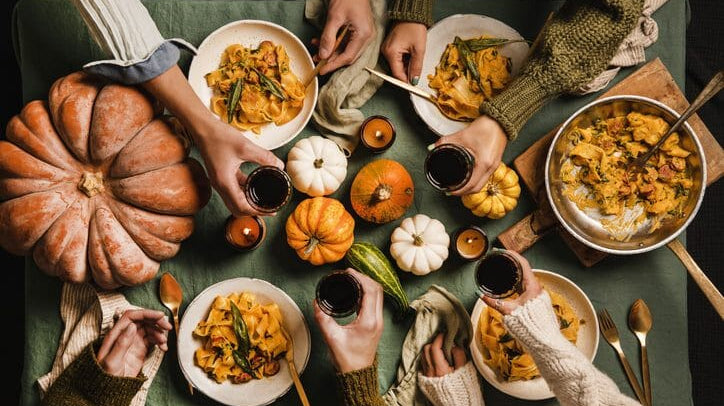
Color isn't just visual. It's emotional. Just as the smell of cinnamon can remind us of childhood holidays, the sight of golden leaves can trigger memories of previous autumns. A hillside covered in gold and crimson can feel comforting even if you can't quite explain why. Family gatherings, football games, Thanksgiving dinners, walks through crunchy leaves, favorite sweaters, and years of seasonal traditions all become linked to a familiar palette of colors. And the brain loves patterns! When those colors return each year, they bring the familiar memories attached to them along for the ride. Like the smells and flavors of the previous blog, autumn colors become a form of nostalgia – a visual one.

Seeing Red: The Fighter's Brain and Color
The influence of color doesn't stop at scenic landscapes. Researchers have spent years studying whether color can influence athletic performance and perception, particularly in combat sports. Early studies observed that athletes wearing red appeared to win slightly more often in sports like boxing, wrestling, and taekwondo. Some researchers proposed that red may influence confidence, aggression, or even how competitors are perceived by others.
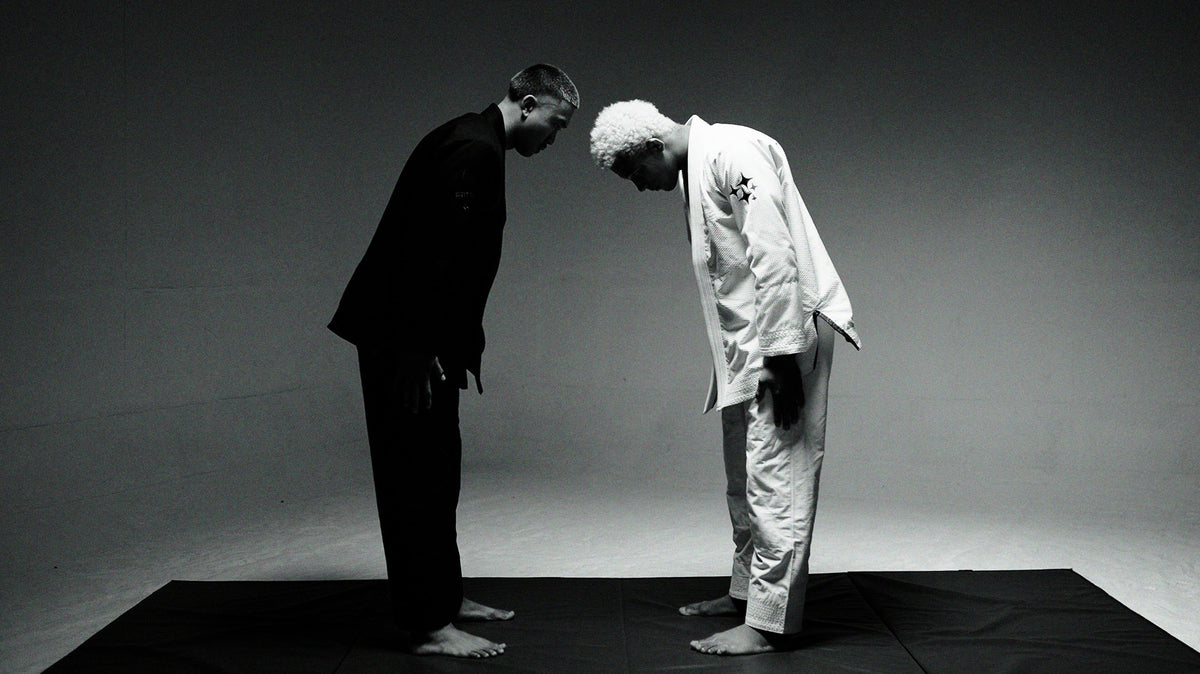
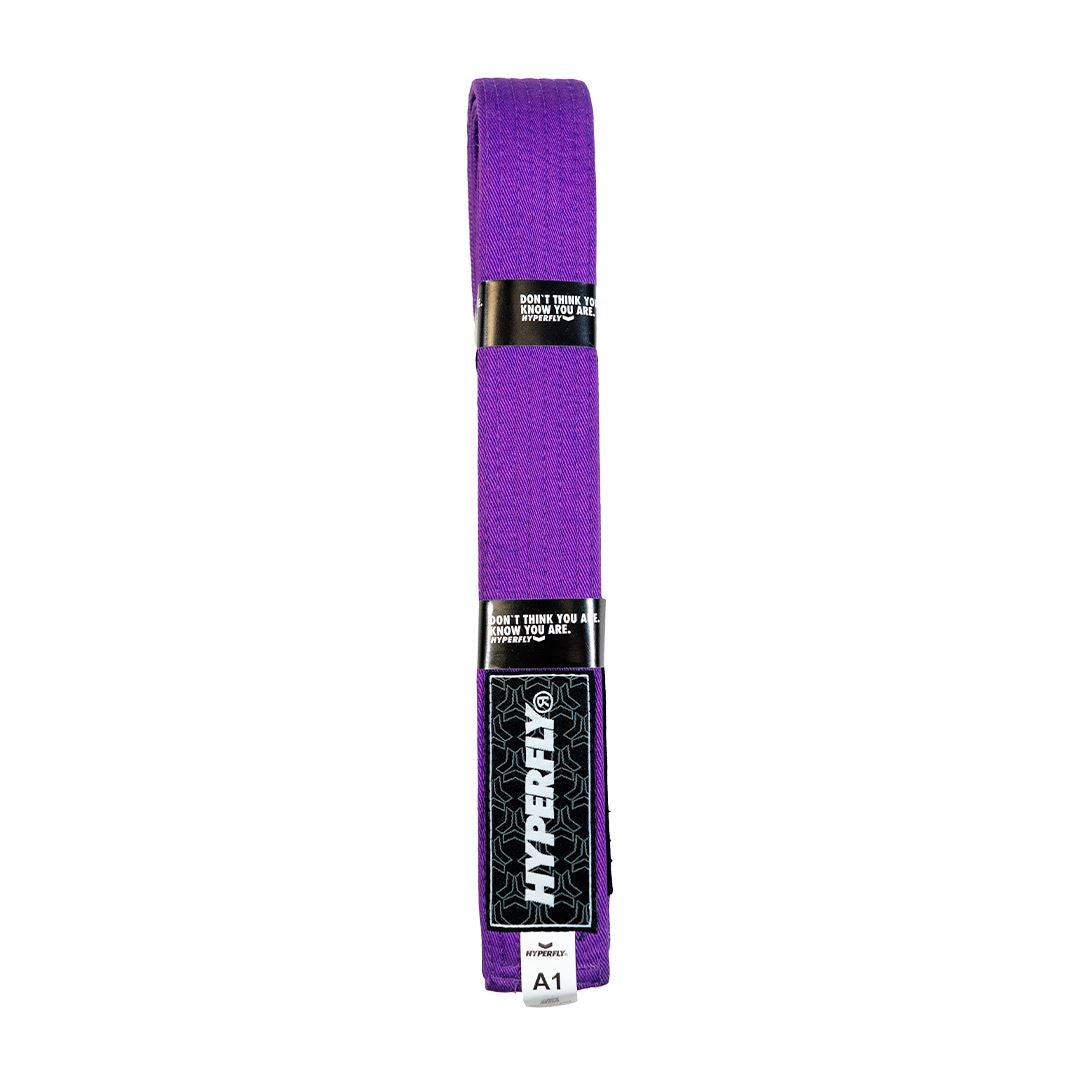
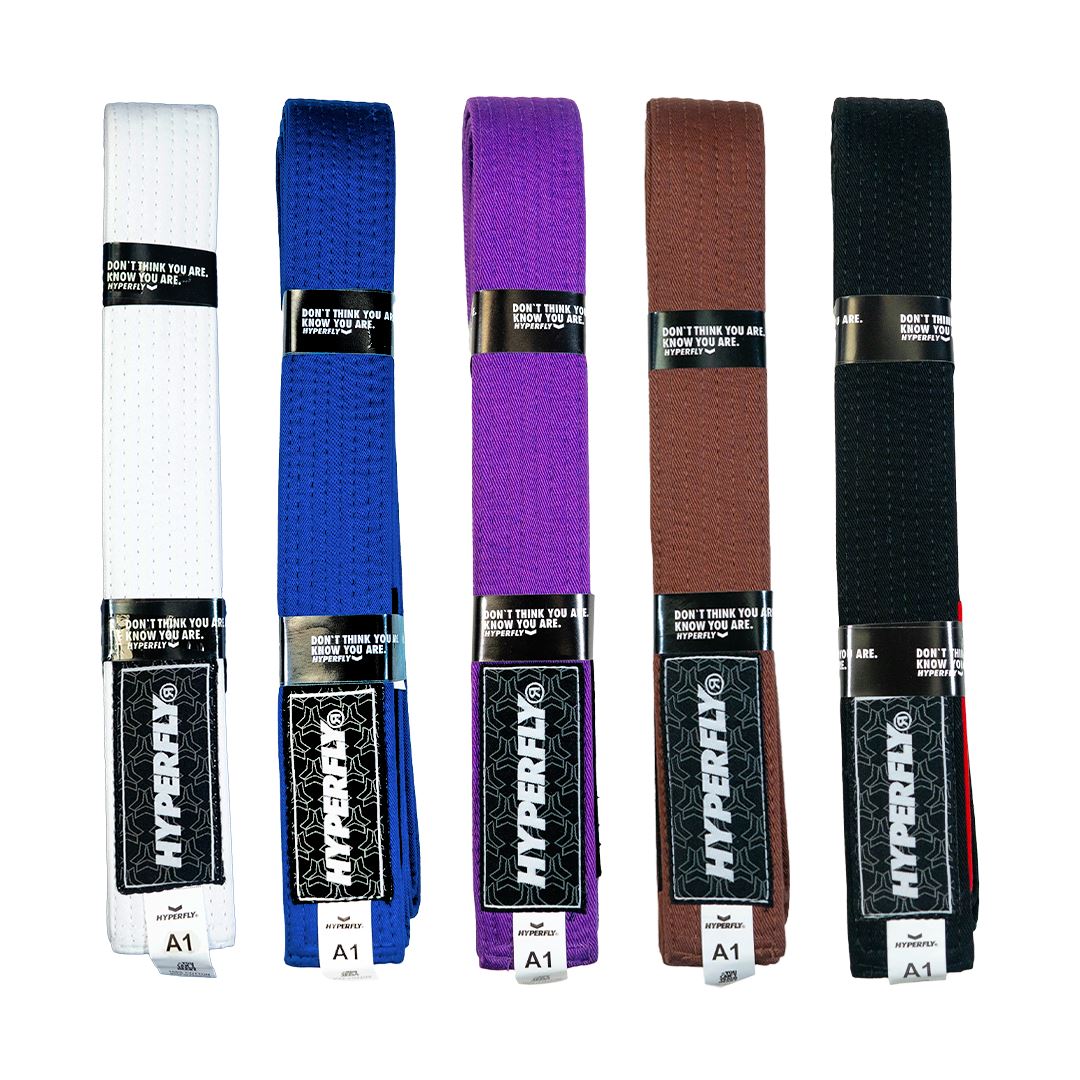
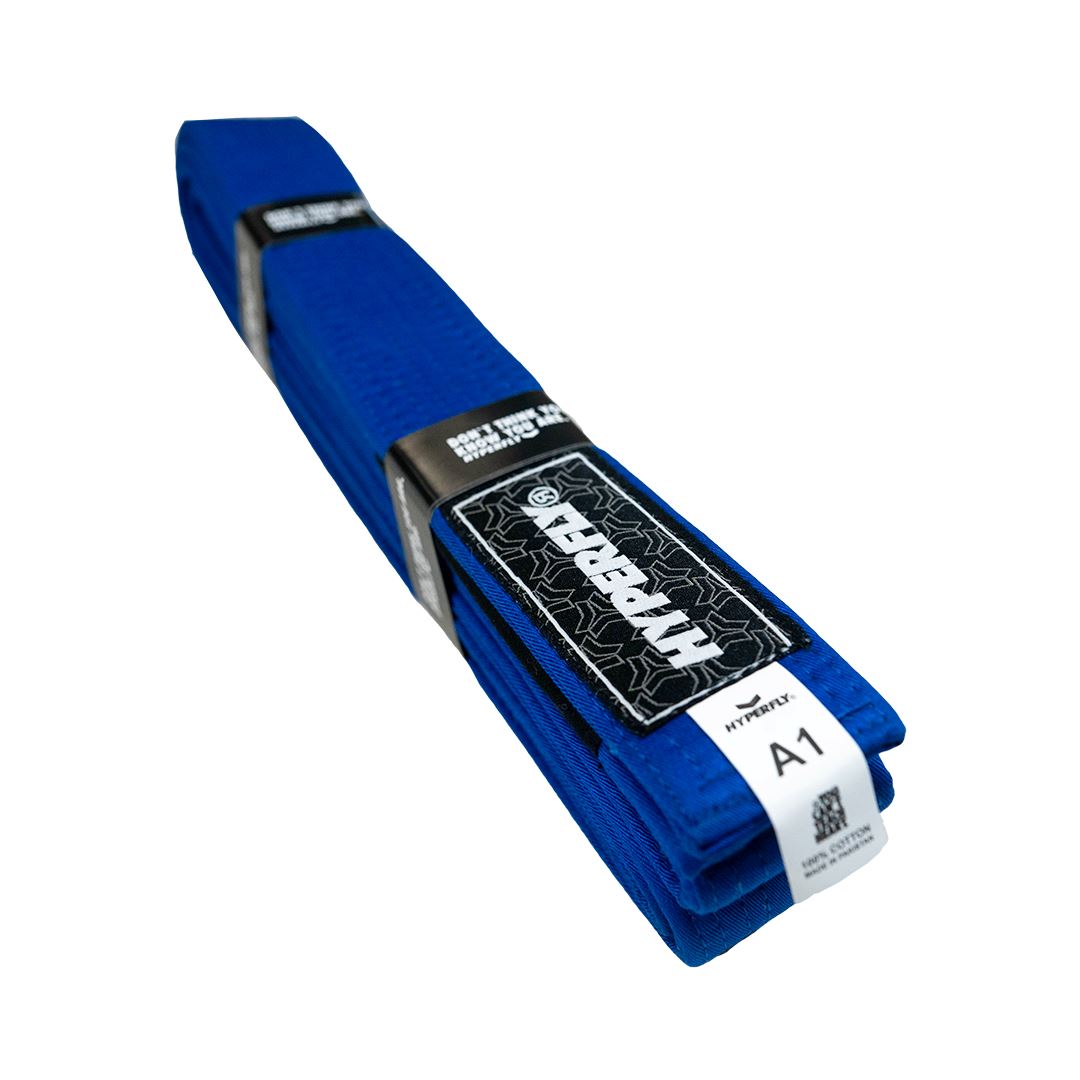
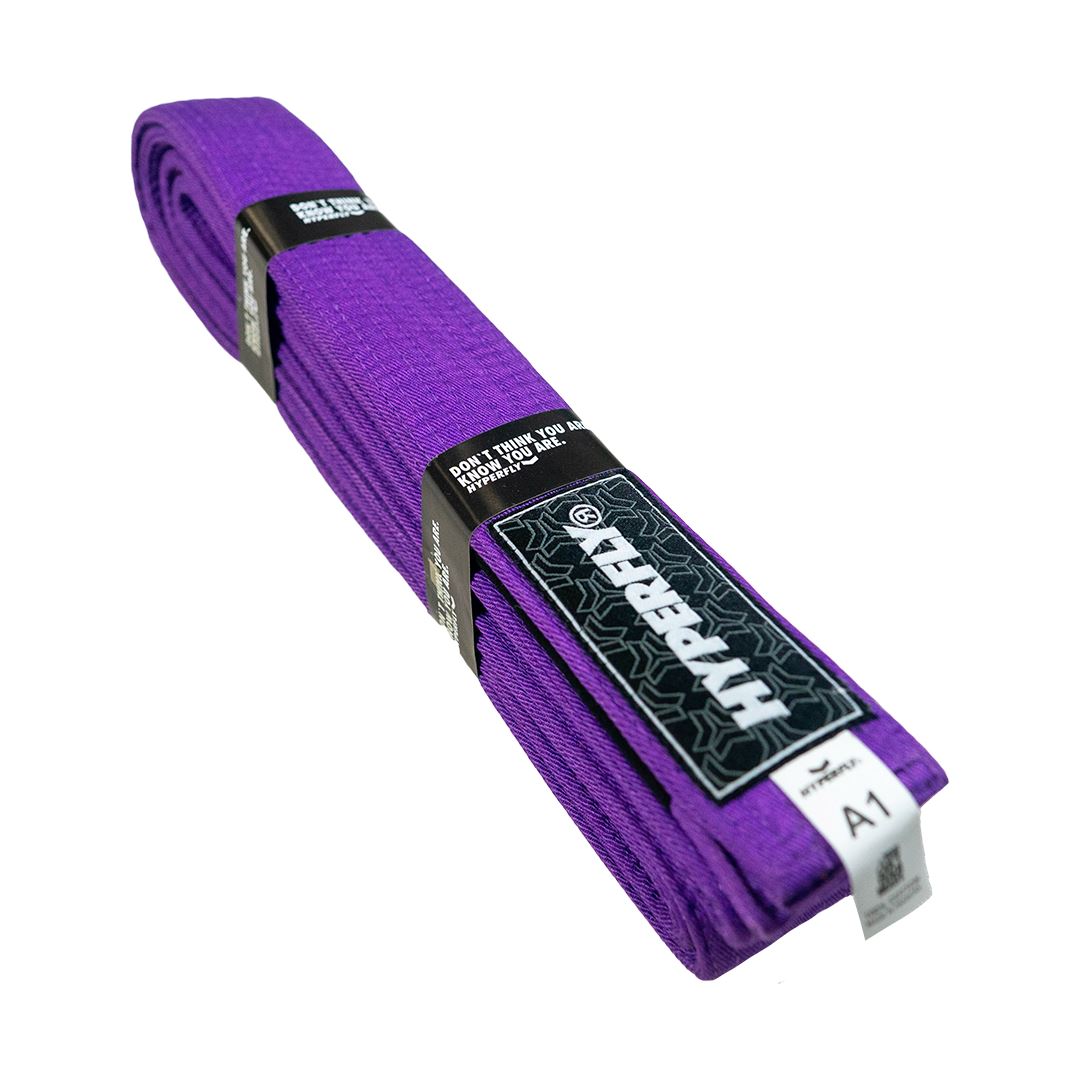
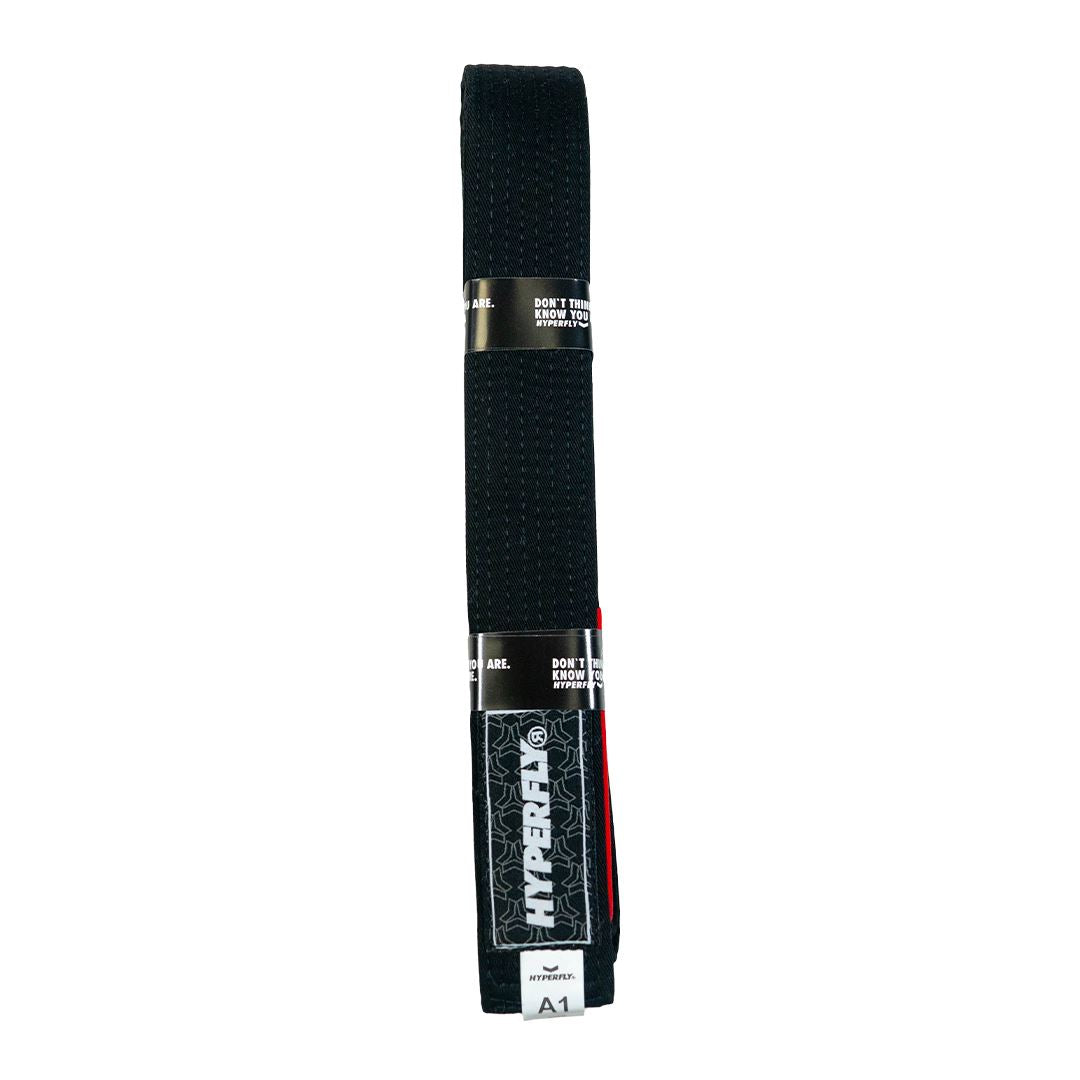
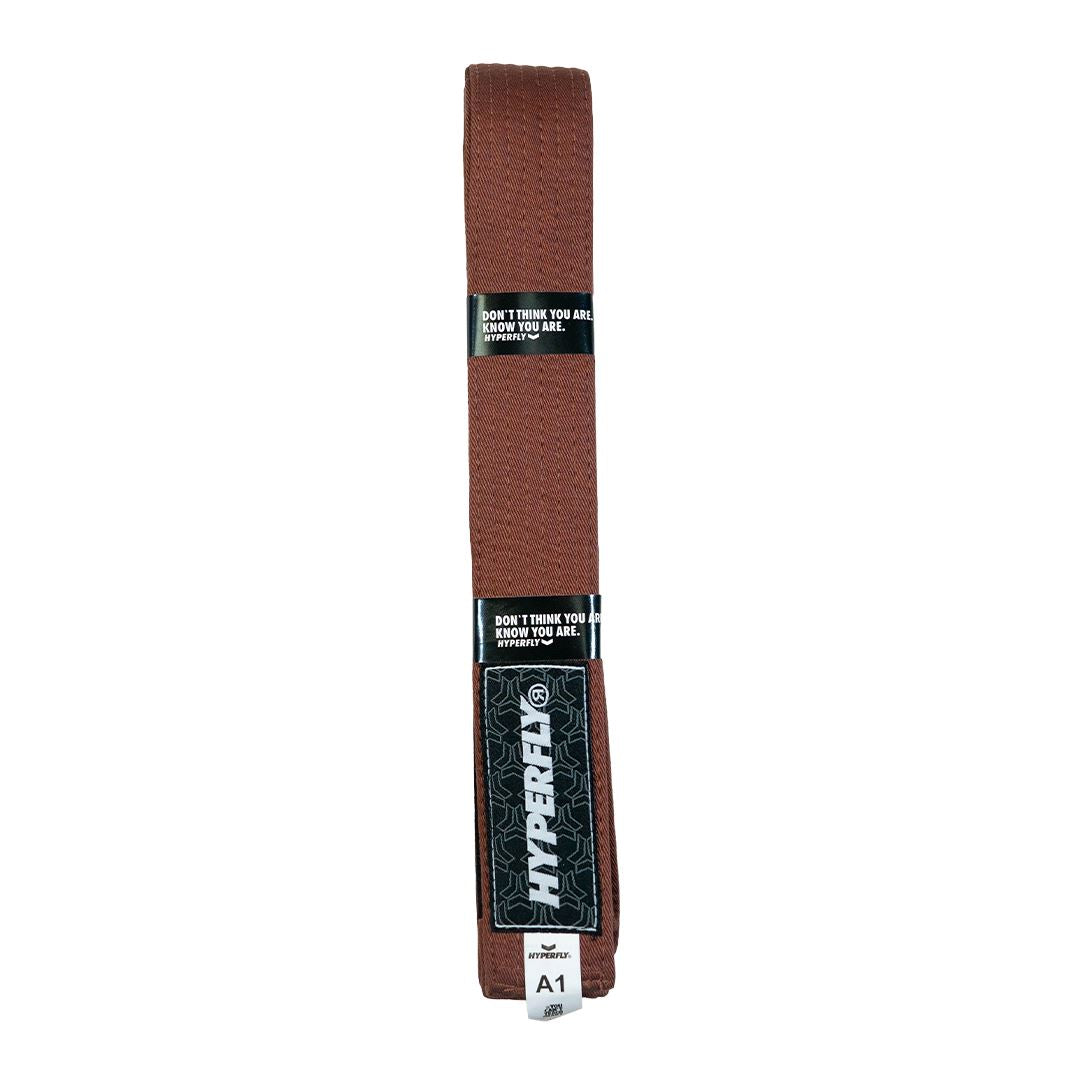
The evidence remains debated, and more recent studies suggest the effect may be smaller than originally believed. Still, the question itself is fascinating: if color can influence how athletes, spectators, and officials perceive a contest, then our brains may be responding to color cues more often than we realize. As grapplers, we experience this all the time. Black gis often feel more intimidating than white ones. Belt colors instantly communicate rank and experience. Rank-colored rashguards allow competitors to be identified at a glance. Whether we realize it or not, color is constantly providing information.
Color Around the World
The meanings we attach to colors aren't universal. They're shaped by geography, history, tradition, and culture. The same color can represent something completely different depending on where you are in the world.
In India, the spring festival of Holi explodes with vibrant powders and dyes, turning entire cities into clouds of red, blue, yellow, green, and pink. The colors symbolize joy, renewal, unity, and the arrival of spring, transforming color itself into a celebration.
In Mexico's Día de los Muertos, brilliant orange marigolds are used to decorate altars and pathways. The flowers are believed to help guide loved ones back during the celebration, making color part of remembrance and connection across generations.

Throughout Europe, seasonal festivals lean heavily on green, gold, and red. Harvest celebrations use the colors of ripe grain, autumn leaves, and late-season fruits to mark the transition from abundance to preparation for winter. Long before modern decorations, these colors reflected the rhythms of the agricultural year.
Across cultures, color becomes a form of visual storytelling. It can represent life, remembrance, celebration, status, spirituality, or community. The color itself isn't doing the work. The meaning comes from the experiences and traditions attached to it.
Which brings us back to November. The reds, oranges, and golds that stop us in our tracks each autumn aren't just pigments in leaves. They're carrying centuries of associations, traditions, and memories that our brains have learned to recognize long before we consciously think about them.
Closing Thoughts
November looks different because it is different. The landscape changes, the light changes, and the colors around us shift dramatically. But the real story happens inside the brain.
What we see isn't just color. It's history, memory, emotion, and information woven together into a seasonal experience. Your brain is doing what it has always done: looking for information, assigning meaning, and responding to color in ways you may never consciously notice.
Stay tuned for more on Making Sense(s) of the Season when we explore Why November Sounds Different.
Shop our collection of Gi colorways here.
Further Reading
- Red Enhances Human Performance in Contests (Nature, 2005) [nature.com]
- Meta-analysis of the Red Advantage in Combat Sports (Scientific Reports, 2024) [nature.com]
- Critical Review of Uniform Color Effects in Sports (International Review of Sport and Exercise Psychology, 2020) [researchgate.net]