Most people talk about El Niño the same way they talk about cryptocurrency or intermittent fasting: confidently, loudly, and with absolutely no idea what they’re saying. Every winter, you hear, “El Niño is coming,” and everyone nods as if they understand. In truth, half the room thinks it means more rain, the other half thinks it means less rain, and at least one person thinks it’s a lucha libre fighter. Meanwhile, the media acts like El Niño is a seasonal supervillain arriving to destroy your gutters, lengthen your commute, interrupt your travel plans, and make you buy a case of candles and consider building a fallout shelter.

But here’s the truth: El Niño isn’t an apocalypse. It’s not even dramatic. It’s a recurring ocean pattern that changes the weather in predictable, explainable ways. First, stop having flashbacks to a boring middle-school science class lecture. This will be informative in a way that leaves you strutting to the walk-out song you keep in your head for those boardroom confident moments. And, yes, El Niño has a twin, La Niña, and people pretend to understand her more vehemently. Let’s break down what these two are with the promise of a scintillating science conversation. We’ll explain why they matter and how you can stop faking your way through conversations about them.
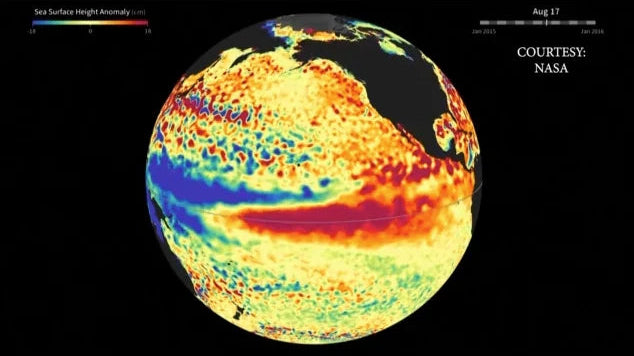
El Niño is basically the Pacific Ocean running a fever. The water warms up more than usual, the trade winds chill out, and the jet stream shifts like it’s trying to find a better parking spot. That’s it. No mysticism. No “ancient weather curse.” Just warm water messing with the atmosphere. Let’s look at why this is relevant to humans across the USA, especially athletes, weekend warriors, and anyone who trains outside.
Starting with the coastlines: In the Pacific Northwest El Niño brings warmer, drier winters and predicts fewer big storms, but still plenty of rain. This is semi-good news for extending the trail running season, but it means your socks and footwear game need serious consideration. If you ski, it means fewer powder days. If you roll, it means don’t wear your gi across the parking lot, or people will think you didn’t change uniforms since your last class.

On the East Coast, there will be milder, warmer winters and weather-related mood swings. Warm spells make January feel like April, and there will be more slush than actual snow. Anyone training outdoors will need gear that can handle “cold-ish”, “warm-ish”, and “why is it raining sideways?” The Northeast gets the classic El Niño special: fewer brutal cold snaps, more wet storms, and the occasional “this was supposed to be snow, but now it’s a puddle” situation. This may be a welcome relief from the La Niña patterns and brutal winter storms of the past few years.
The South will be hit with wetter conditions. This means being prepared to train in sauna-like conditions. You might also consider using the dryer for your gi, as air-drying will likely not result in “dry”, but rather moist with mildew potential. (Or go with a lightweight gi that dries faster.) You might also consider swimming lessons or buying a canoe.
California gets comments unto itself because it has a little of everything. In CA, El Niño means that the surf will be spicy, hiking will be sketchy, and outdoorsy people need to keep a poncho in their back pocket. You ski? Potential good news: California is expected to see above-average Sierra Nevada snowfall during this El Niño, especially in December and January. Multiple 2026–27 seasonal outlooks point toward a wet winter for California with increased mountain snow, particularly in the Sierra and Northern California ranges.1,2,3
What about that twin? La Niña is basically El Niño’s opposite: instead of the Pacific warming up, it cools down, the trade winds strengthen, and the jet stream gets shoved north. This is a combo that tends to make winters colder and stormier across the northern U.S. While El Niño usually results in warmer, rain-heavy winters in the Pacific Northwest, La Niña brings back the classic cold, wet, snow-friendly pattern. California often sees stronger Sierra snow seasons under La Niña, with colder storms and better powder at higher elevations. The South flips too, going warmer and drier, while the East Coast, and this is the part people remember, gets more nor’easter potential, deeper cold snaps, and those big, named snowstorms that have dominated recent winters. In short: El Niño warms and wets; La Niña cools and storms. The meteorological twins compete every winter for “most dramatic sibling.”

One other phenomenon worth mentioning. Every time El Niño shows up, the media acts like it’s auditioning for the role of “Seasonal Threat #1.” Headlines scream about “monster storms,” “historic flooding,” and “chaos patterns,” as if the Pacific Ocean woke up and chose violence. La Niña gets the same treatment, warnings of “deep freeze!” “snowpocalypse!” “winter wrath!” Half the time the actual weather ends up being a mildly inconvenient Tuesday. But here’s the thing, El Niño and La Niña aren’t villains, they’re patterns. They nudge the jet stream, shift storm tracks, and tilt the odds toward certain types of weather. They don’t guarantee disasters. Some El Niño years bring big storms, and others bring soggy weekends. Some La Niña years deliver blockbuster blizzards, others barely deliver a dusting. For sure, they both bring confusion to the weather channel.
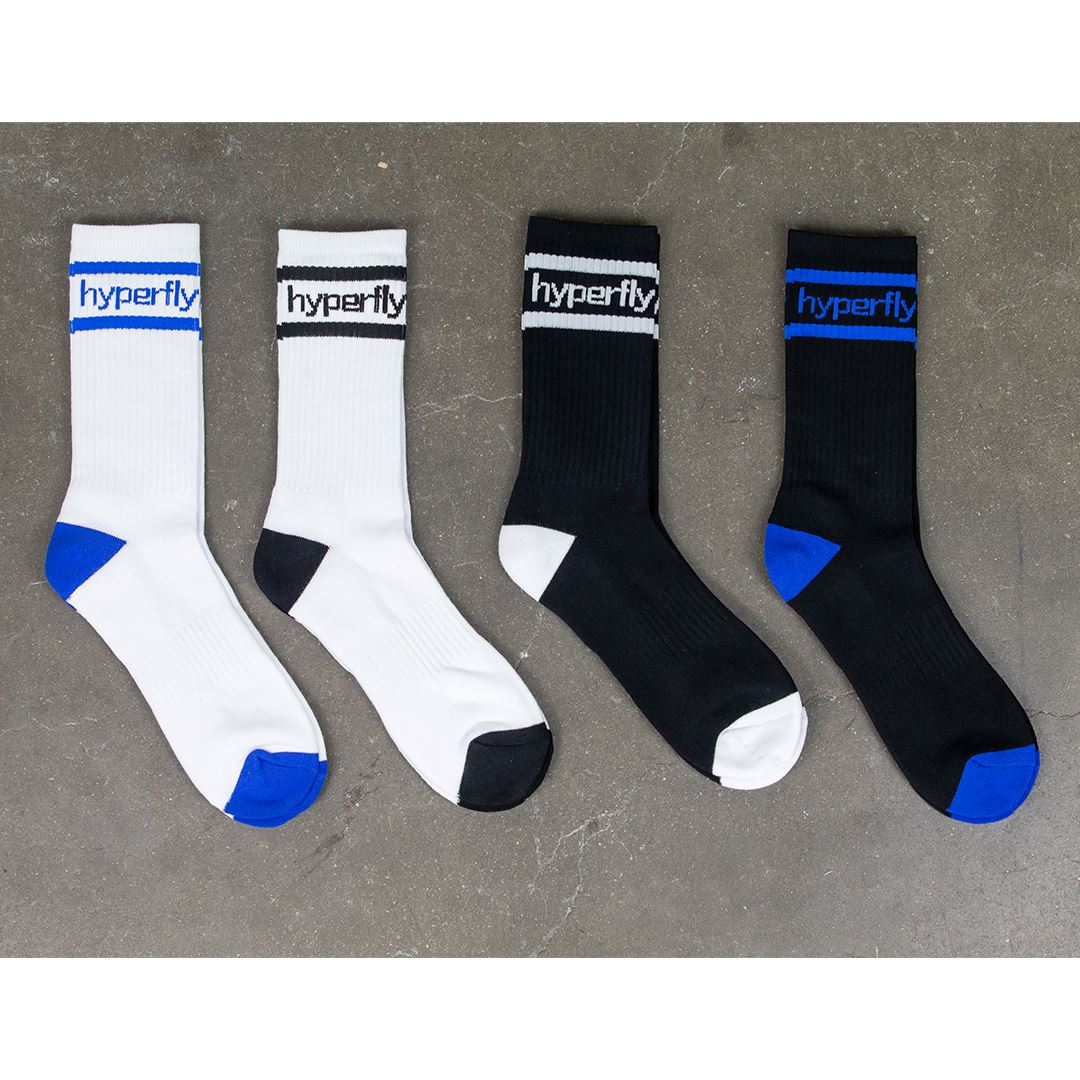
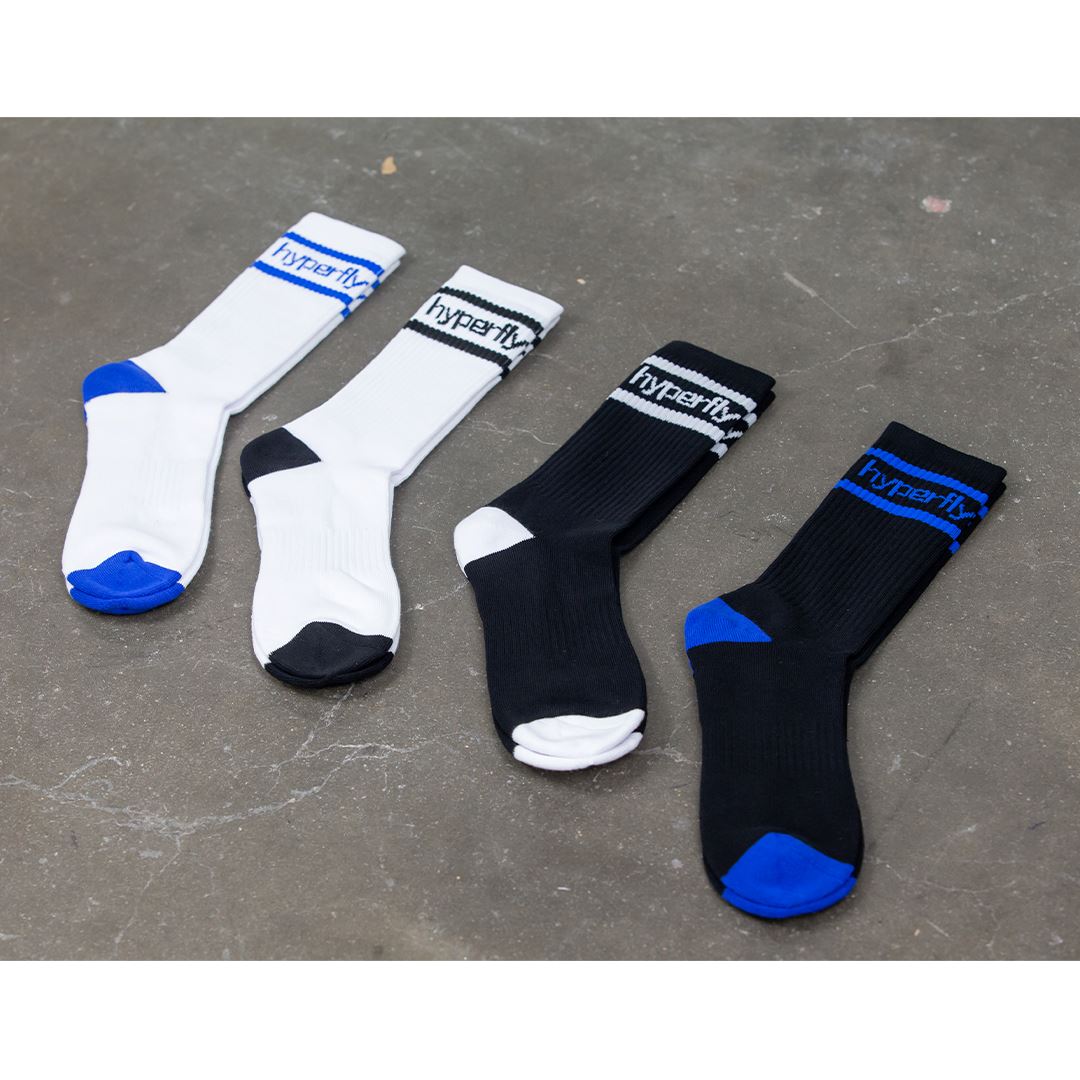
You are now in the know about El Niño/La Niña and can stop fake nodding. You can also, more reliably, be the friend that makes helpful suggestions about day-to-day stuff related to weather: travel, training, outdoor plans, and gear that will survive the season. For athletes and outdoor people, this is the season to keep a few essentials on hand: a lightweight waterproof layer for the rainy day geometry lessons, quick-dry base layers for humidity or slush, and all-weather training shorts for random warm spells that show up in February like lost puppies. If you’re a grappler, a moisture-resistant gym bag becomes clutch when parking lots turn into puddles and mats get damp from soggy gear. And if you’re a runner or hiker, grippy trail shoes and warm-but-breathable midlayers will save you from both mud and frostbite, depending on which twin (El Niño or La Niña) is currently winning the seasonal drama. For the women who train, FlyGirl leggings pull double duty on the mat and the trail. In short: you don’t need to panic. You need to be prepared for weather that’s slightly more chaotic than usual. Think of it as upgrading your “I can handle this” kit, not building an ark.

At the end of the day, El Niño and La Niña aren’t seasonal villains or a curse from Mother Nature. They’re ocean temperature patterns that nudge the weather around and give the media something dramatic to talk about. Understanding them doesn’t mean you control the forecast. It means you can stop succumbing to peer agreement when someone says, “We’re in an El Niño year,” and follows it with a scientifically impossible prediction. Whether you’re an athlete trying to keep your training on track, a traveler hoping your flight isn’t canceled, or simply a person who likes knowing why the sky is being weird, a little clarity goes a long way.
Work Cited
- Super El Niño looms: what it means for Sierra snow. The Sacramento Bee. Published September 1, 2026. Accessed September 23, 2026.
- McCarty A. El Niño Forecast Predicts Historic Snowfall for California and Other States This Winter. AOL News. Published August 24, 2026. Accessed September 23, 2026.
- Thorne P. El Niño Update: This Event Could Be Historic. Here’s What It May Mean For Snow. Snow Forecast. Published September 23, 2026. Accessed September 23, 2026.