Brazilian Jiu-Jitsu teaches children something that most sports don't: how to stay calm under pressure, how to problem-solve in real time, and how to lose gracefully and keep showing up anyway. It's one of the most complete developmental activities you can put a kid in.
But with so many martial arts options out there, parents often have questions before committing. What age should they start? Is it safe? What will they actually learn? This guide answers all of it.
Why BJJ Stands Apart for Kids
A lot of martial arts are taught in a way that rewards compliance. Bow, repeat, obey. BJJ is different. Because every drill and every roll requires real-time problem solving, children are constantly engaged, adapting, and thinking. It builds a type of intelligence that shows up everywhere in their lives.
The benefits go well beyond fitness. BJJ forces kids to think clearly when they're uncomfortable, a skill that transfers directly to school, sports, and social situations. It builds genuine athletic ability through grappling: grip strength, core stability, coordination, and cardiovascular endurance, all through something that feels like play. It teaches practical self-defense in a way that emphasizes control over aggression. And it instills discipline and respect through the traditions of the sport, including how to address instructors, care for training partners, and carry themselves on and off the mat.
Perhaps most valuably, BJJ teaches kids how to lose well. Children tap out constantly. They learn that submitting isn't failure, it's information. That relationship with losing is rare and genuinely useful for the rest of their lives.
What Age Can Kids Start?
Most academies offer kids programs starting around age 4 or 5, though the structure varies significantly by age. Children ages 4 to 6 are typically in "Little Champs" style classes focused on movement games, basic tumbling, mat safety, and listening skills, with more foundational movement than formal BJJ. Ages 7 to 9 move into real technique: guard positions, escapes, simple takedowns, and light positional sparring. Ages 10 to 13 do genuine BJJ with live rolling, and many kids this age begin training alongside adults in fundamentals classes at progressive gyms. At 14 and up, most teens transition into adult classes where training becomes more intense and technically rich.
Is BJJ Safe for Children?
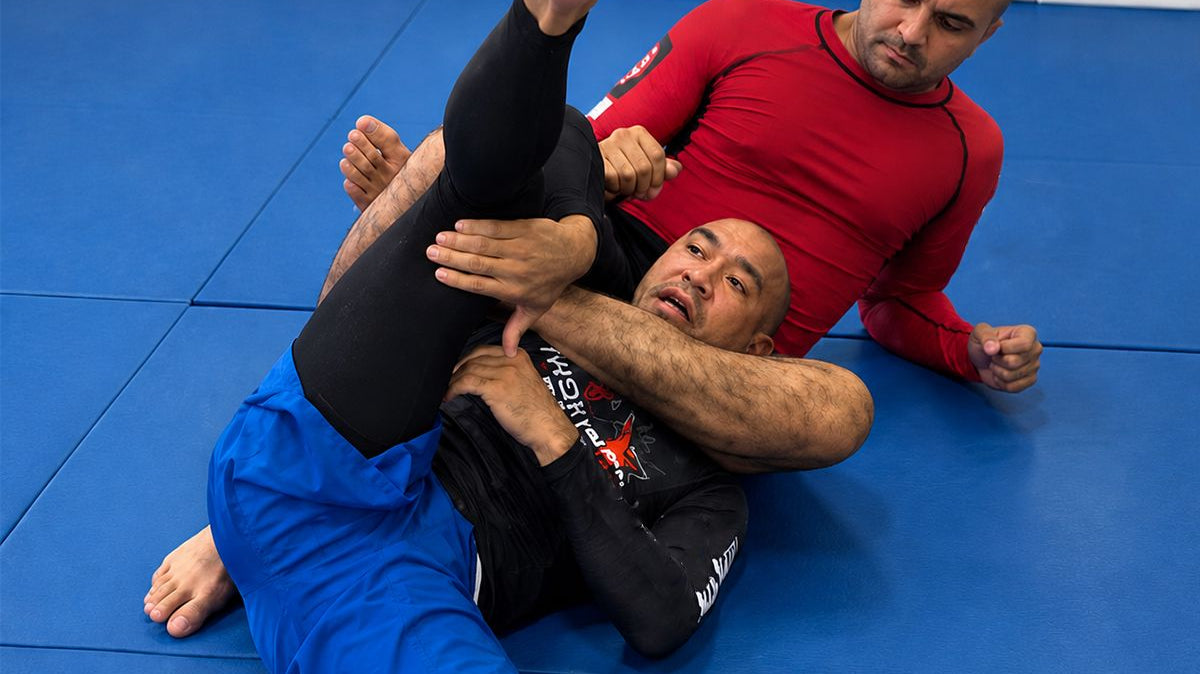
It's the number one question parents ask, and a fair one. The short answer is yes, when taught in a quality program with experienced instructors. BJJ is a contact sport, so minor scrapes and mat burns happen. But the sport has a deeply ingrained safety culture built around tapping out, meaning submitting before a technique causes real harm.
Good kids programs focus heavily on positional control and escapes in the early years, not submissions. Children are taught to respect their training partners, communicate when something hurts, and stop immediately when a partner taps. In quality academies, serious injuries among young students are genuinely rare.
The biggest risk comes from poor gym culture and aggressive rolling, regardless of size or experience mismatches. This is exactly why choosing the right academy matters so much.
What to Look for in a Kids BJJ Program
Look for instructors who are experienced with children, not just technically skilled at BJJ, because teaching kids and teaching adults require very different approaches. Make sure there's age-appropriate structure so a 5-year-old and a 12-year-old aren't in the same class with the same expectations. Watch how an instructor handles a child who makes a mistake, because a positive atmosphere where kids are encouraged rather than embarrassed tells you everything. Controlled sparring is essential, with live rolling supervised closely and size and experience matches taken seriously. And look for a culture that values the process over winning, where belt promotions reflect genuine development.
What Gear Do Kids Need?
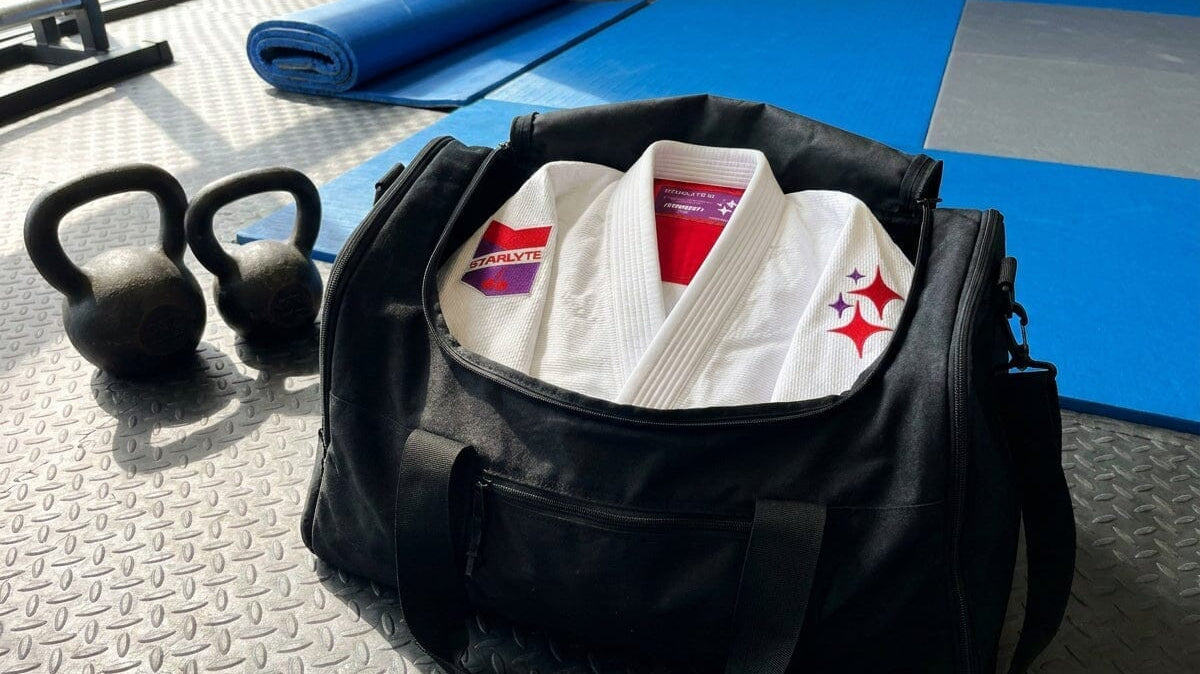
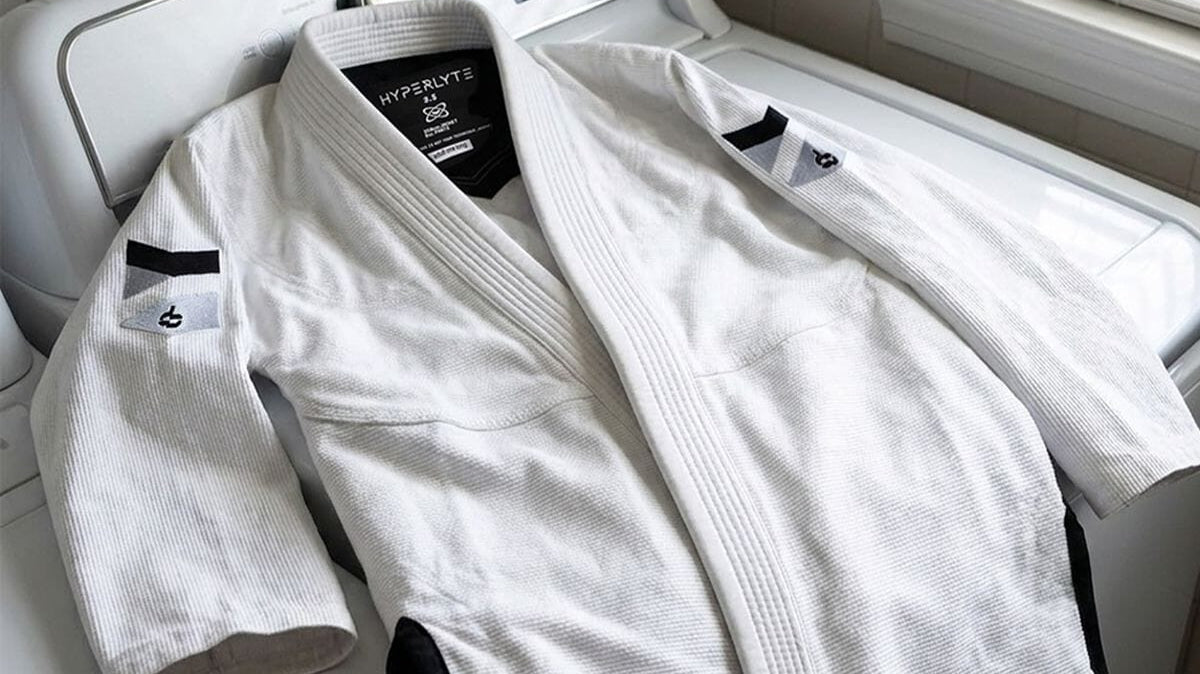
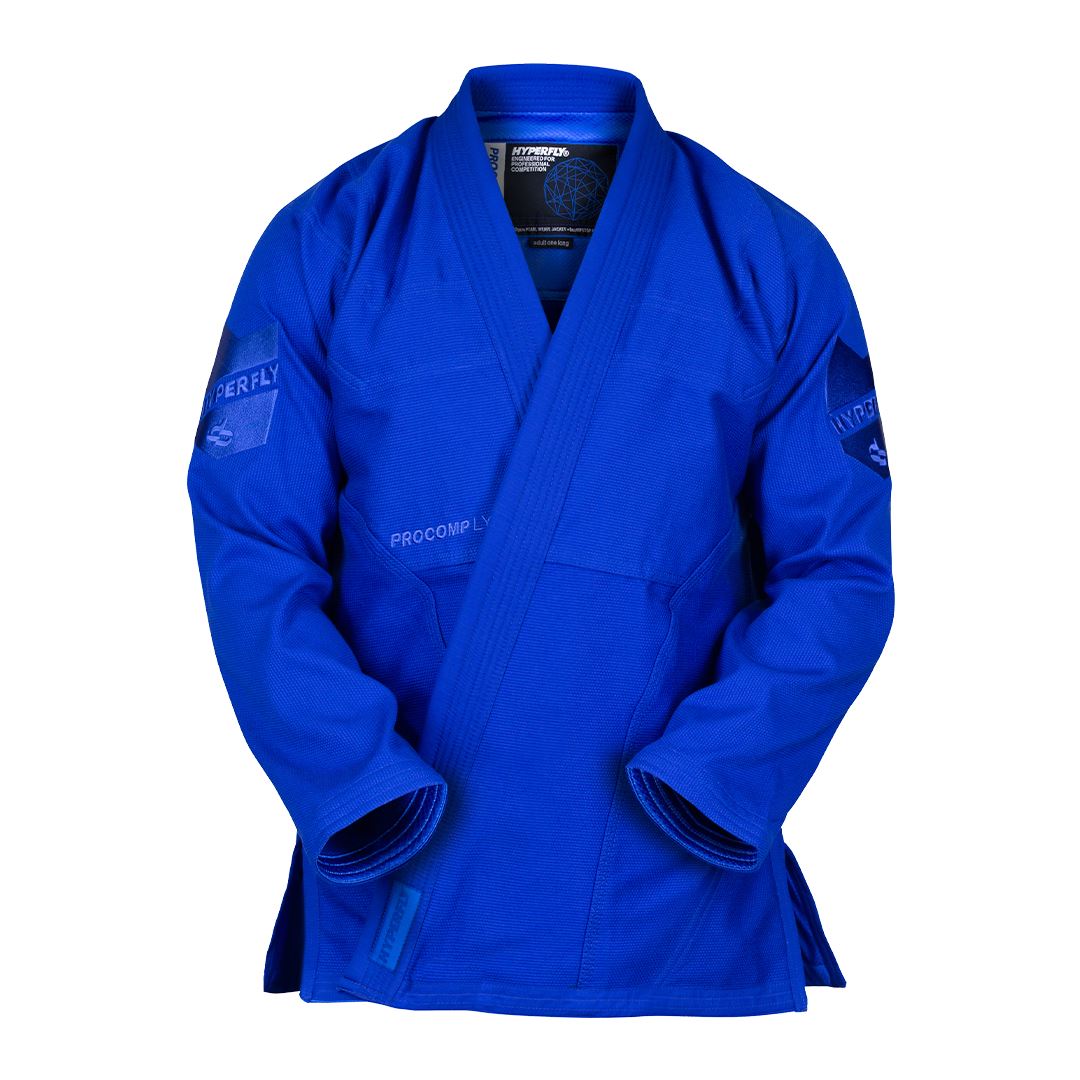
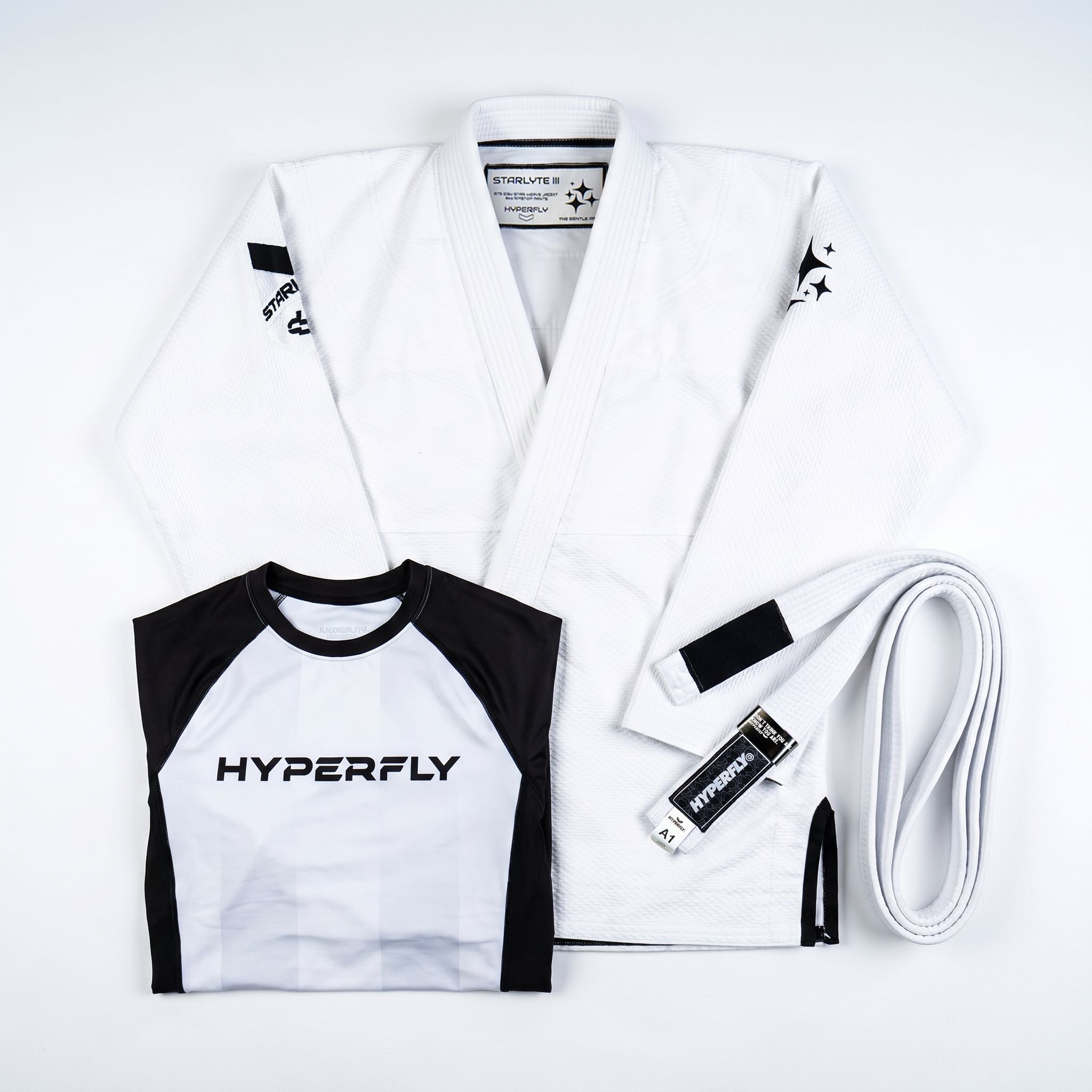
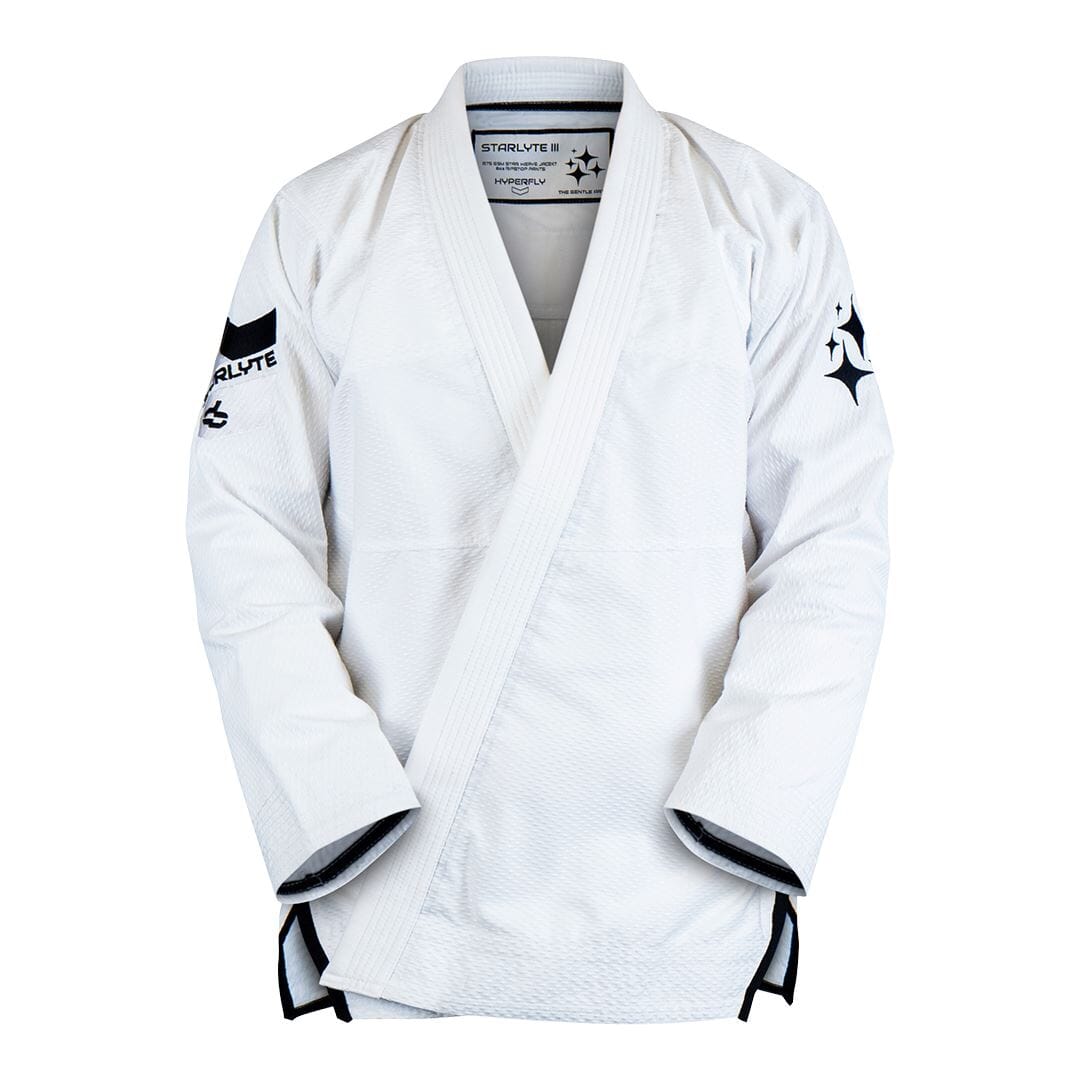
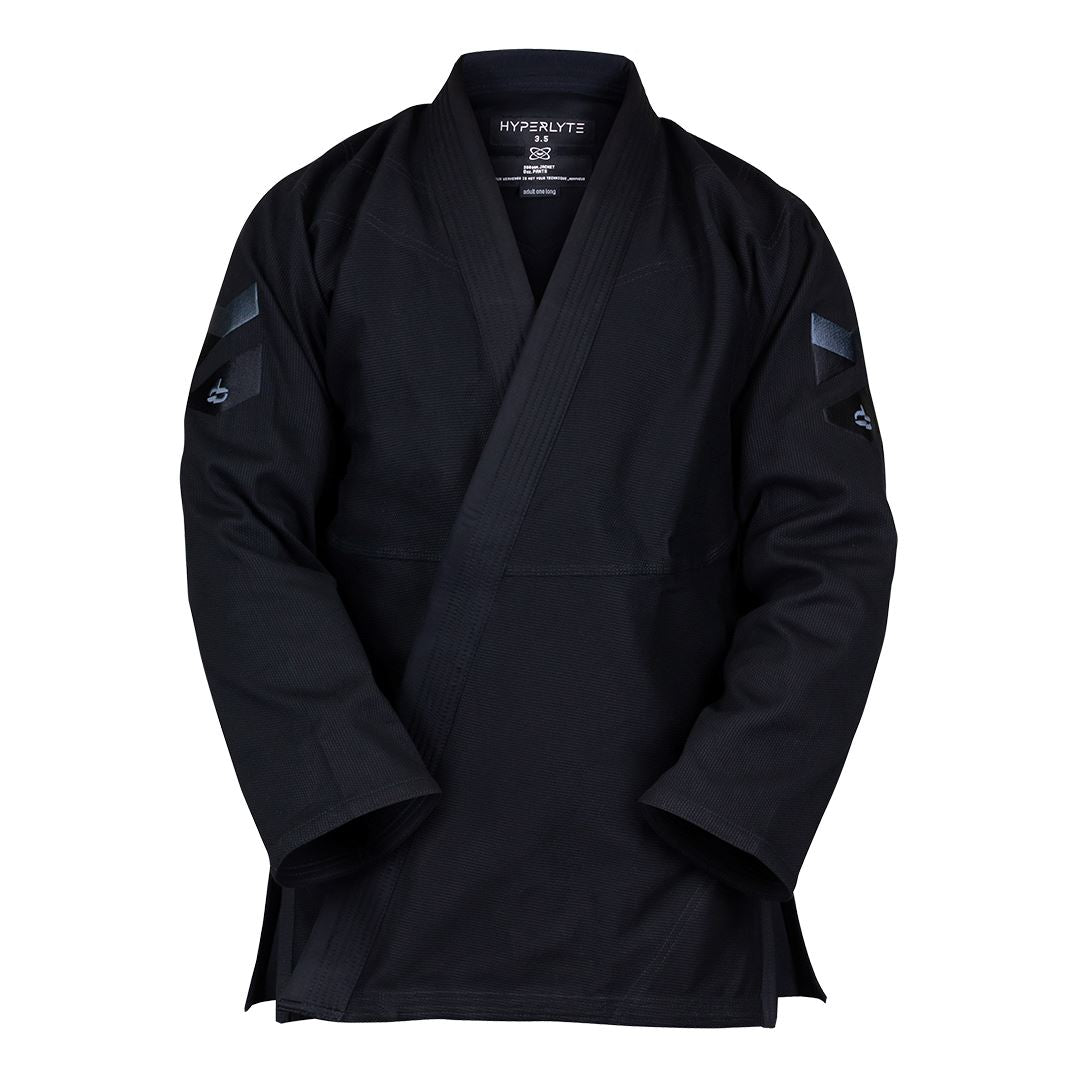
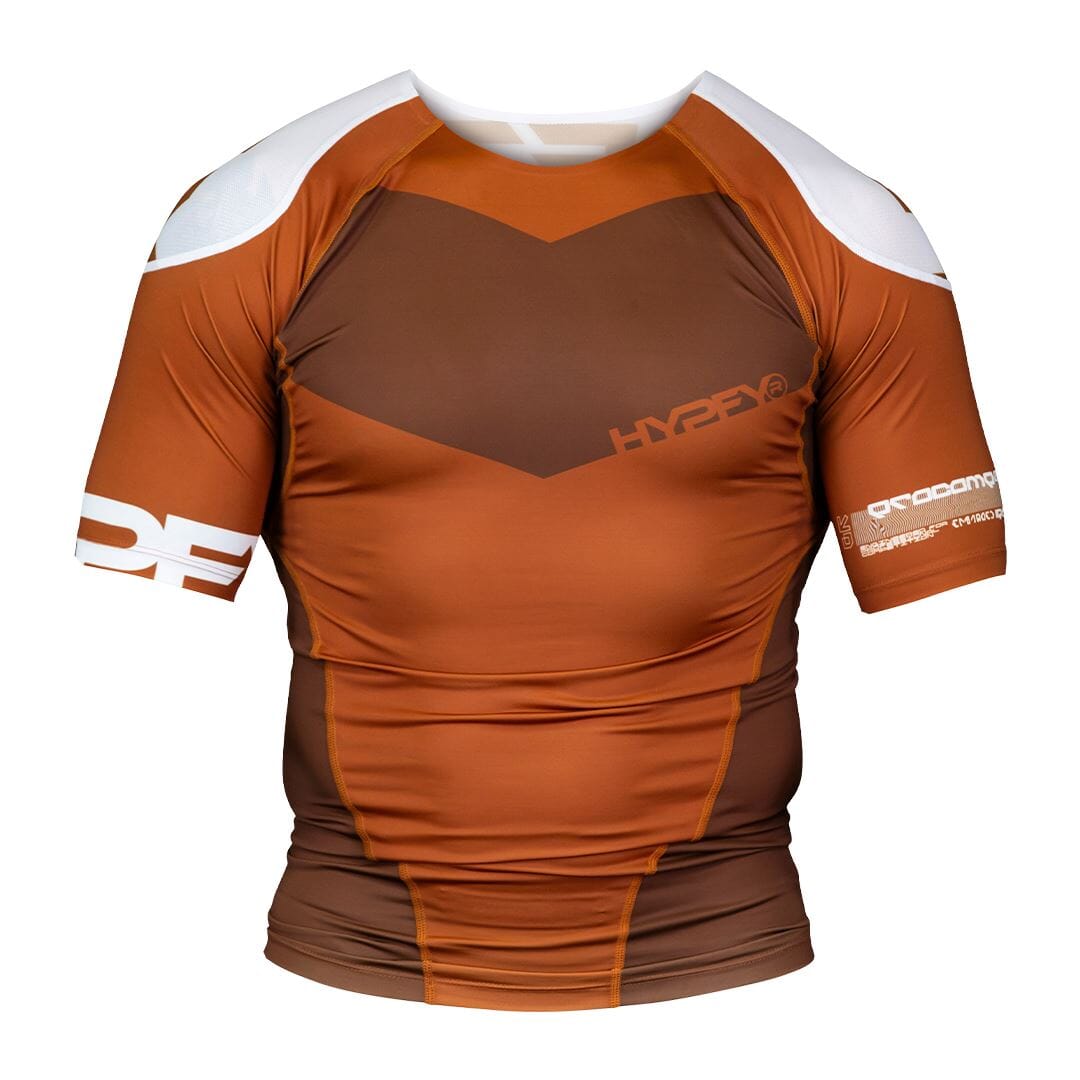
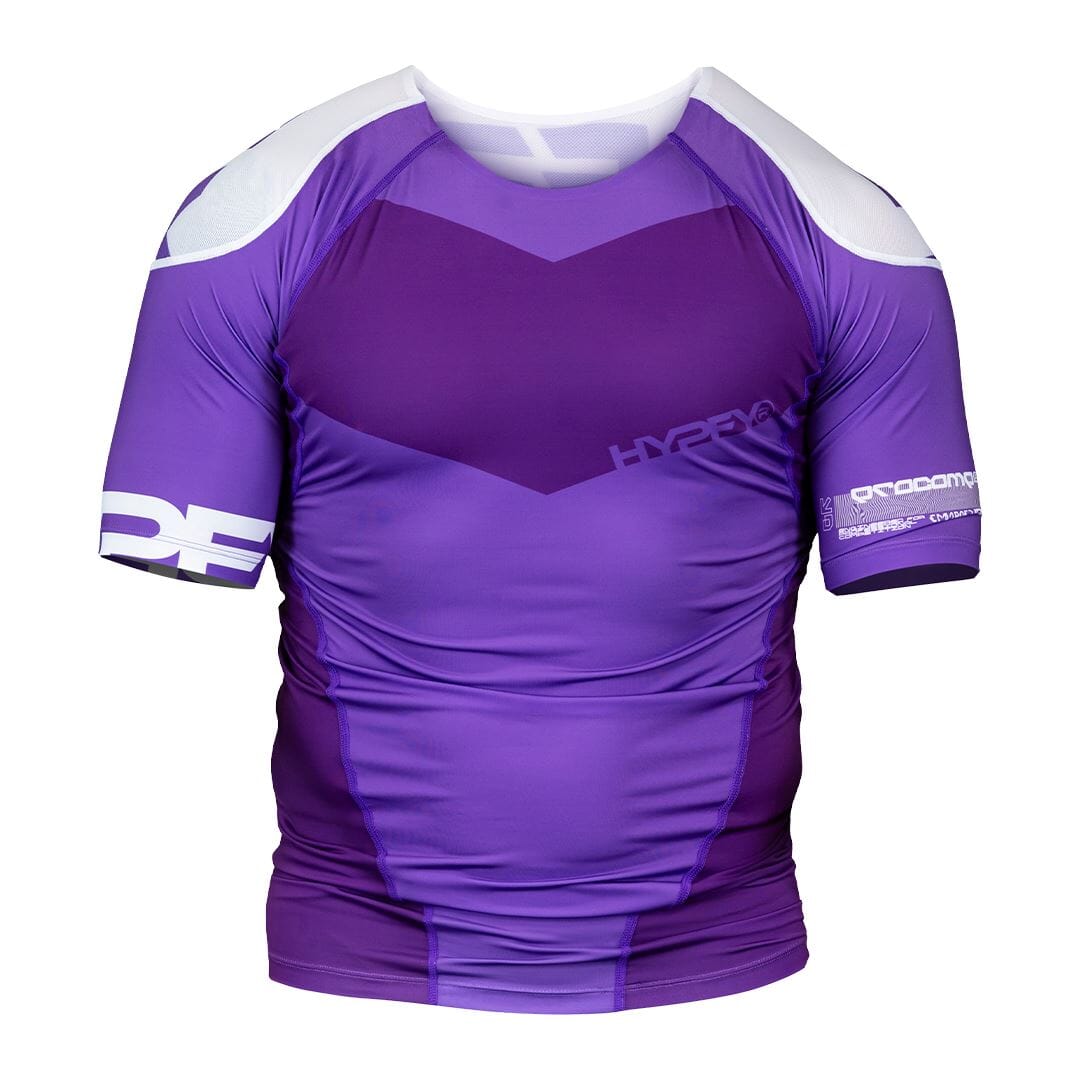
Most gyms let beginners start in athletic clothes. Once enrolled, a child needs a kids BJJ gi, a rash guard, fitted shorts, a mouth guard, and flip flops to wear off the mat. Fit matters a lot with a kids gi because children grow fast, but a gi that's too large becomes a training hazard. Hyperfly's kids' gis are cut to move well and hold up to the wear that young grapplers put them through.
Frequently Asked Questions
Will BJJ make my child more aggressive?
In a well-run program, the opposite tends to be true. Children who learn to control physical situations become less reactive, not more. BJJ teaches restraint. Most parents report their children becoming calmer and more emotionally regulated over time.
What if my child is shy or lacks confidence?
BJJ is genuinely excellent for shy or anxious children. Progress is tangible and earned, and every stripe on a belt represents real work. As kids develop competence, confidence follows naturally. The gym community also provides consistent belonging, which many shy kids come to value deeply.
How many days per week should a child train?
Two to three days per week is ideal for most beginners, enough to build retention and see progress without burning out. Frequency can increase naturally as enthusiasm grows.
Will my child want to compete?
Some kids love competing, and others have no interest, and both are completely fine. Most quality programs make competition optional. Tournaments can be a great developmental experience but should never be forced.
Does my child need to be athletic to start? Not at all. BJJ welcomes all body types and athletic backgrounds. Kids who feel they're "not athletic" often thrive specifically because technique and intelligence matter more than natural ability. It can be a genuine turning point for children who haven't found their sport yet.
A Final Word
Brazilian Jiu-Jitsu is one of the most complete developmental tools you can give a child. It builds physical competence, mental toughness, social belonging, and genuine confidence, not the performative kind, but the kind that comes from knowing you can handle yourself. If your child has even a passing curiosity about it, go watch a class. A single observation session usually tells you everything you need to know.