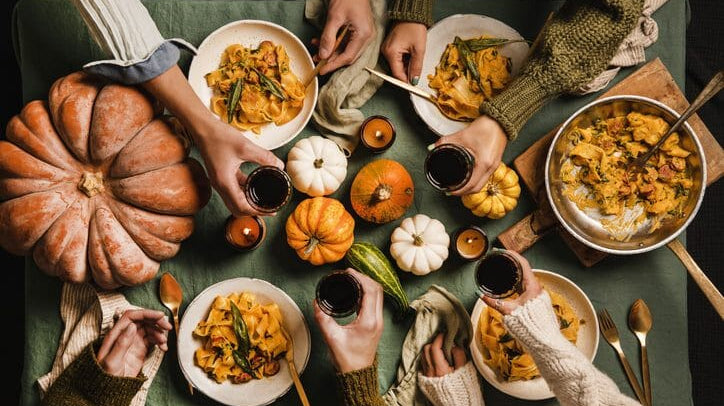
Thanksgiving is a season of gratitude, but gratitude is a funny thing in Jiu-Jitsu. Most of us don't appreciate what we have until it hurts, disappears, or gets caught in an ankle lock.
When people start training, they're grateful for everything. They survive their first class and feel thankful they didn't throw up during warm-ups. They learn their first escape and feel thankful it worked, and relieved to discover that staying trapped is not, in fact, their forever destiny. They complete an entire round without being submitted and immediately start updating their personal record book.
Then something interesting happens: adaptation.

The things that once felt extraordinary begin to feel normal. Strong hands become expected. Healthy knees become expected. Reliable training partners become expected. The academy doors will always be open. The coaches will always be there. Our bodies will always cooperate.
Until they don't.
One of the sneakiest lessons in Jiu-Jitsu is that appreciation often arrives disguised as inconvenience. An irritated finger reminds us how much we depend on our grip. A sore shoulder reminds us how many movements we perform without thinking. A rolled ankle impacts walking, standing, and shrimping, making class feel like an anatomical torture chamber. And knees! Knees are like referees - You mostly ignore them until they stop doing their job.
The human hand contains 27 bones, dozens of joints, and an astonishing degree of dexterity. It's one of the most sophisticated structures in the body. Most grapplers don't spend much time marveling at its engineering. We spend our time wondering why the grip strength disappeared right after gaining an advantage.

Every collar grip, sleeve grip, lapel grip, and defensive frame is a reminder of what hands make possible. The same is true for the people around us.
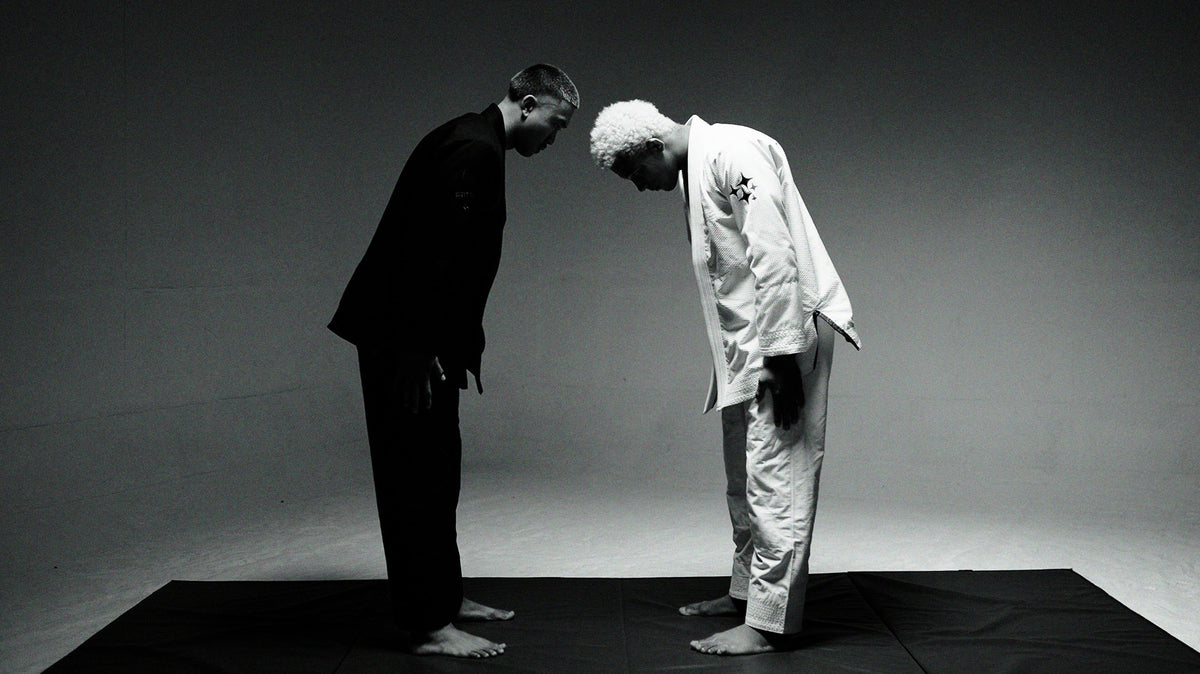
Nobody earns a black belt alone.
We're shaped by coaches who stay late to answer questions. Training partners who tap before something breaks. Upper belts who patiently explain the same details again and again. Teammates who send a text when we've been absent for a few weeks asking, “What’s up pal?” Those contributions become so routine that we stop seeing them.
Until we're away from them.
Injured athletes discover this quickly. What they miss isn't necessarily competition. It's the routine. The conversations. The accountability. The feeling of belonging. The mats have a funny way of teaching gratitude through absence.
Then there are the unsung heroes. The folks who clean the mats. The teammate who always has athletic tape. The inventor of ibuprofen. The washing machine that somehow survives repeated exposure to bulky sweat-soaked gis that trigger the “off-balance” alert. The friend who asks: "You coming to class tonight?"
Sometimes community isn't built through grand gestures.
Sometimes it's built through a thousand small ones.

This Thanksgiving let’s be grateful for strong hands, reasonably cooperative joints, training partners who tolerate our mistakes, and coaches who continue to correct them.
Let’s be grateful for the people who make the academy feel like a second home and the chance to come back tomorrow and do it all again.
Most of all, let’s be grateful for the things we stopped noticing.
In Jiu-Jitsu, as in life, gratitude isn't just appreciating what you've gained.
It's remembering to notice what's still here.
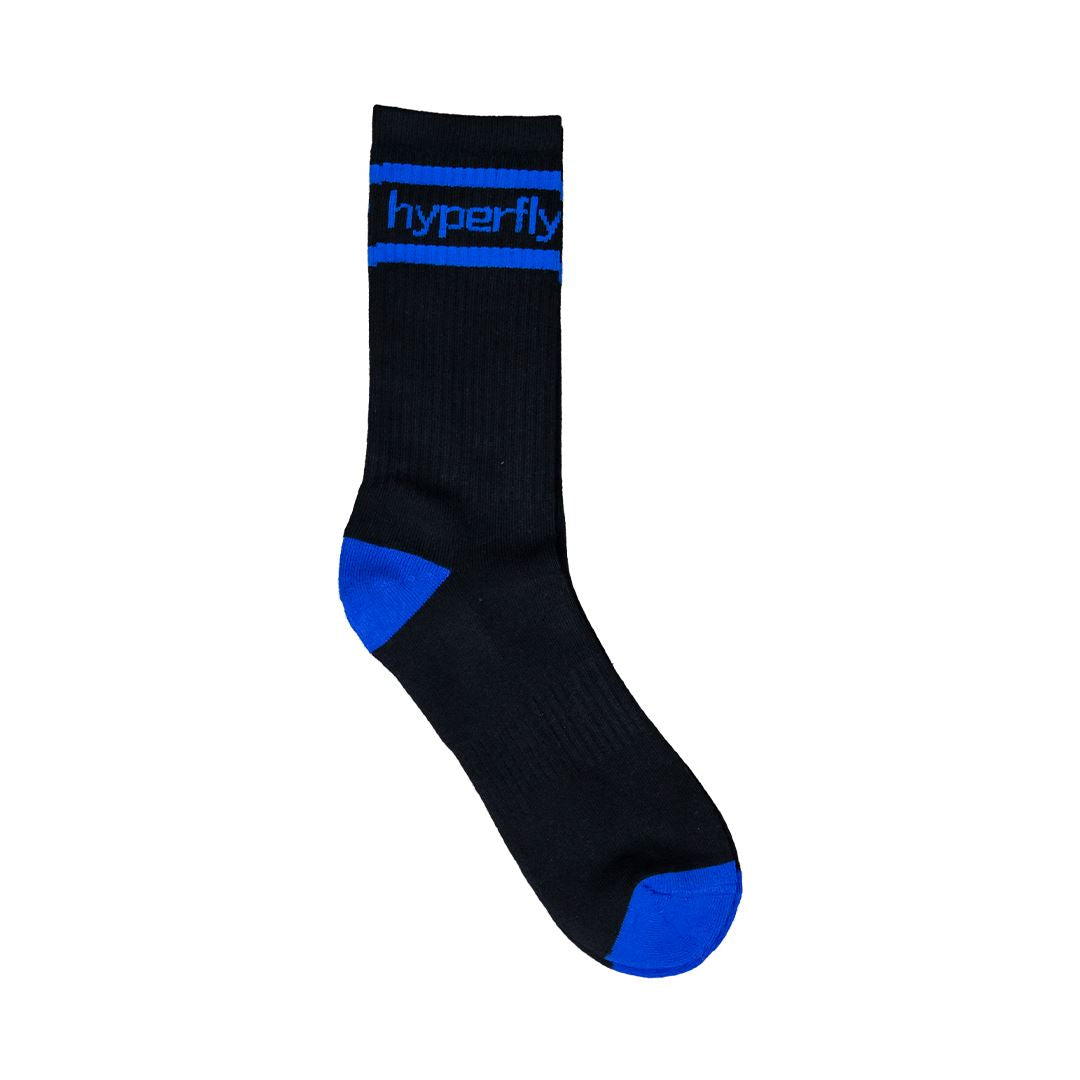
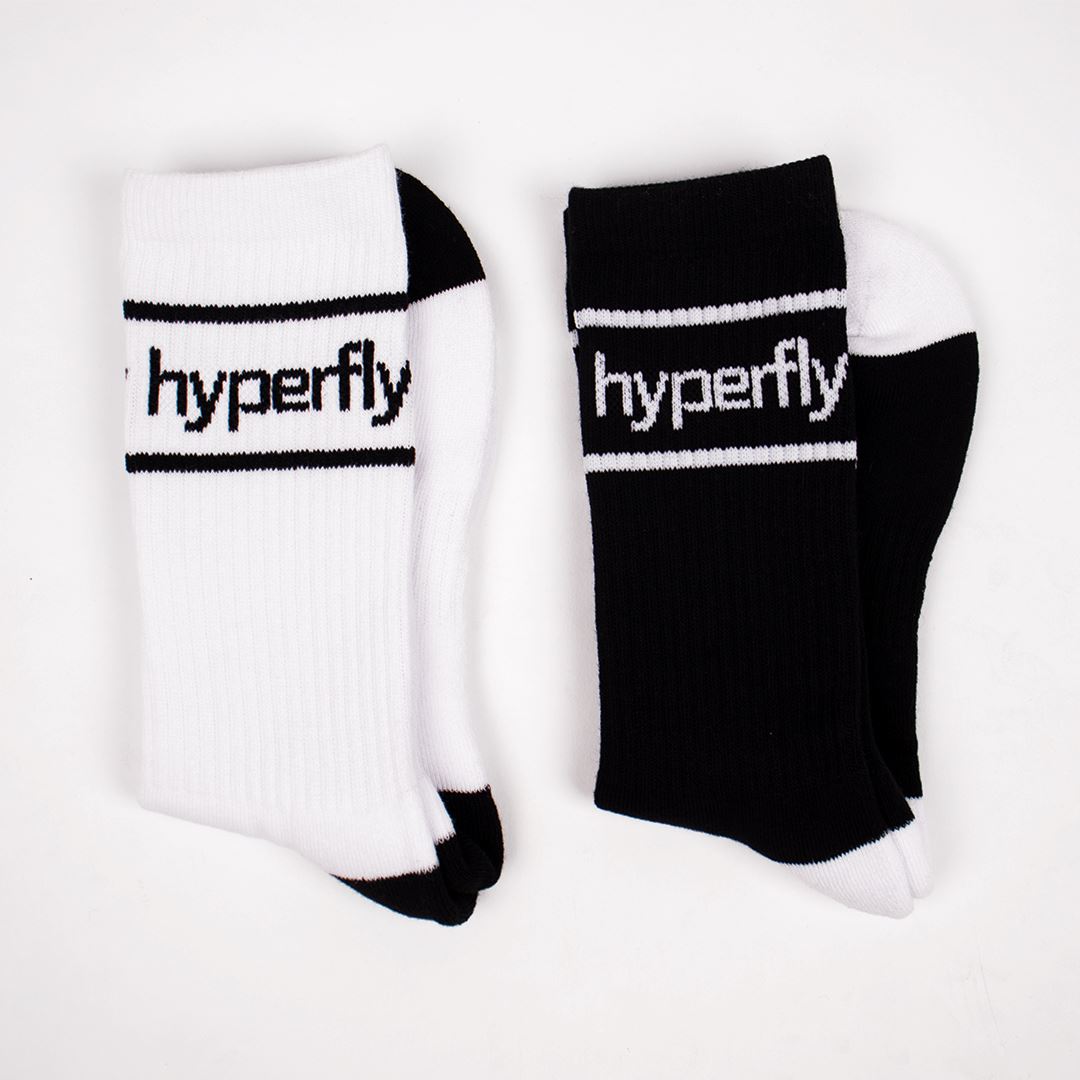
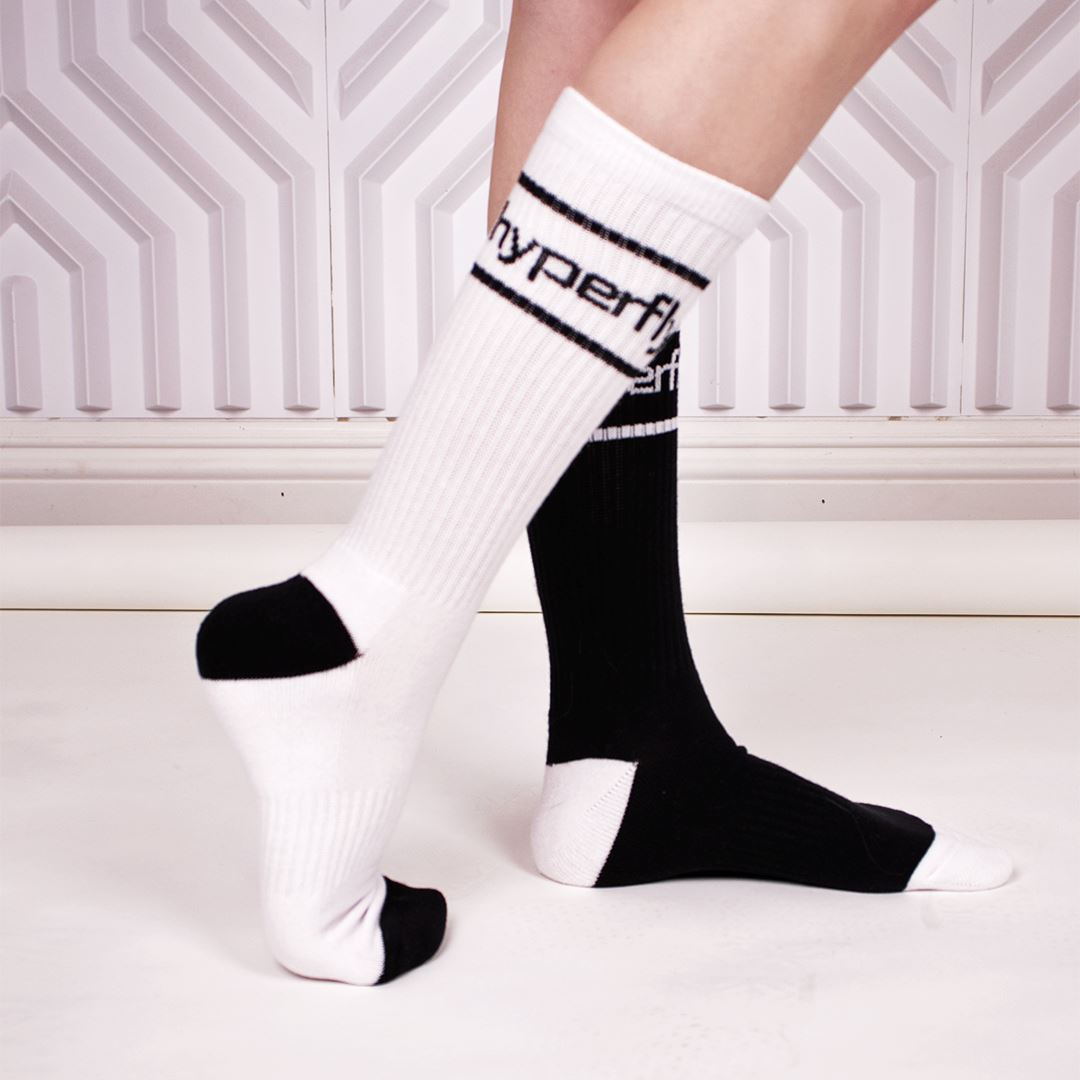
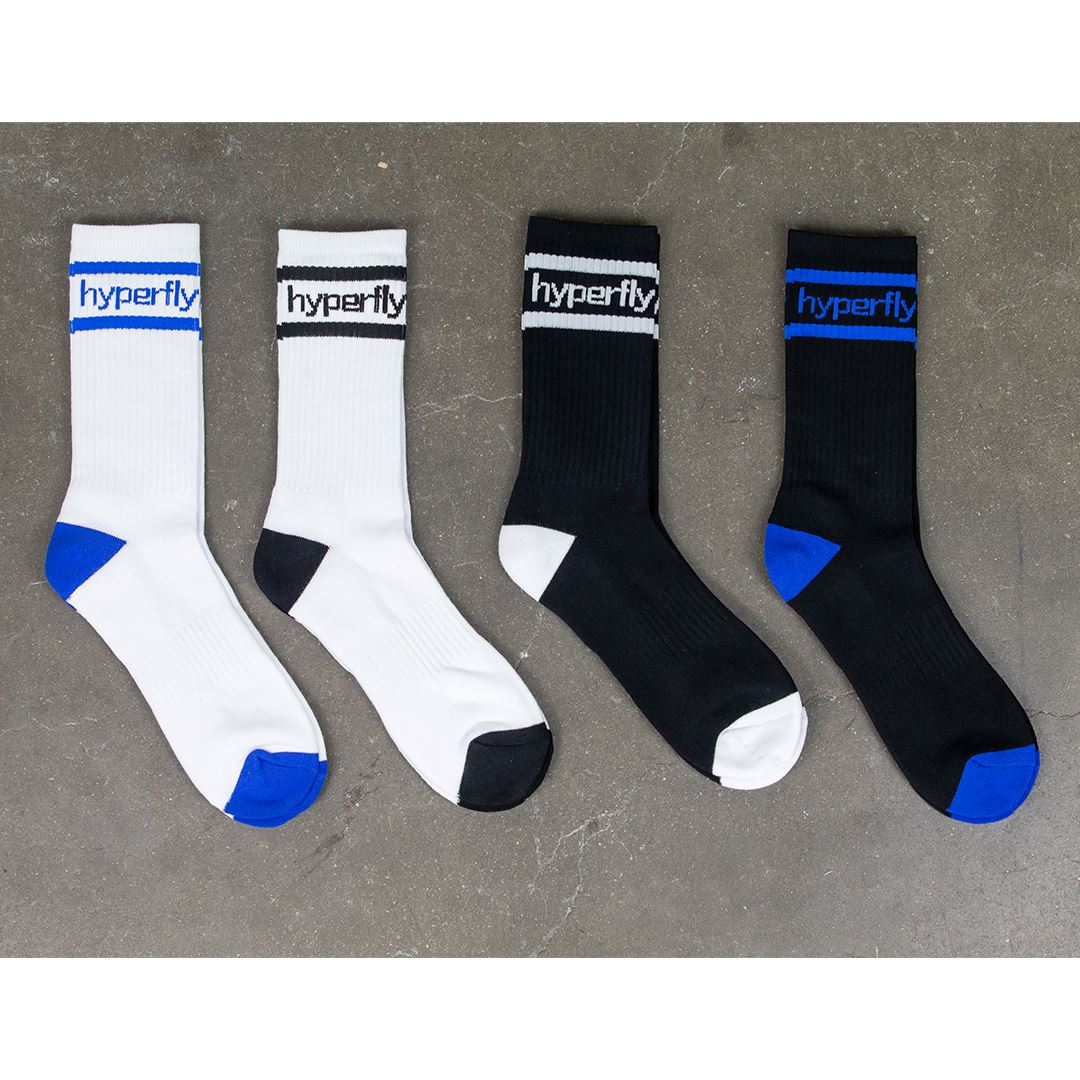
In need of some new gear for your jiu jitsu journey? Our Black FlyDay Special is happening now.