The U.S. is in a drought: reservoirs shrinking, rivers running low, states arguing over water rights. We’ve never been more obsessed with water in so many ways. America is not just drinking it but curating it. We buy it vapor-distilled, glacier-sourced, pH-balanced, electrolyte-enhanced, artesian-filtered, mountain-blessed, and packaged in cans that look like they belong at a heavy metal concert. We’re dehydrated, but mostly from hype.
Beneath all the branding theater, there’s a story worth telling. Water is biologically non-negotiable, and your body gets cranky fast when it doesn’t have enough. That’s why athletes feel like trash when they’re dehydrated, why your brain gets foggy when you forget your bottle, and why your muscles act like they’re on strike during a workout. Hydration isn’t a trend; it’s physiology.
Before we get into pH-balanced, glacier-whispered bottled water, let’s talk about an unsexy truth. Your body, at its core, is a high-performance water machine. Every cell (muscle, brain, gut, skin) depends on water to function. Cells are 70–90% water depending on the type, and the whole of you is a variable 60% water. The other 40% is mostly opinions and electrolytes.

When you start losing water, even a little, your body gets cranky fast. A 1–2% drop in hydration can make you feel tired, foggy, irritable, slow, and weirdly uncoordinated. Your blood volume dips, your heart rate climbs, your muscles fire less efficiently, and your brain lags like the endless spinning wheel icon. Athletes feel this almost immediately. The workout feels endless, the mats feel harder, your training partner is an a-hole, and your coach’s voice is 30% more annoying.
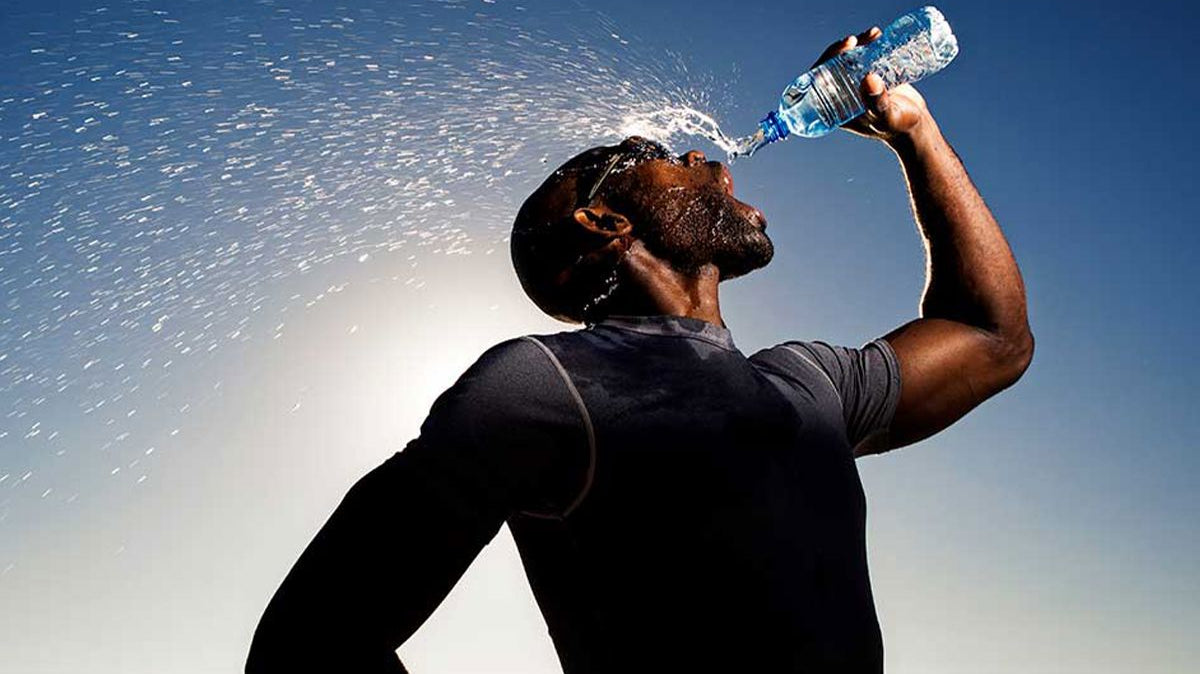
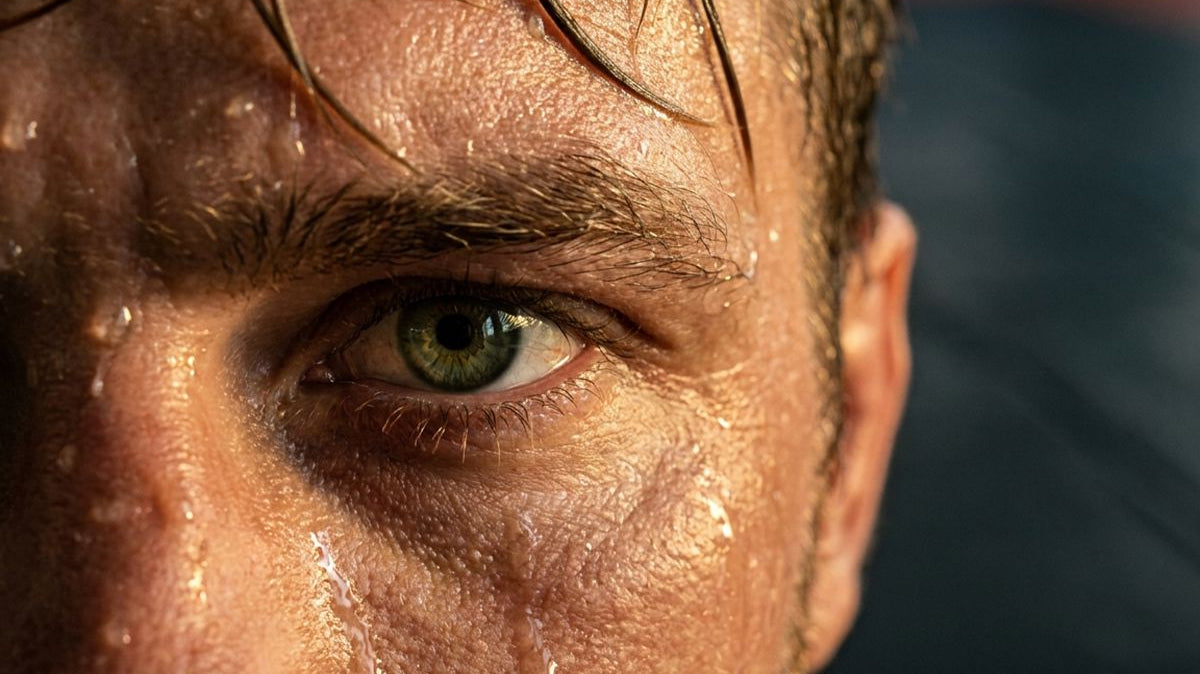
All of that becomes more intense the more you keep training, because exercise ramps up every water-dependent process in your body, and there are a lot of them. Here’s where “no sweat” isn’t a brush-off. Sweat matters. Sweat isn’t just water. It’s water + electrolytes + the physical manifestation of your suffering. During training, especially high-intensity or long-duration sessions, athletes can lose 0.5–2 liters of water per hour, depending on heat, humidity, and intensity. That’s why hydration isn’t optional; it’s a life necessity.
Combat sports are now giving hydration the attention it has long deserved. Hydration is part of weigh-ins in some organizations. Promotions like ONE Championship use hydration testing (usually urine specific gravity) to prevent dangerous water cuts. Fighters used to dehydrate themselves to near-zombie levels to make weight, then rehydrate explosively before competition. Some leagues now require athletes to be both on-weight and properly hydrated, which is a huge step toward safety. It’s also a reminder that water isn’t just a wellness trend; it’s a biological requirement that combat sports have literally had to regulate.
In a previous blog, we talked about homeostasis: your body’s quiet, relentless mission to keep everything balanced. You just read about how training disrupts that balance by sending water out at high speed. Now we shift to the recovery side: how your body brings water back in, how temperature affects absorption, and why bottles are part of that equation.

Everyone has opinions about water temperature. Some people want it brain-freezingly ice-cold; others can’t handle cold water because it makes their teeth hurt. Some people swear by warm water because it feels comforting, spa-like, or vaguely medicinal. Preferences are real, but physiology doesn’t care about vibes. Here’s what science says:
Cold water empties from the stomach faster, which means it gets absorbed into the bloodstream sooner. It also helps cool your core temperature during exertion, giving your body a tiny but meaningful edge in long or hot training sessions. Warm water isn’t harmful; it’s just slower to absorb and doesn’t help with thermal regulation. Great for comfort, not great for performance… but still better than nothing.
This is where bottles come in. Temperature is a physiological assist, not a luxury, not a whimsical ponder. Insulated bottles keep cold water cold long enough for it to matter. In hot gyms, on long runs, during summer training blocks, or in sports where sweat loss is high, temperature stability in your bottle helps your body stay ahead of dehydration instead of chasing it.
And of course, everyone has a type when it comes to water bottles. Some people want the giant, emotional-support bottle that looks like it could hydrate a small horse. Others swear by the tiny minimalist one that holds three sips. There are straw people (or make mine a sippy cup), wide-mouth people (hydration, but make it a waterfall), and the cupholder-compatibility purists who treat “does it fit?” like a moral stance. Handles or no handles. Sparkles or matte. Stainless steel or pastel plastic. Costs $12 or costs as much as a utility bill. The bottle aisle has become a personality test.
Underneath the aesthetics, there’s one thing that matters: using a refillable bottle is one of the easiest environmentally responsible choices you can make. Every refill is one less single-use bottle floating around in a landfill or pretending to be “recyclable” when it’s absolutely not living that life.

If you’ve ever stood in the water aisle and felt like you were making a major life choice, you’re not alone. Modern water marketing is basically performance art. Every bottle promises purity, power, balance, electrolytes, vibes, or spiritual awakening. Let’s break down the greatest hits.
Some brands swear their water is “alkaline,” “pH-balanced,” or “designed to neutralize acidity.” It sounds scientific, but here’s the truth: your stomach acid is pH 1–3 and will immediately override whatever water you drink. Your body regulates pH through respiration and kidney function, not through boutique water. If alkaline water makes you feel fancy, great. But physiologically? Your body doesn’t care.
Electrolytes? They do matter (sodium, potassium, magnesium), especially if you’re sweating hard, training long, or losing a lot of fluid. But many “electrolyte waters” contain amounts so small they’re basically decorative. Real electrolyte replacement happens through sports drinks, salty foods, or electrolyte mixes. Electrolyte water is fine. It’s just not magic.
“Glacier-sourced,” “mountain-filtered,” “ancient aquifer,” “snowmelt from a place you’ll never visit.” It’s all branding. Water doesn’t remember where it came from. Your kidneys don’t care if it was blessed by monks or dripped off a rock in Iceland. Clean, safe water is clean, safe water, whether it’s from a glacier or your tap.
“Pure,” “Vapor-Distilled,” “Triple-Filtered,” “Ionized”: these terms sound impressive, but they mostly describe different ways of removing minerals. Distilled water is extremely pure but also boring. And here’s the part the marketing doesn’t mention: drinking distilled water regularly isn’t ideal. Minerals have been removed from distilled water. A lack of minerals can create mild osmotic shifts in the GI tract and actually dilute your body’s electrolytes if consumed in large amounts. Your body prefers water with minerals because it tastes better, absorbs more comfortably, and supports its natural electrolyte balance.
Now that we’ve sorted out the science from the spectacle (the pH theater, the glacier fantasies, the electrolyte cameos), we can zoom out. The real story isn’t about labels or lore. It’s about what all of this means for humans trying to stay hydrated in the real world, with real bodies, real training demands, and real preferences. So, how do we think about hydration in a way that’s simple, sustainable, and useful?

Hydration isn’t complicated. Your body loses water, your body needs water, and training makes that balance harder to maintain. Bottles help you drink more and keep your water at the temperature you actually enjoy. Marketing tries to make hydration feel like a personality trait, but the physiology is simple: drink enough, drink consistently, and choose water that supports your training but doesn’t define you.
Drink water. Support homeostasis. Keep your coach less annoying. Everything else is optional fluff.
Gear That Keeps Up When You Sweat:
- BJJ Rash Guards: Built for hot gyms and long rounds, they wick sweat so you stay focused on the roll.
- Shorts & Spats: Lightweight, flexible, and made for sessions where the sweat never stops.
- Hyperlyte BJJ Gi: The standard for lightweight gis. Less weight and less heat, for the training blocks that test your hydration.
- ProComp Duffel Bag: Room for your gi, your gear, and that emotional-support bottle.
- FlyGirl Collection: Training gear for women who sweat hard and train harder.