Competing in your first IBJJF tournament is one of the most exciting and nerve-wracking things you can do as a BJJ practitioner. The atmosphere is unlike anything you experience in the gym; the competition is serious, and the organization runs on a set of rules and procedures that can feel overwhelming if you've never been through it before. Knowing what to expect before you show up makes the whole experience significantly less stressful and lets you focus on what actually matters: your performance on the mat.
Here's a complete breakdown of what competing at an IBJJF event actually looks like.
What IBJJF Is and Why It Matters
The International Brazilian Jiu-Jitsu Federation is the largest and most prestigious governing body in competitive BJJ. Their tournaments, including the World Championship, the Pan American Championship, the European Championship, and dozens of regional opens throughout the year, attract competitors from beginner to elite across every age group and belt level. Placing well at an IBJJF event carries real weight in the BJJ community, and the format and ruleset they use have become the closest thing the sport has to a universal standard.
Even if you have no aspirations of becoming a world champion, competing in an IBJJF event is a valuable experience. The organization, the level of competition, and the environment will push you in ways that local in-house tournaments simply don't.
Registration and Weight Classes
IBJJF events require advance registration through their website, and registration typically closes well before the event date. You'll select your division based on belt rank, age bracket, and weight class. The weight classes are specific and strictly enforced, so knowing your exact competition weight well in advance is important.
IBJJF weigh-ins are official and there is no tolerance for being over your registered weight class. You'll be weighed in your gi, which typically adds around one to two kilograms depending on the gi. Factor that into your weight management plan. Many competitors register for a weight class they can comfortably make with their gi on, rather than cutting aggressively and compromising their energy levels on competition day.
IBJJF Membership
One detail that catches many first-time competitors off guard is that IBJJF requires an active membership to compete in their events. You'll need to register as a member on their website and have your membership approved before you can enter a tournament. This is a separate step from event registration, so make sure you take care of it well in advance. Membership approval can sometimes take a few days.
Gi Requirements
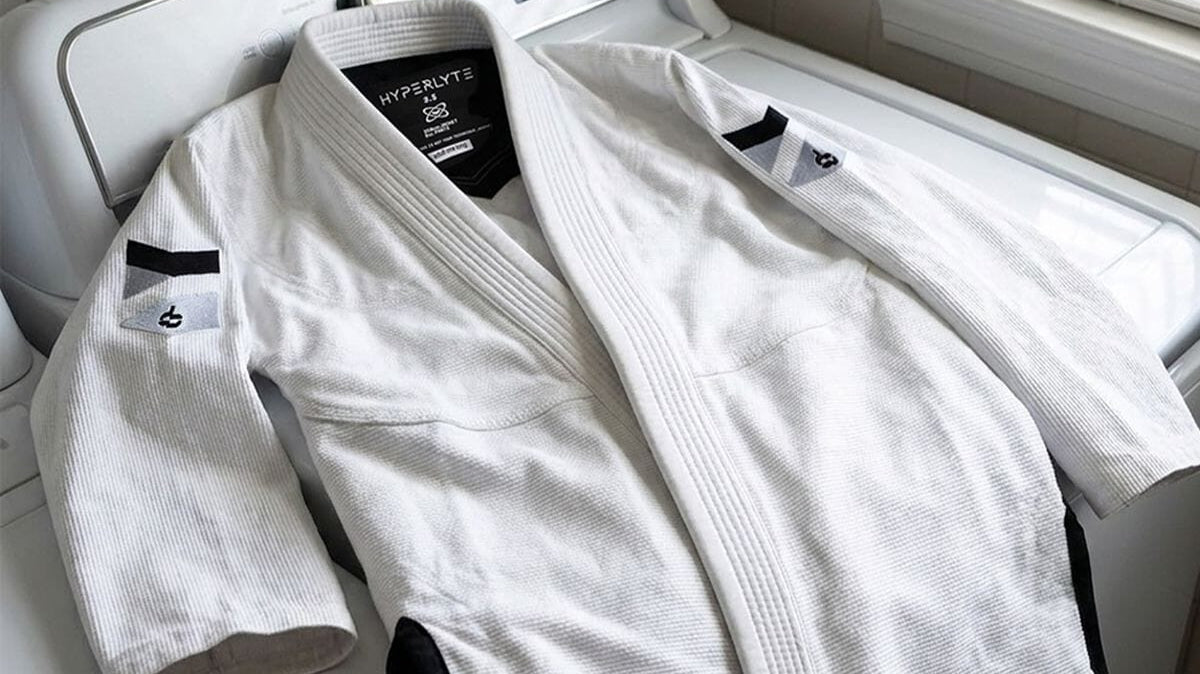
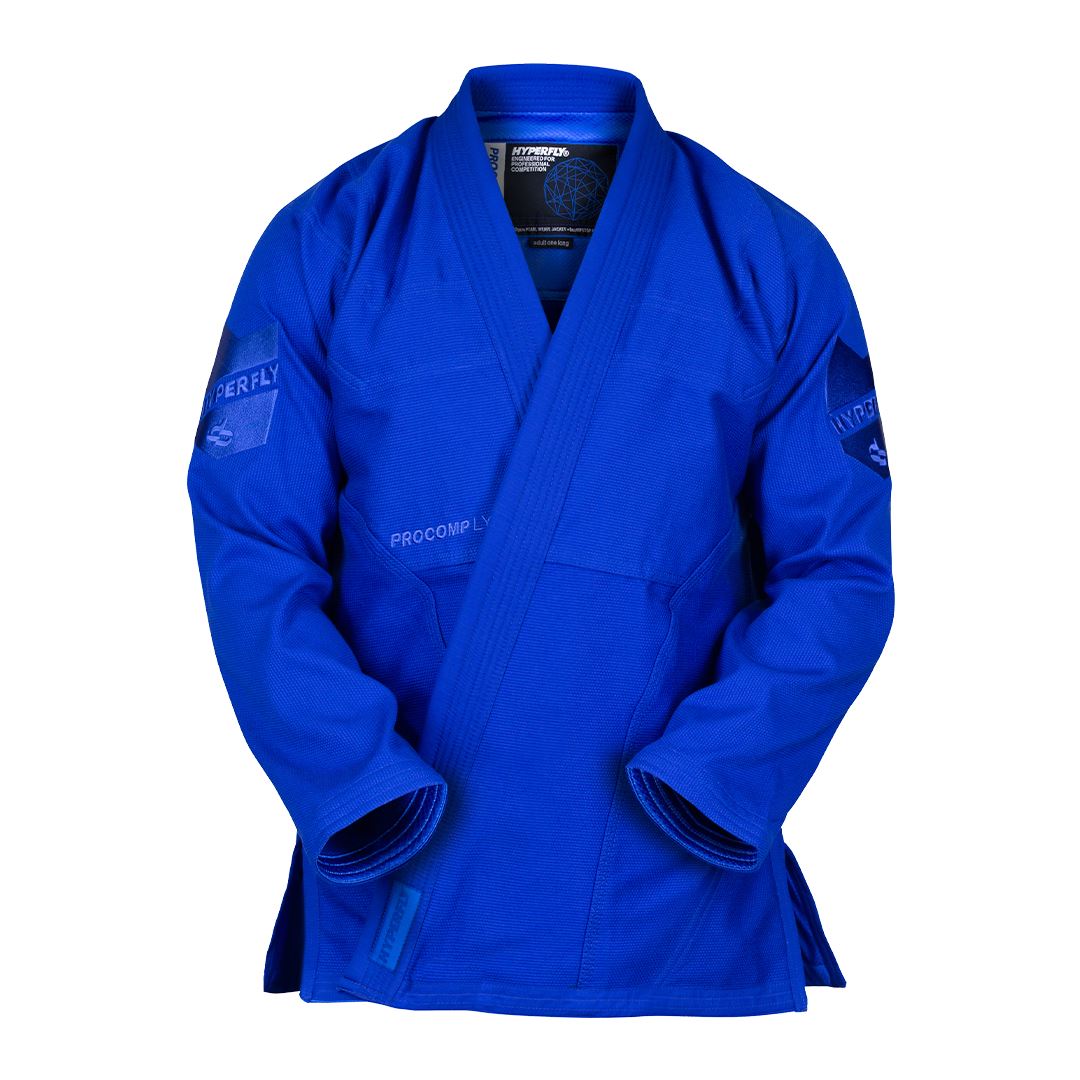
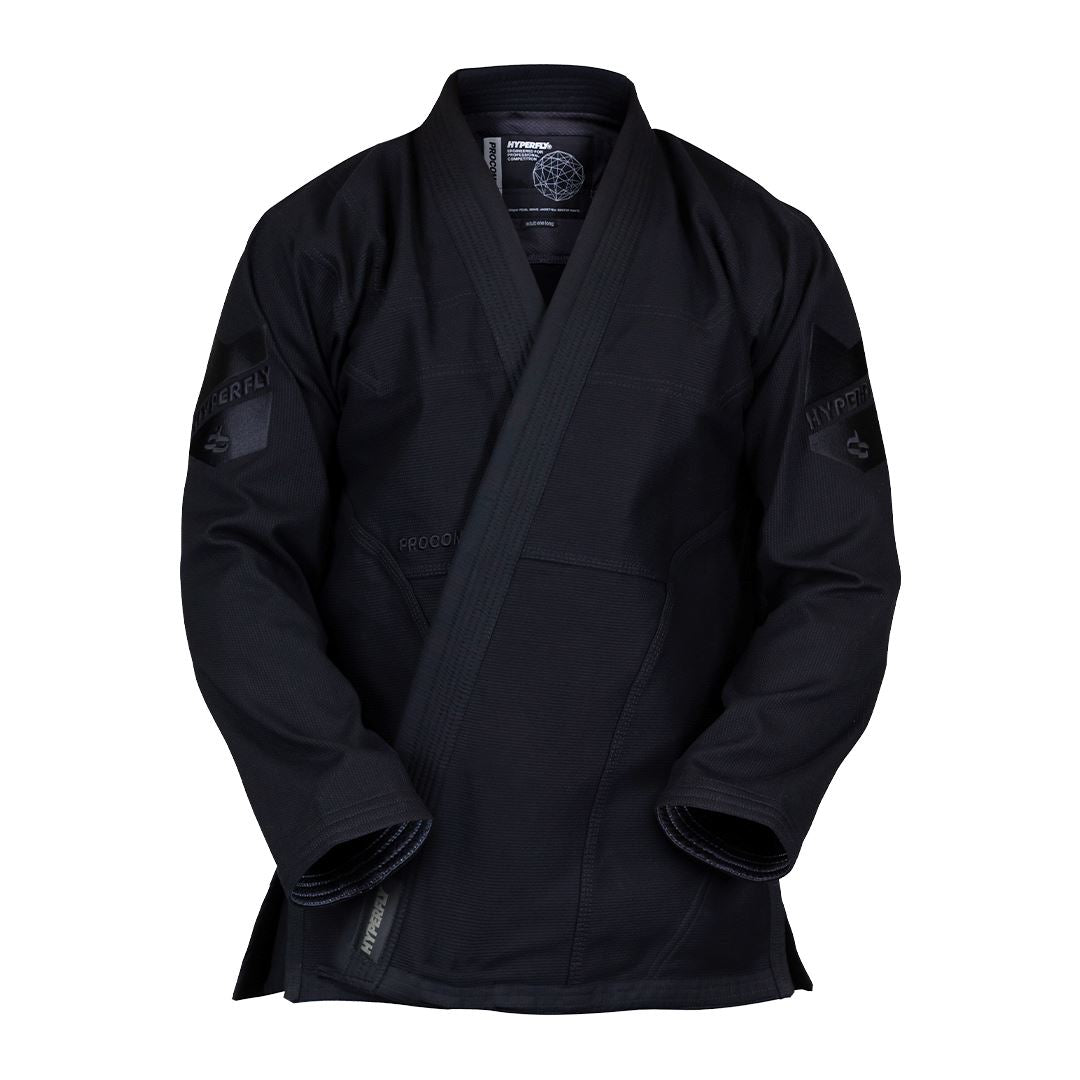
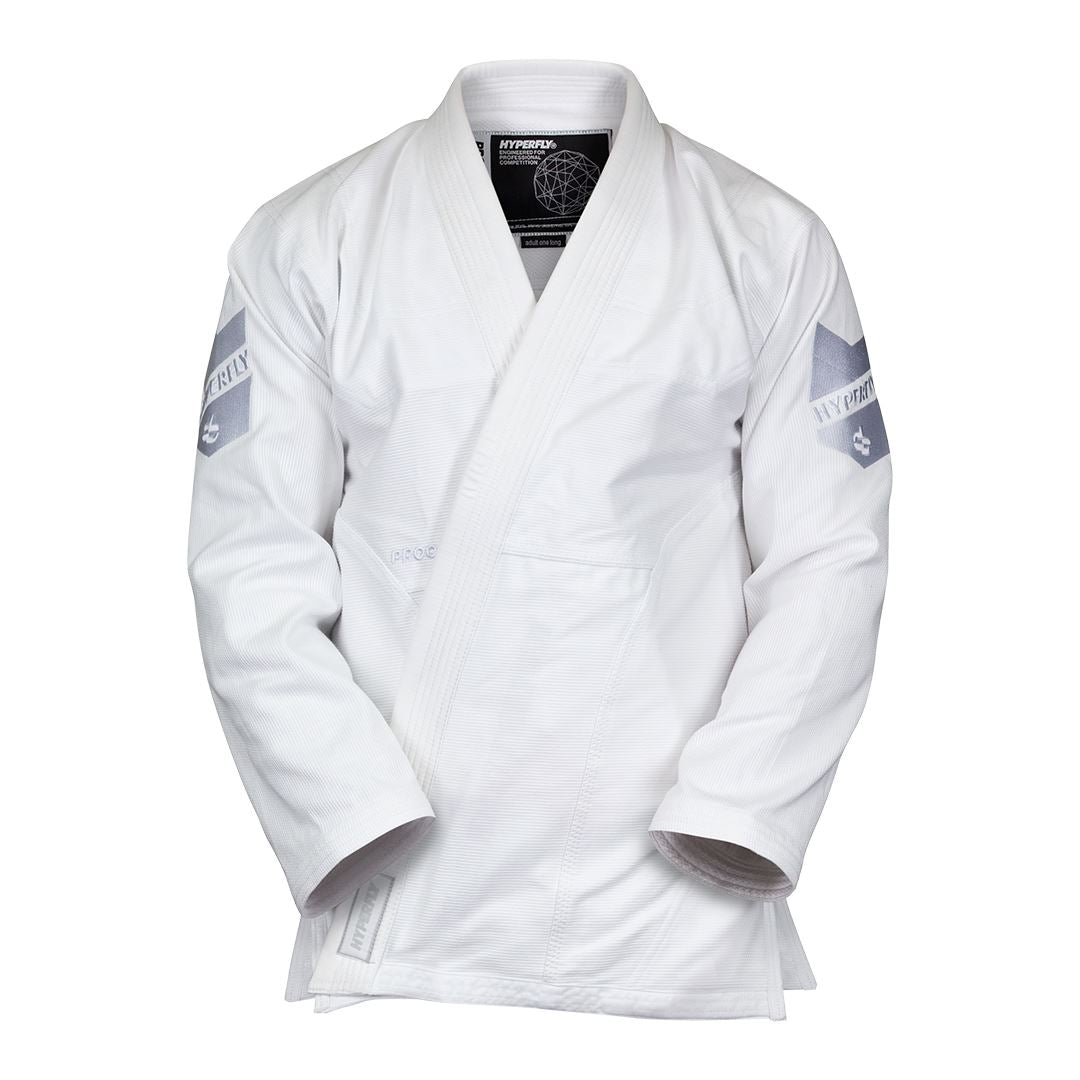
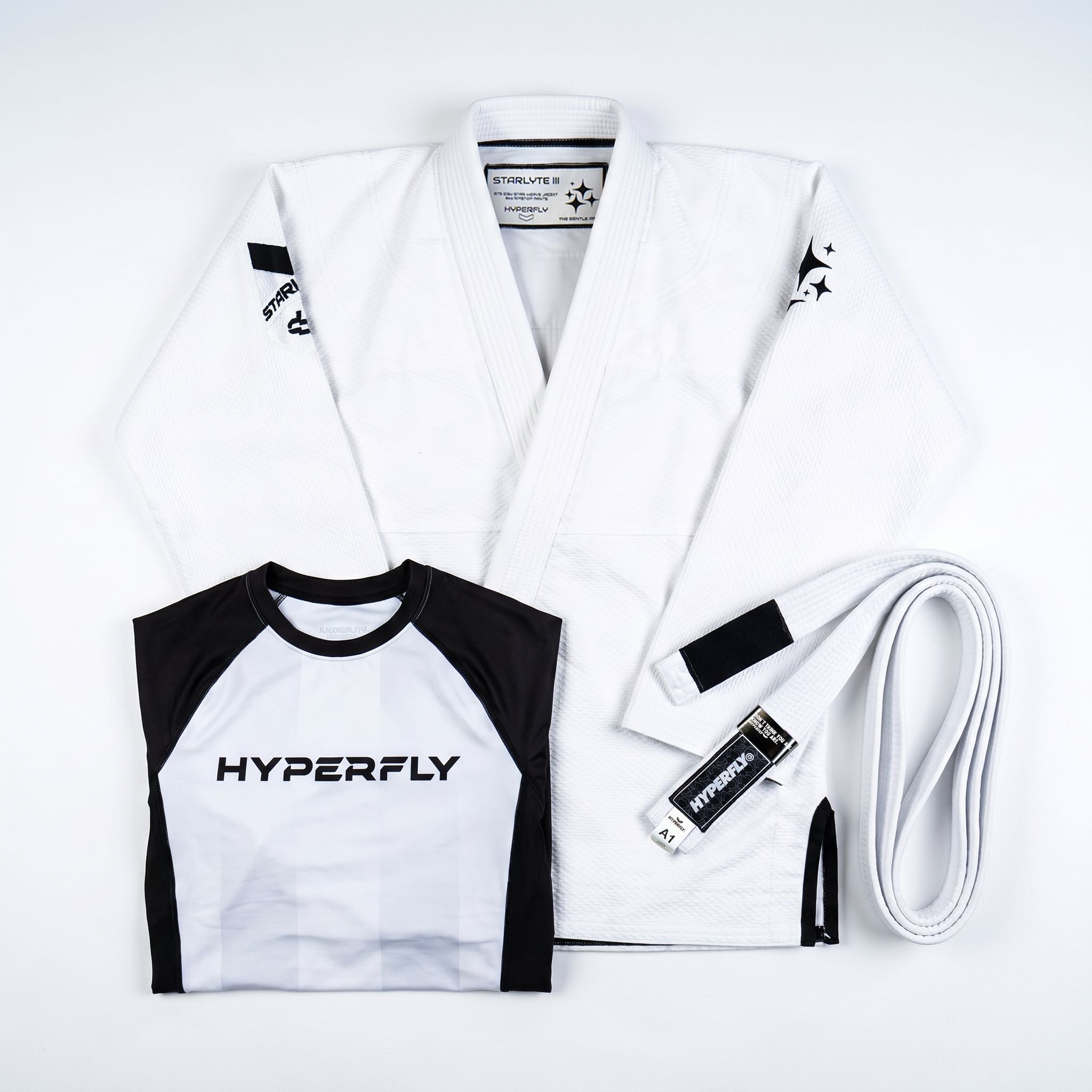
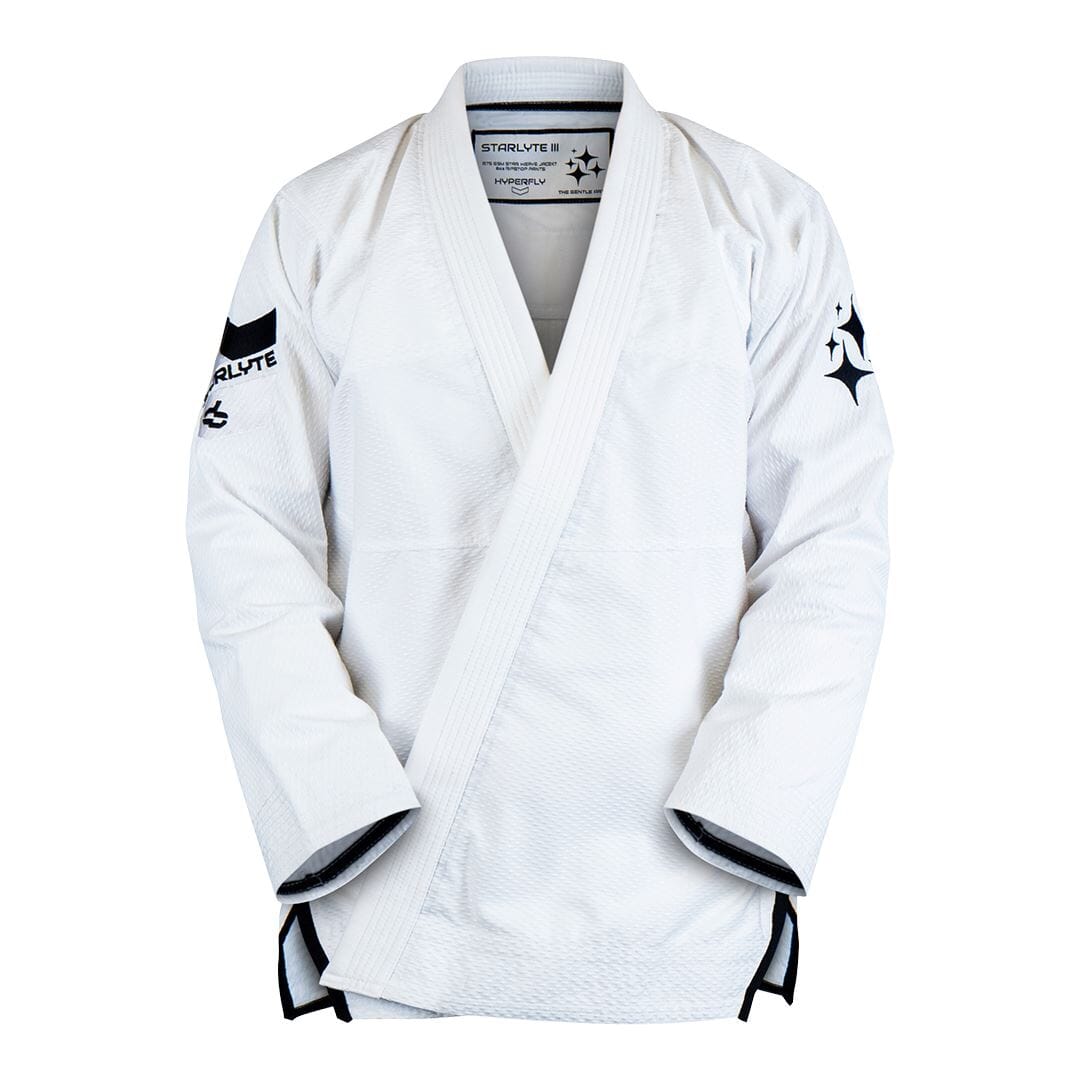
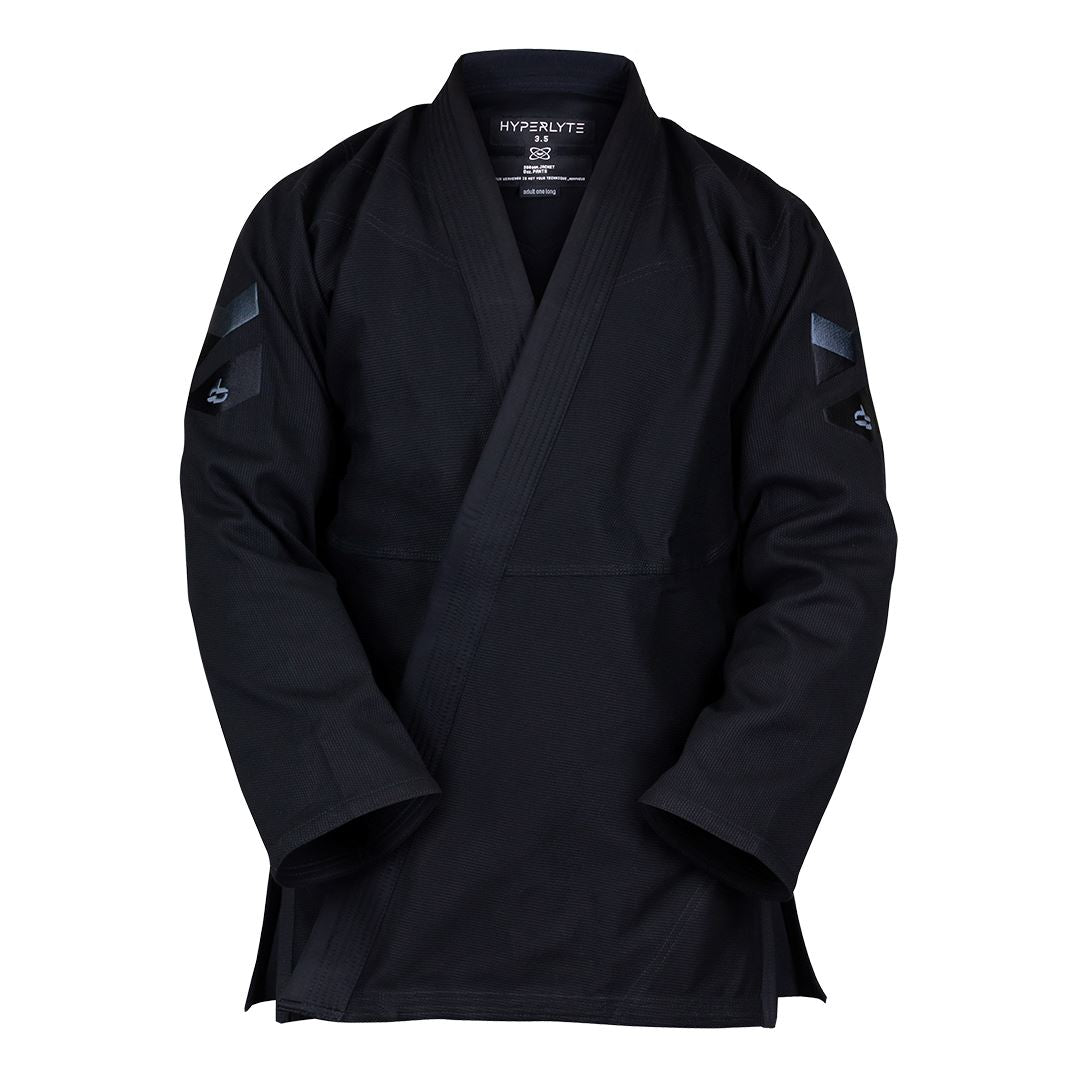
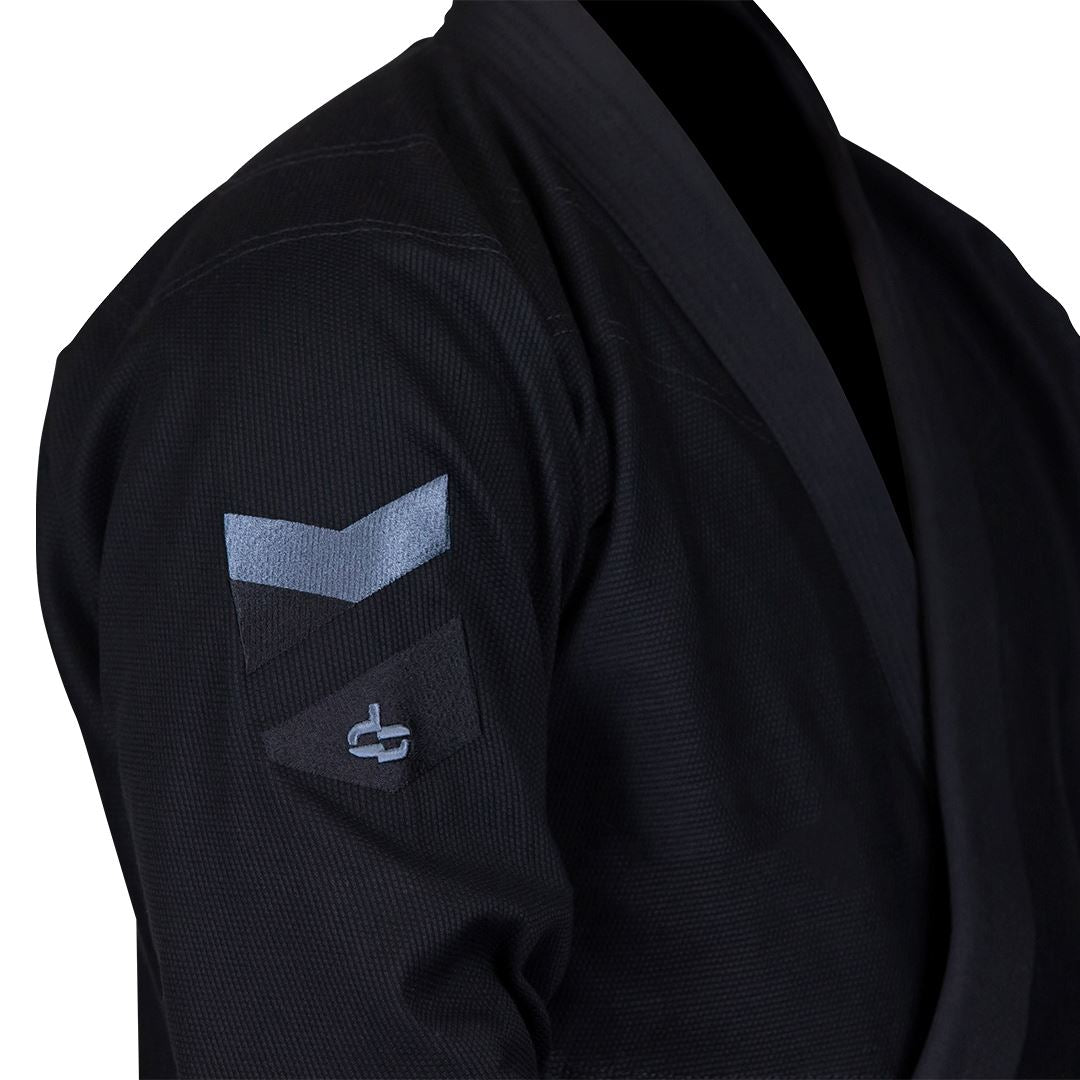
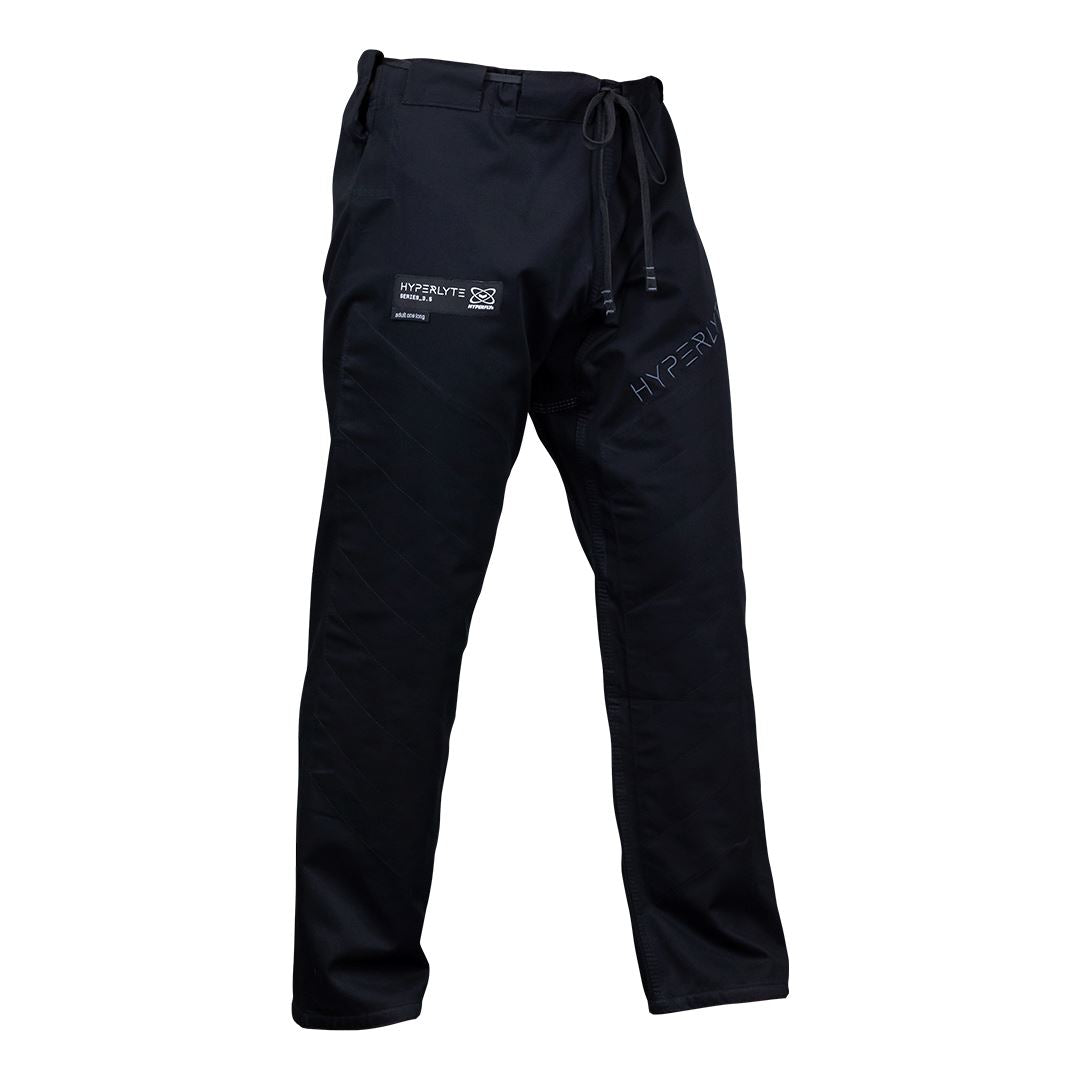
IBJJF has strict rules about what gi you can compete in. The gi must be white, royal blue, or black. It must fit within specific measurements for sleeve and pant length. The fabric cannot be excessively thick or stiff. Any patches or embroidery must meet size and placement guidelines.
Before competition day, lay your gi out and inspect it carefully. If your gi is old, shrunken, or oversized, it may not pass inspection. Showing up with a non-compliant gi means you cannot compete, so this is worth taking seriously. Hyperfly gis are built to IBJJF standards, which is one less thing to worry about on the day.
The Day Before the Tournament
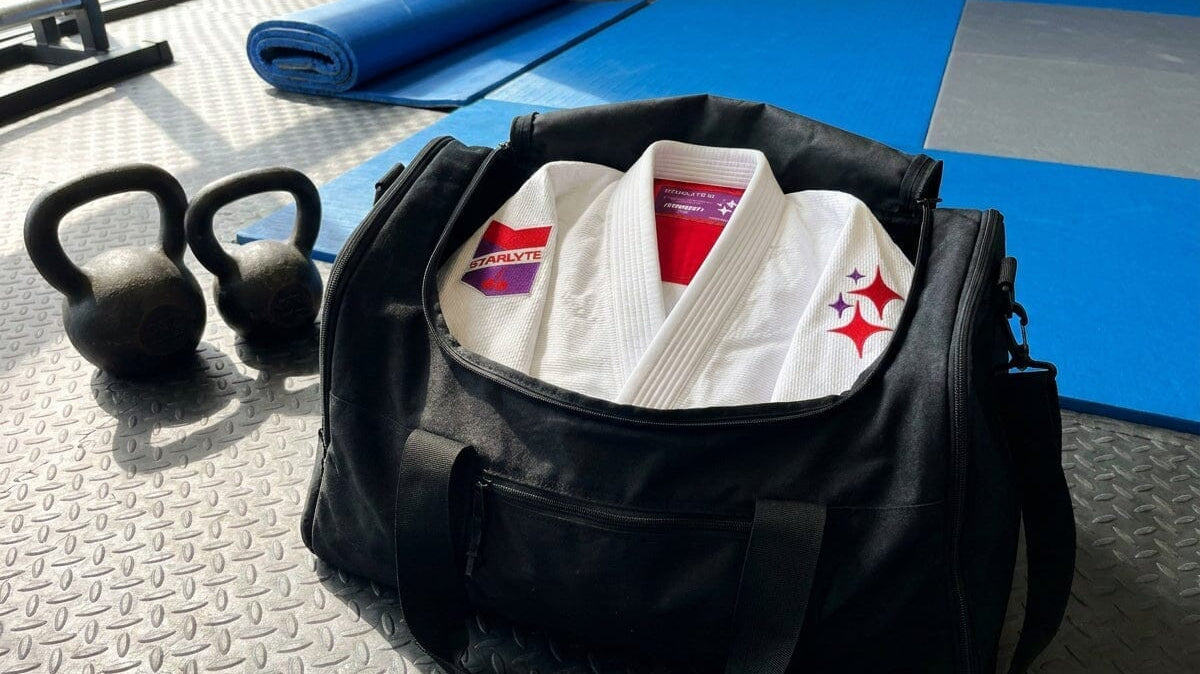
Get your gear packed the night before. Lay everything out so you're not scrambling in the morning. Here's what you'll need:
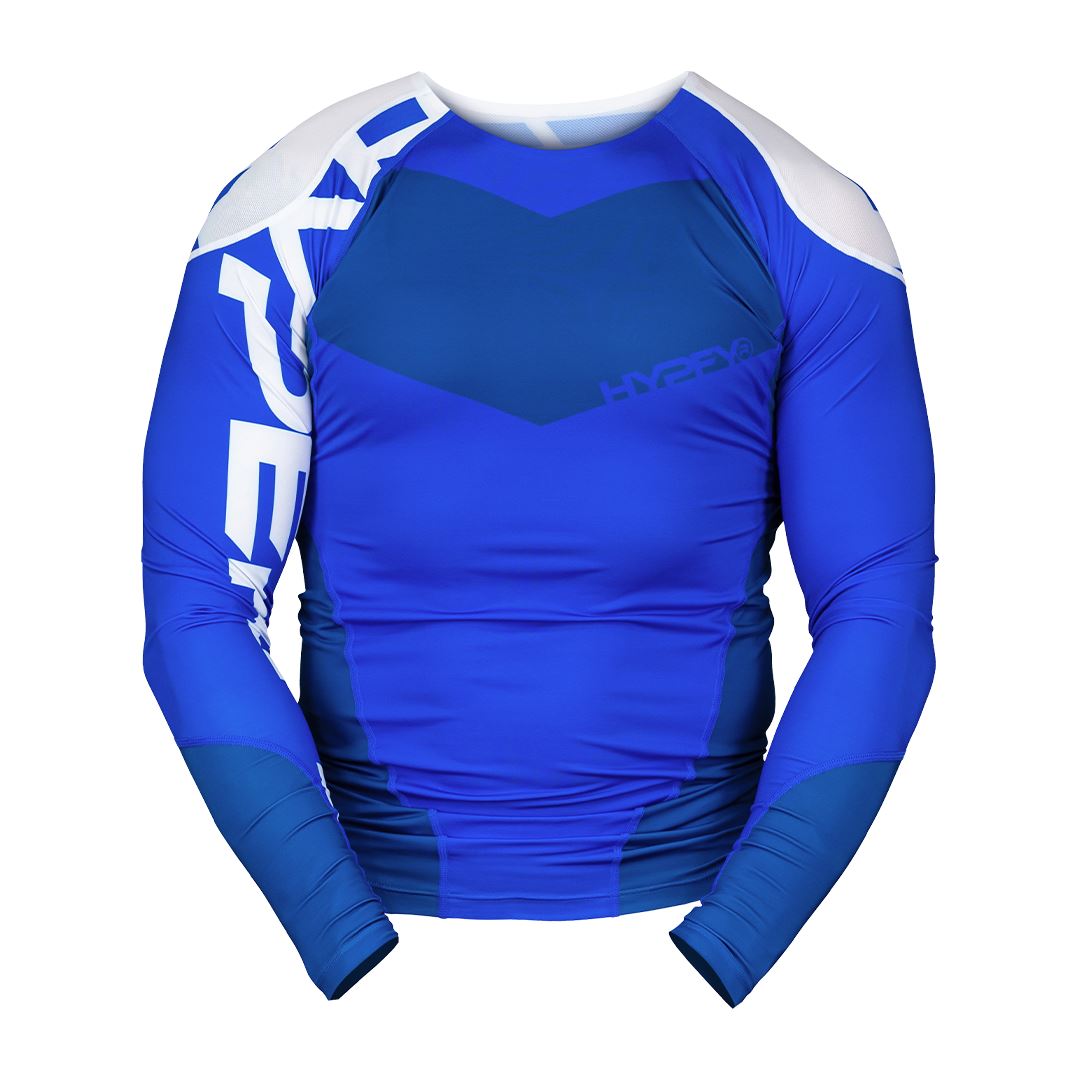
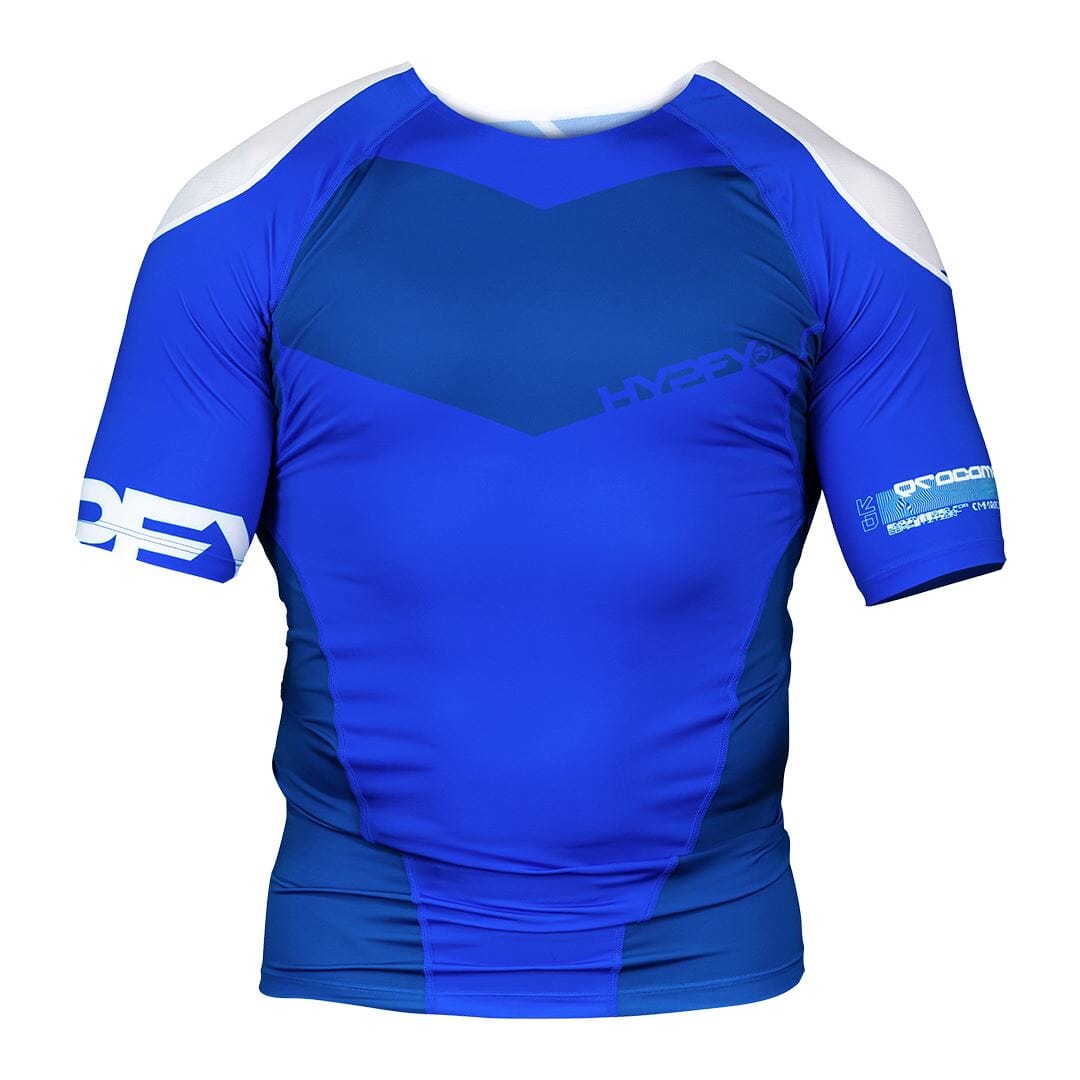
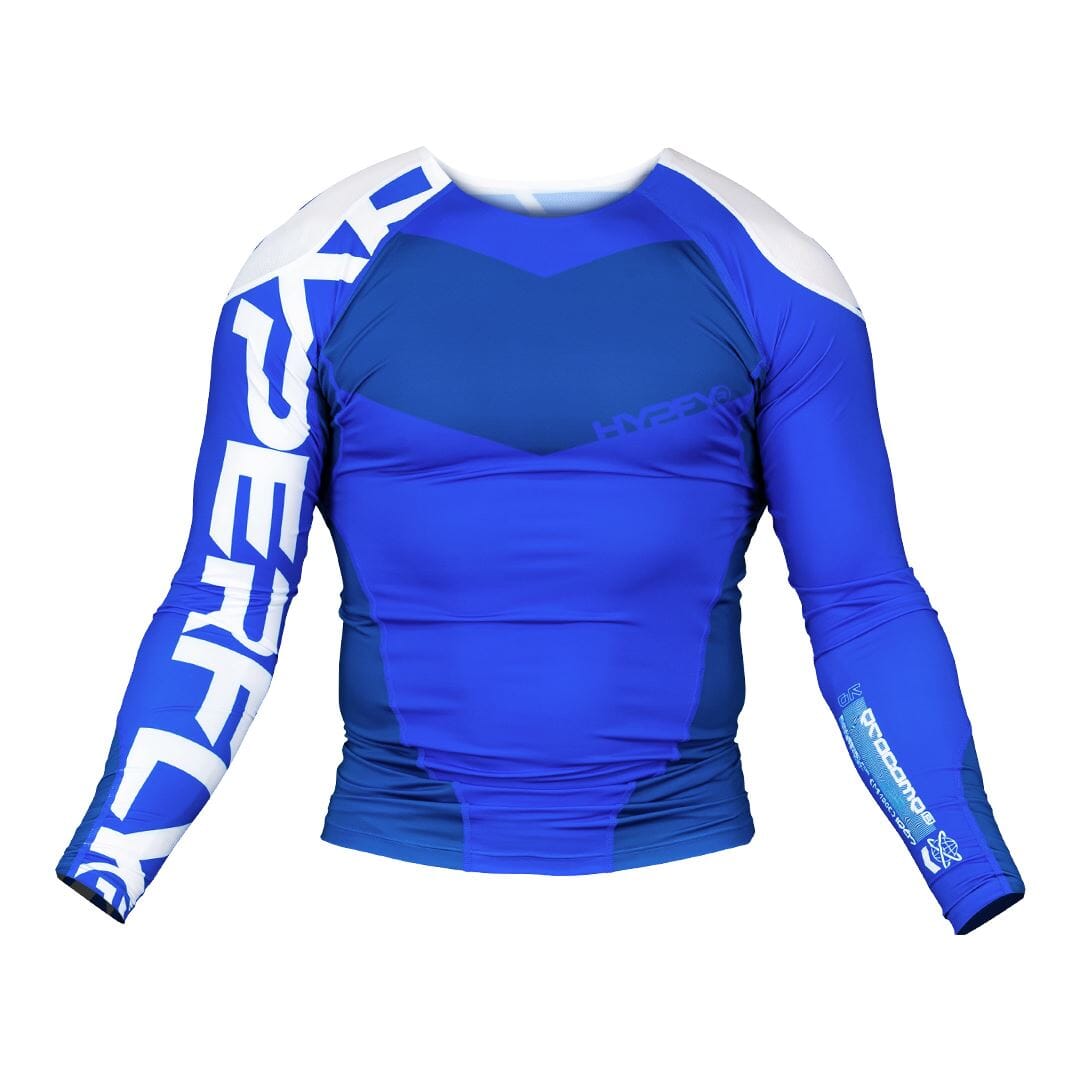
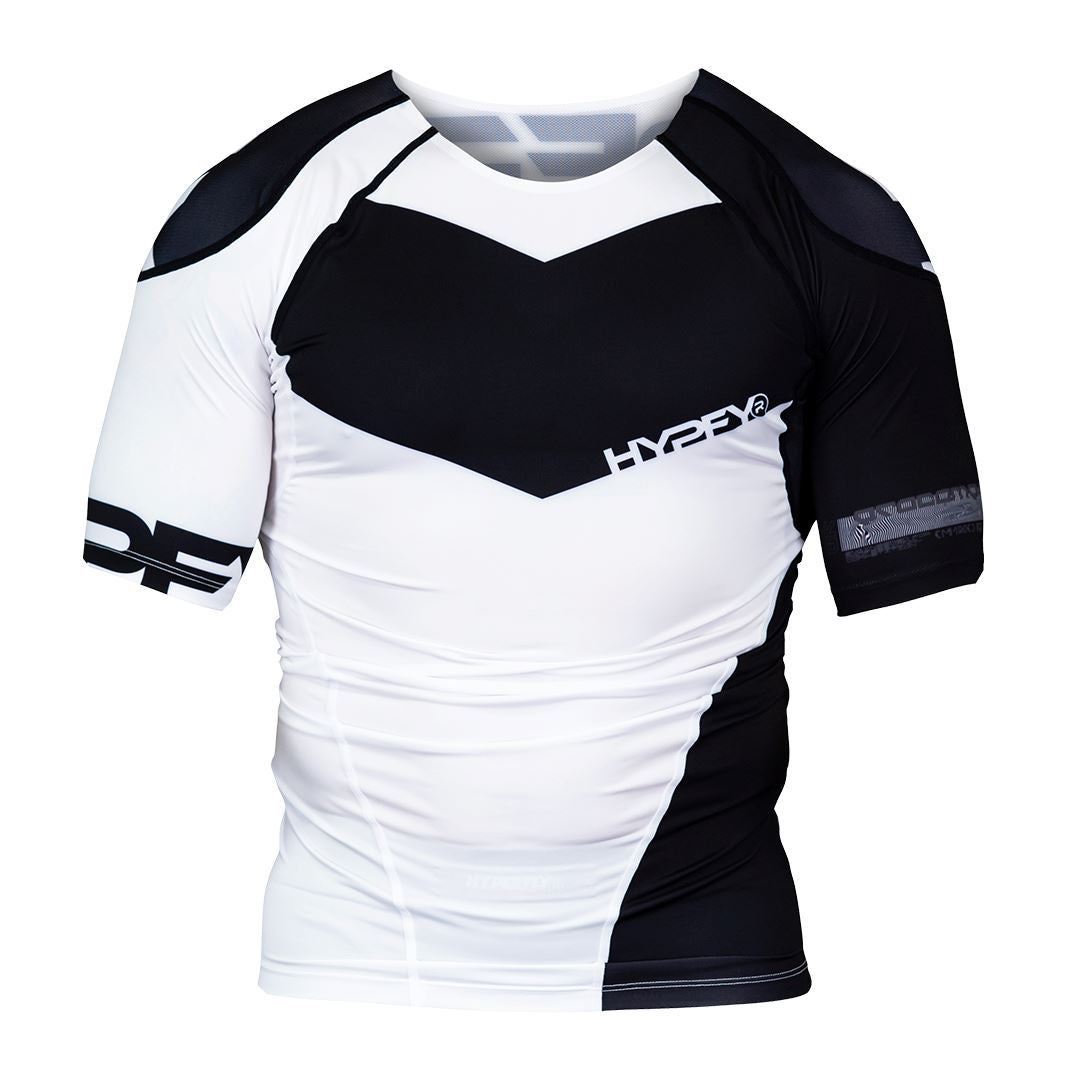
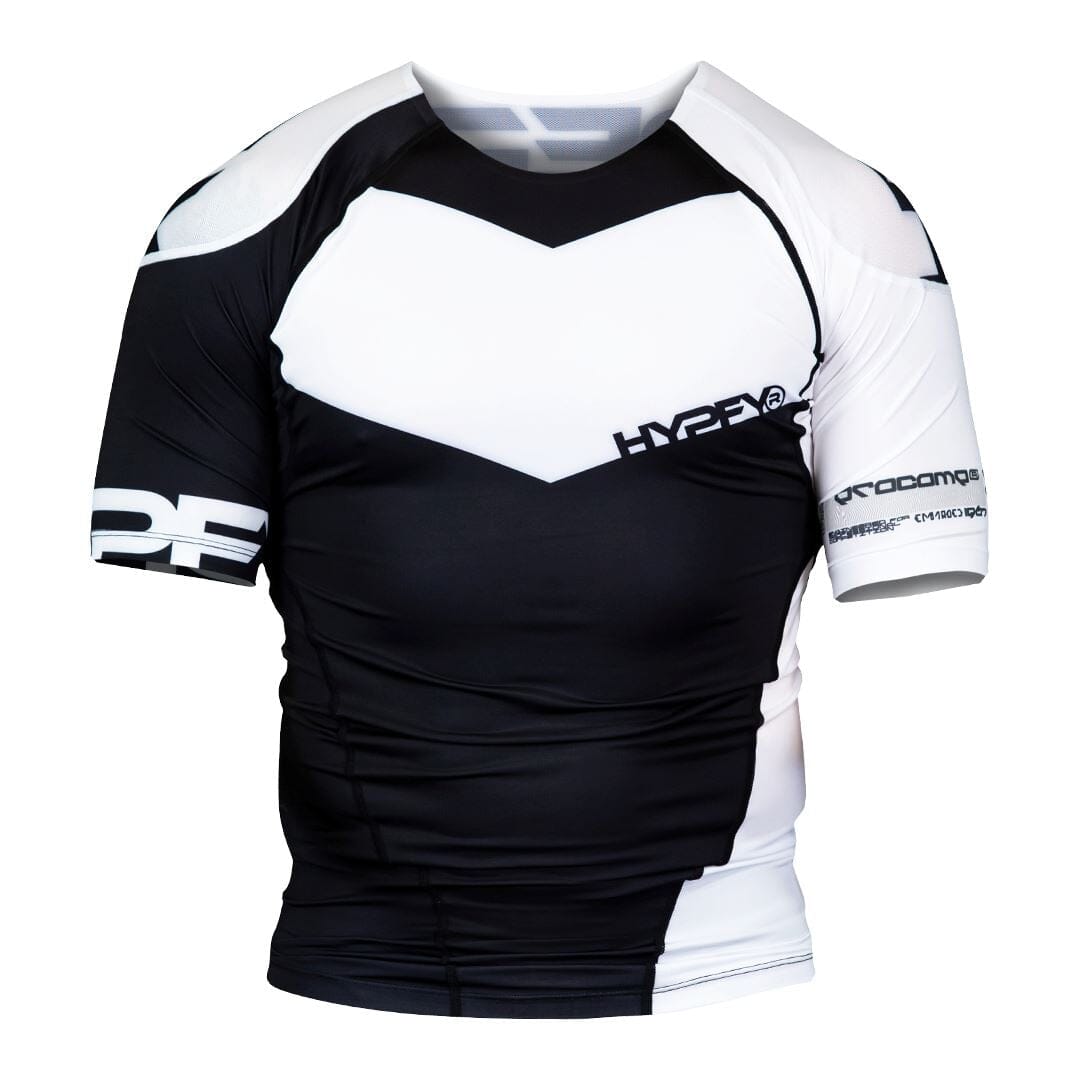
Your competition gi, clean and dry. A rash guard and spats or compression shorts to wear underneath. Sandals or flip flops to wear between matches since you should never walk barefoot outside the competition area. Your IBJJF membership confirmation and any required identification. Water and food for the day since competition venues can be long and unpredictable. A foam roller or resistance bands for warming up. A change of clothes for after competing. Cash or a card since most venues have food vendors but lines can be long.
Get to sleep at a reasonable hour. The combination of pre-competition nerves and an early start time makes rest more important than any last-minute drilling session.
Arriving at the Venue
IBJJF tournaments are large, organized events. Major opens can have hundreds or even thousands of competitors across multiple mats running simultaneously. When you arrive, you'll go through check-in and gi inspection. Officials will measure your gi sleeves and pants, check the color, and verify that everything meets the requirements. This happens before you're cleared to compete.
After check-in, find your bracket posted on the board or check the IBJJF app, which is the most reliable way to track your division schedule. Divisions don't always run exactly on time, so keep checking throughout the day and stay within earshot of your mat area.
How the Bracket Works
IBJJF uses a bracket format with a mix of single elimination and a separate bracket for bronze medal matches, depending on the number of competitors in your division. If your division has fewer than a certain number of athletes, the format may adjust. Your coach can help you understand the specific bracket structure once you see the draw.
Divisions are called to their mat when it's time to compete. When your division is called, you'll move to the staging area near your assigned mat. From there you'll be called up for your individual matches. Pay attention because missing your match means automatic disqualification.
Scoring and Rules
Understanding the IBJJF point system before you compete is essential. The scoring works as follows:
A takedown scores two points. A sweep from guard scores two points. A knee on belly position scores two points. Passing the guard scores three points. Taking the back or achieving mount scores four points each.
Advantages are awarded for near-scoring actions and serve as a tiebreaker when the score is level at the end of regulation. Matches are won by submission, by points at the end of regulation time, by advantages if the score is tied, or by referee decision in the case of a tie on both points and advantages.
Match time varies by belt and age division. Adult white belt matches are typically five minutes. Higher belts run longer, with black belt adult matches going ten minutes.
Certain submissions are illegal depending on belt level. Heel hooks and reaping the knee are prohibited for lower belt divisions. Slamming is not permitted. Pulling guard immediately without attempting a takedown can result in a stalling call in certain situations. Review the current IBJJF rulebook before your event because rules do get updated periodically.
What Competing Actually Feels Like
No amount of preparation fully prepares you for the adrenaline of standing across from a stranger on the competition mat. Your heart will be pounding. Your mouth will be dry. Techniques you've drilled hundreds of times may feel distant in the moment.
This is completely normal and it happens to nearly everyone, including experienced competitors. The best thing you can do is focus on your breathing before the match starts. A few slow, deliberate exhales will do more to calm your nervous system than any pep talk.
Stick to your game plan. Trust what you've trained. The competitors who perform best under pressure are usually the ones who've accepted that it will feel uncomfortable and have decided to move forward anyway.
Between Matches
If you win your first match and have more matches to come, recovery becomes your immediate priority. Rehydrate, get some calories in if your stomach allows it, and keep your body warm and loose. Avoid sitting still for long periods between matches. Light movement, a short warm-up, and mental focus on the next opponent will serve you better than collapsing in a corner.
Watch your potential future opponents if you get the chance. You may pick up something useful about their tendencies or preferred positions.
If You Lose
Losing at your first IBJJF tournament is far more common than winning, and it's also one of the most educational experiences the sport can give you. The gap between gym performance and competition performance is real, and understanding that gap is what makes competitors better over time.
Don't leave immediately after losing. Stay, watch the rest of the division, cheer on your teammates, and absorb the environment. Talk to your coach about what happened while it's fresh. The lessons from a tough loss, processed honestly, are worth more than a comfortable win.
What to Take Away From the Experience
Your first IBJJF tournament will teach you things about your BJJ that months of regular training won't. You'll discover how you respond to pressure. You'll find out which techniques hold up when the stakes are real and which ones need more work. You'll come home with a clearer picture of your game than you had when you left.
Most competitors come back from their first IBJJF event hungry for more, win or lose. The atmosphere, the community, and the intensity of real competition have a way of clarifying exactly why you train.
Show up prepared, stay focused, and enjoy it. There's nothing else quite like it in the sport.