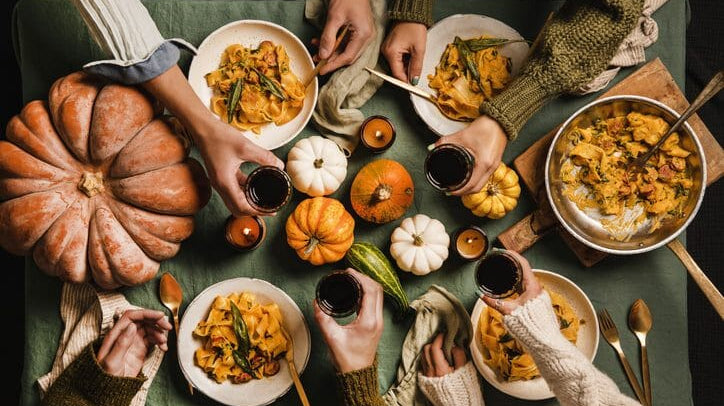
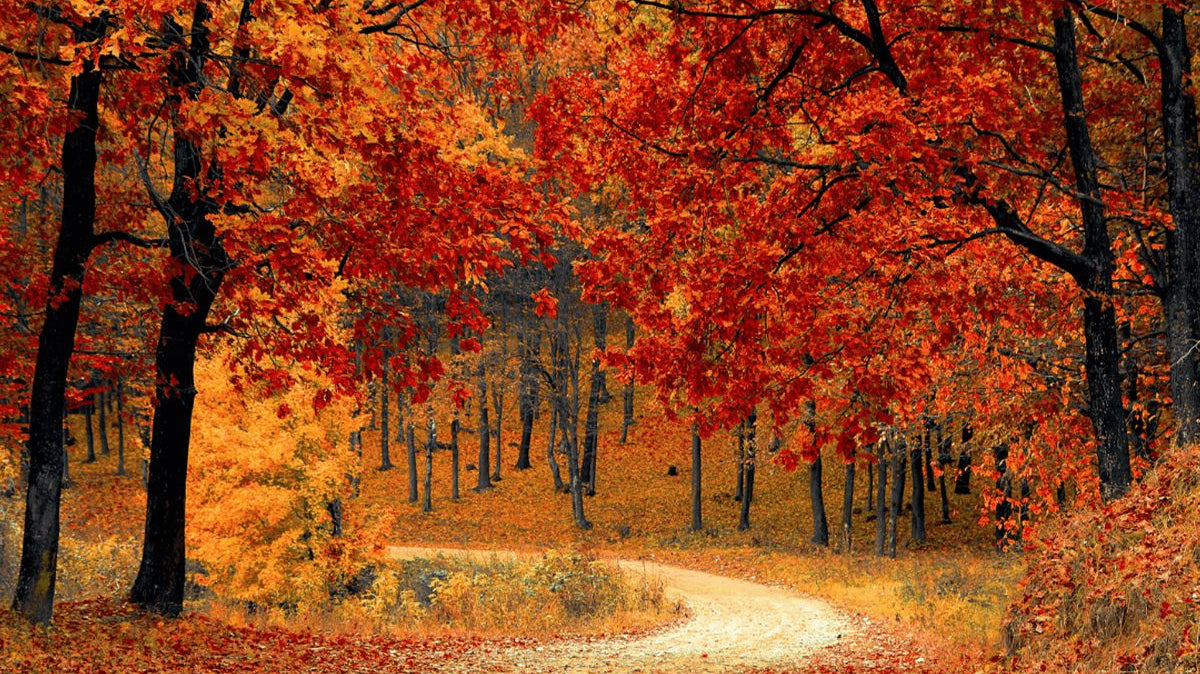
The leaves start changing, temperatures drop, and suddenly we aren’t craving watermelon and cold brew. Instead, we're reaching for roasted squash, apples, cinnamon, soups, and stews. Pumpkin spice, it seems, can be found in all things edible, drinkable, and even wearable! Is this a seasonal coincidence, or is more happening behind the scenes? The foods we crave in fall are influenced by biology, memory, culture, and a brain that constantly looks for comfort as the world around us changes.
Your brain loves seasonal cues. We are remarkably good at connecting experiences to sights, smells, and tastes. As daylight decreases and the air cools, our brains begin linking these environmental changes to familiar seasonal experiences. The smell of cinnamon isn't just cinnamon. It's holiday gatherings, favorite recipes, family traditions, and years of accumulated memories packed into a single scent.
Unlike other senses, scent has a direct line to brain regions involved in memory and emotion. That's why the aroma of apple pie, mulled cider, or peppermint can transport you to a childhood kitchen faster than sights or sounds. One whiff and your brain starts flipping through the photo albums of memory you didn't know were still on the shelf.

Why Comfort Foods are Comforting
Fall shifts how we think about food. During summer, lighter foods feel refreshing and satisfying. But as temperatures begin to drop, our brains become more interested in foods that feel warm, hearty, and comforting. Historically, this made perfect sense. For much of human history, colder months meant fewer fresh foods and a greater need for calorie-dense meals. While most of us aren't preparing to survive a harsh winter, our brains still associate soups, stews, roasted vegetables, and fresh-baked breads with comfort and security during a season of change.
Despite what coffee shop advertising might suggest, Fall flavors extend beyond pumpkin spice. Many of the spices we associate with autumn, including cinnamon, nutmeg, cloves, ginger, and allspice, were once valuable imports that appeared during celebrations and special occasions. Over time, these flavors became connected with abundance, hospitality, and gathering around a table with people we cared about. Fall produce tells a similar story. Squash, sweet potatoes, pumpkins, pears, apples, and root vegetables arrive during harvest season. Their rich, earthy flavors signal that summer is ending and something new has arrived. Even if we never think about it consciously, our brains notice those seasonal patterns.
Many of the spices that define Fall flavors contribute more than aroma and taste. Cinnamon, ginger, cloves, and nutmeg have a long history in traditional cooking and have been studied for a variety of effects on satiety, blood sugar regulation, and digestion. Scientists are still sorting out exactly how meaningful those effects are in everyday life, but it's safe to say these spices may bring more to the table than flavor alone. They aren't magic metabolism boosters, but they might be more than decorations for a latte.
The Secret Ingredient Is Nostalgia
One of the strongest ingredients in a Fall recipe isn't listed on the nutrition label: nostalgia. Nostalgia has an interesting effect on the brain. Seasonal foods act like edible memory triggers. Maybe it's your grandmother's pumpkin bread, your dad's chili recipe, or the cider served at a community festival. We're not craving the food. We're craving the experience attached to it. The bowl of soup that contains vegetables, broth, and spices strengthens feelings of comfort, connection, and emotional well-being and comes with a side of memories.

Fearing the Fall 15?
Somewhere along the way, seasonal comfort foods got lumped into the category of "cheat meals" and "diet derailments." But many classic Fall foods are surprisingly athlete-friendly and need not lead to gaining the Fall Fifteen. Squash, sweet potatoes, apples, pears, and other harvest-season staples are packed with complex carbohydrates, fiber, vitamins, and minerals that support energy, recovery, and overall health. Even the Fall spices contribute more than taste. Cinnamon, ginger, and cloves add warmth and complexity without adding significant calories.
The real issue usually isn't the spices. It's what we pair them with. A bowl of roasted butternut squash soup, baked apples, or a sweet potato side dish fits easily into a training-focused diet. An entire tray of frosted pumpkin bars is a slightly different game plan.
For BJJ athletes, the goal isn't to avoid seasonal foods. It's to enjoy them intentionally. Food is fuel, but it's also culture, connection, and recovery. Sharing a bowl of chili after open mat or enjoying a favorite family recipe at a holiday gathering isn't a setback. In many ways, it's part of the lifestyle that makes training sustainable.
Closing Thoughts
Fall flavors aren't popular because marketers invented pumpkin spice. They're popular because they tap into something much older. Seasonal foods connect us to harvest traditions, family memories, cultural celebrations, and the powerful relationship between scent, taste, and emotion.
So if you've suddenly developed an inexplicable craving for roasted squash, apple cider, cinnamon muffins, or a warm bowl of soup, don't worry. Your brain is simply doing what it has always done: searching for comfort, warmth, and connection as the seasons change.
The trick isn't fighting those instincts. It's embracing the season in a way that supports both your well-being and your training. Because the best nutrition plan isn't the one that eliminates all your favorite foods. It's the one you can enjoy long after the leaves have fallen.
It's Not Just Pumpkin Spice
Despite what coffee shop advertising might suggest, fall flavors extend far beyond pumpkin spice.
Many of the spices we associate with autumn, including cinnamon, nutmeg, cloves, ginger, and allspice, were once valuable imports that appeared primarily during celebrations and special occasions. Over time, these flavors became connected with abundance, hospitality, and gathering around a table with people we cared about.
Fall produce tells a similar story. Squash, sweet potatoes, pumpkins, pears, apples, and root vegetables arrive during harvest season. Their rich, earthy flavors signal that summer is ending and something new has arrived. Even if we never think about it consciously, our brains notice those seasonal patterns.
The Secret Ingredient Is Nostalgia
One of the strongest ingredients in any fall recipe isn't listed on the nutrition label: nostalgia.
Seasonal foods often act like edible memory triggers. Maybe it's your grandmother's pumpkin bread, your dad's chili recipe, or the cider served at an annual community festival. The food itself matters, but the memories attached to it matter even more.
Nostalgia has an interesting effect on the brain. It often strengthens feelings of comfort, connection, and emotional well-being. In many cases, we're not just craving the taste of the food. We're craving the experience that comes with it.
That bowl of soup may contain vegetables, broth, and spices, but it also comes with a side of memories.

Athletes and Fall Foods
Somewhere along the way, seasonal comfort foods got lumped into the same category as "cheat meals" and "diet derailments." But many classic fall foods are surprisingly athlete-friendly and need not lead to the cursed Fall Fifteen.
Squash, sweet potatoes, apples, pears, and other harvest-season staples are packed with carbohydrates, fiber, vitamins, and minerals that support energy, recovery, and overall health. Even many of the spices that define fall flavors contribute more than taste. Cinnamon, ginger, and cloves add warmth and complexity without adding significant calories. The real issue usually isn't the spices. It's what we pair them with.
A bowl of roasted butternut squash soup, baked apples, or a sweet potato side dish fits easily into a training-focused diet. An entire tray of frosted pumpkin bars is a slightly different game plan as is slathering the sweet potato with butter and marshmallows.
For BJJ athletes, the goal isn't to avoid seasonal foods. It's to enjoy them intentionally. Food is fuel, but it's also culture, connection, and recovery. Sharing a bowl of chili after open mat or enjoying a favorite family recipe at a holiday gathering isn't a setback. In many ways, it's part of the lifestyle that makes training sustainable.
In closing, Fall flavors aren't popular because marketers invented pumpkin spice. They're popular because they tap into something much older. Seasonal foods connect us to harvest traditions, family memories, cultural celebrations, and the powerful relationship between scent, taste, and emotion.
The trick isn't fighting those instincts. It's embracing the season in a way that supports both your well-being and your training. Because the best nutrition plan isn't the one that eliminates all your favorite foods. It's the one you can enjoy long after the leaves have fallen.
Stay tuned for more on Making Sense(s) of the Season when we explore Why November Looks Different.