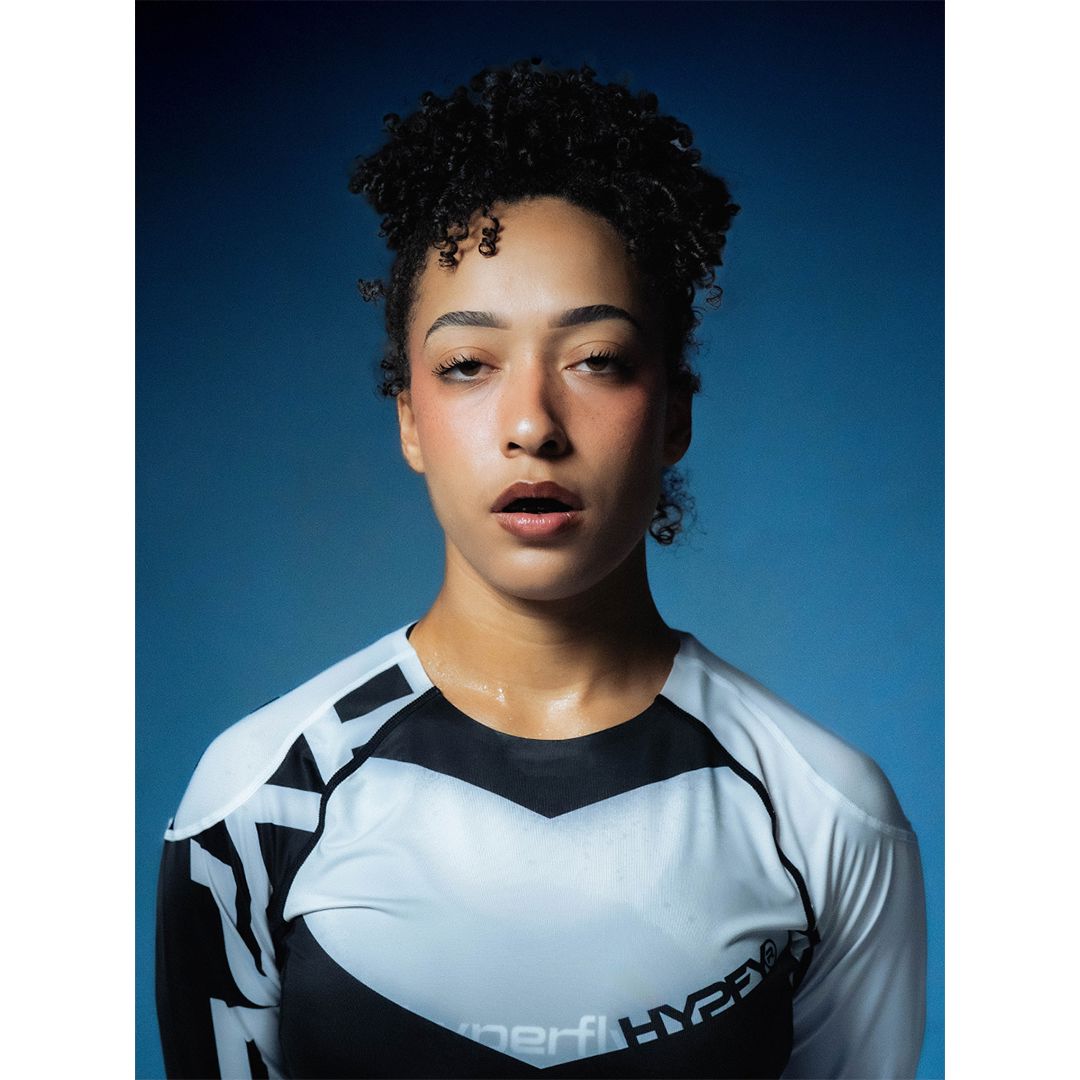
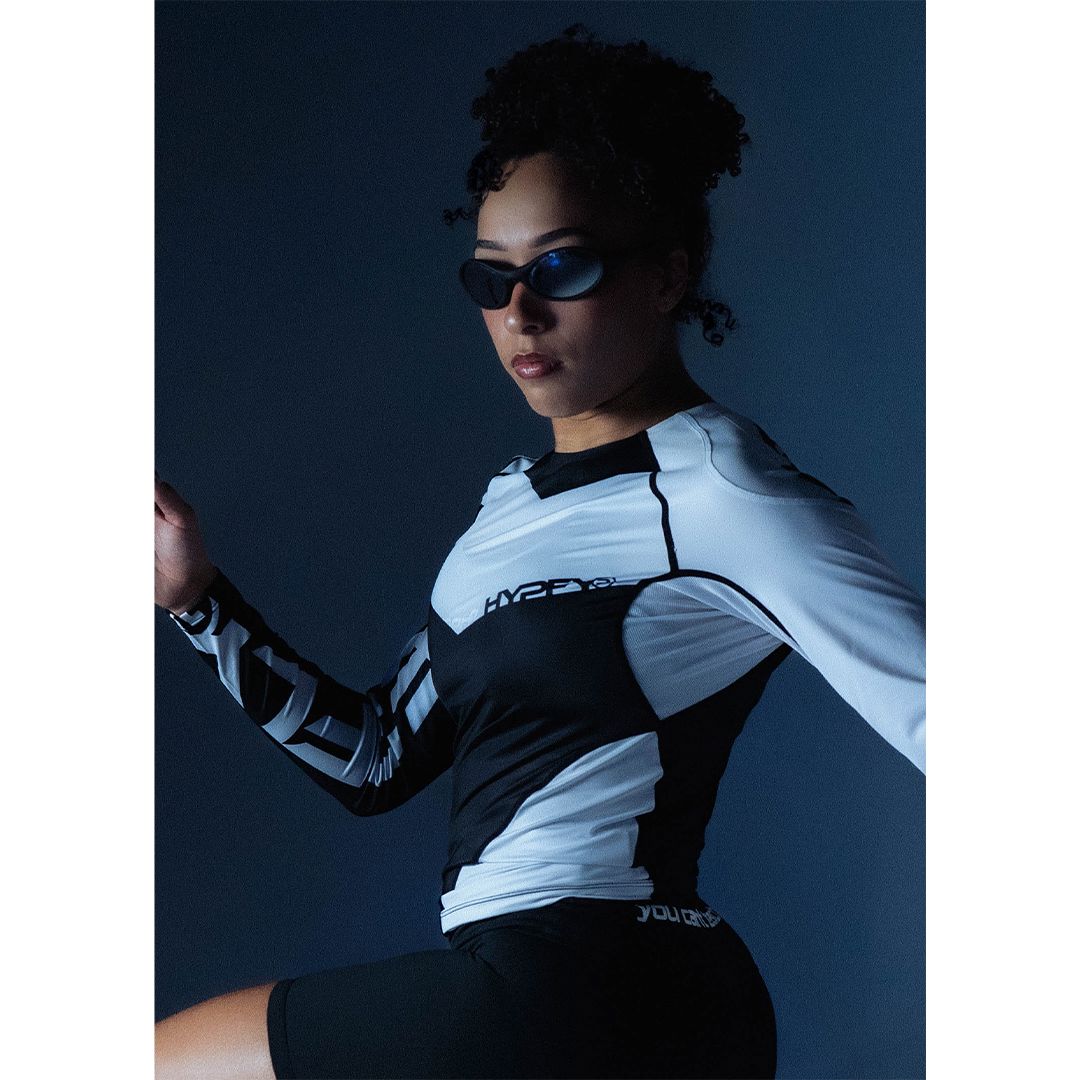
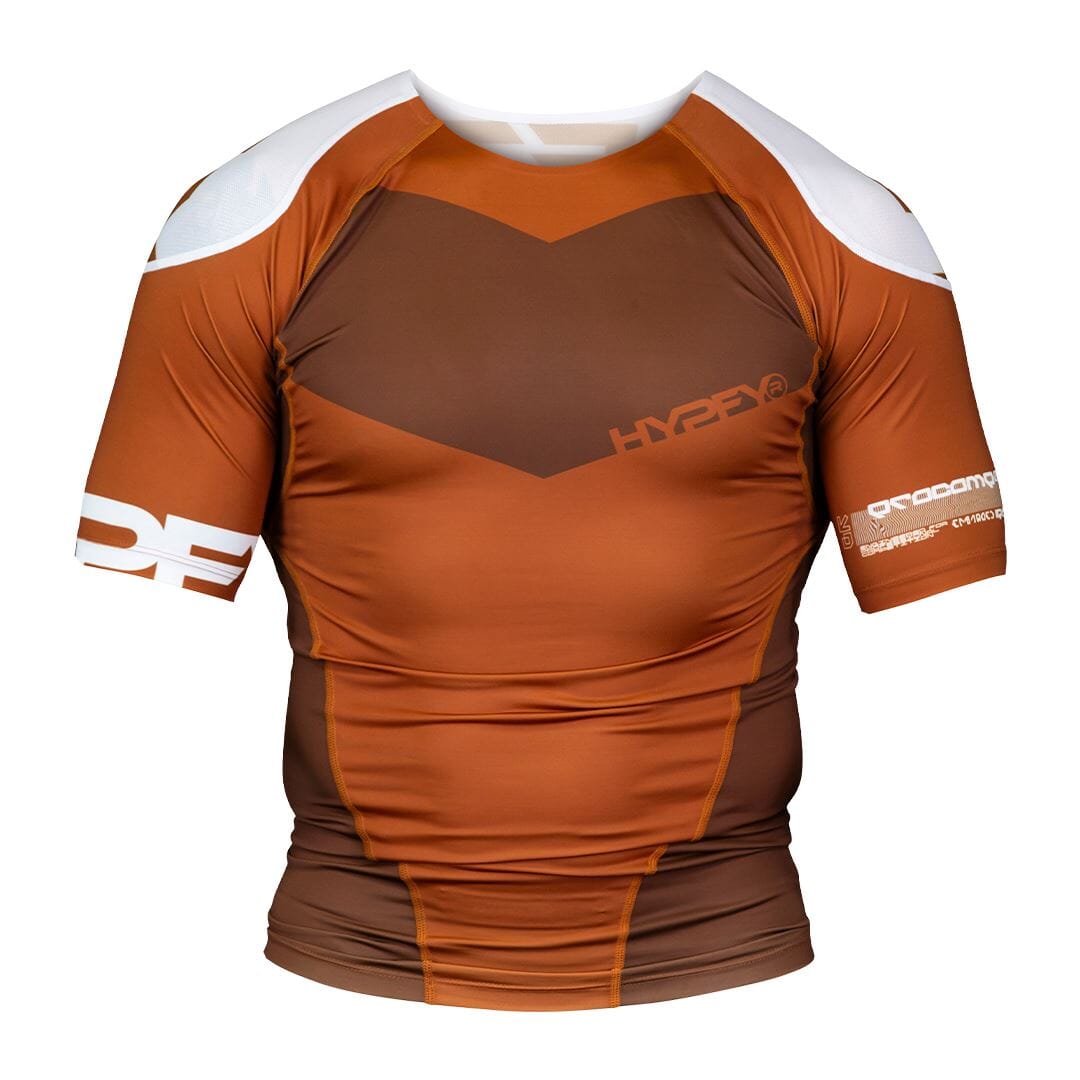
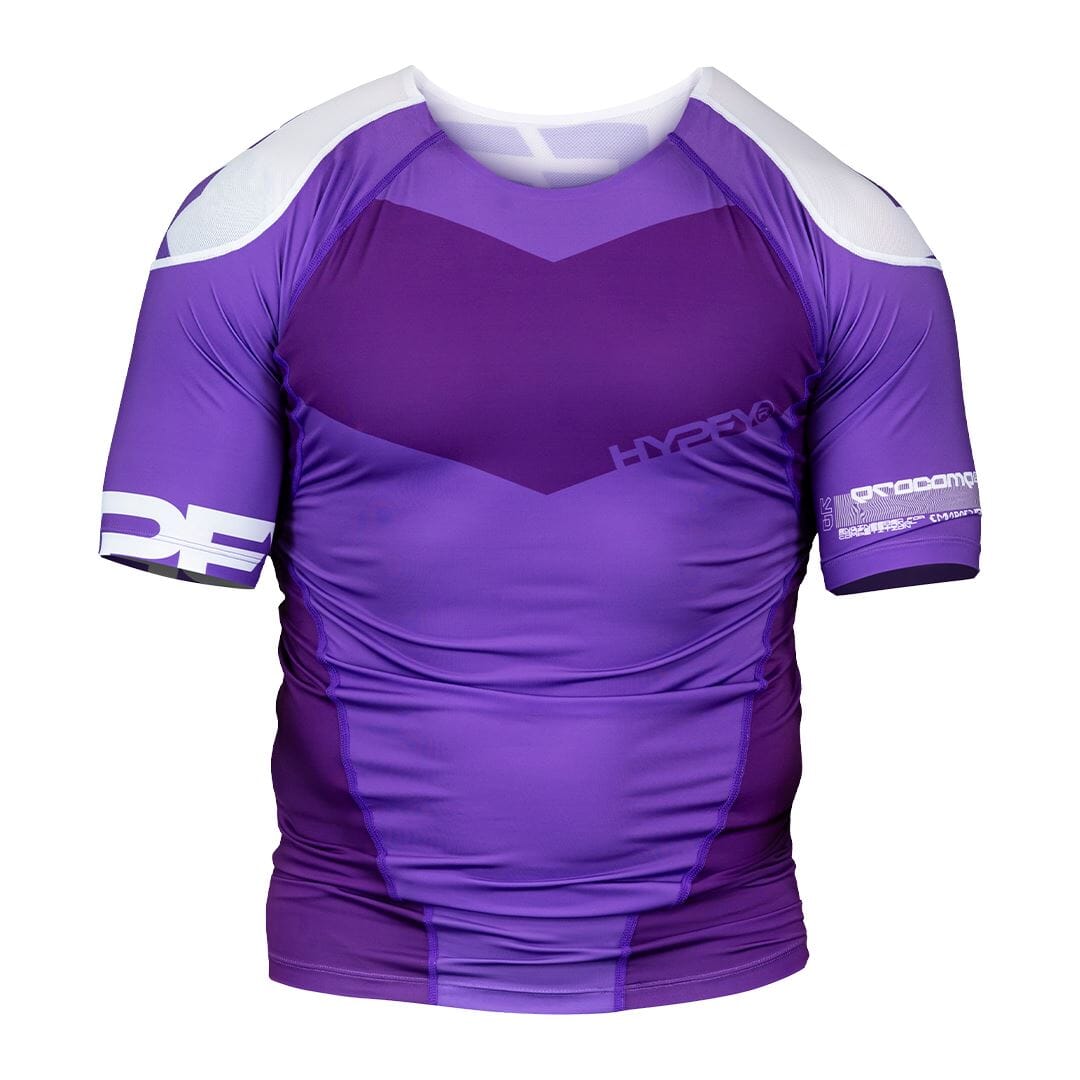
Before rash guards, grappling shorts, or compression anything… fighters basically wrestled naked in the world’s first octagons. The gladiator arena was a crash course in why bare skin and combat don’t mix. Sweat, sand, and skin made every fighter grabbable, tearable, and unapologetically unhygienic. Combat sports didn’t evolve their uniforms in one straight line. They branched, adapted, borrowed, ignored each other, and occasionally reinvented the wheel. Each discipline solved its own clothing problem long before BJJ existed. This blog is the story of how we got from naked gladiators to the specialized no gi gear we rely on today and why the BJJ no gi uniform looks nothing like the ones that came before it.

Over time, combat sports figured out that clothing wasn’t optional. Coverage reduced injuries. Fabrics reduced friction. Uniforms shaped technique. Over centuries, every combat sport developed its own specialized gear: wrestling singlets, boxing shorts, Muay Thai trunks, Vale Tudo shorts, MMA hybrids. BJJ no gi sits at the end of that evolutionary chain. It is the sport where modern technical fabrics found their perfect match. Today’s rash guards and grappling shorts aren’t fashion choices; they’re the result of thousands of years of fighters learning (sometimes painfully) that what you wear changes how you fight.
Wrestling: The First Grappling Uniform
Wrestling is one of the oldest grappling arts, and the first to adopt “no loose clothing.” For much of its early history, athletes competed with minimal clothing or none at all. By the late 1800s and early 1900s, as organized amateur wrestling developed, competitors began wearing tight cotton shirts paired with trunks. These shirts were usually short-sleeved knit tops, though sleeveless versions also appeared depending on the region and era. The goal was simple: keep fabric close to the body so opponents couldn’t grab it.
By the mid-20th century, these tops evolved into the modern wrestling singlet. First as a two-piece (tight shorts + tight sleeveless top), and later merging into the one-piece Lycra design that became standard in collegiate and Olympic wrestling. The singlet was perfect for wrestling’s rule set. It prevented grabbing, made scoring positions visible, and kept the uniform tight and predictable. But it was completely wrong for BJJ. Too much exposed skin, too much sweat transfer, too little friction management, and a cultural identity tied to amateur sport rather than Brazilian Jiu-Jitsu.

Striking Arts and the Evolution of Fight Shorts
While wrestling solved its “no grabbing” problem with tight tops, the striking arts solved their movement problems with shorts. Each sport invented its own version based on what mattered most.
1. Boxing: Cooling and Mobility
By the 1920s, boxers wore loose satin shorts: high-waisted, airy, and designed to keep fighters cool under hot lights. They offered great mobility but zero grappling utility.
2. Muay Thai: Hip Freedom Above All
By the 1960s, Muay Thai fighters adopted the iconic short, wide-leg trunks with split hems. These were built for kicking freedom, ventilation, and speed. Lightweight woven fabrics kept fighters cool and explosive. Still, not useful for grappling. Muay Thai contributed the mobility philosophy, not the garment.
3. Vale Tudo: The Compression Shorts Ancestor
In Brazil’s no-rules fighting era (1980s–1990s), fighters needed gear that wouldn’t tear, wouldn’t expose anything during scrambles, and wouldn’t give opponents easy grips. They borrowed from swimwear and surf culture to design tight, stretchy, minimal clothing that stayed put under chaos. This became the Vale Tudo short, the direct ancestor of modern compression shorts and MMA shorts. For the first time, combat sports had a uniform built for both striking and grappling.
MMA Training Gear: The First Hybrid Fight Uniform
By the early 2000s, mixed martial arts became the first combat sport that needed clothing capable of handling both striking and grappling in the same round. That requirement forced MMA to borrow, blend, and reinvent gear from every discipline around it to create the first hybrid fight uniform. But here’s a key distinction: MMA competition gear and MMA training gear were not the same.
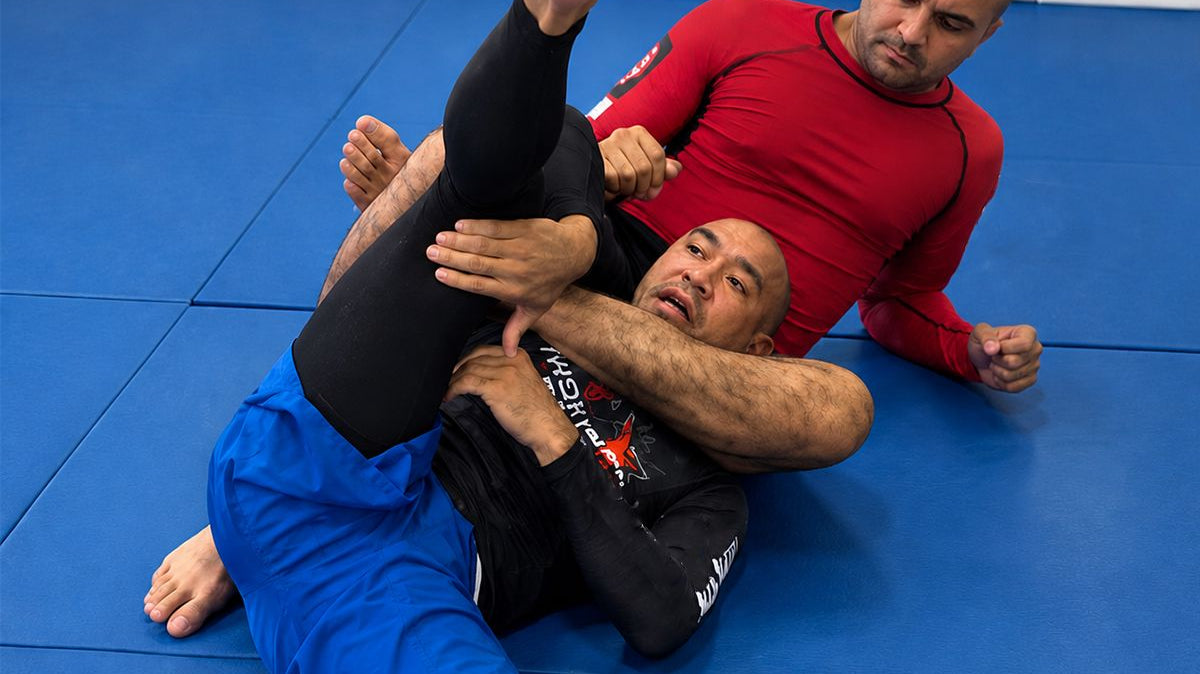
In the cage, men fought shirtless because the unified rules required it. But in the gym, where fighters grappled day after day, rash guards, compression shorts, and hybrid fight shorts became the norm. Shirtless grappling was a hygiene nightmare, cotton T-shirts got soaked and stretched, and board shorts tore under mat friction. So MMA training rooms naturally gravitated toward gear that stayed tight, stayed durable, and stayed put.
This training-room uniform became the real hybrid:
- Rash guards from surf culture
- Vale Tudo shorts from Brazil’s no-rules fighting
- Board-short-style fight shorts adapted with stretch panels
- Compression gear from mainstream athletics
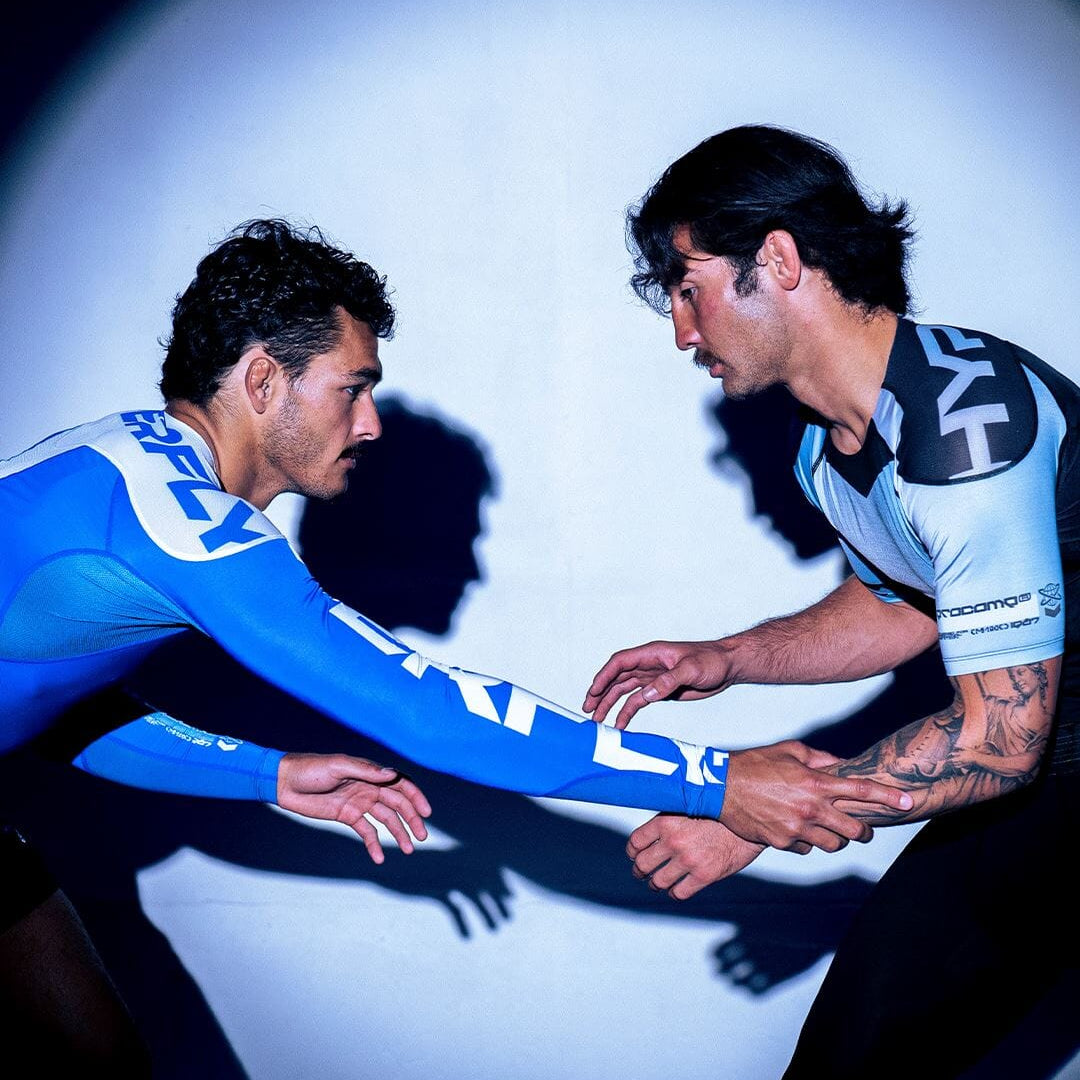
By the mid-2000s, every MMA gym in the world looked like this: tight top + functional shorts. Fighters needed tops that wouldn’t tear, wouldn’t get grabbed, and wouldn’t soak up sweat like cotton. They needed shorts that let them kick, scramble, clinch, and fight on the ground without becoming accidental handles or riding up in ways no one wants while sparring. And that’s the look BJJ practitioners adopted, not the shirtless UFC aesthetic, but the practical, sweat-managing, friction-reducing gear used in MMA grappling sessions.

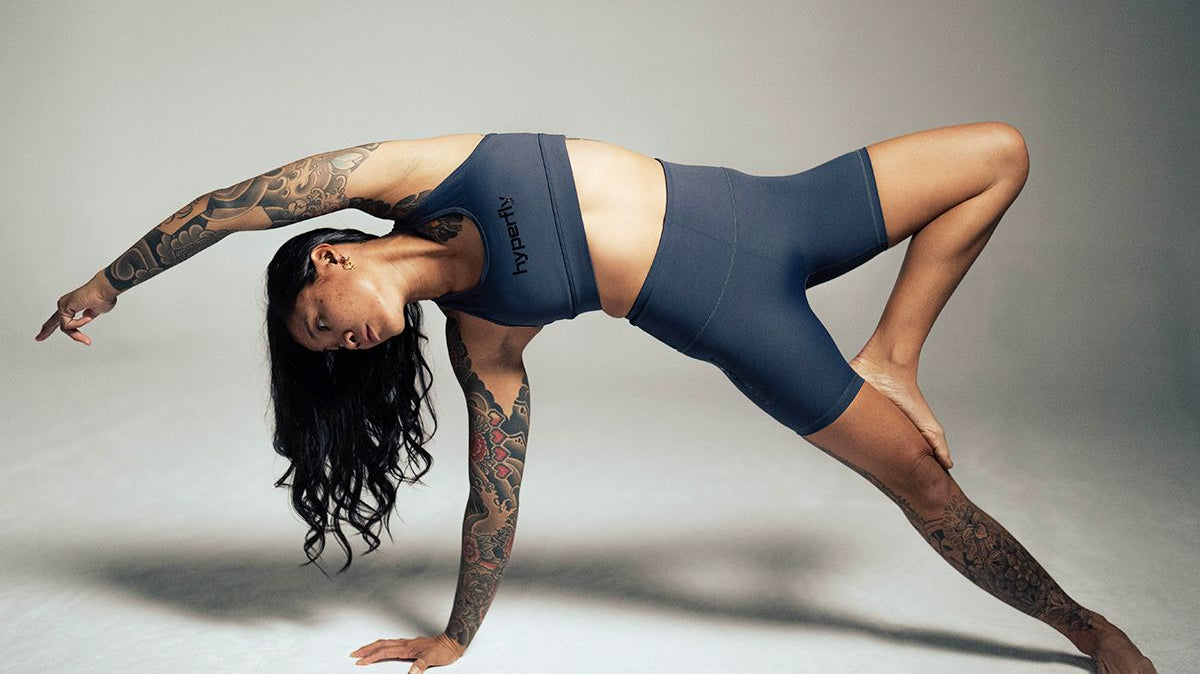
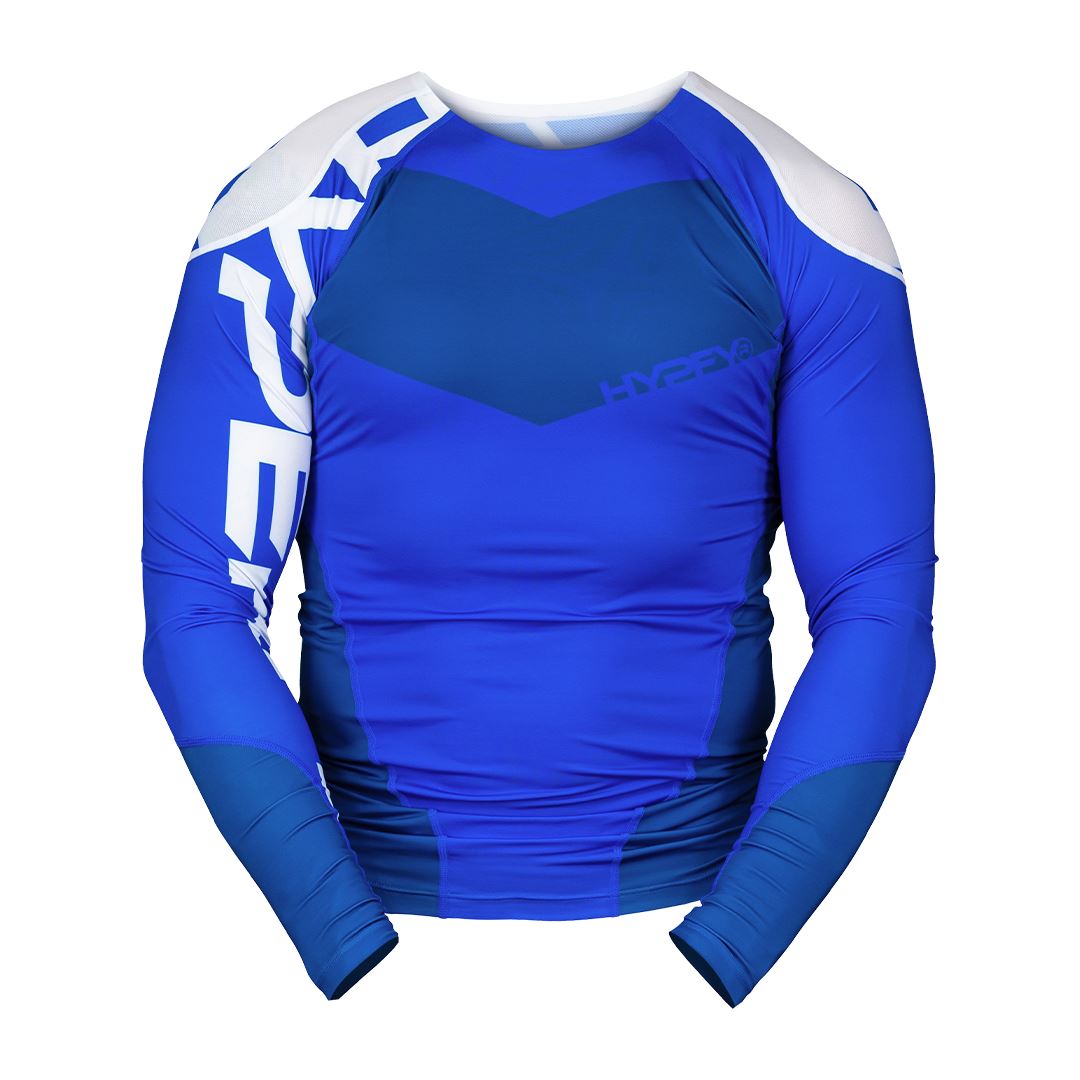
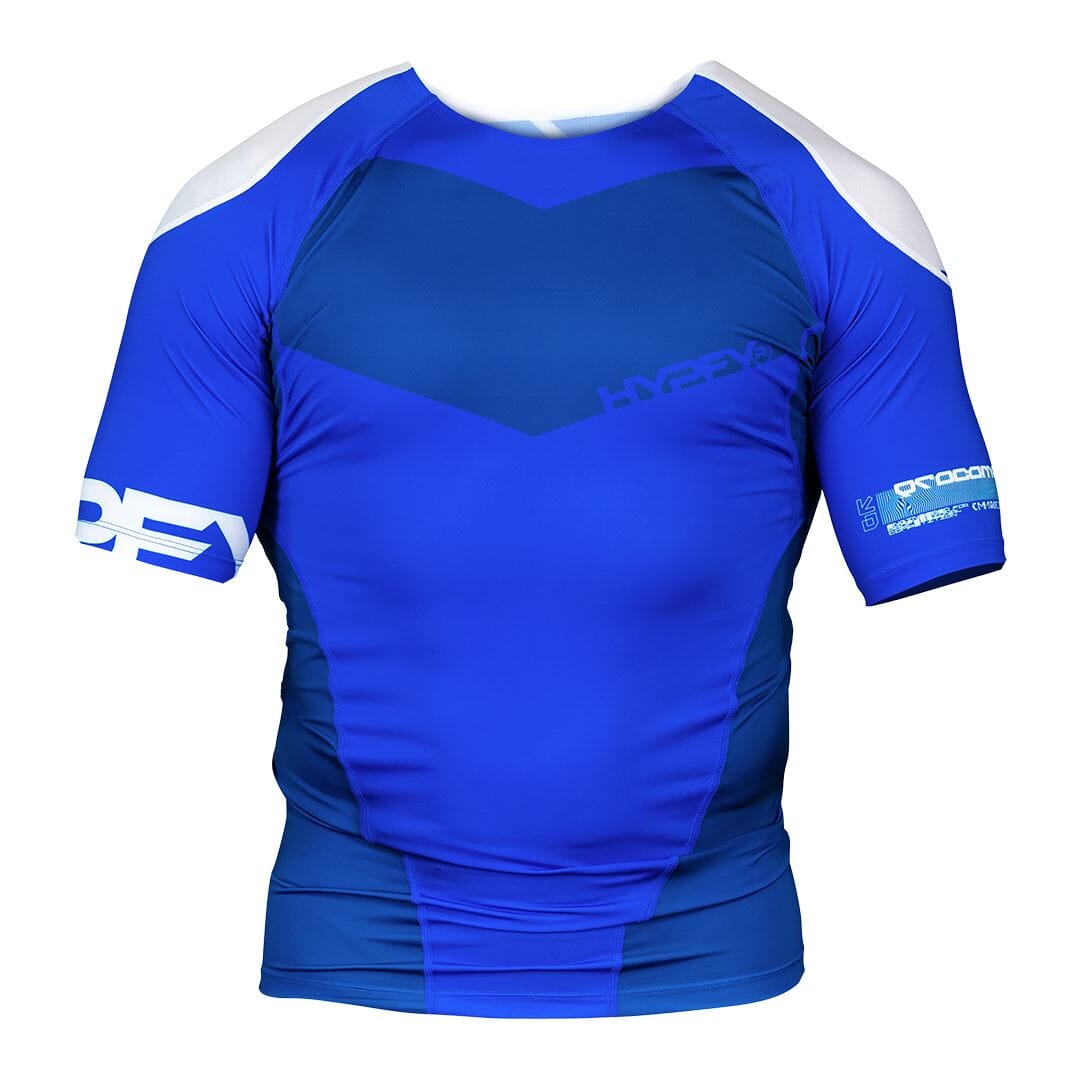
Rash guards became the default training top because they managed sweat, reduced friction, and stayed glued to the body. Board shorts evolved into fight shorts with stretch panels, reinforced seams, and Velcro-free waistbands. Vale Tudo shorts remained the compression option for fighters who preferred minimal fabric.
This hybrid uniform didn’t just solve MMA’s issues; it created a visual identity. When people thought “no gi,” they thought “MMA gear.” When BJJ practitioners trained without the gi, they adopted the same clothing. MMA didn’t invent no gi gear, but it standardized the look, popularized the fabrics, and made the rash guard + shorts combo the global norm.
How BJJ No Gi Training Found Its Uniform
When Brazilian Jiu-Jitsu started experimenting with no gi training, there was no special uniform, no technical fabric, no “no gi aesthetic.” Practitioners took off their gi top and kept rolling. Sometimes they had shorts underneath their gi pants. Sometimes they didn’t. Sometimes they wore a T-shirt. Sometimes they went shirtless. It was improvisational and informal.
Surf Culture and the Rise of the BJJ Rash Guard
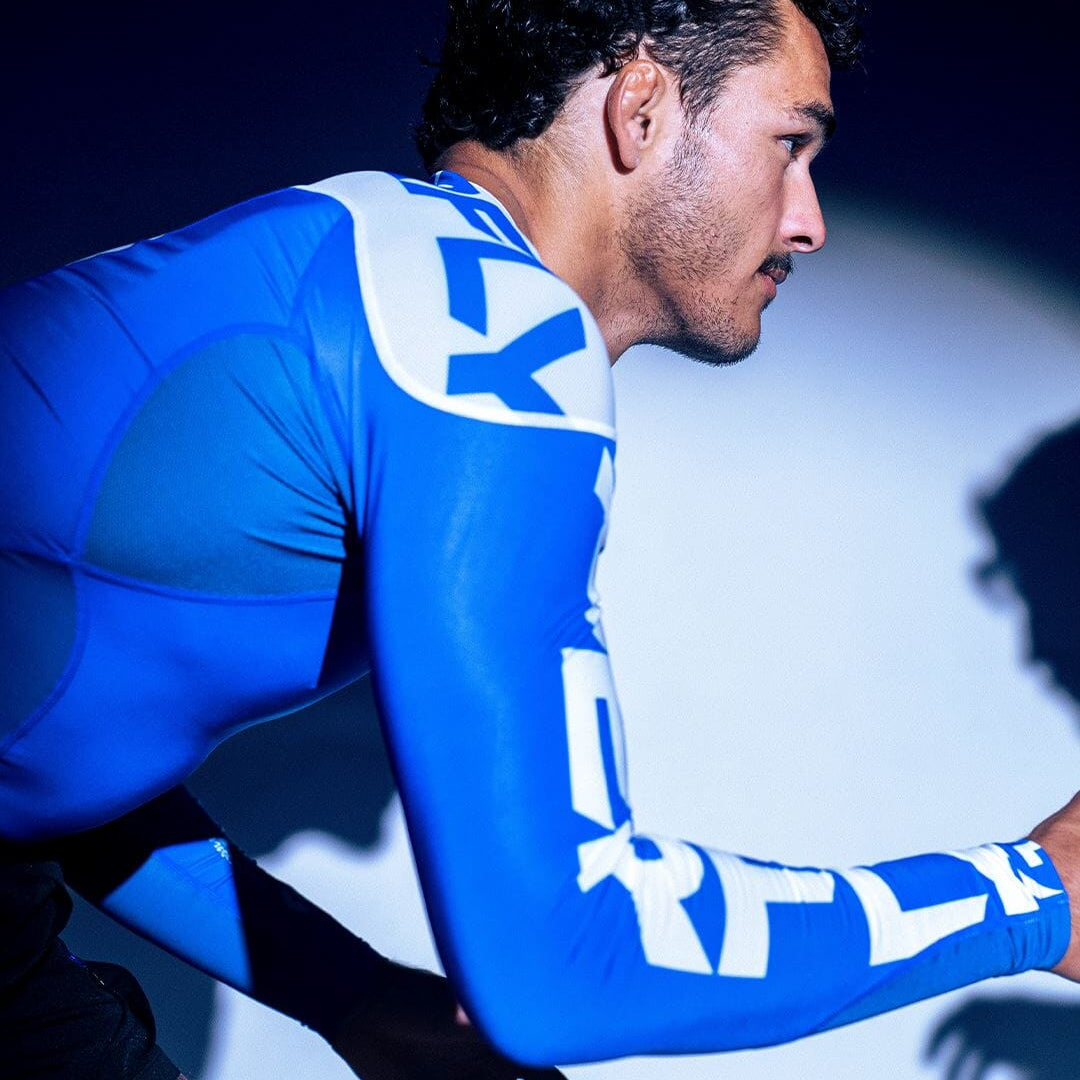
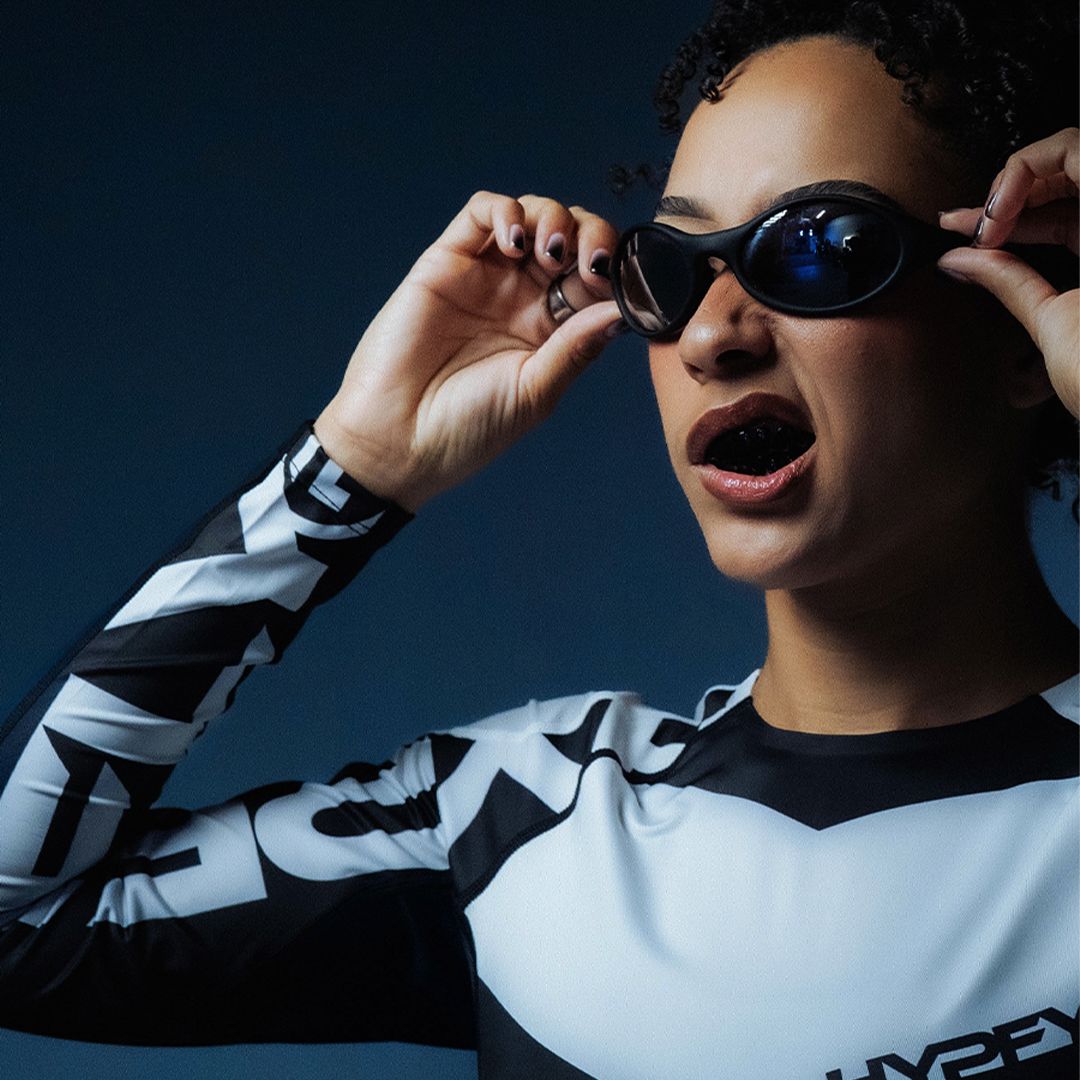
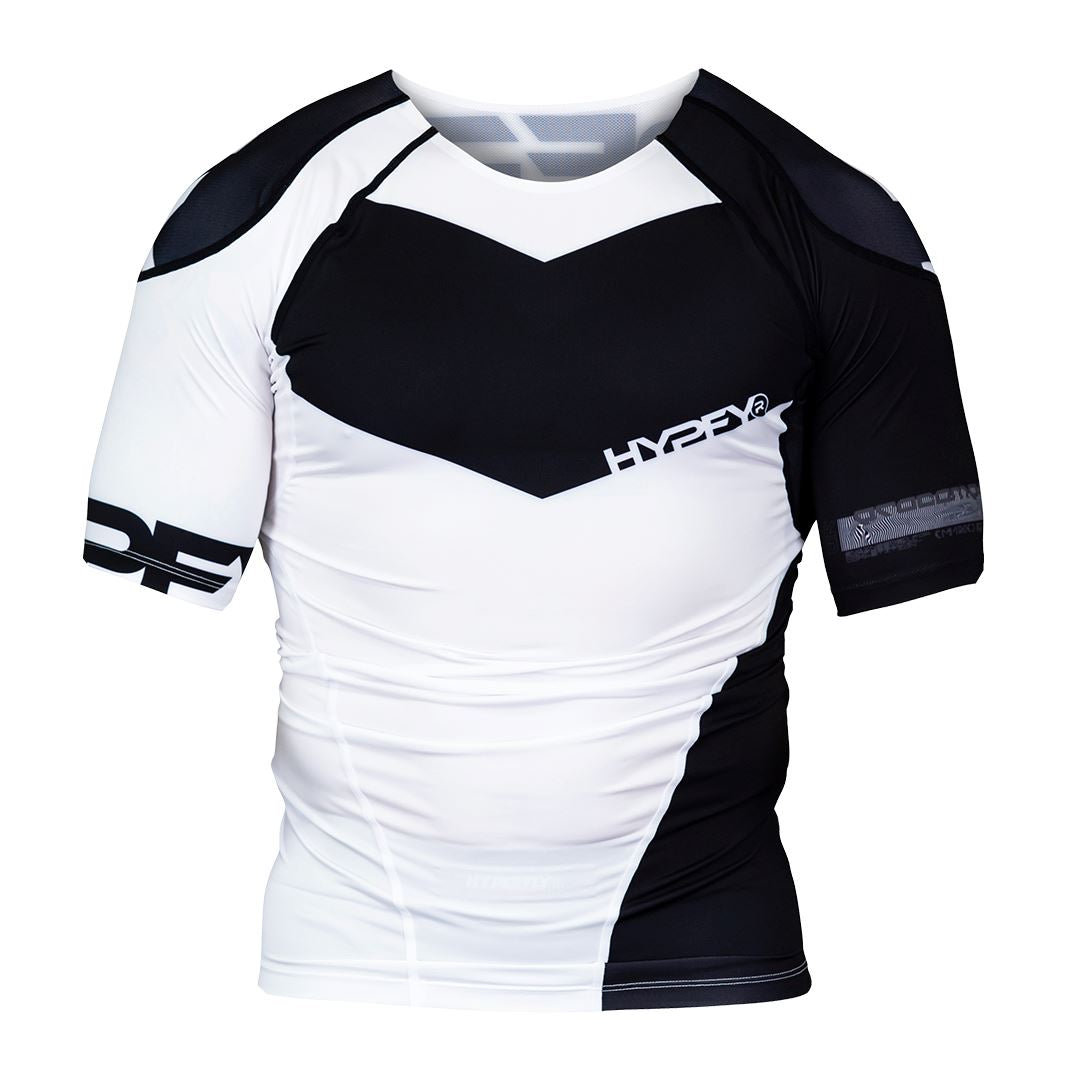
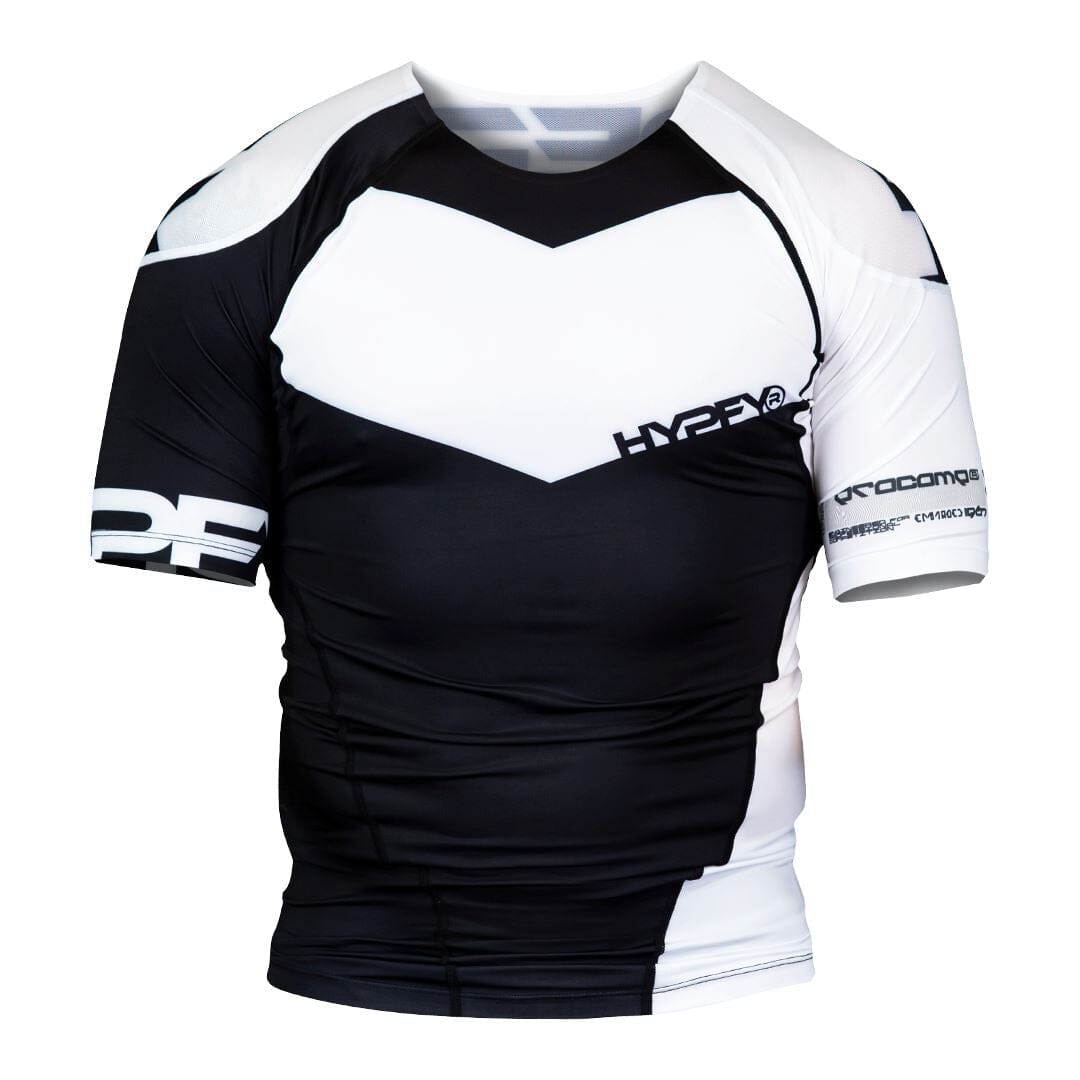
Brazil’s surf culture played a surprisingly big role in shaping no gi gear. Rash guards were popular among surfers for sun protection and friction management. When BJJ athletes realized these tops stayed tight, didn’t get grabbed, and handled sweat better than cotton, rash guards quietly slipped into training rooms. This was the first real step toward specialized no gi clothing.

Hygiene Made No Gi Its Own Discipline
Close-contact grappling meant sweat transfer, skin-to-skin exposure, and the risk of cuts or abrasions. Gyms realized that shirts were hygiene tools. Rash guards reduced scratches, mat burn, and skin contact. Compression shorts prevented accidental exposure and accidental grabbing. By the mid-2000s, many gyms required:
- Rash guards or tight athletic tops
- Shorts without pockets
- Compression shorts underneath
This was the moment no gi became its own discipline rather than “gi training without the gi.” As no gi competition grew, no gi gear became more specialized:
- High-density polyester blends
- Four-way stretch
- Flatlock seams
- Sublimated graphics
- Grappling-specific shorts with no pockets, no metal, no Velcro
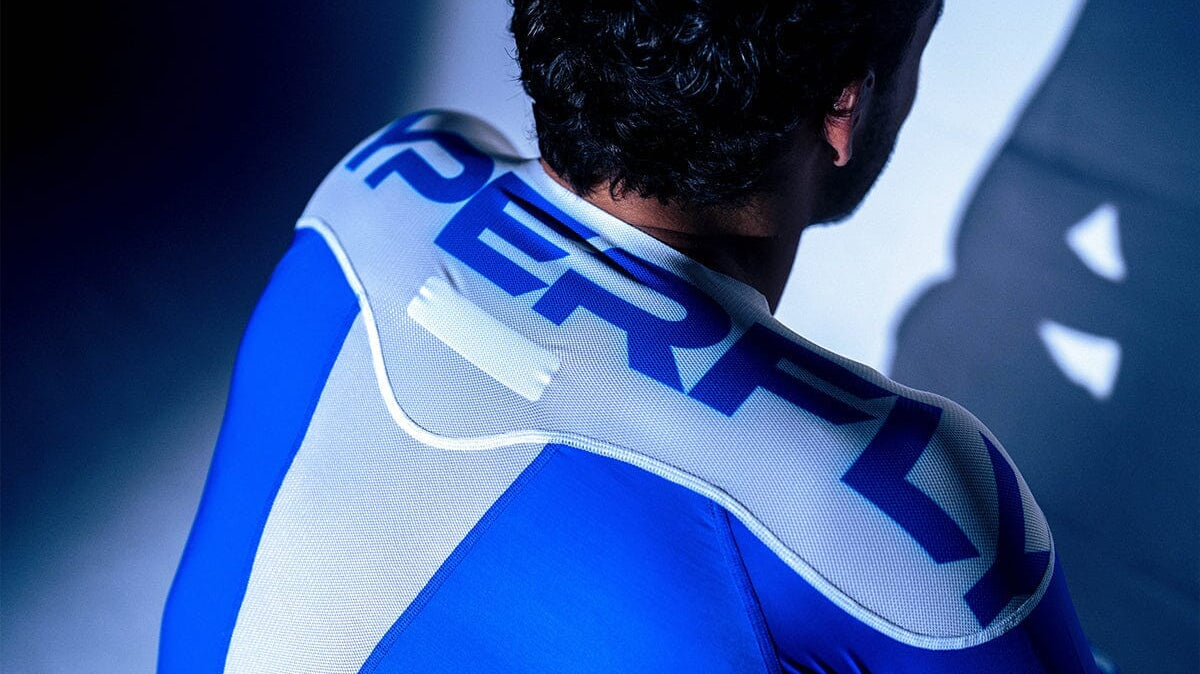
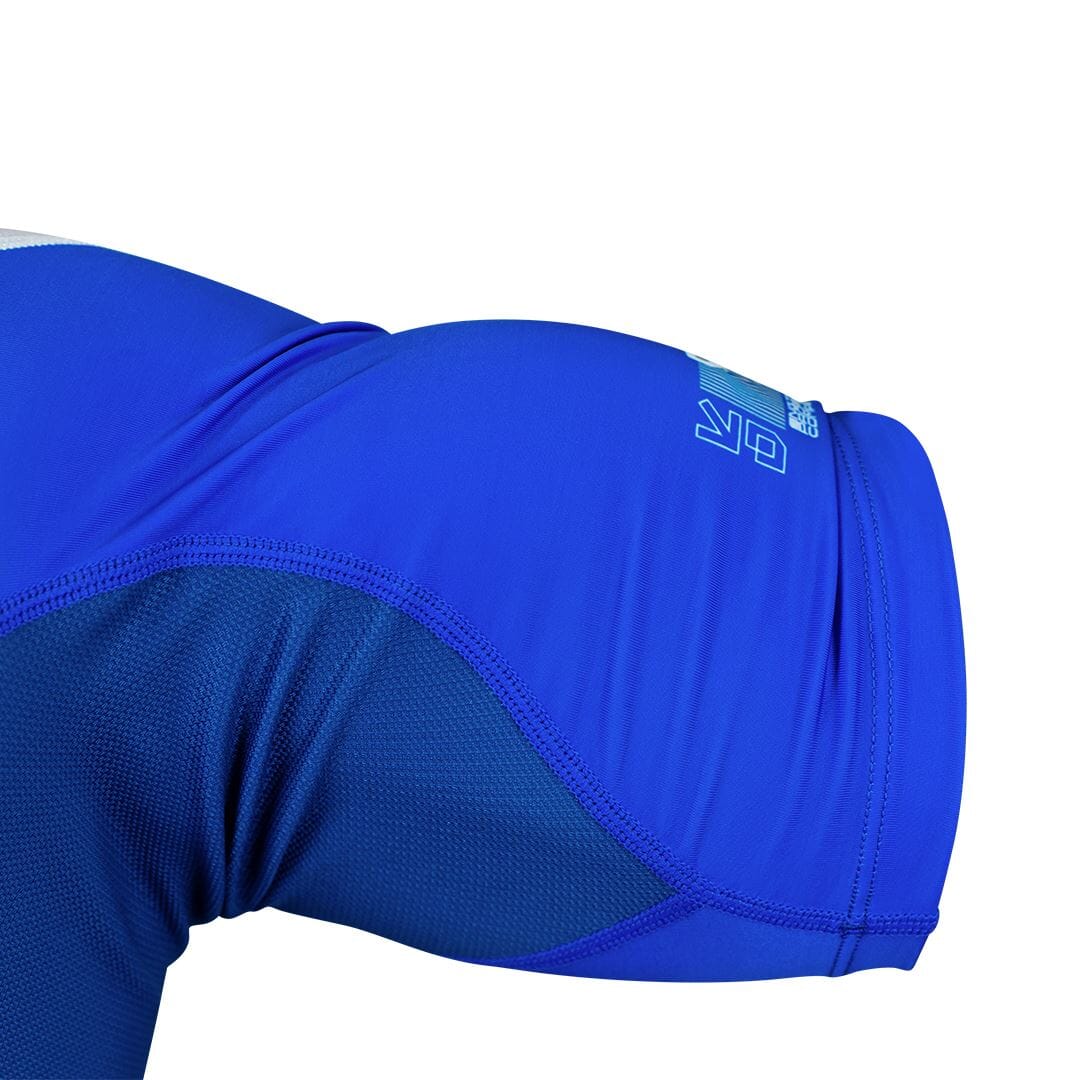
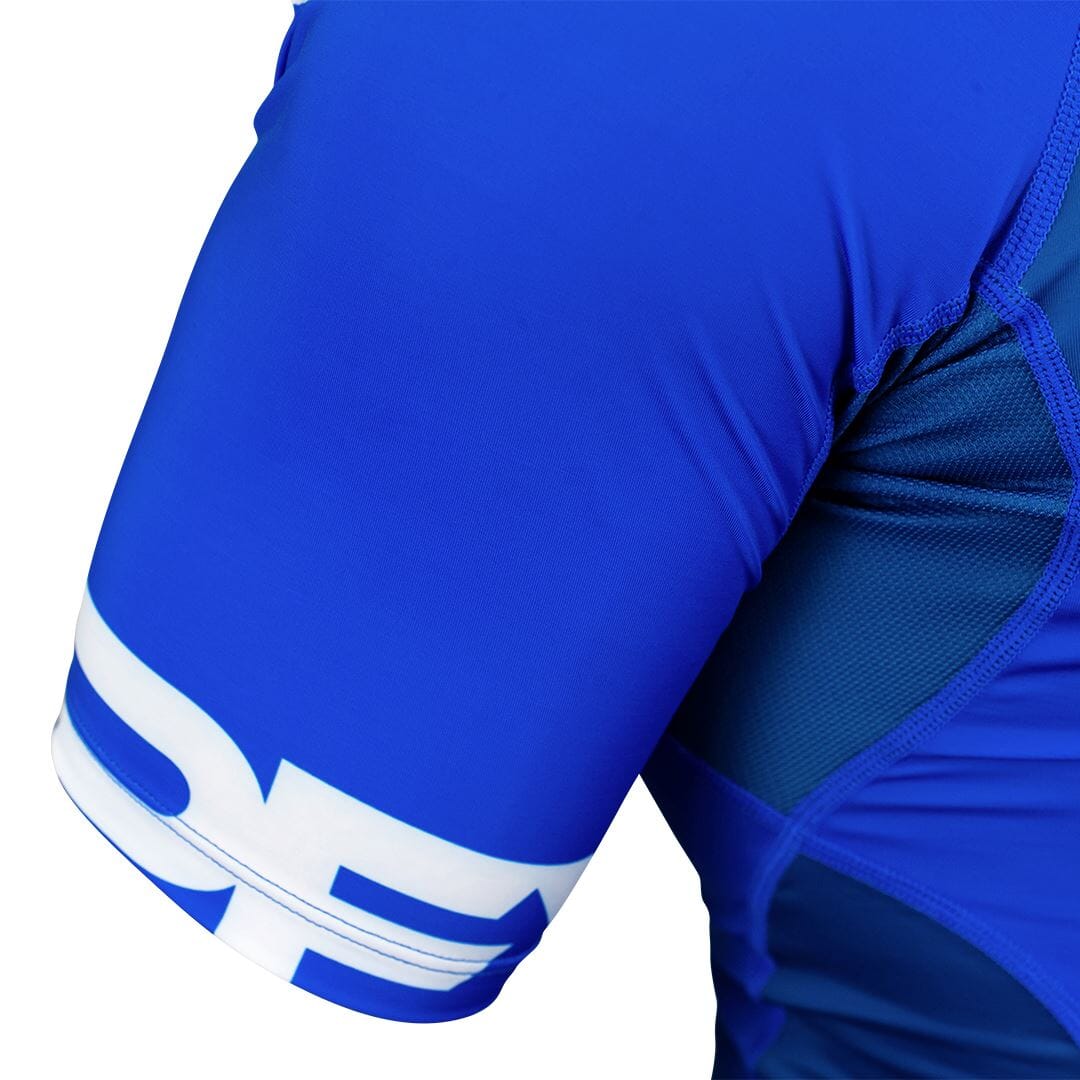
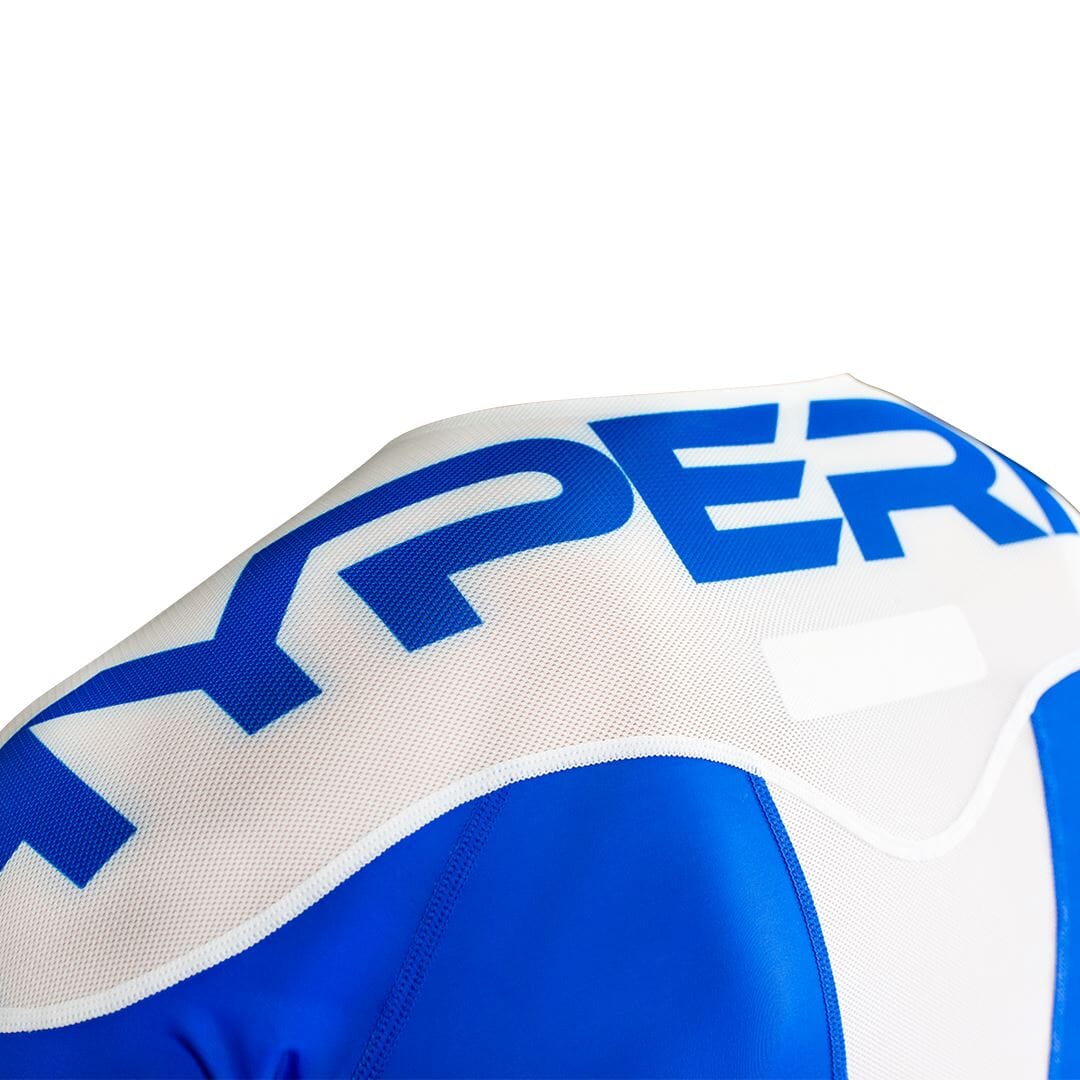
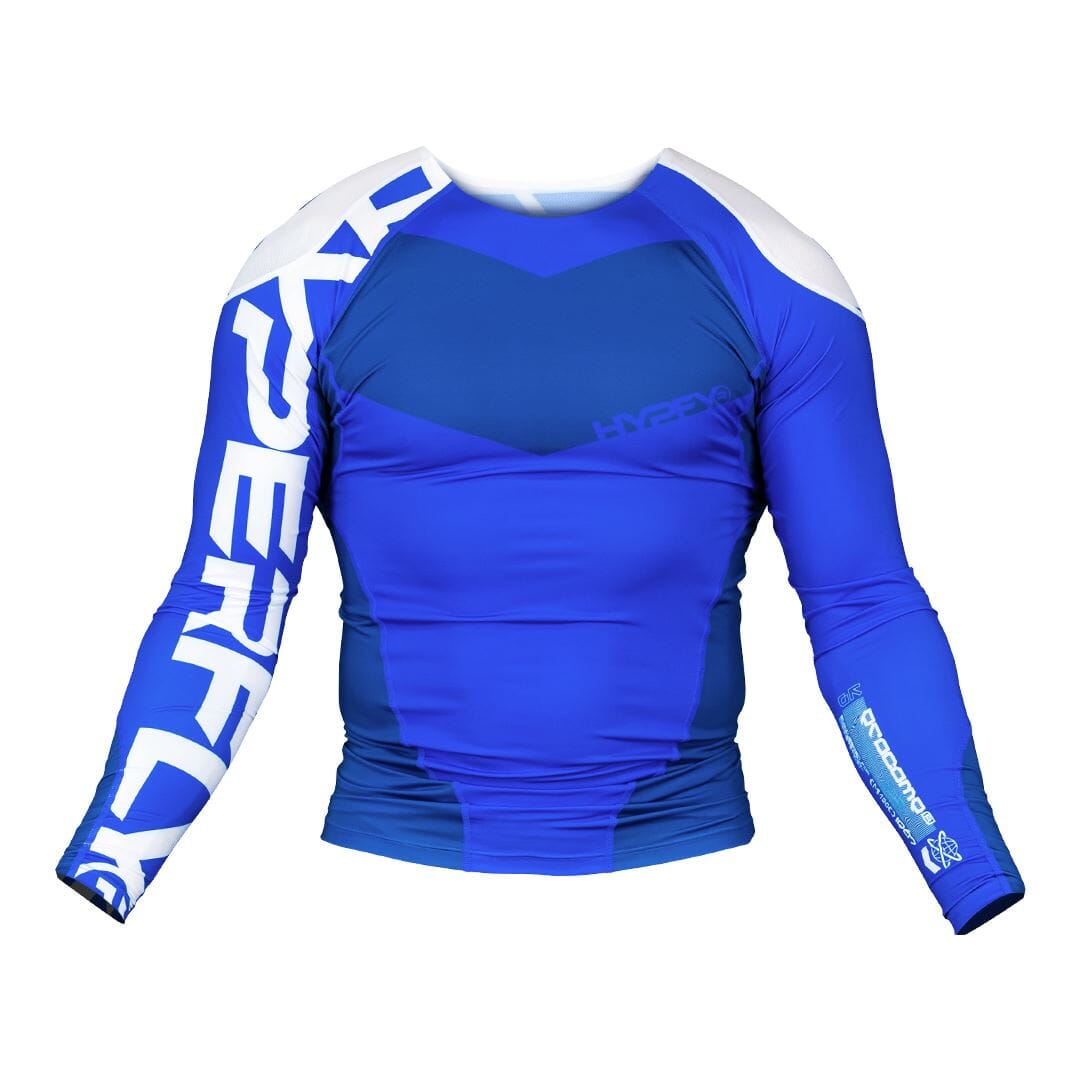
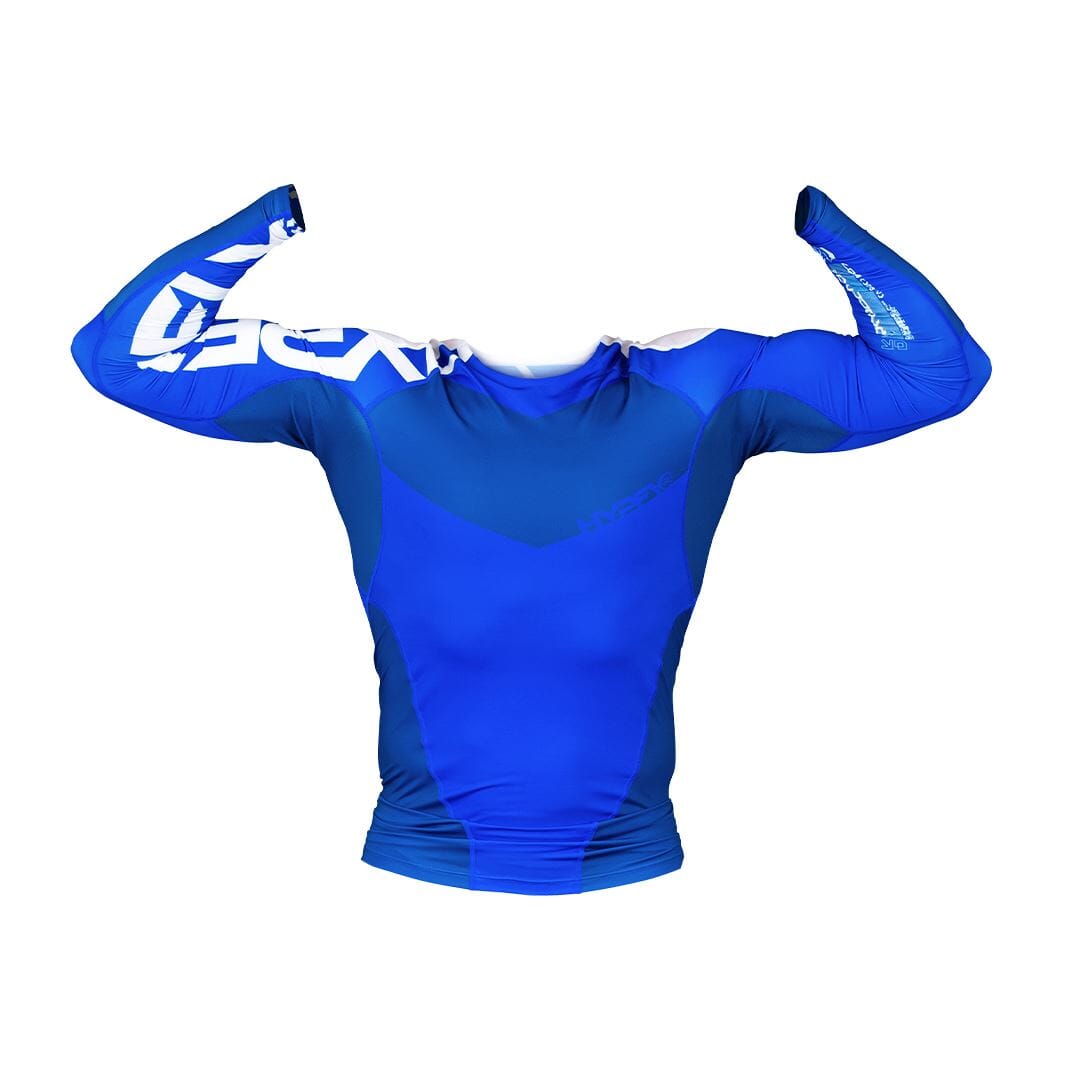
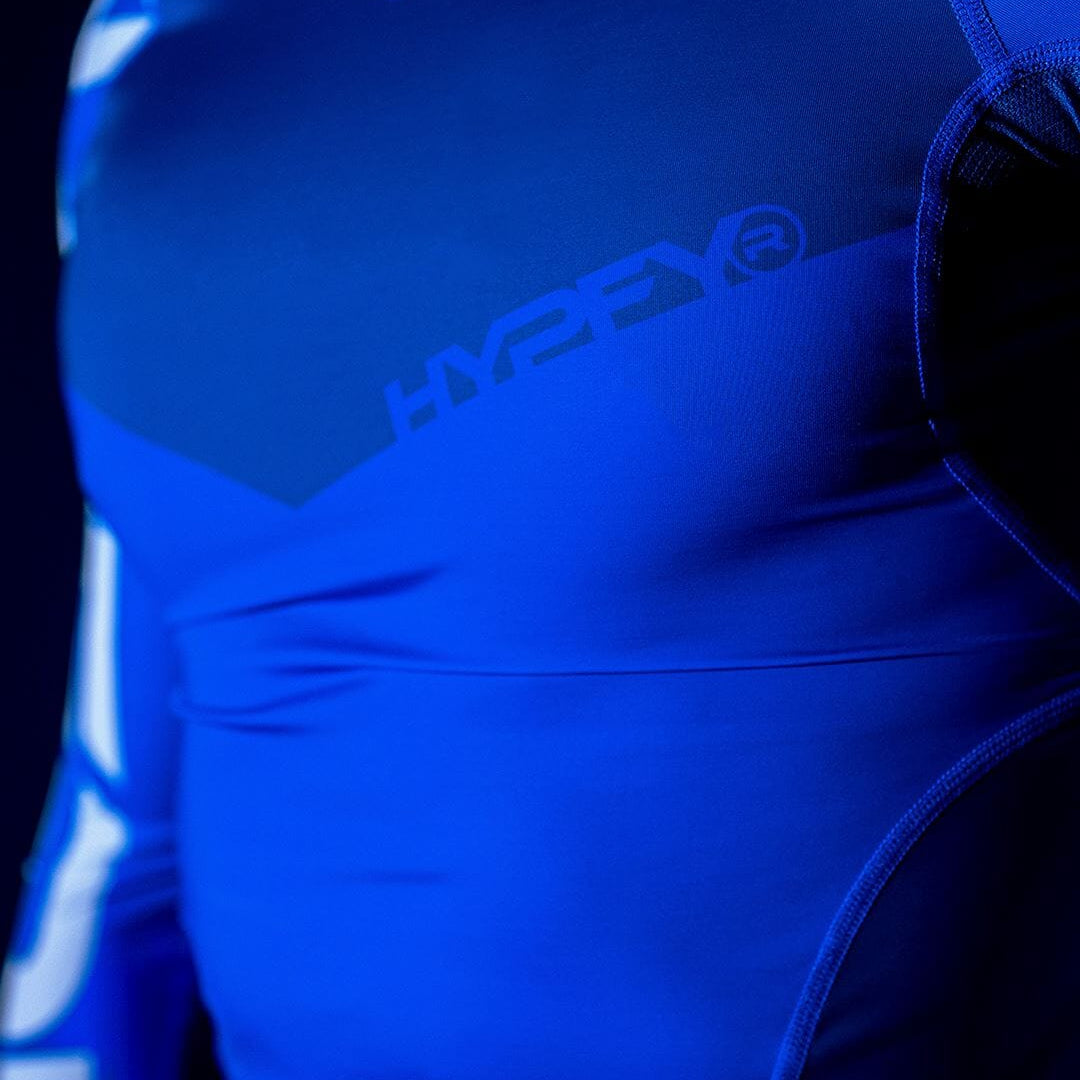
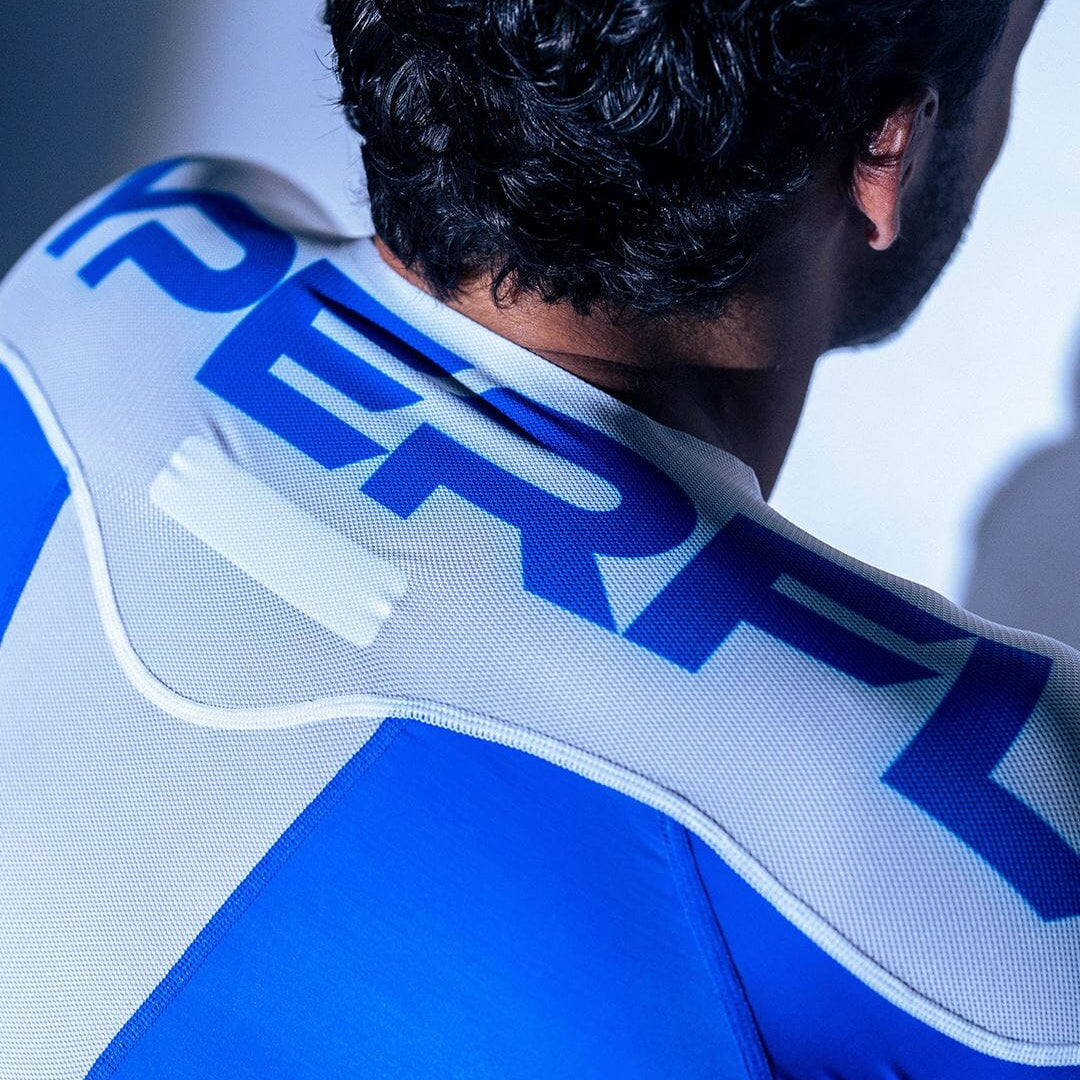
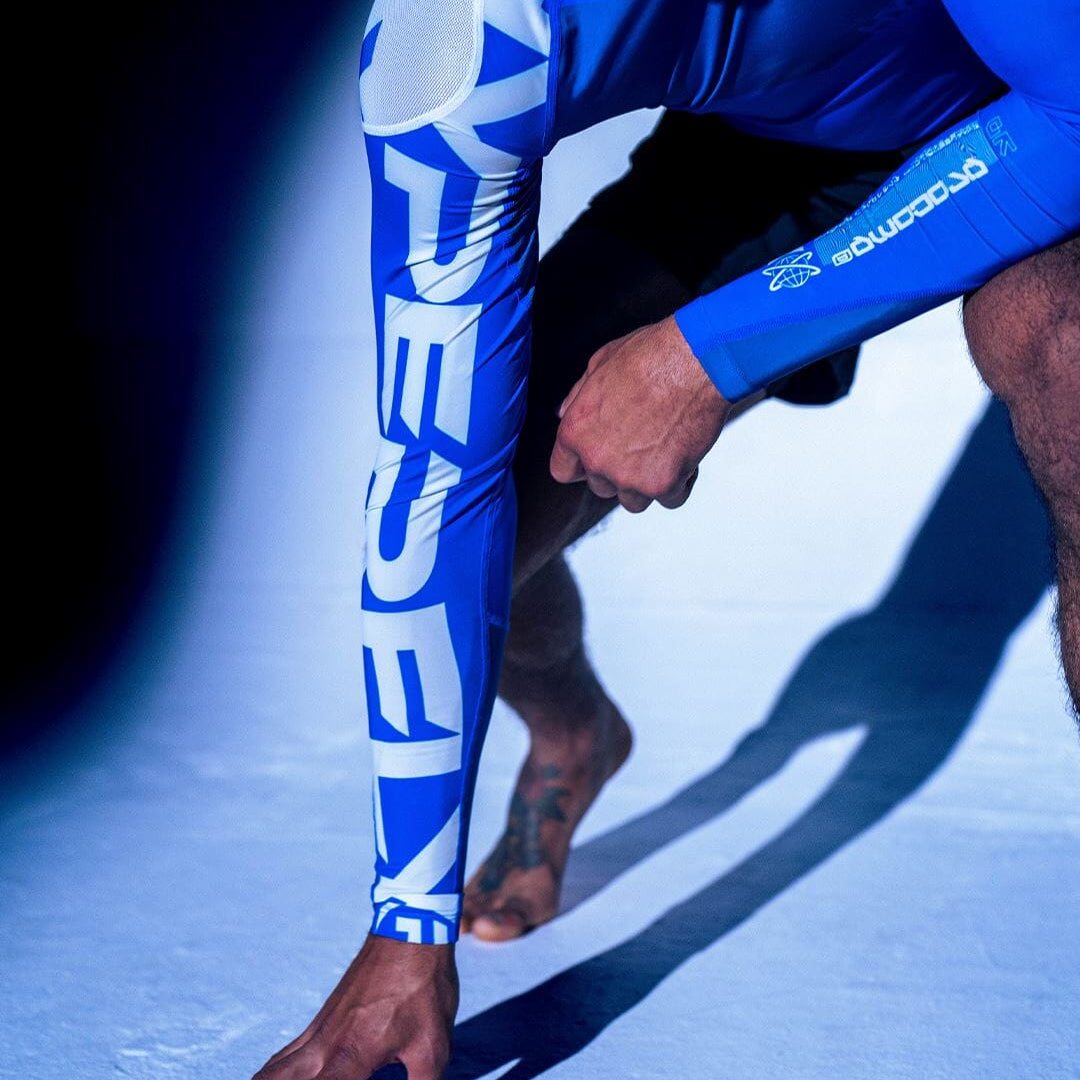
- Rash guards designed for friction management and sweat control
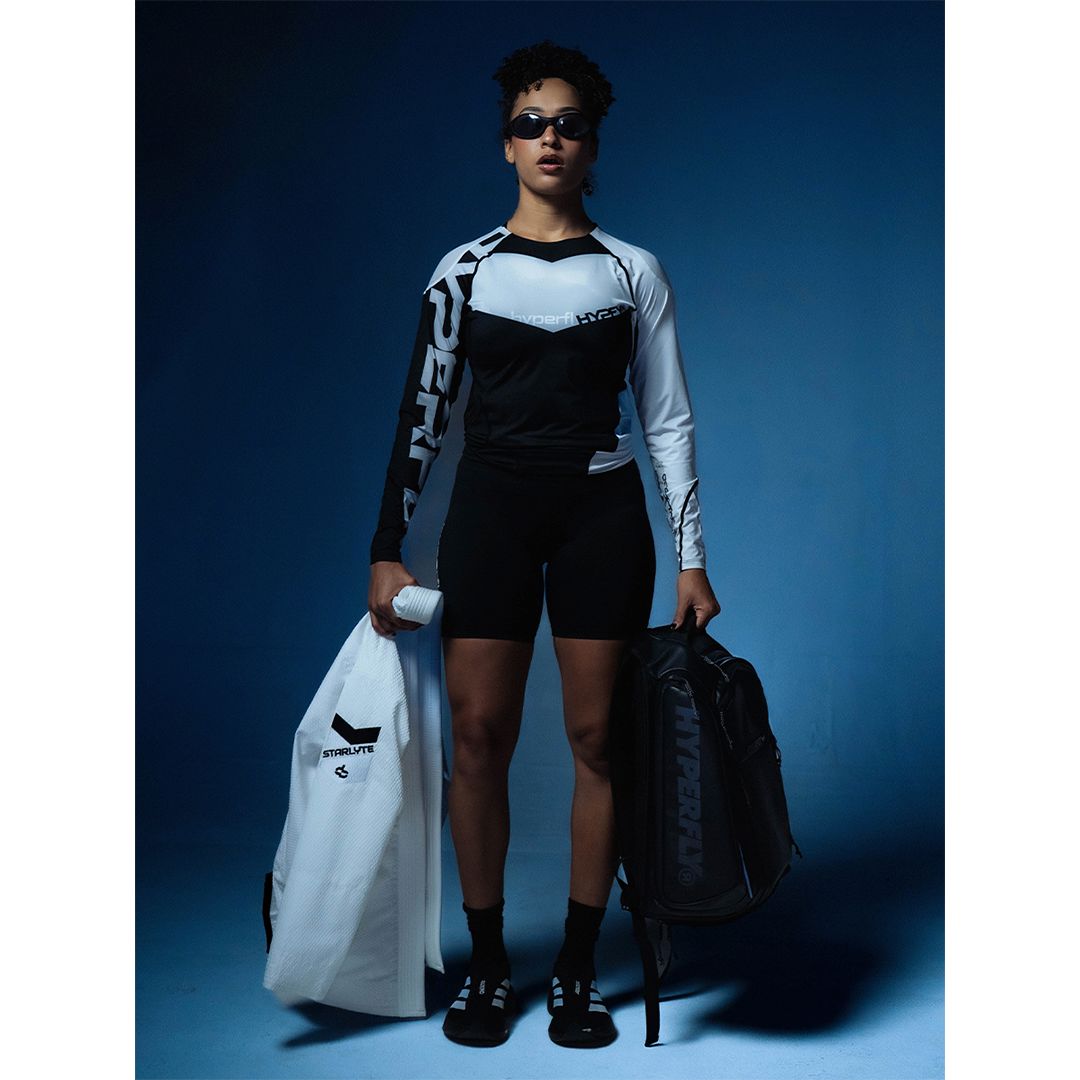
By the 2020s, BJJ no gi gear had fully evolved into a purpose-built uniform. Not a look borrowed from wrestling, boxing, Muay Thai, nor fully borrowed from MMA. It became the final, specialized adaptation of everything that came before it. We’ve already talked about rash guards and how they came from surf culture. So let’s shift to the other half of the uniform: grappling shorts, the piece of gear that took the longest to evolve and had the most trial and error along the way.
The Evolution of Grappling Shorts
Early no gi athletes wore whatever shorts they had: board shorts, gym shorts, Vale Tudo shorts, or even gi pants with shorts underneath. None of these were designed for the realities of Jiu-Jitsu: constant friction, hip mobility, torque, and the knotty chaos of leg entanglements. Board shorts snagged and tore. Gym shorts had pockets (a safety hazard). Vale Tudo shorts worked for minimalists but didn’t offer enough coverage for everyone, and woven fabrics from striking sports shredded under mat pressure.
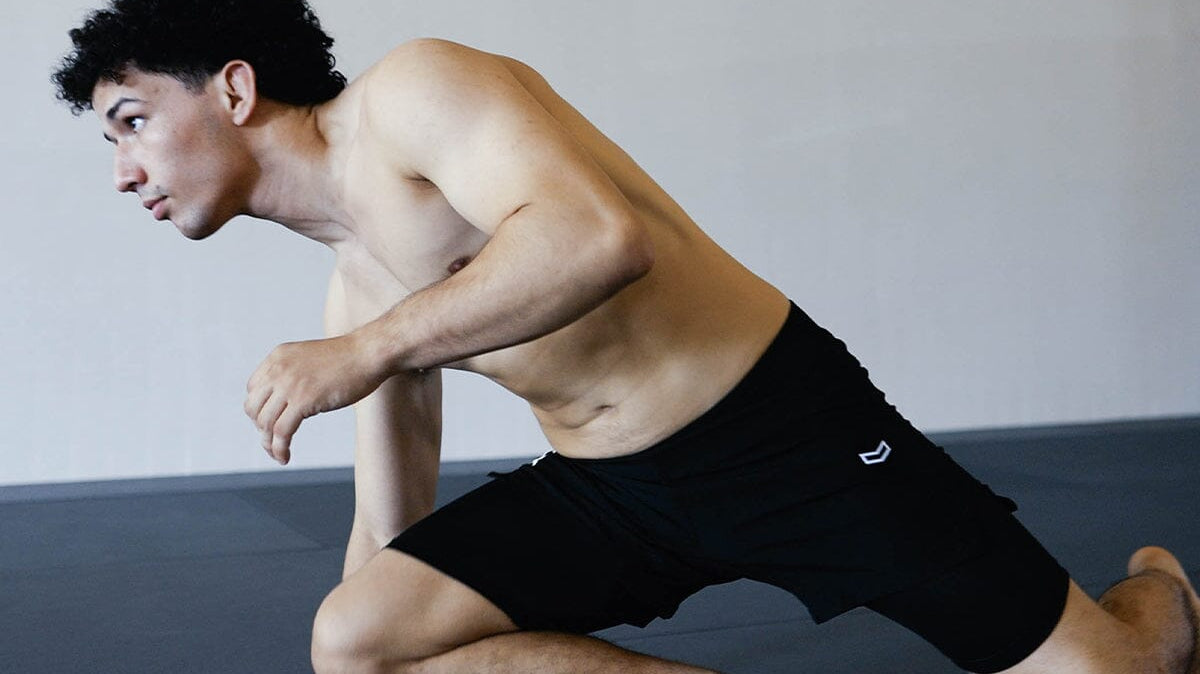
Modern BJJ grappling shorts evolved to solve all of that. They use four-way stretch, so guard players can invert without restriction. They have reinforced seams that survive scrambles and knee-cut pressure. They’re pocket-free and Velcro-free to eliminate snag points. They use smooth, low-friction outer surfaces so opponents can’t accidentally grip fabric during passing or leglock battles. And they stay put even when you’re upside down, sideways, or tangled in someone’s 50/50.

What You Wear Changes How You Fight
Combat sports have spent thousands of years figuring out what to wear when two people decide to fight. Wrestling tightened its uniforms to eliminate grabbing. Boxing and Muay Thai built shorts for striking mobility. Vale Tudo stripped things down to pure function. MMA blended everything into a hybrid kit. And BJJ no gi took that foundation and refined it into something fully specialized. Gear built for friction, torque, sweat, and the tangled geometry of modern grappling.
Today’s rash guards and grappling shorts aren’t fashion choices or gym trends. They’re the final stop on a long evolutionary chain. The result of every combat sport learning, often painfully, what works and what does not when bodies collide. No gi gear is engineered for the realities of Jiu-Jitsu: constant contact, constant movement, and constant chaos.
From gladiators covered in sand to athletes covered in technical fabrics, the story is the same: what you wear changes how you fight. In BJJ no gi, the uniform we use now isn’t borrowed. It’s built with intention. Purposefully. Precisely. And for the first time in combat sports history, perfectly suited to the art it serves.
Shop Hyperfly No Gi Gear
Ready to train in gear built for modern grappling? Explore Hyperfly’s no gi collection:
- Shop All No Gi Gear: Rash Guards, Shorts & Spats
- BJJ Rash Guards for No Gi Training
- Grappling Shorts & Spats
Want to go deeper on fabrics? Read From Cotton to Combat: The Fabric Evolution Behind Modern Grappling Gear.