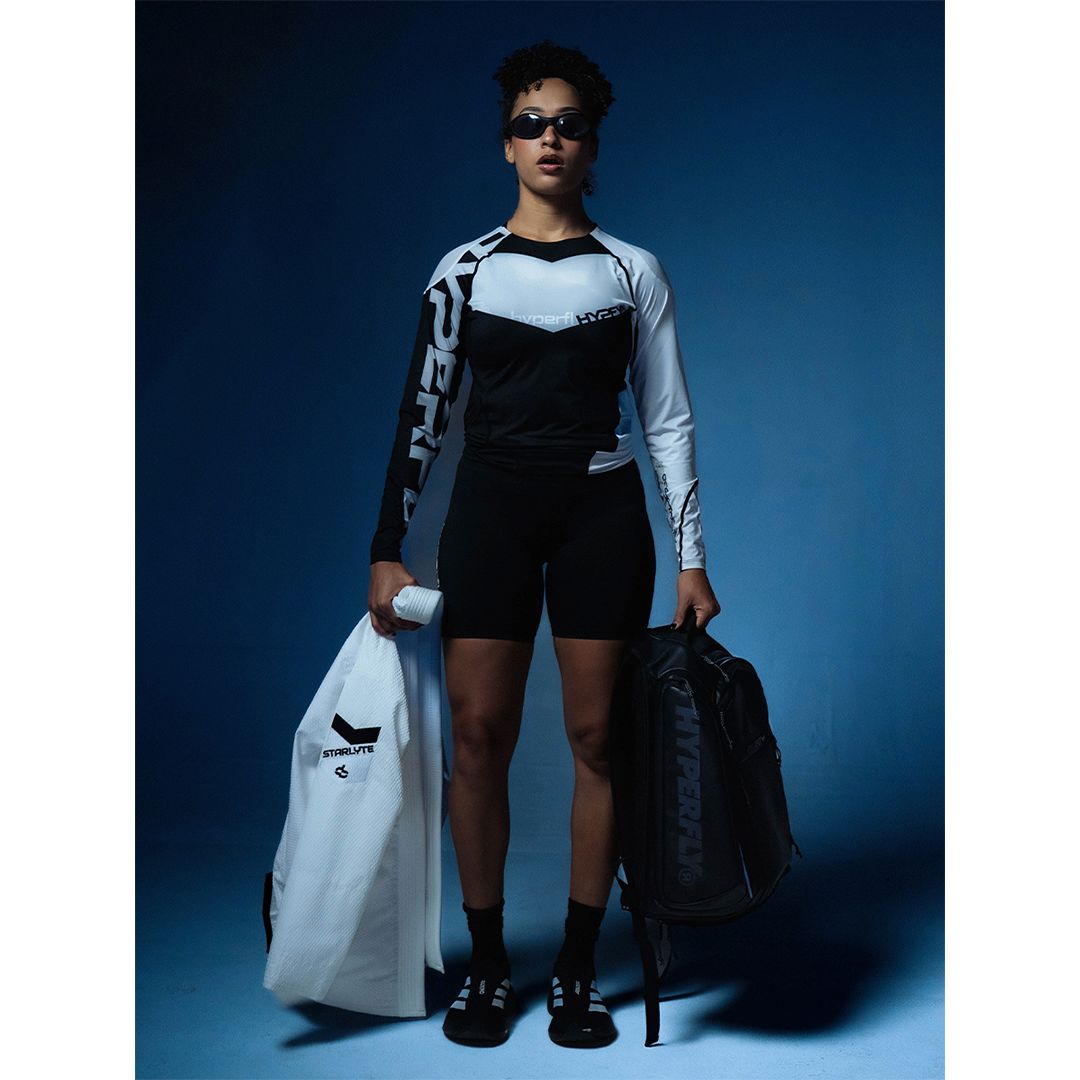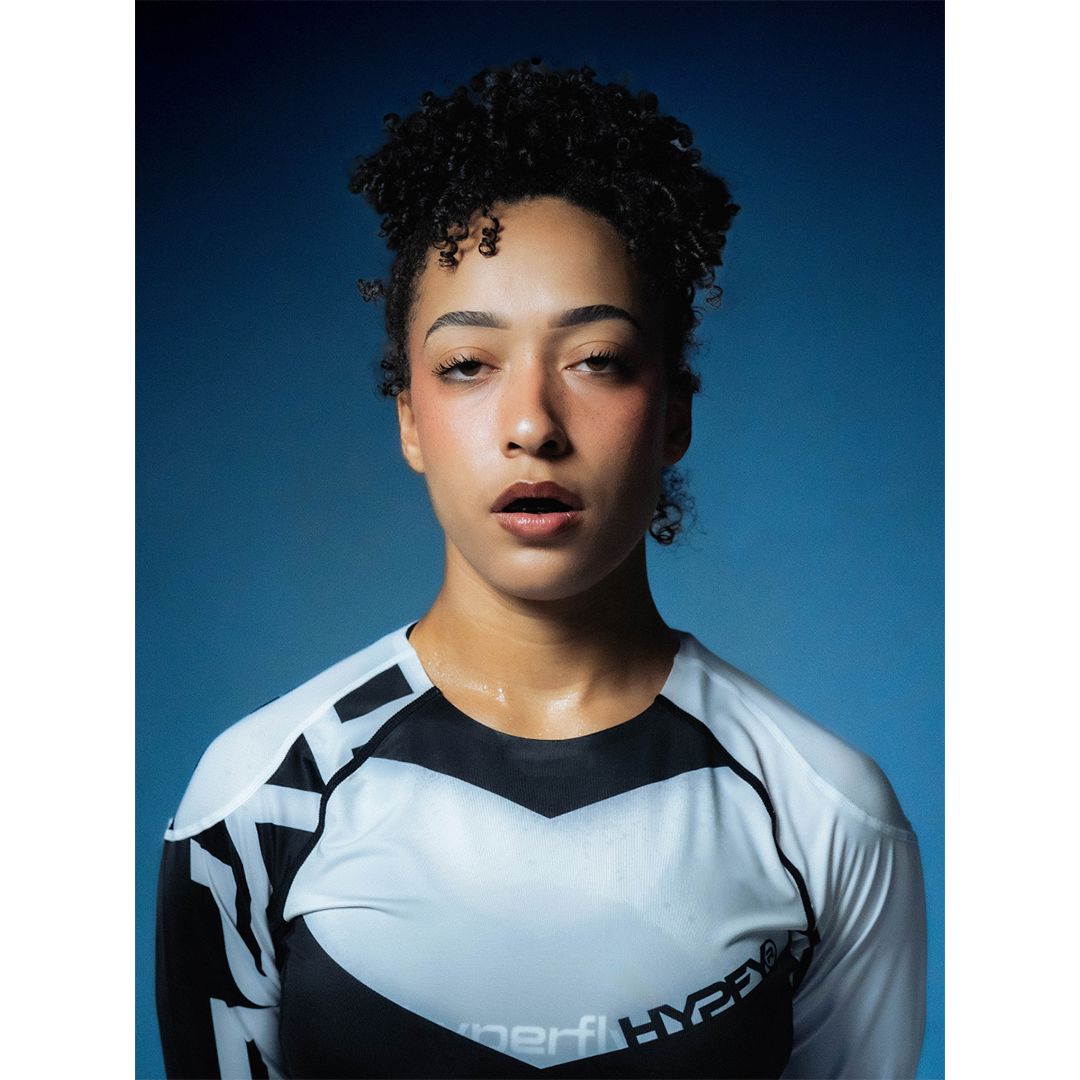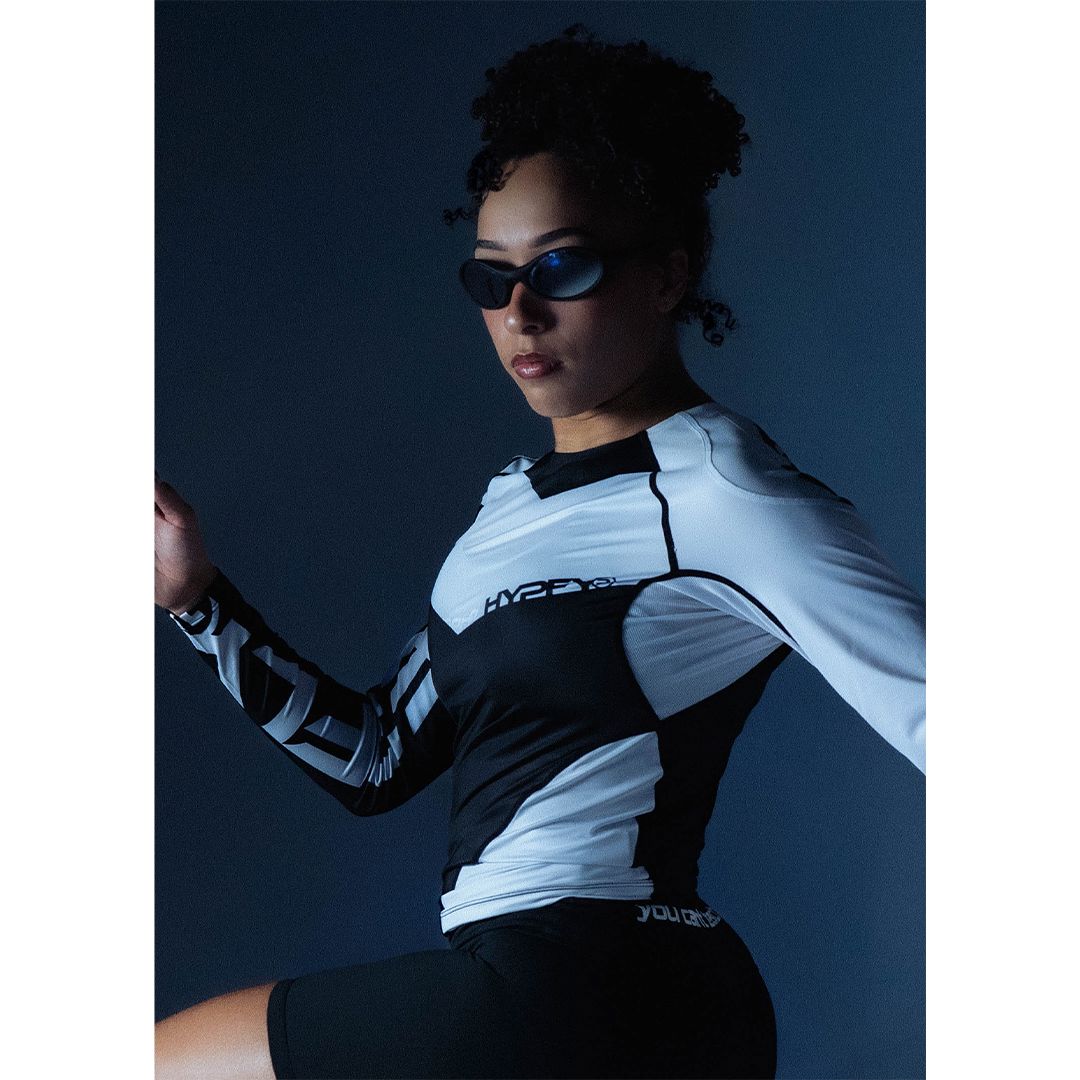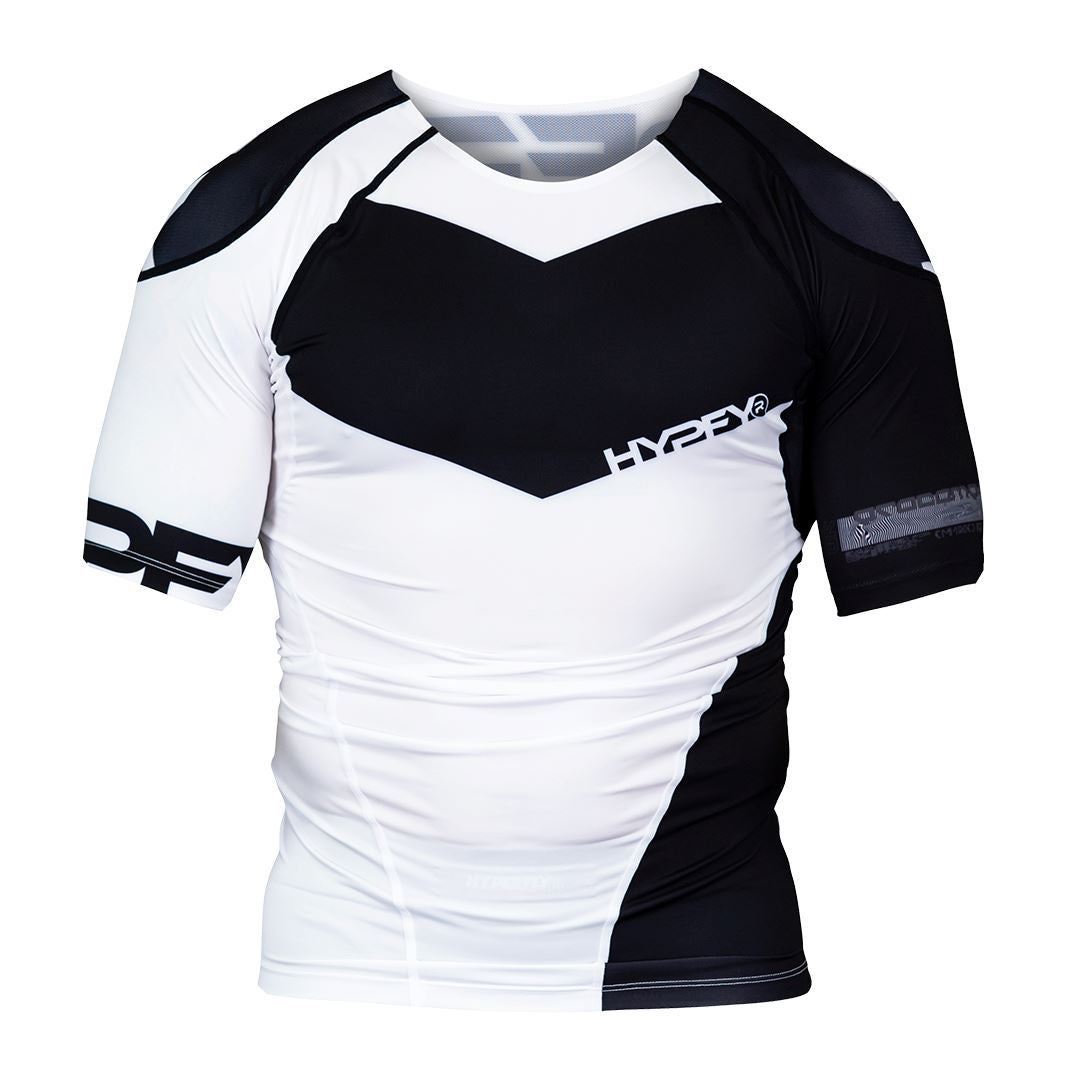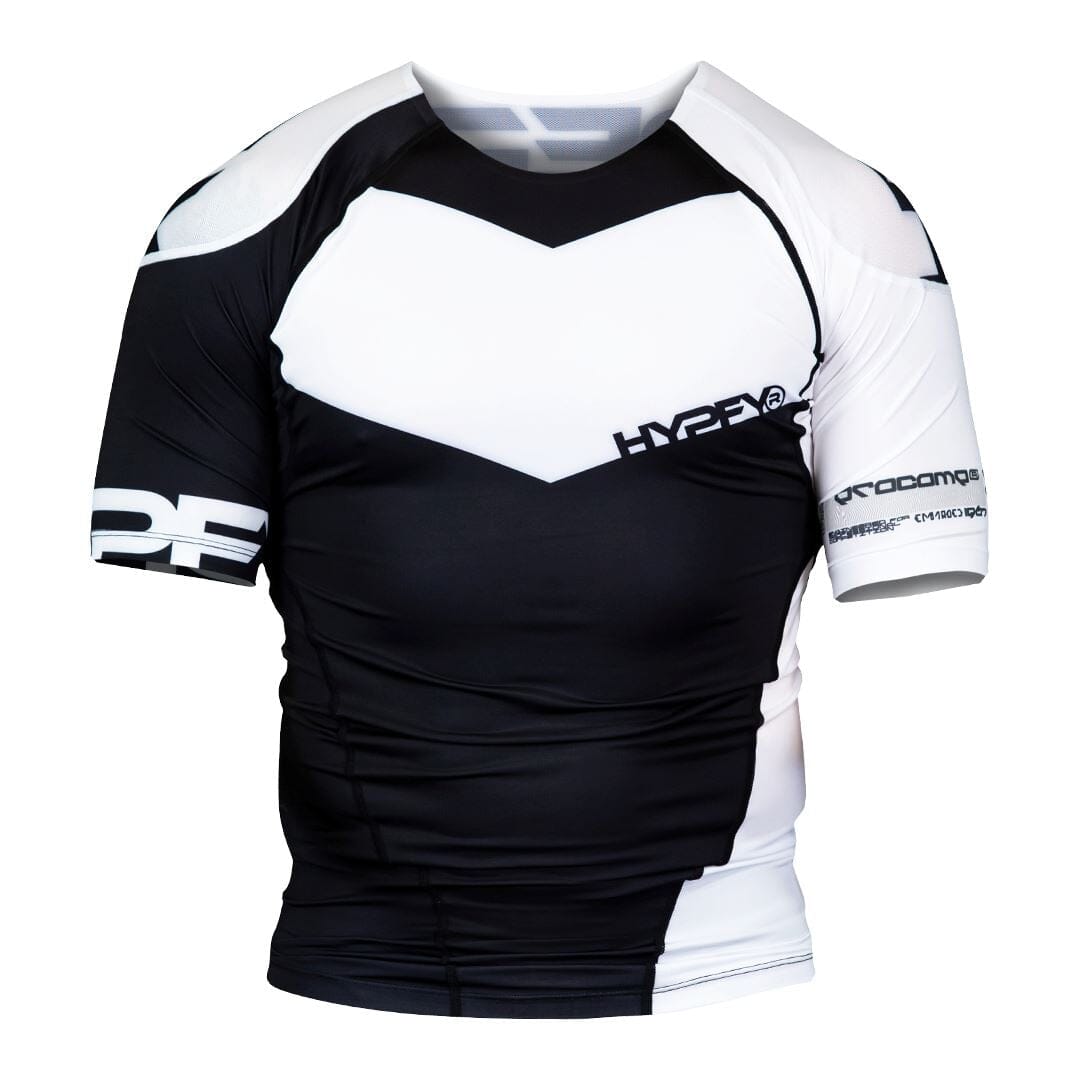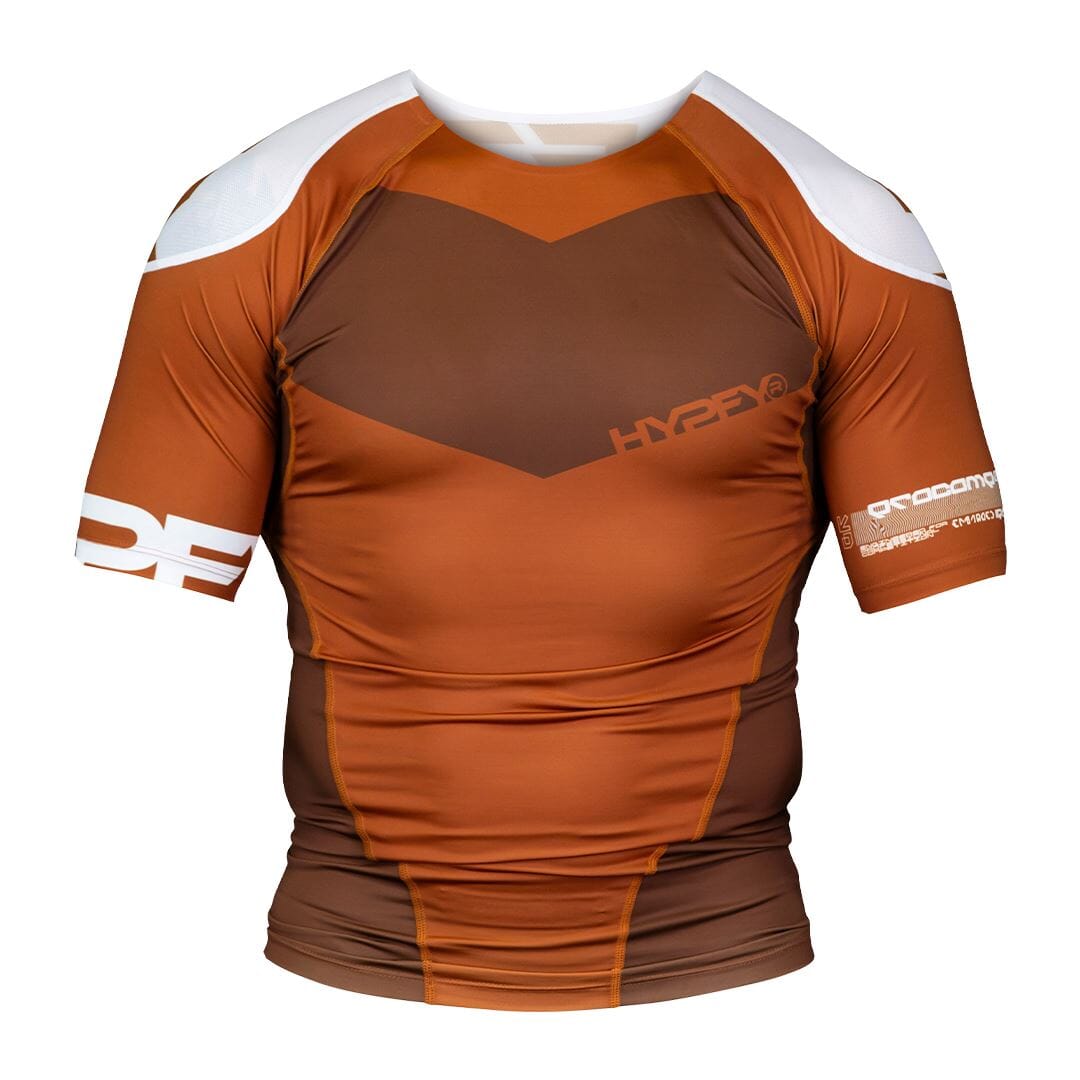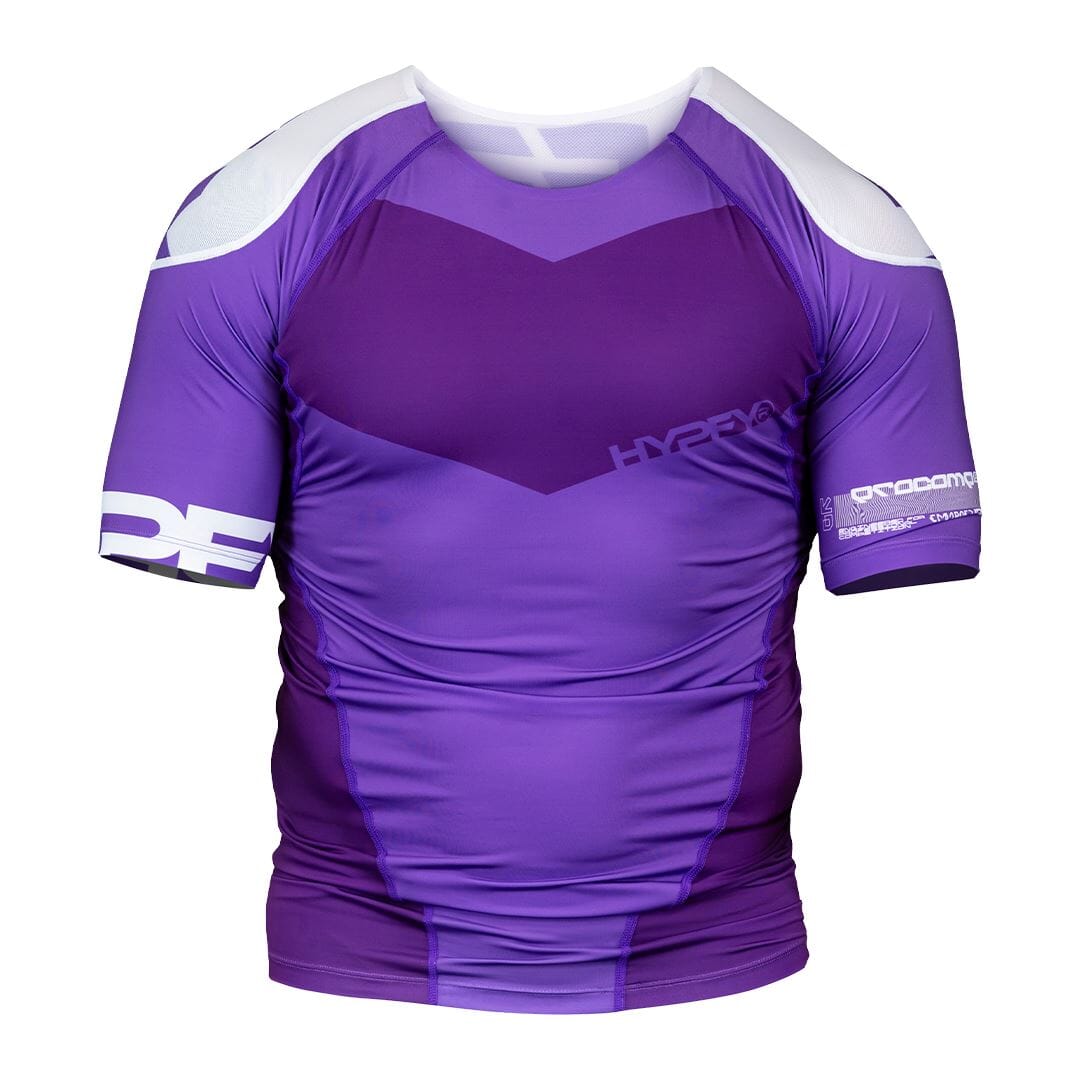
Starting no gi jiu jitsu comes with a different gear list than gi training, and it trips up a lot of new grapplers. There's no kimono to hide behind, so your gear actually matters more, not less. Here's everything you need before your first no gi class, and a few things you can skip until later.
The Essentials
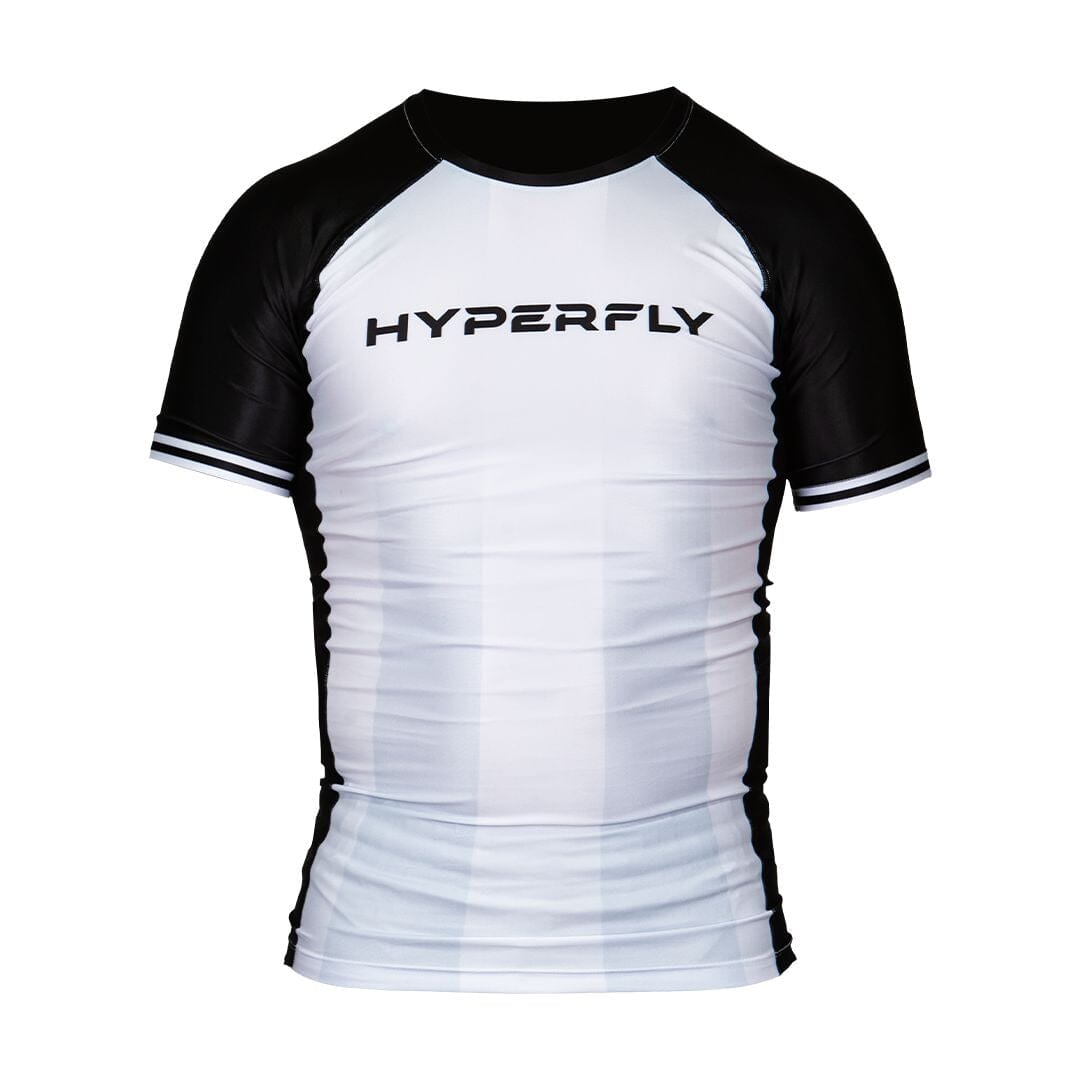
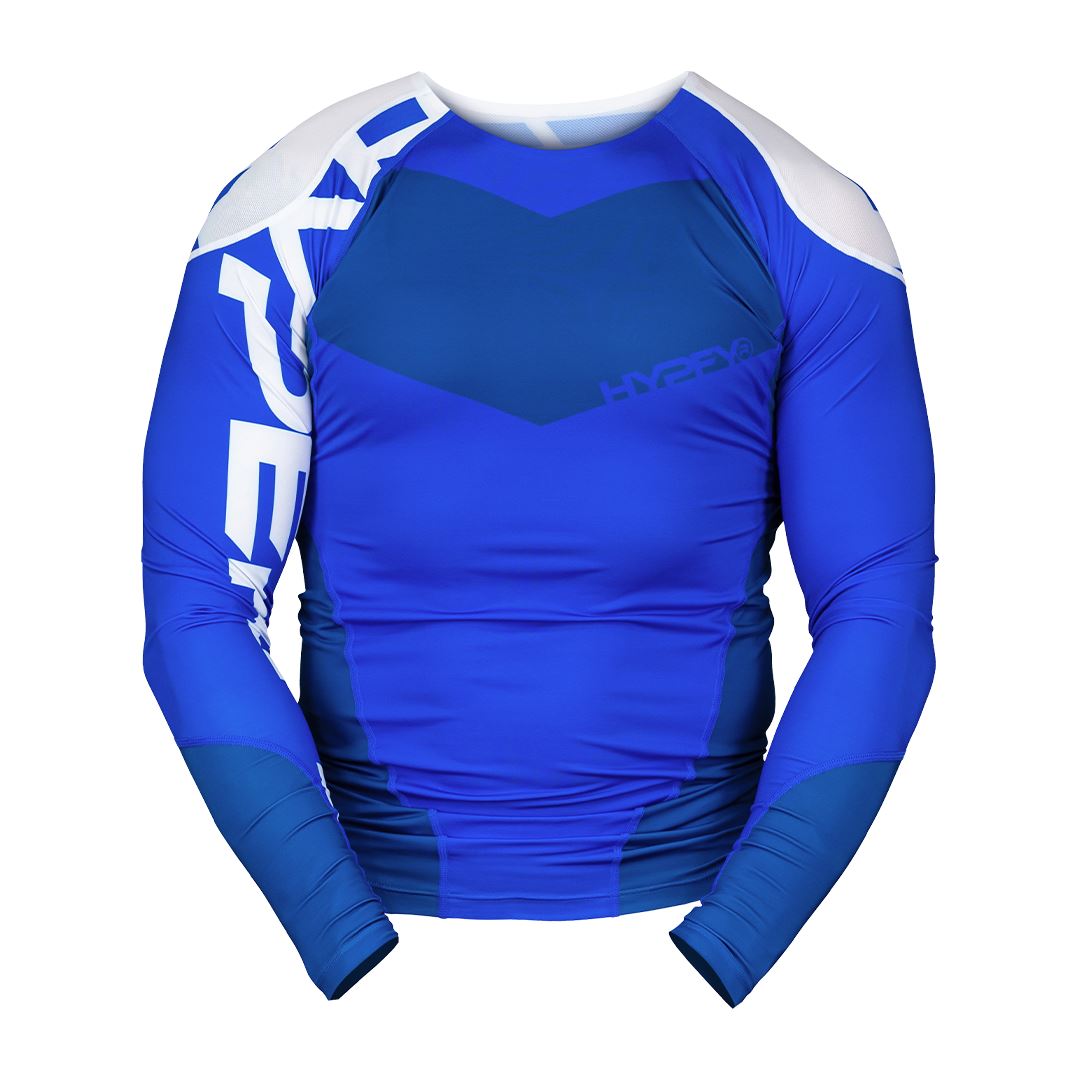
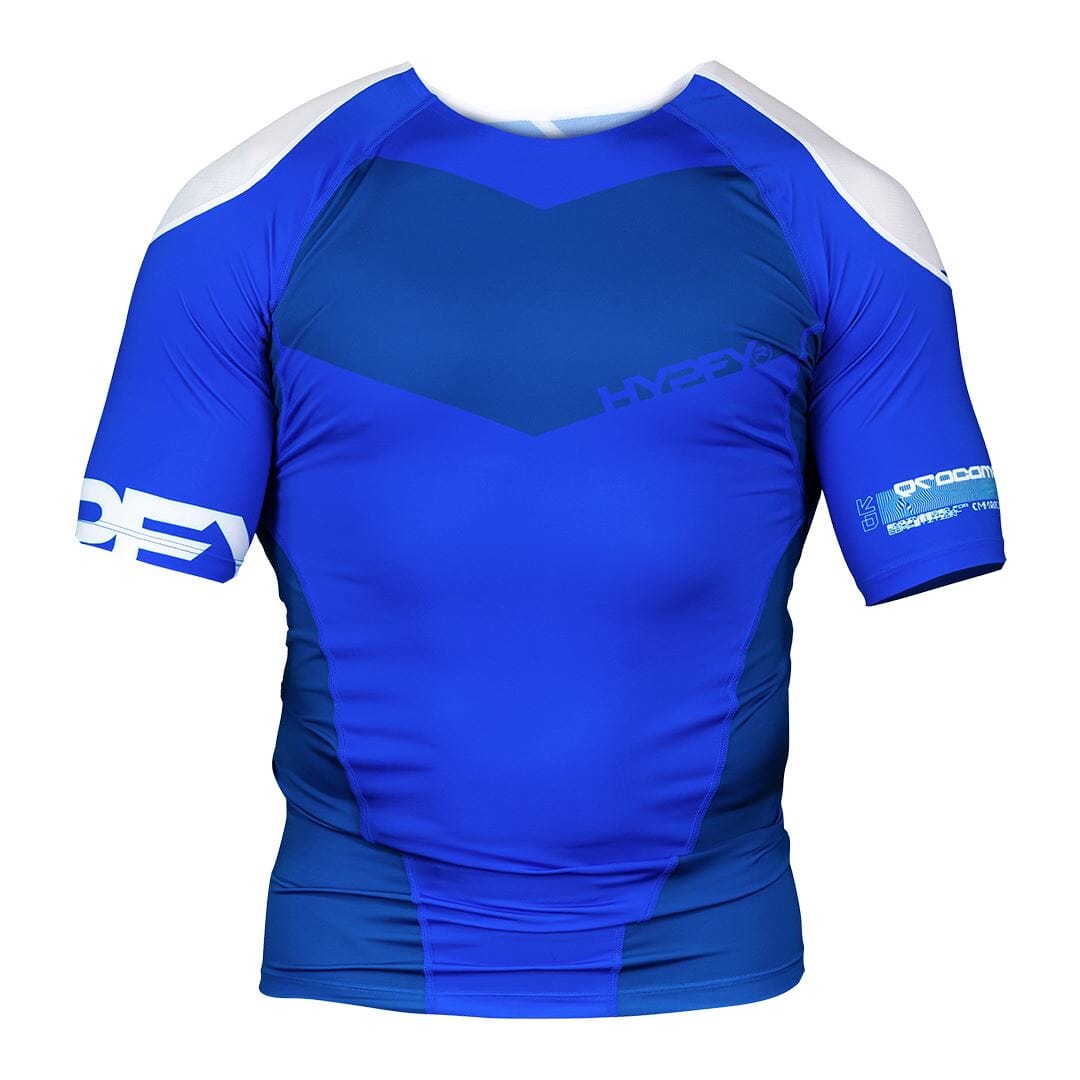
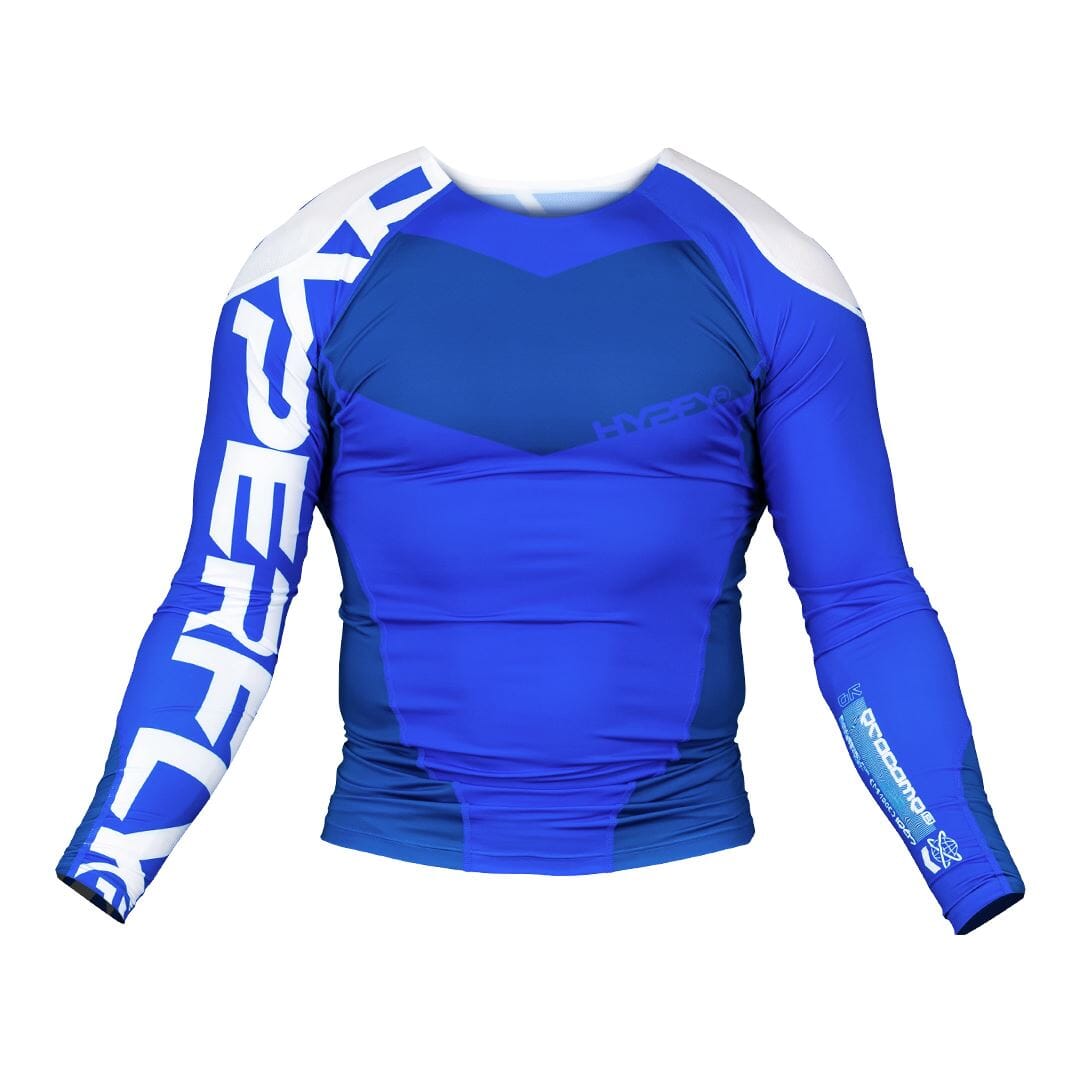
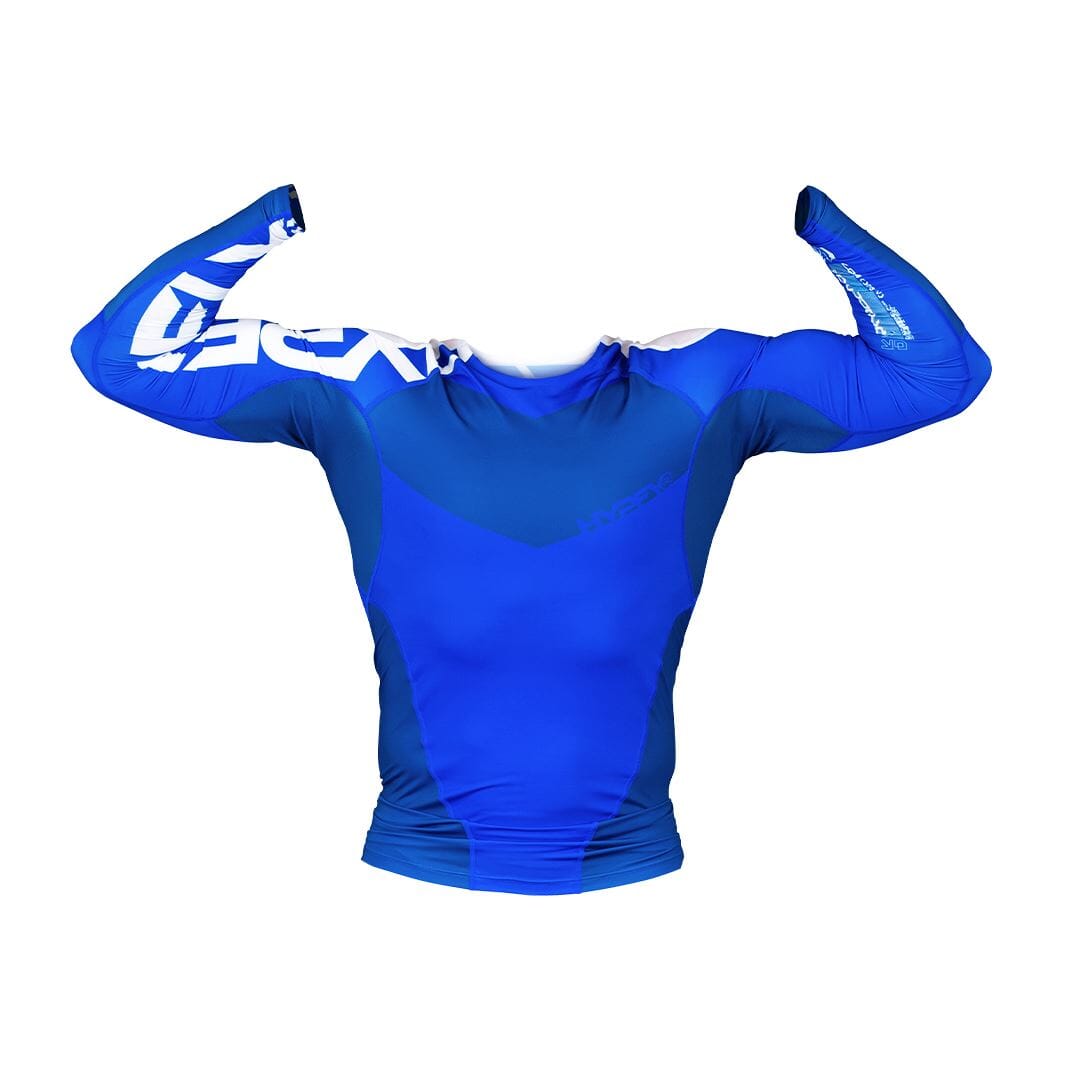
Rash guard:
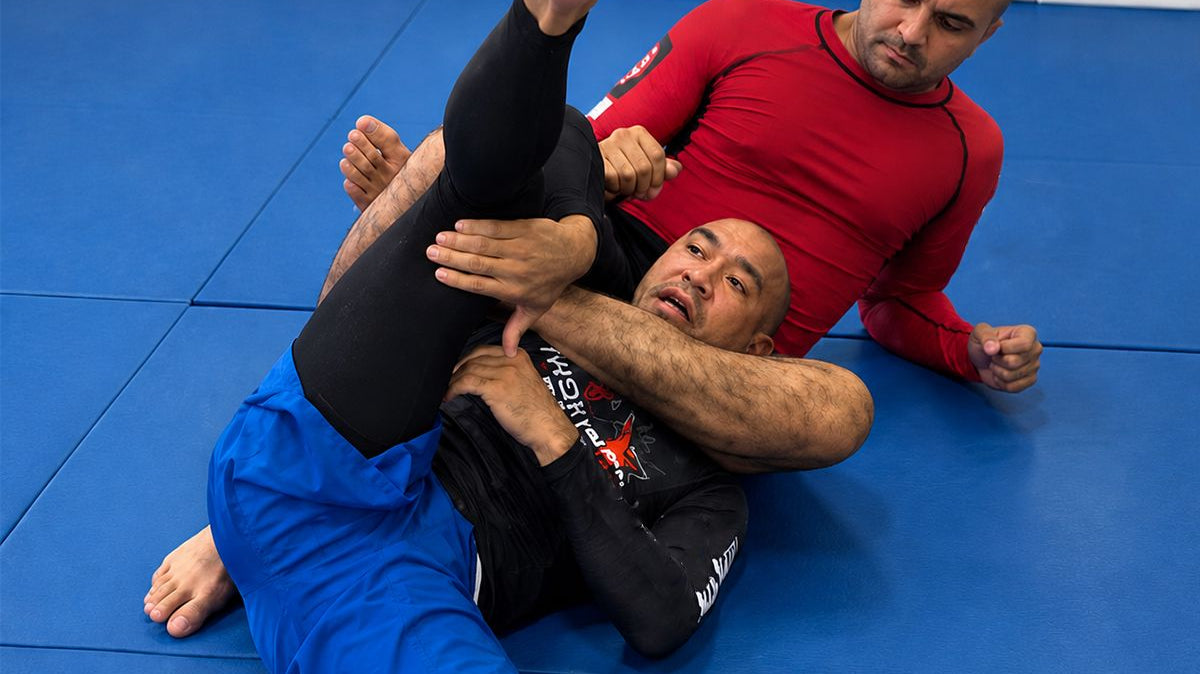
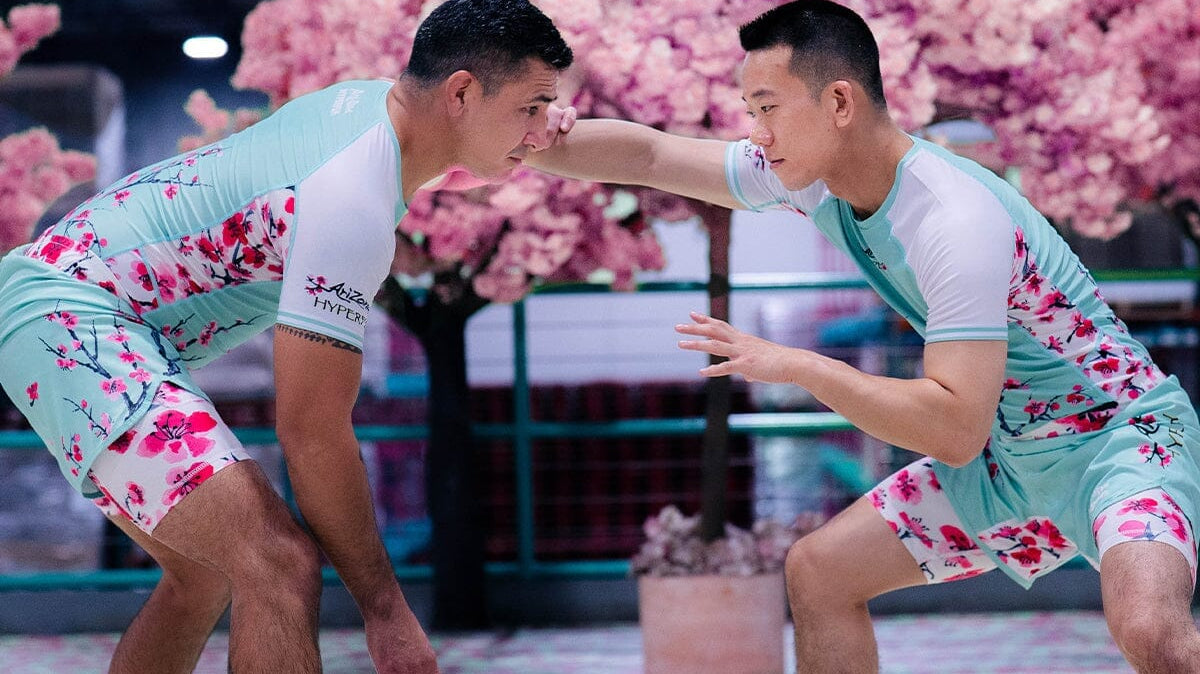
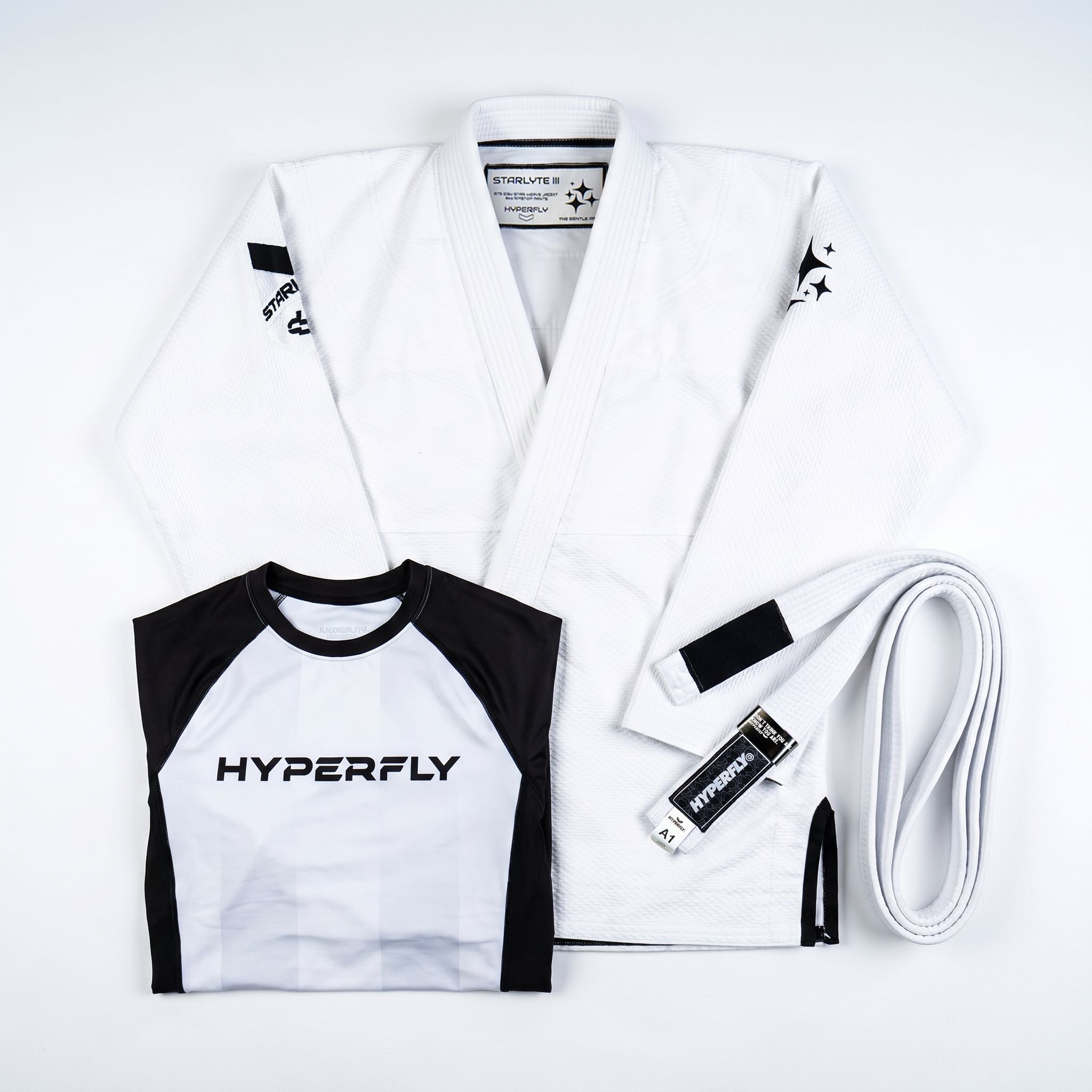
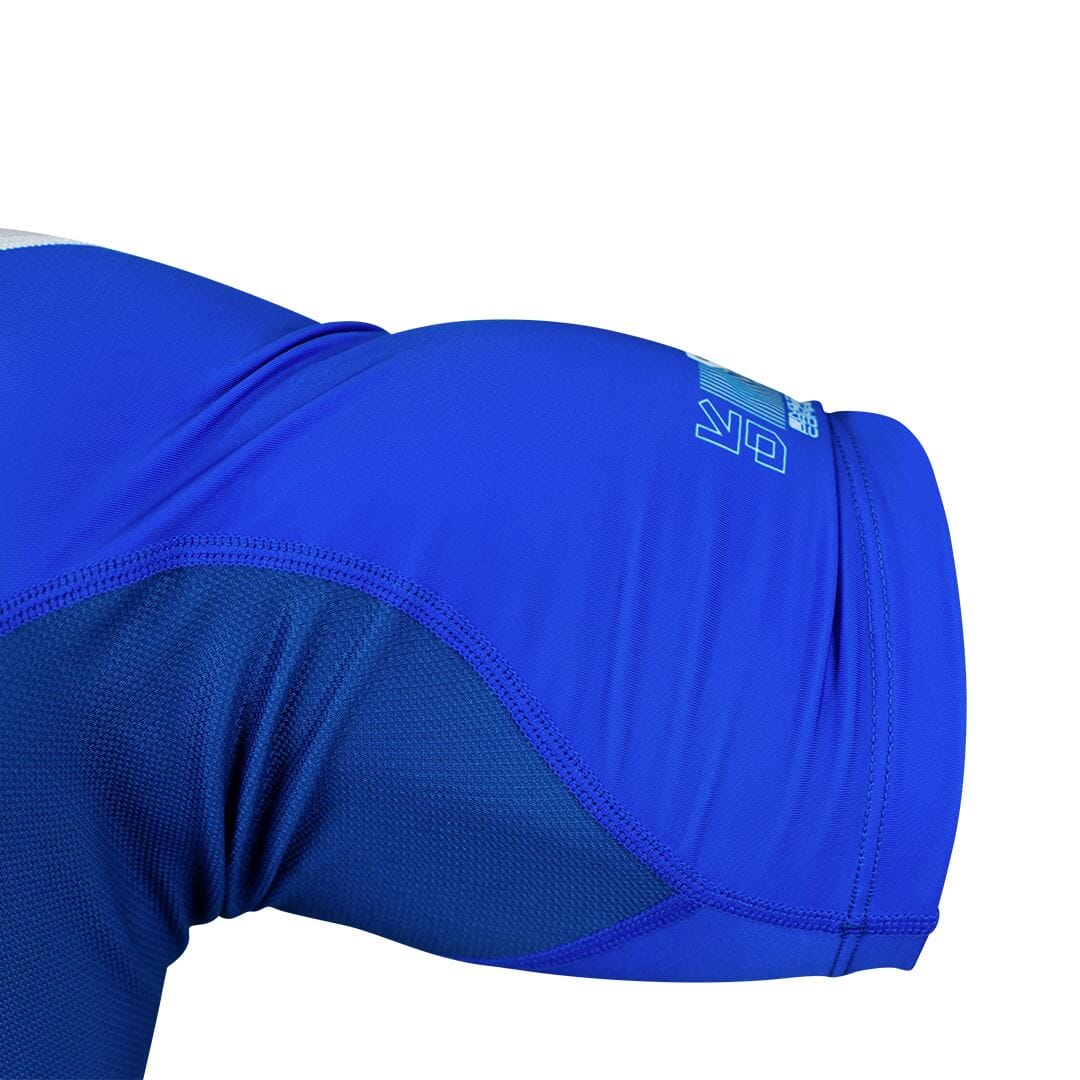
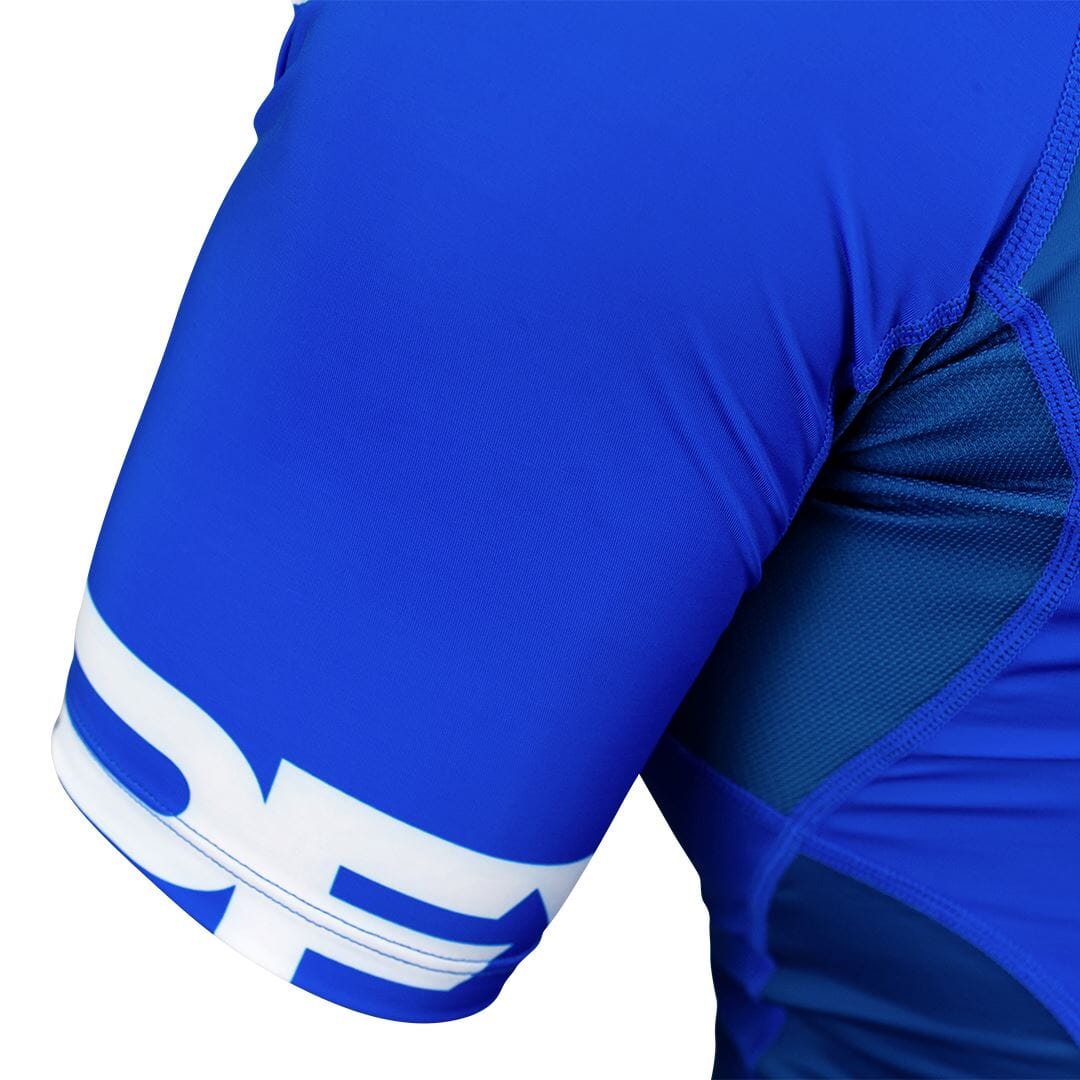
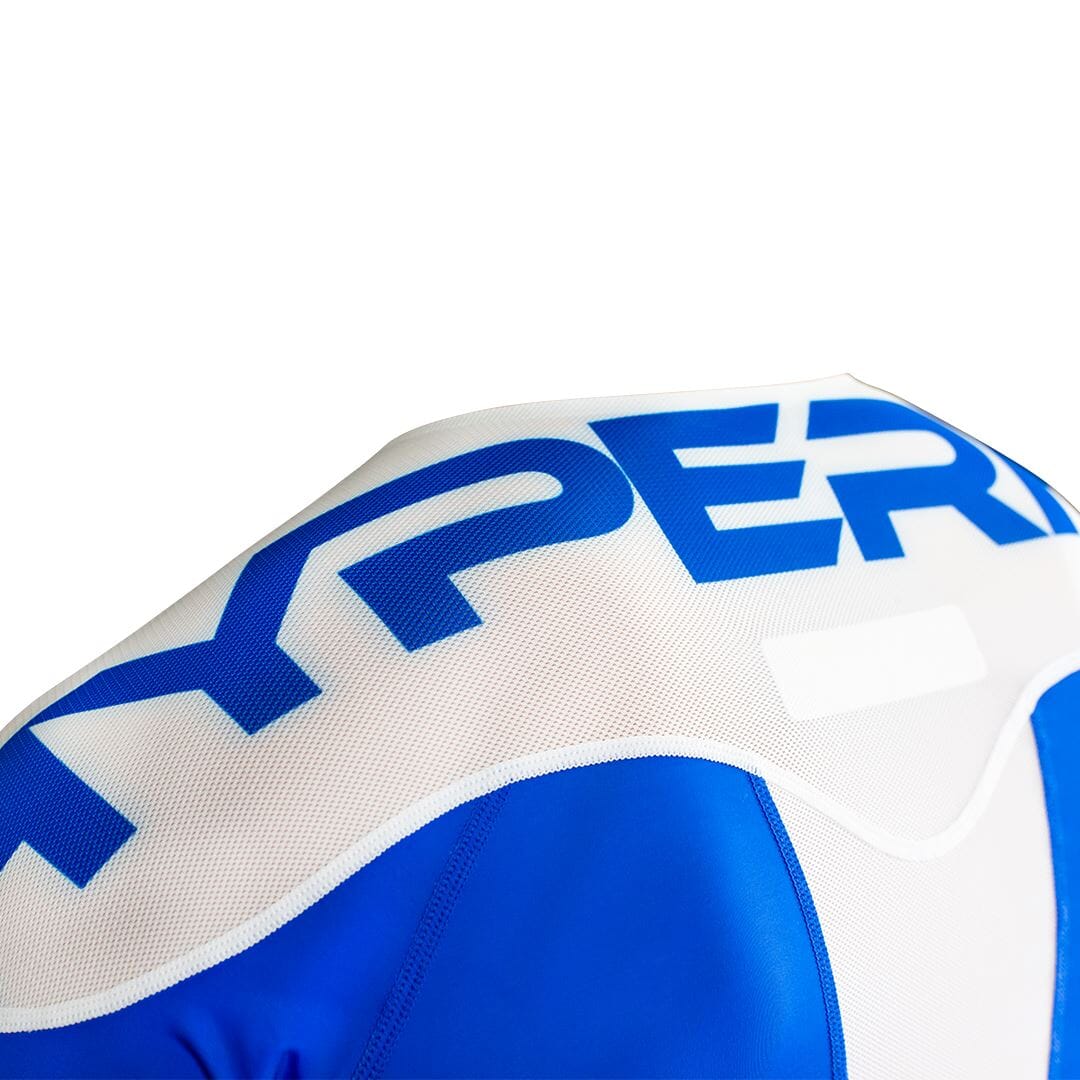
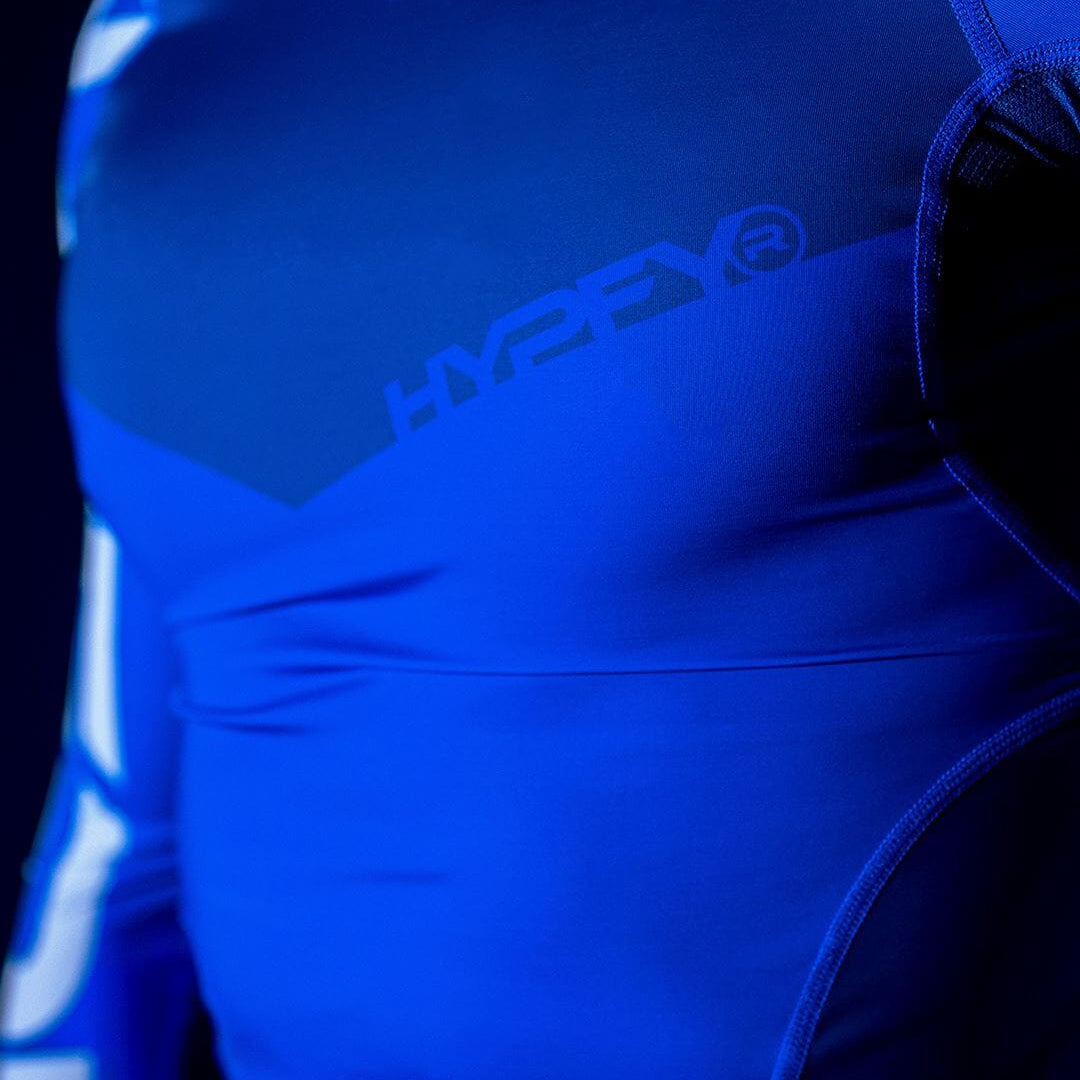
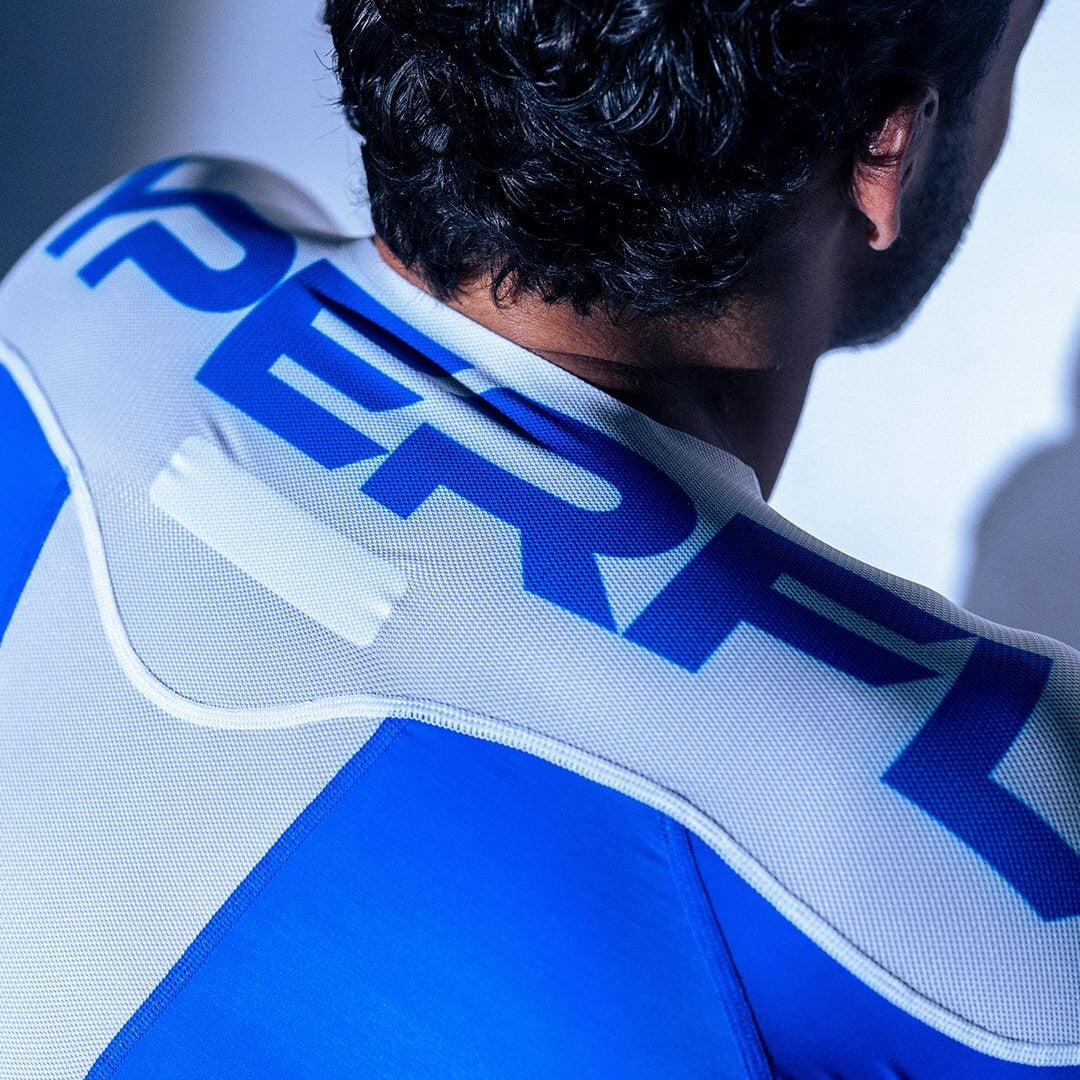
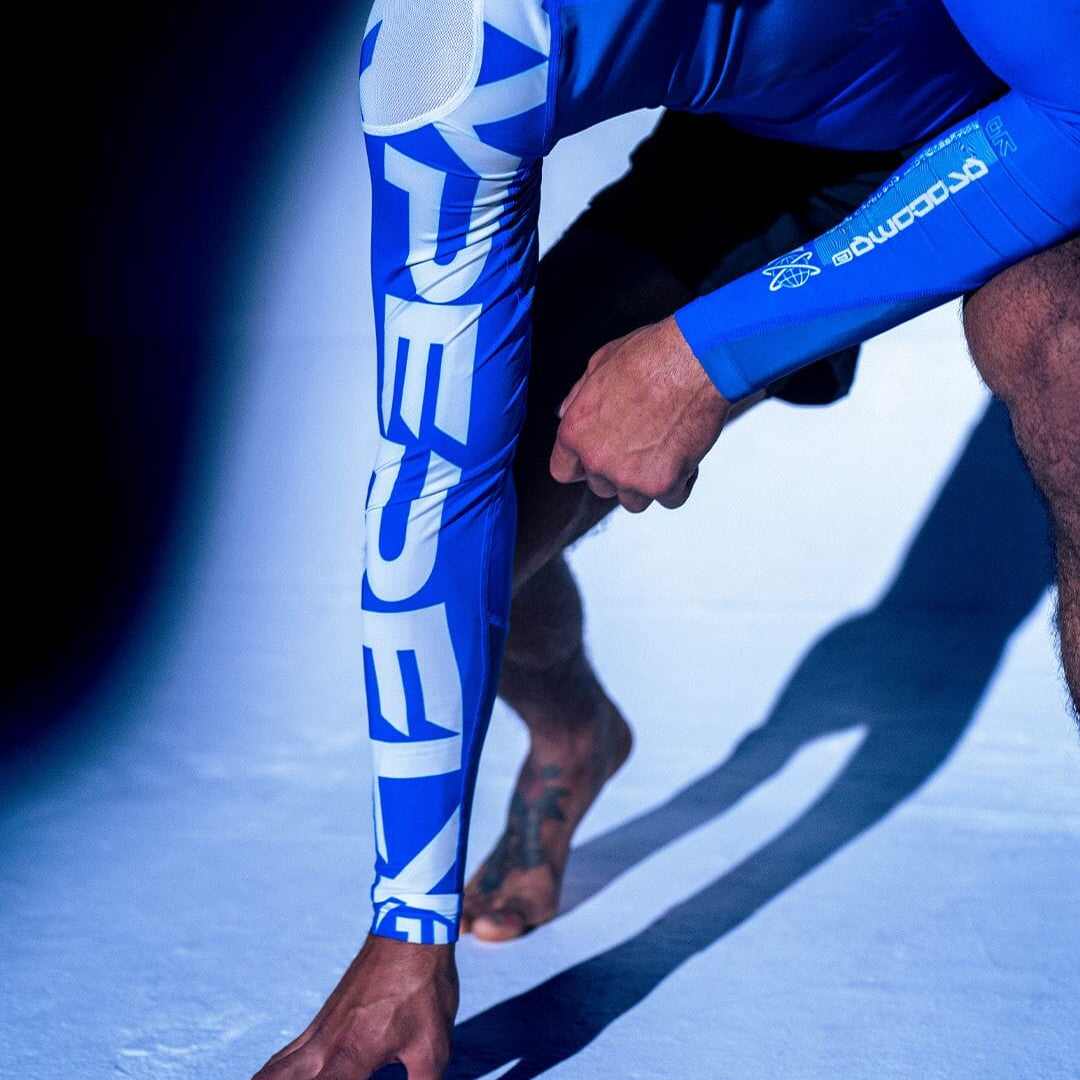
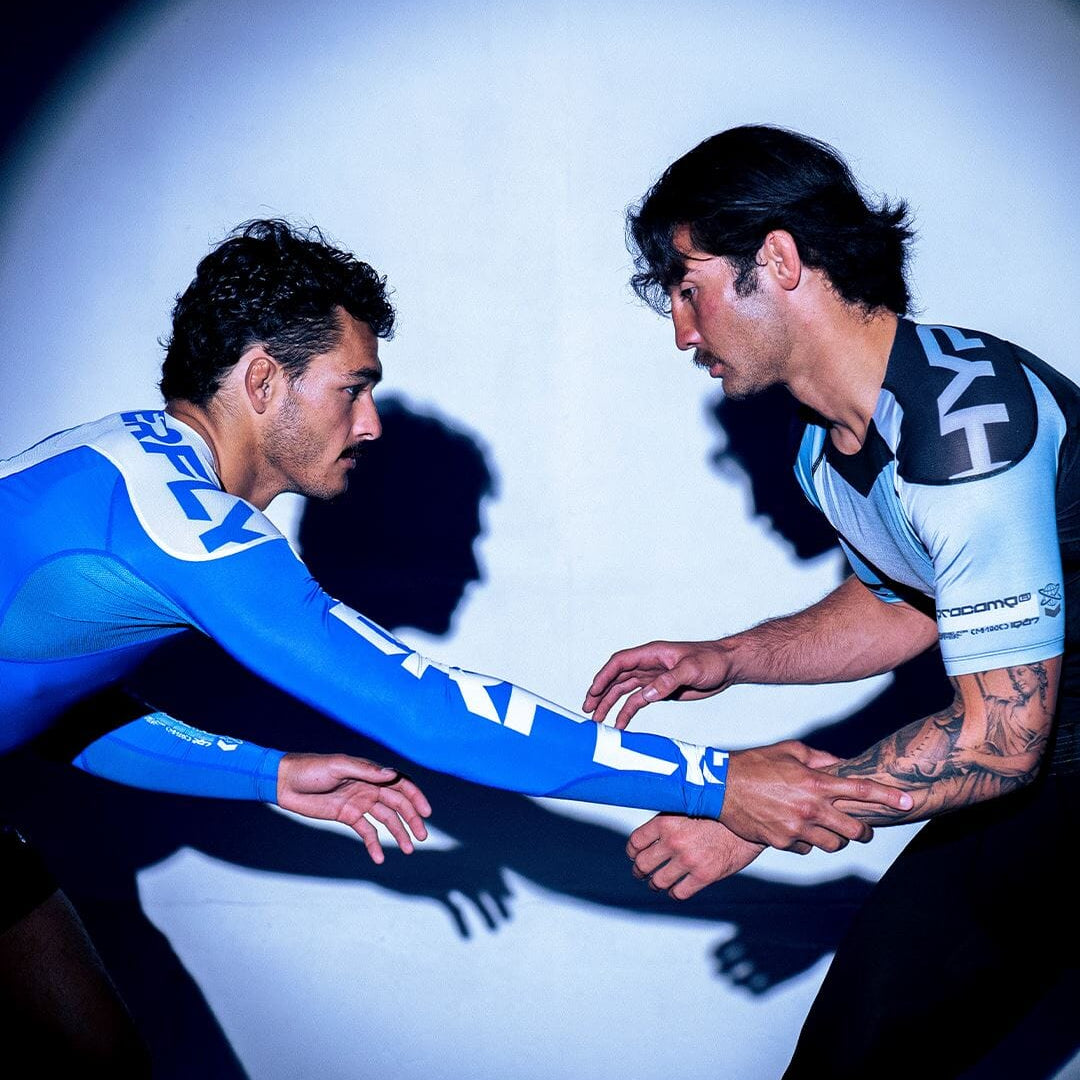
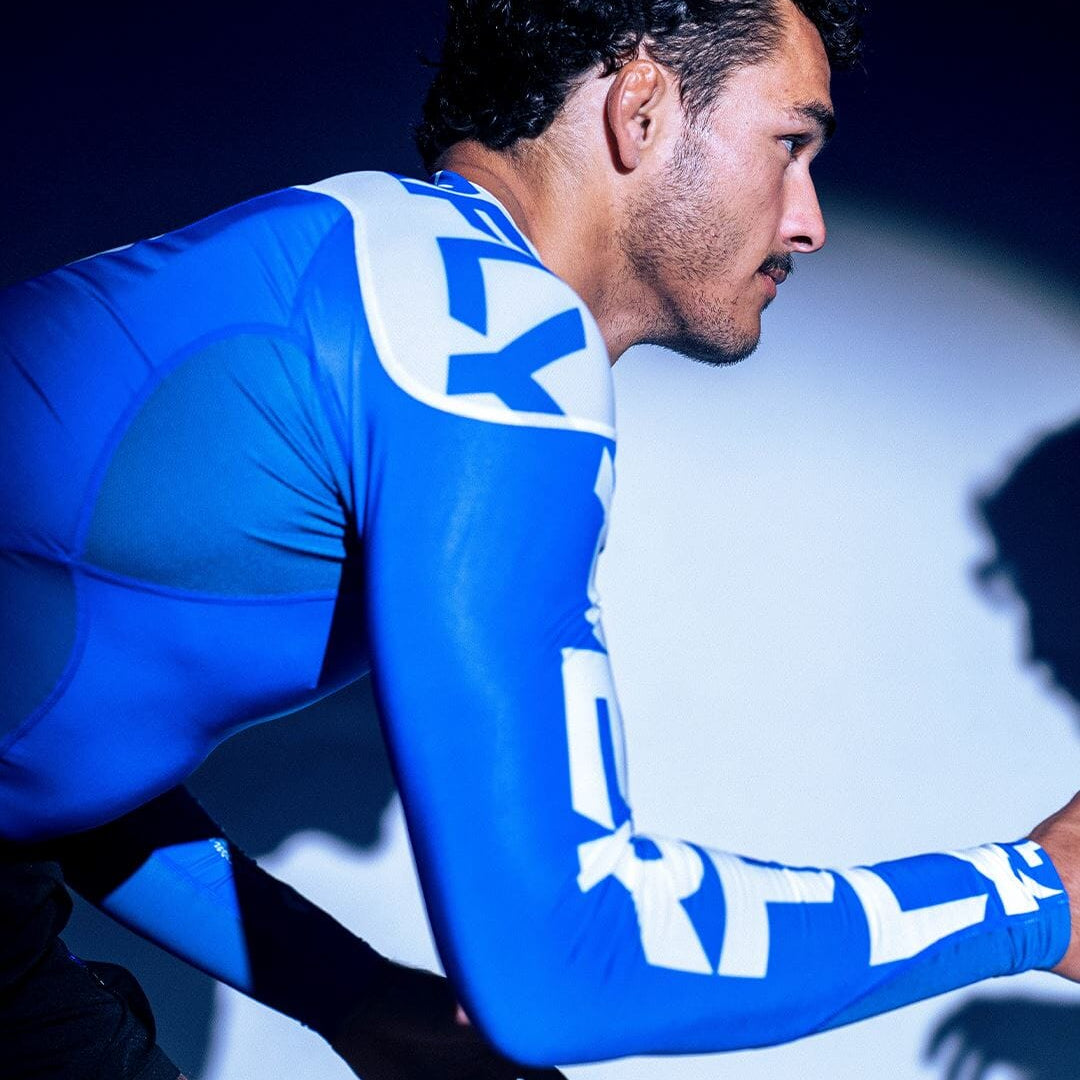
This is your base layer and your most important piece of no gi gear. A good rash guard wicks sweat, resists tearing under grip fighting, and stays put during scrambles. Compression fit is standard for no gi because loose fabric gives your opponent something to grab, which somewhat defeats the purpose of training without a gi in the first place.
You'll want at least two, since you're going to sweat through them fast and washing one after every session isn't always realistic.
Long sleeve or short sleeve is mostly personal preference. Long sleeve gives a bit more coverage for mat burn and skin-to-skin contact, which some people prefer for hygiene reasons. Short sleeve is cooler and gives you a bit more mobility for grip work.
Grappling shorts:
Regular athletic shorts don't work here. No gi grappling shorts are built without belt loops or pockets, since those catch fingers and toes during scrambles and can cause injuries. Look for a flat waistband, side slits for hip mobility, and a durable stitched construction that can handle repeated stretching.
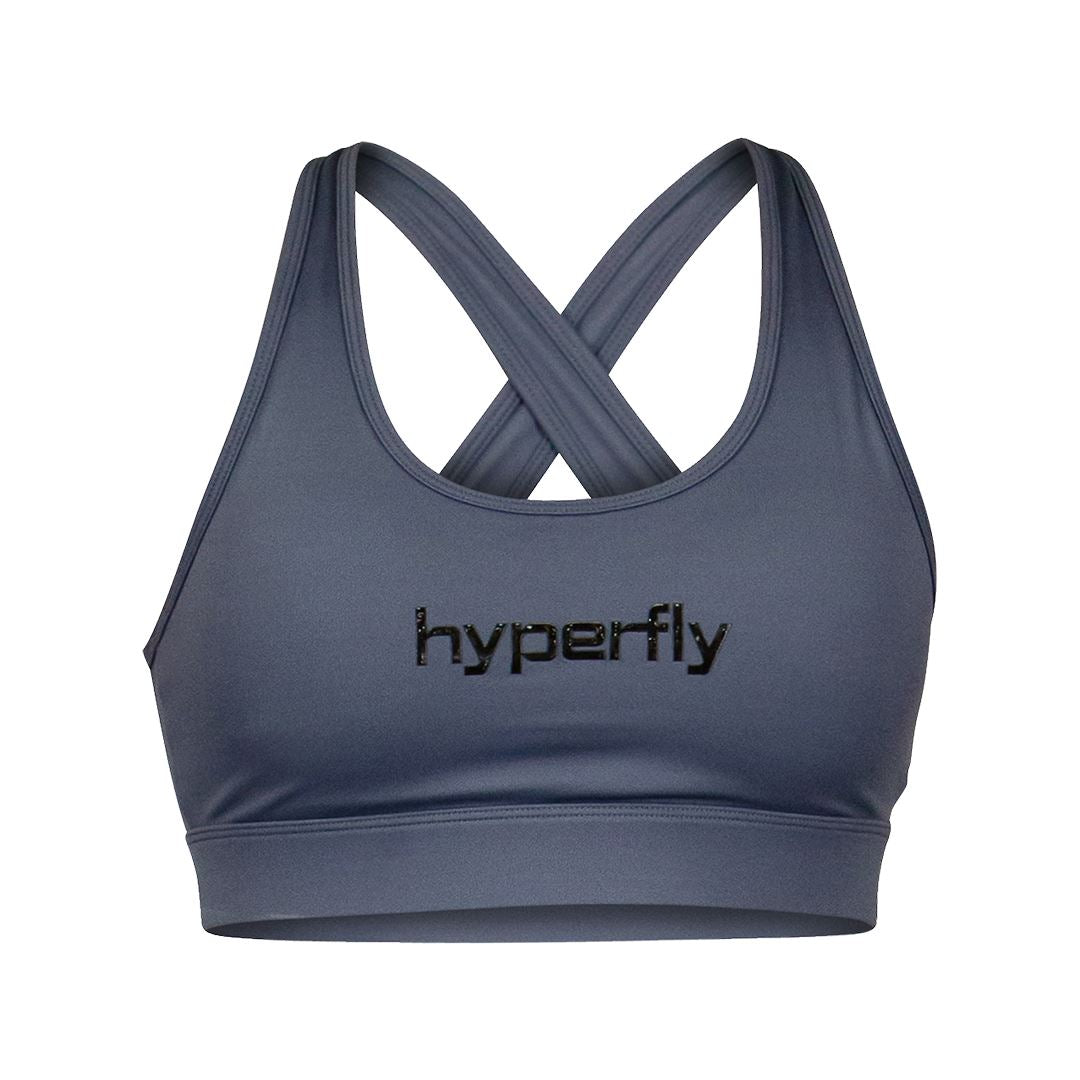
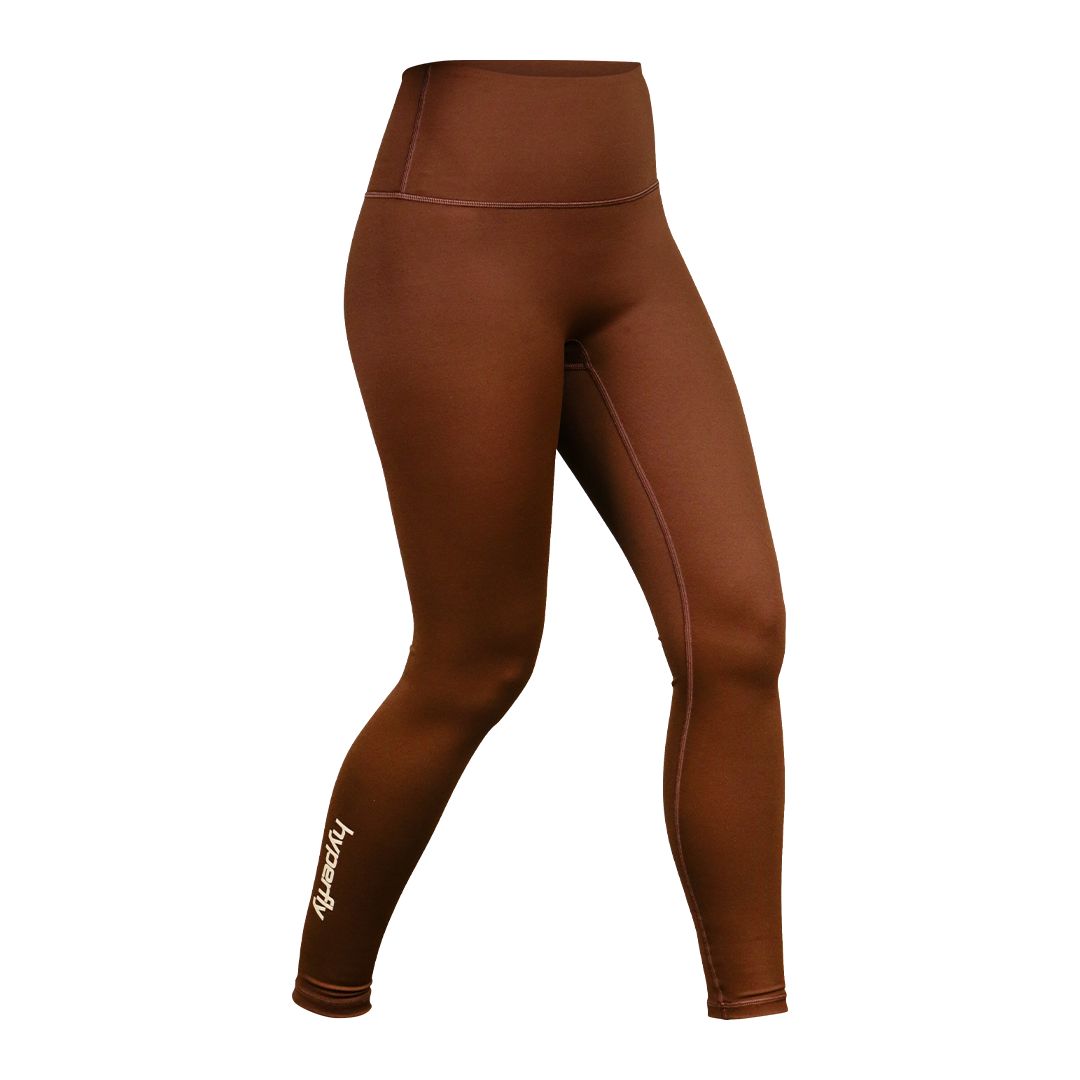
Compression spats or shorts:
Spats (full-length compression leggings) go under your shorts and serve the same purpose as a rash guard for your legs: skin coverage, mat burn protection, and no loose fabric to grab. Not every gym requires spats, but most experienced no gi practitioners wear them.
Mouthguard:
A boil-and-bite mouthguard from a sporting goods store is fine to start. If you stick with grappling long term, a custom-fitted one from a dentist is worth the investment.
Highly Recommended
Athletic tape:
Finger and thumb tape prevents small joint injuries that come from grip fighting, especially once you start training more frequently. Most gyms have a resident expert happy to show you basic taping techniques.
Flip flops or slides:
Feet stay bare on the mat, but you'll want something to wear to and from it. Mat hygiene matters in a grappling gym, and walking barefoot into a locker room or bathroom is a good way to pick up a skin infection.
Gym bag with a separate compartment:
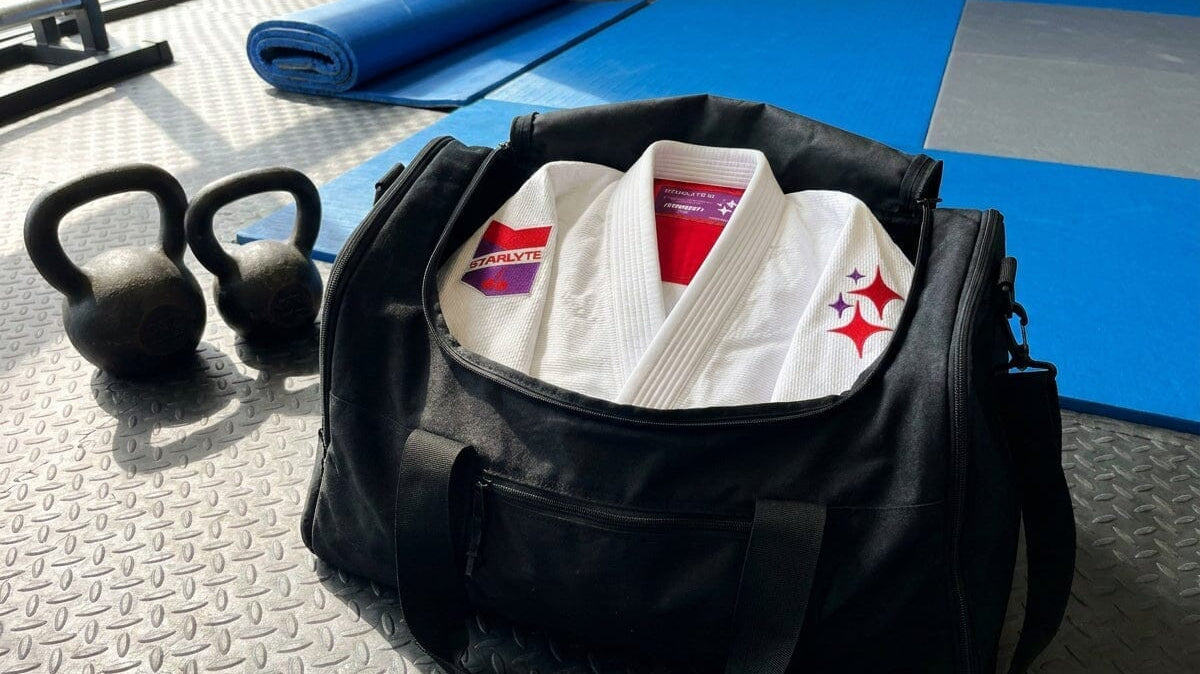
Sweaty gear needs airflow, or it starts to smell fast and doesn't fully dry between sessions. A bag with a vented or separate wet compartment keeps the rest of your bag from absorbing the smell.
Nice to Have, Not Urgent
Knee pads or sleeves:
Useful if you have any history of knee issues or plan to train frequently, but not something you need on day one.
Ear guards:
More relevant if you're also doing wrestling-heavy training, since cauliflower ear comes from repeated friction and impact rather than a single session.
A second set of everything:
Once you're training more than a couple times a week, having a full backup kit means you're never stuck training in gear that didn't fully dry from the day before.
What You Don't Need
Skip the gi. That's the whole point of no gi. You also don't need striking gloves, shin guards, or anything designed for standup sports. And resist the urge to buy premium everything on day one. Start with a rash guard, shorts, and a mouthguard, then build out the rest of your kit as you figure out what actually matters to your training.
Care Tips That Extend Gear Life
Rinse rash guards and spats in cold water immediately after training if you can't wash them right away. Bacteria and odor set in fast in compression fabric. Always air dry rather than using a dryer, since heat breaks down the spandex fibers that give compression gear its stretch and shape over time.
New to no gi and not sure where to start? Browse Hyperfly's rash guards and no gi essentials built for grip fighting, sweat, and long training sessions.