Brazilian Jiu-Jitsu is one of the fastest-growing sports for women in the world right now, and for good reason. It builds real, functional strength. It's one of the most effective self-defense systems ever developed. And it will challenge you in ways you never expected.
Still, walking into a BJJ gym for the first time can feel intimidating. The mats, the gis, the terminology can all seem like a foreign world. This guide is here to demystify that first step and give you an honest picture of what starting BJJ actually looks like as a woman.
Why Women Are Choosing BJJ
Unlike striking arts, BJJ levels the playing field in a profound way. Technique, leverage, and timing matter far more than size or raw strength. A smaller, well-trained practitioner can genuinely control and submit a much larger opponent. For women, that's not just an interesting concept. It's transformative.
Beyond the practical self-defense benefits, BJJ is an incredibly rich problem-solving sport. Every roll (sparring session) is a live puzzle. You're constantly reading your opponent, adapting your position, and thinking several steps ahead. Many women describe it as physical chess, and they get hooked fast.
What Your First Few Months Look Like
There's no sugarcoating it: the beginning of BJJ is humbling. You will tap (submit) often. You will feel confused about positions. You will get lost during drills. This is completely normal and it happens to everyone, regardless of athletic background.
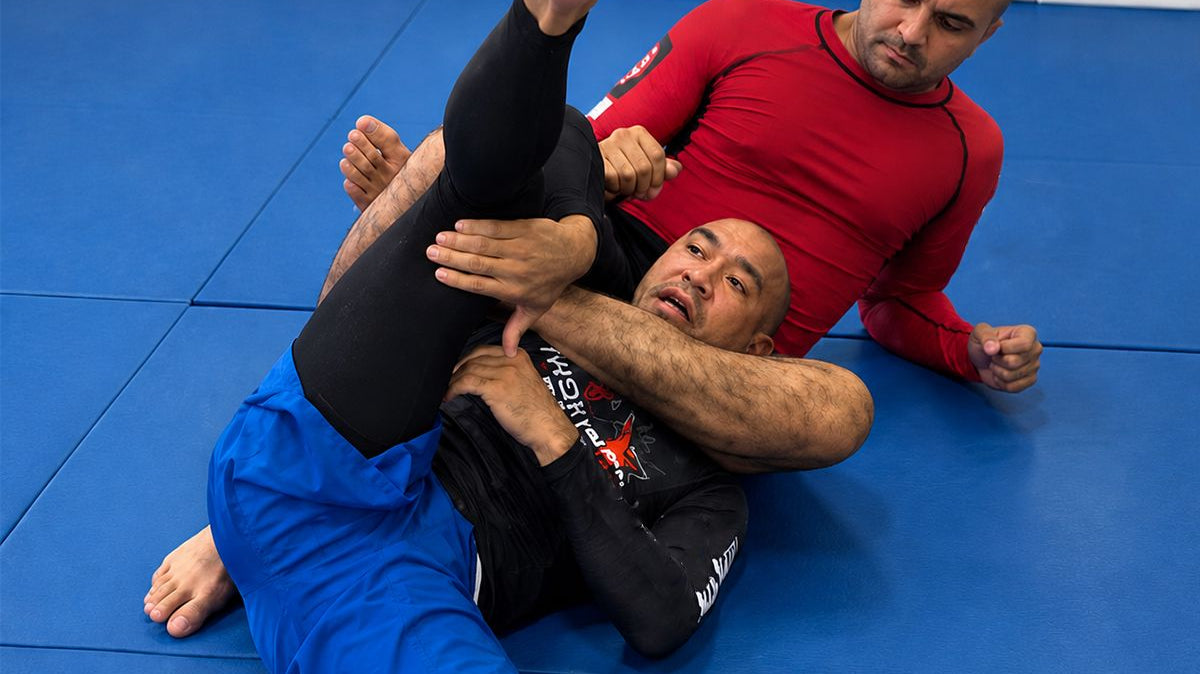
Most gyms structure beginner classes around fundamental movements: how to fall safely, basic guard positions, simple escapes, and a handful of core submissions like the rear naked choke and armbar. You won't be thrown into live sparring immediately at most reputable academies.
By months two and three, something starts to shift. Movements that felt foreign become instinctive. You start recognizing positions. And you begin to catch people with a technique you drilled. That feeling is unlike anything else in sport.
Finding the Right Gym
Your gym environment matters enormously, especially as a woman. Here's what to look for:
Ask about the female student count. A gym with more women on the mats is a strong signal of an inclusive culture. Watch a class before signing up and pay attention to how the instructor handles corrections and how higher belts treat lower belts. Look for women-only classes, which many gyms now offer and which can be a fantastic bridge for beginners to build confidence before joining co-ed sessions. And trust your gut. You should feel welcomed and respected from your very first visit.
What to Wear
For your first class, most gyms will let you wear athletic shorts and a fitted t-shirt or rash guard. After that, you'll want to invest in proper equipment.
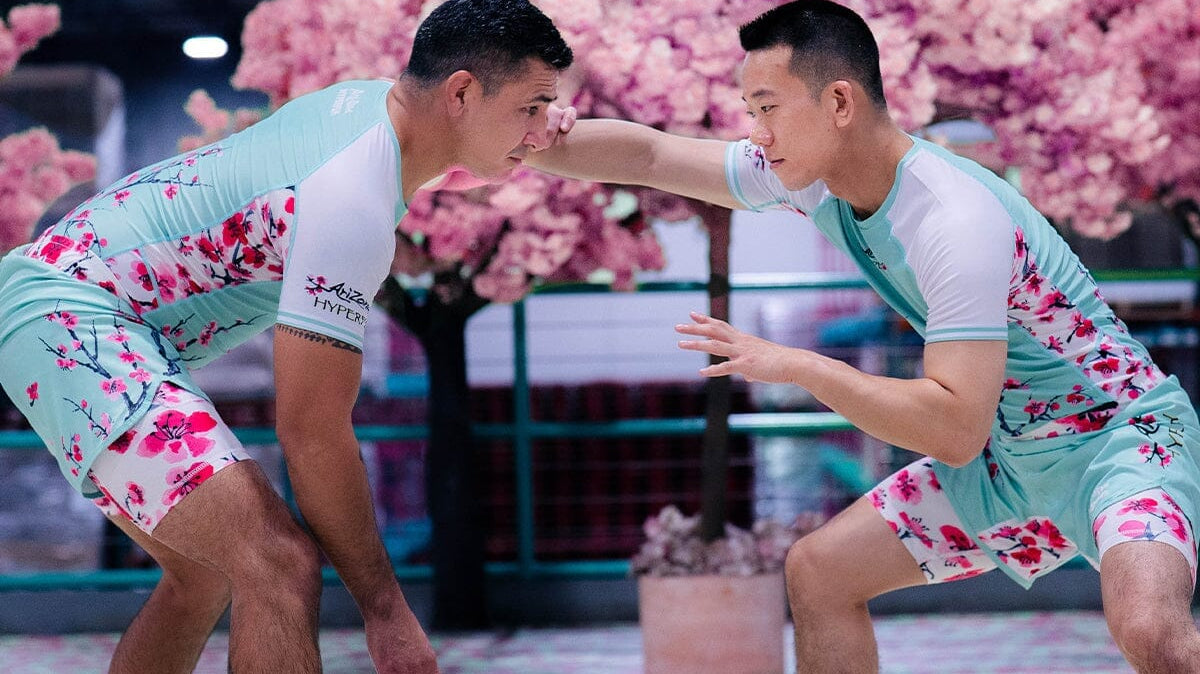
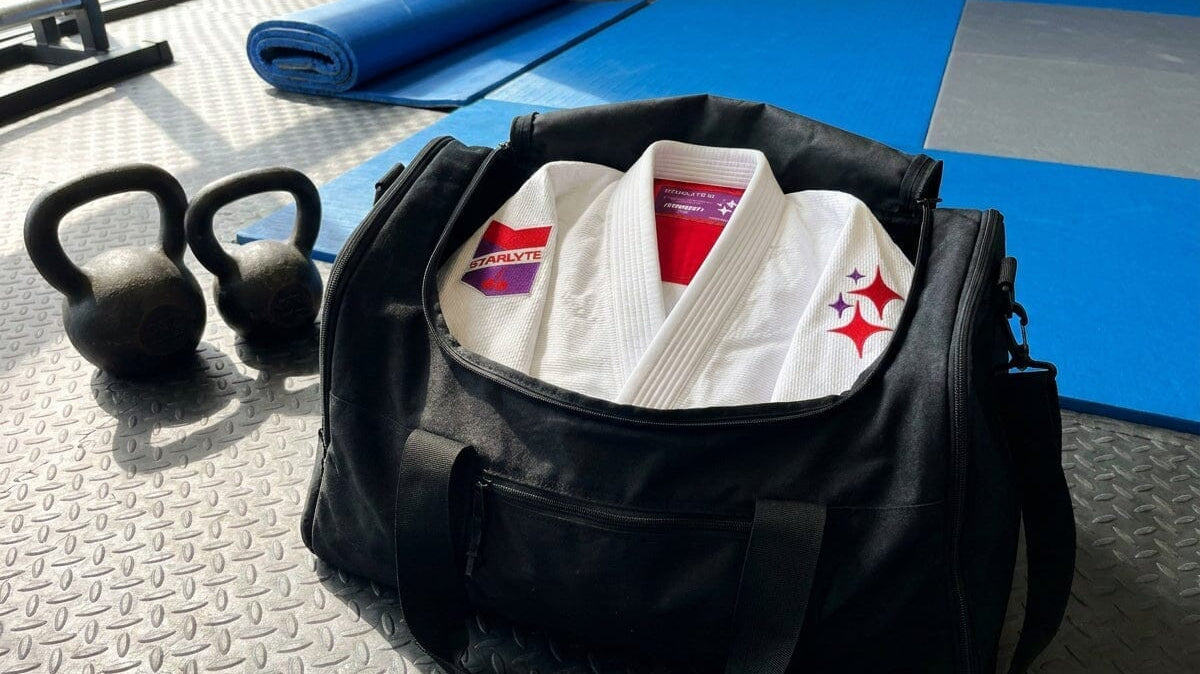
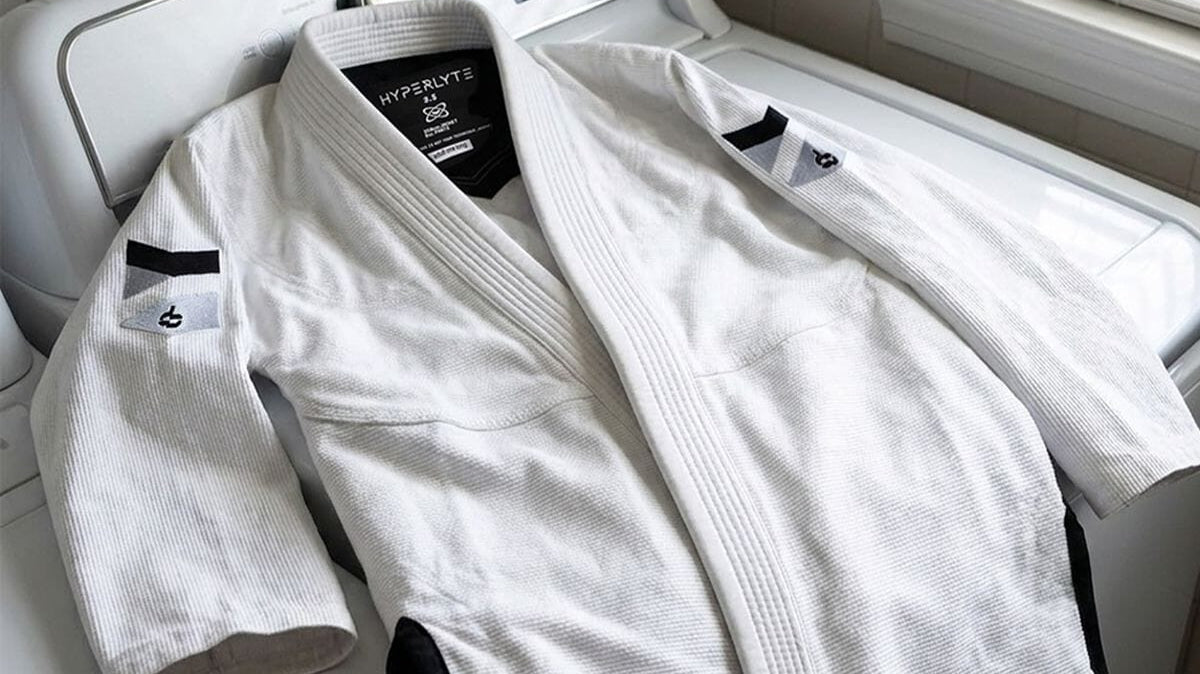
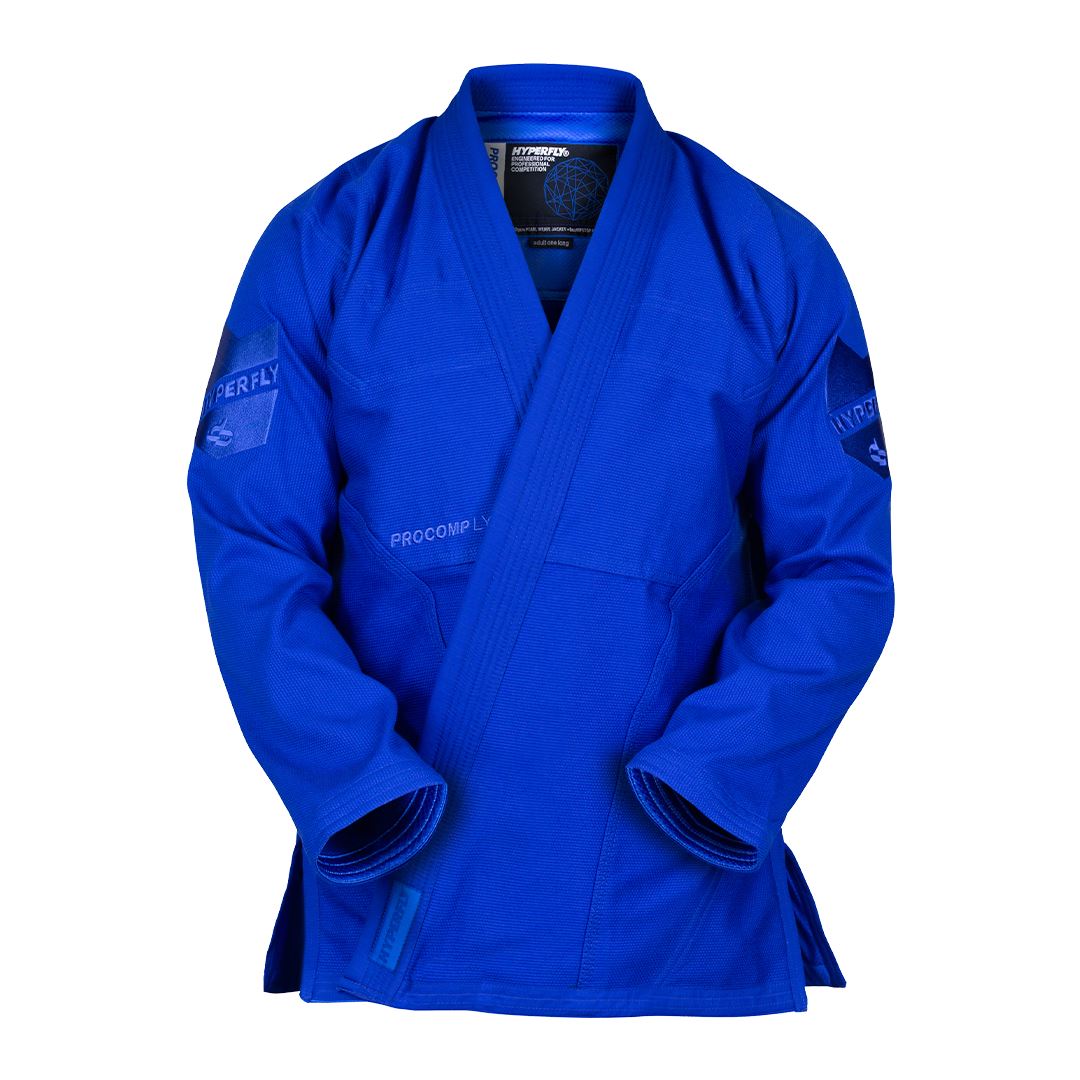
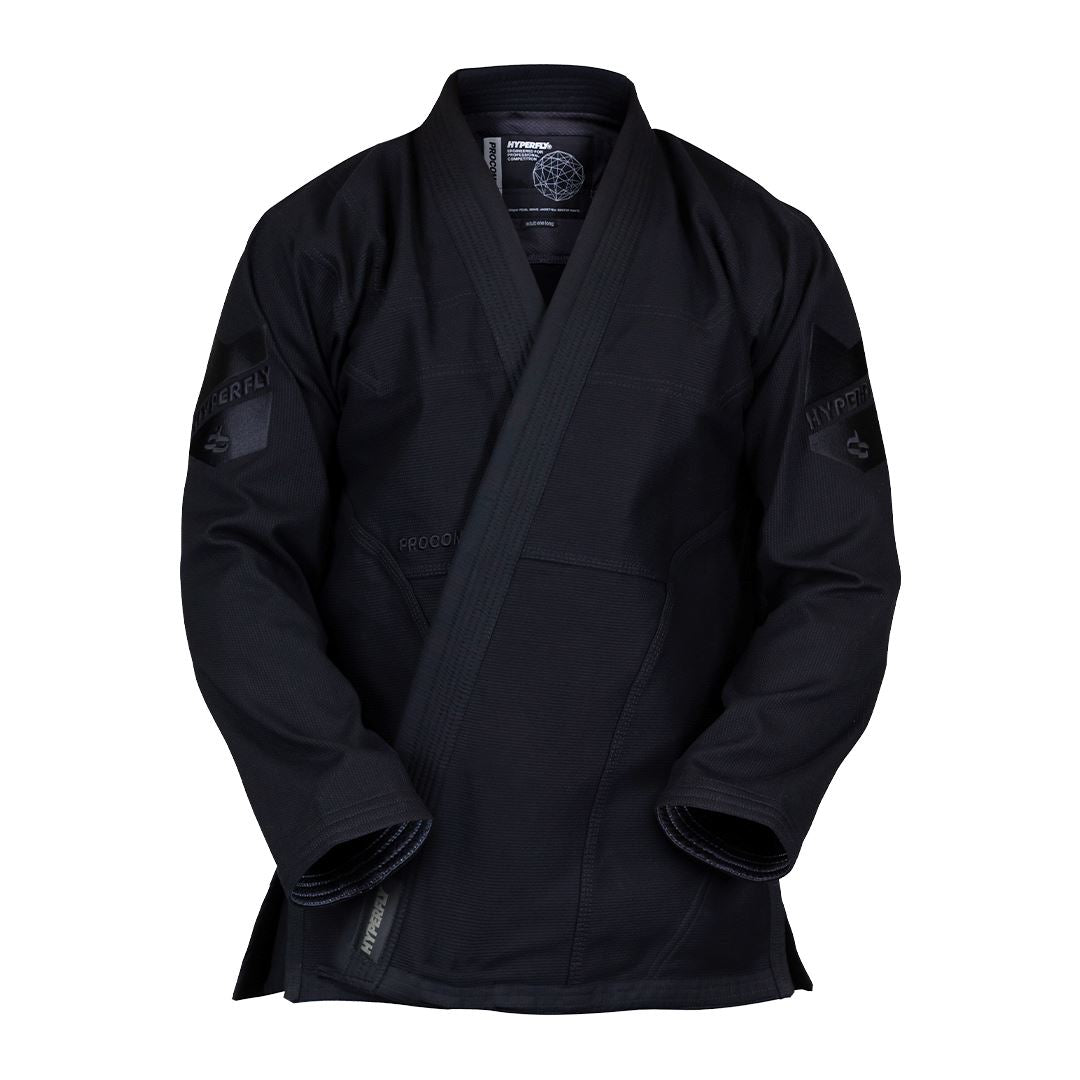
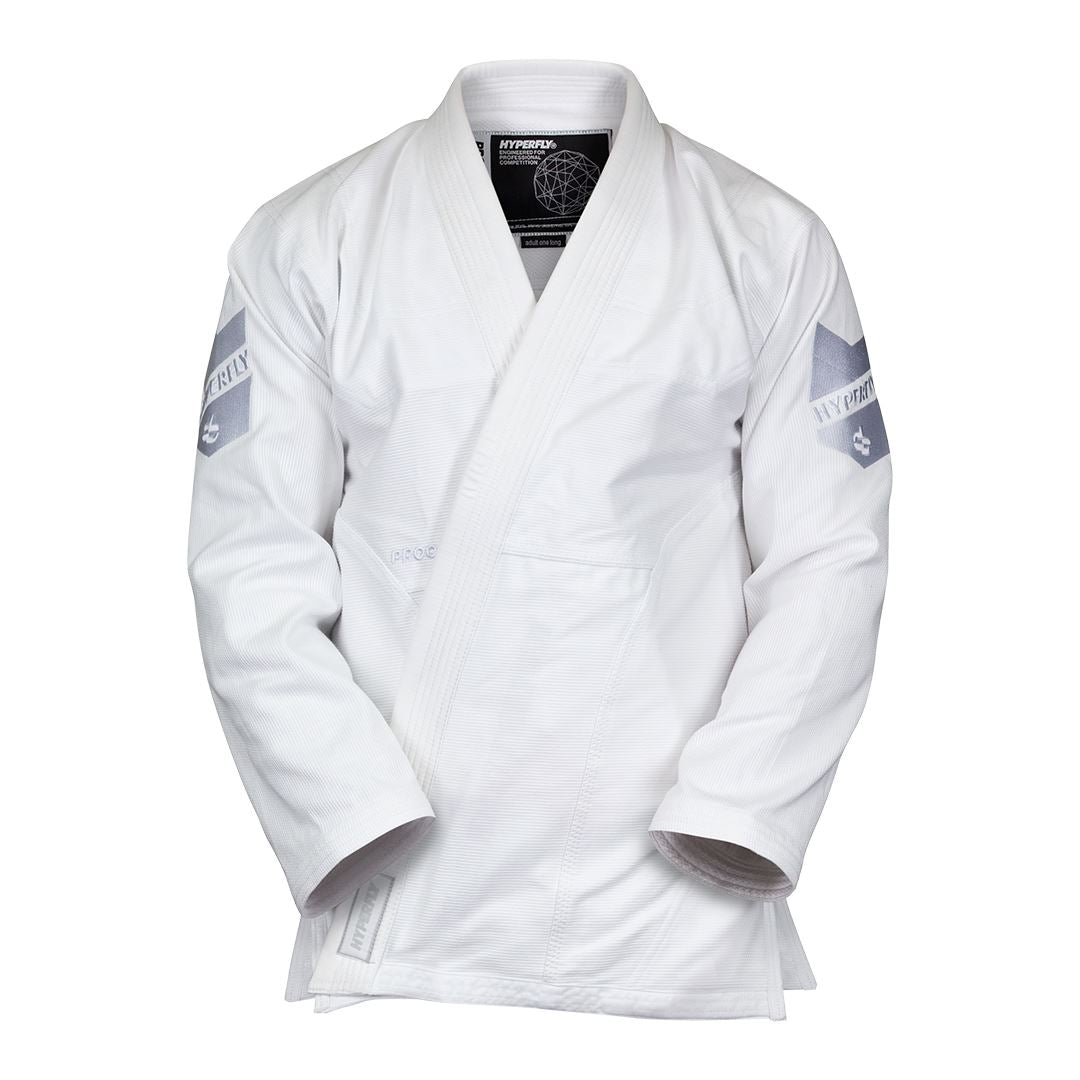
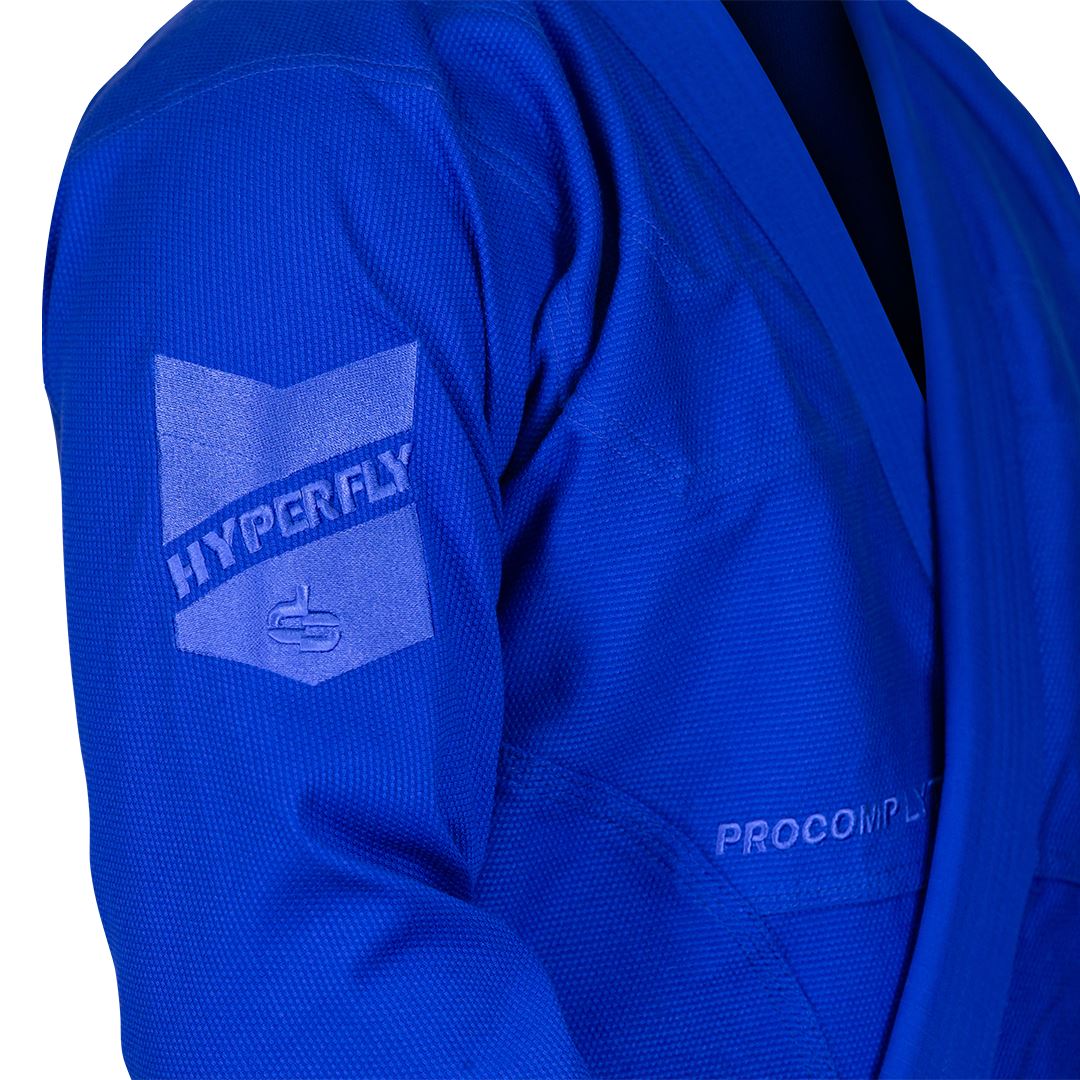
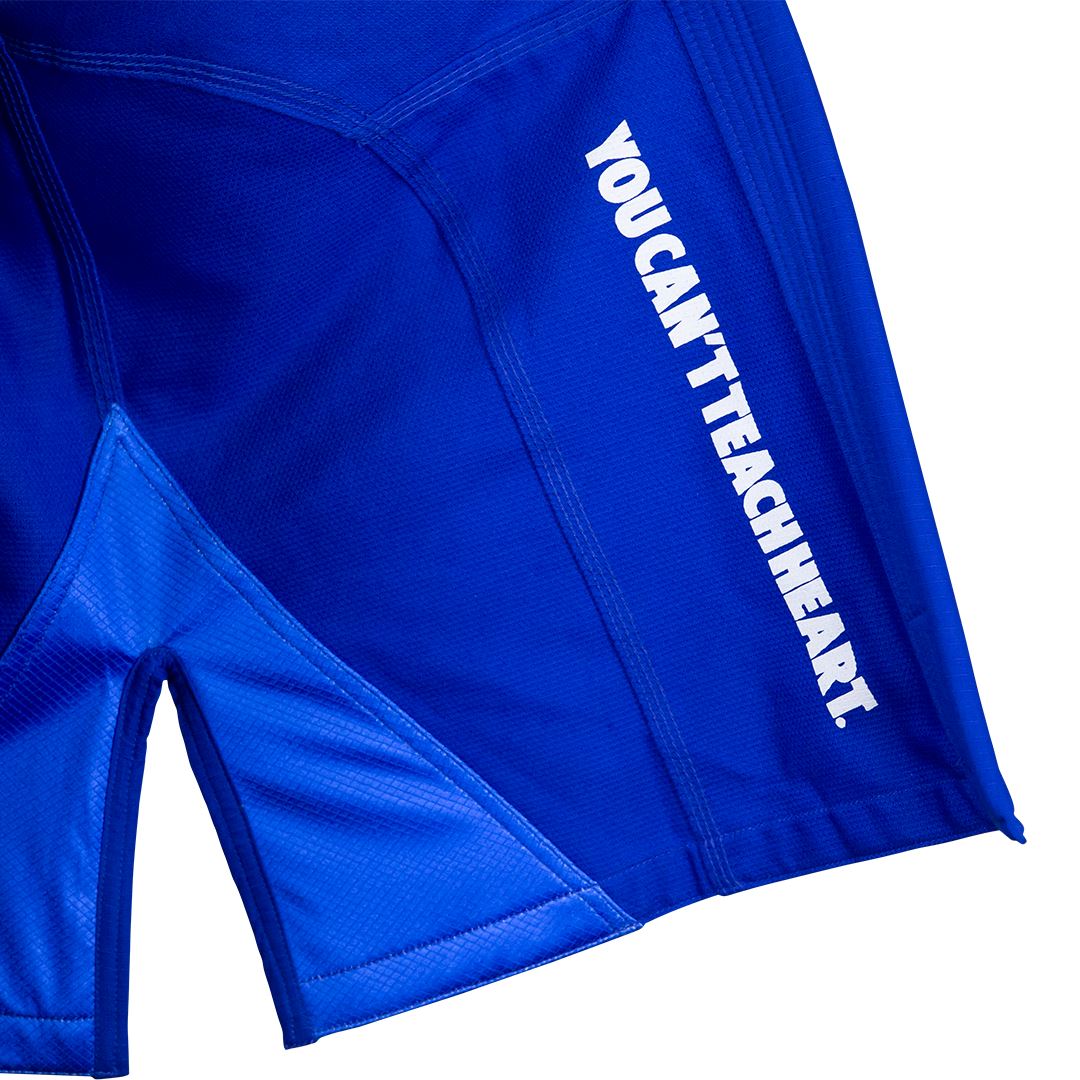
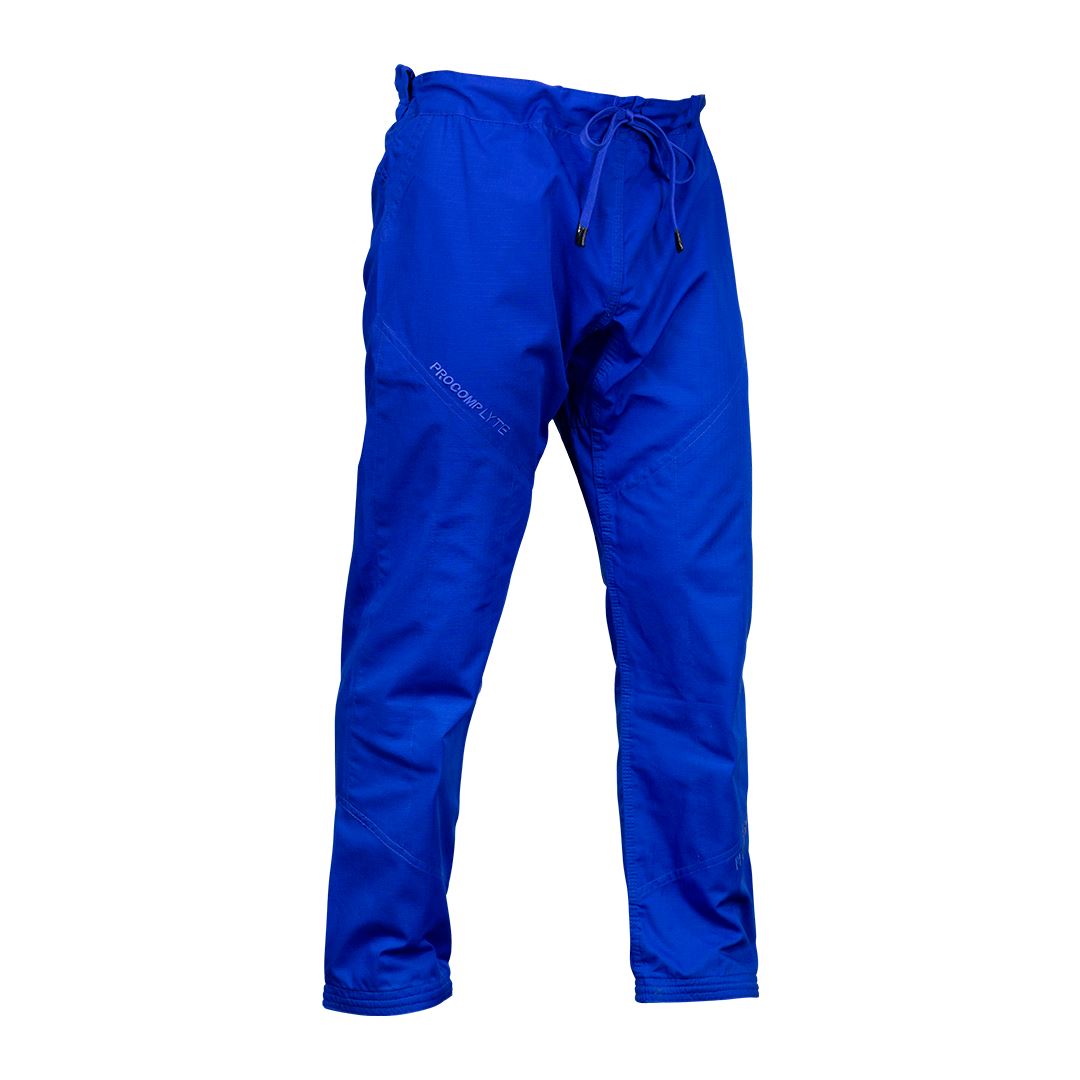
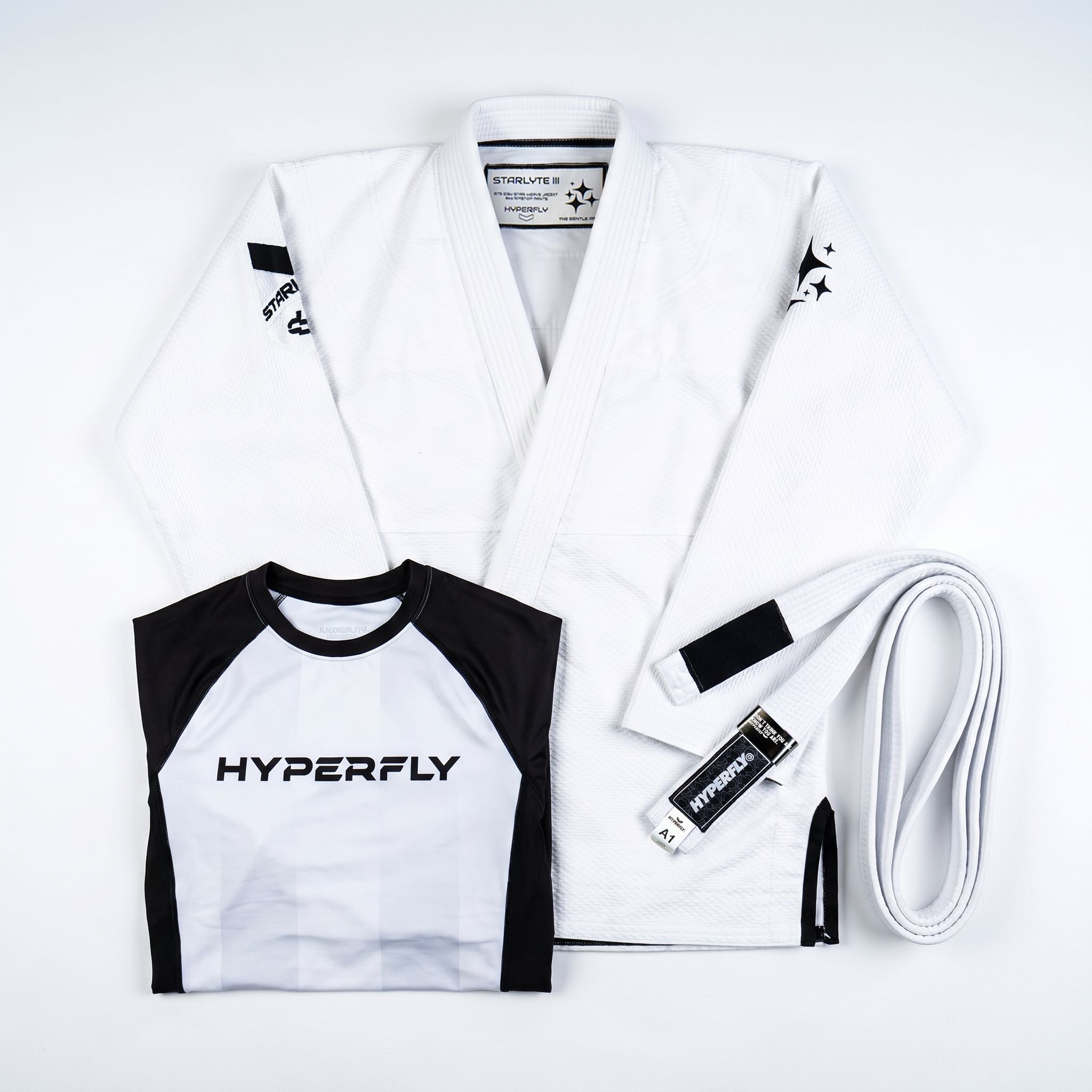
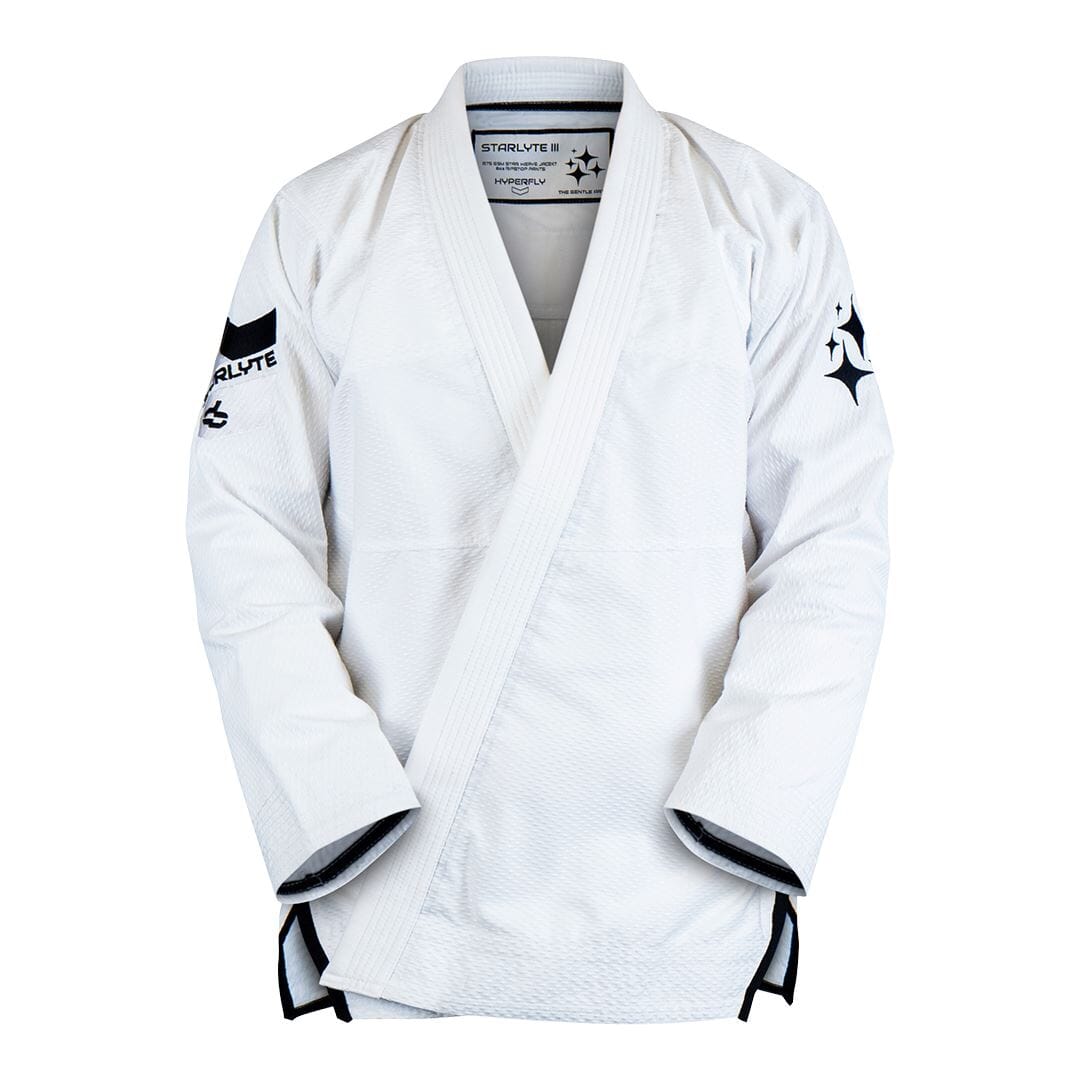
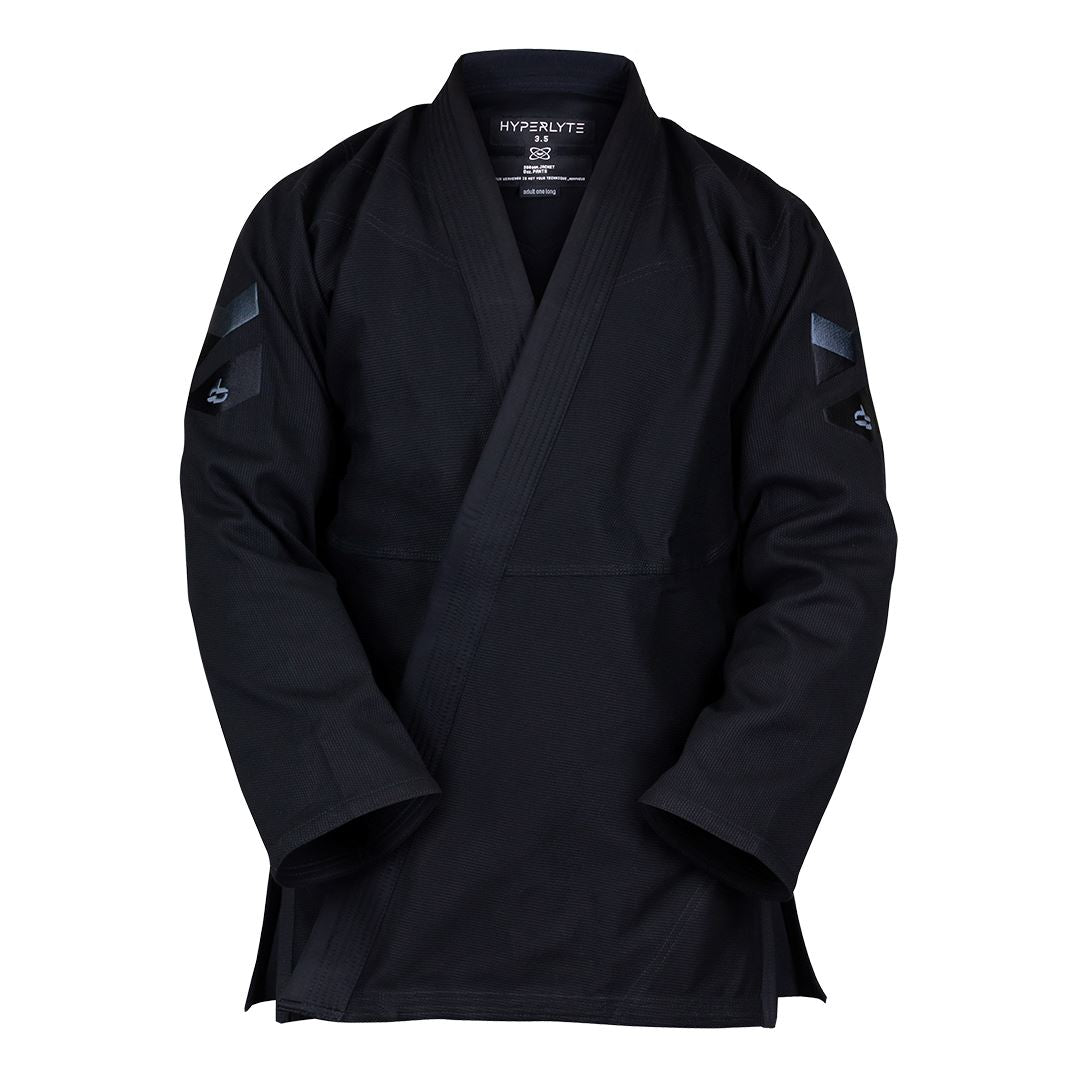
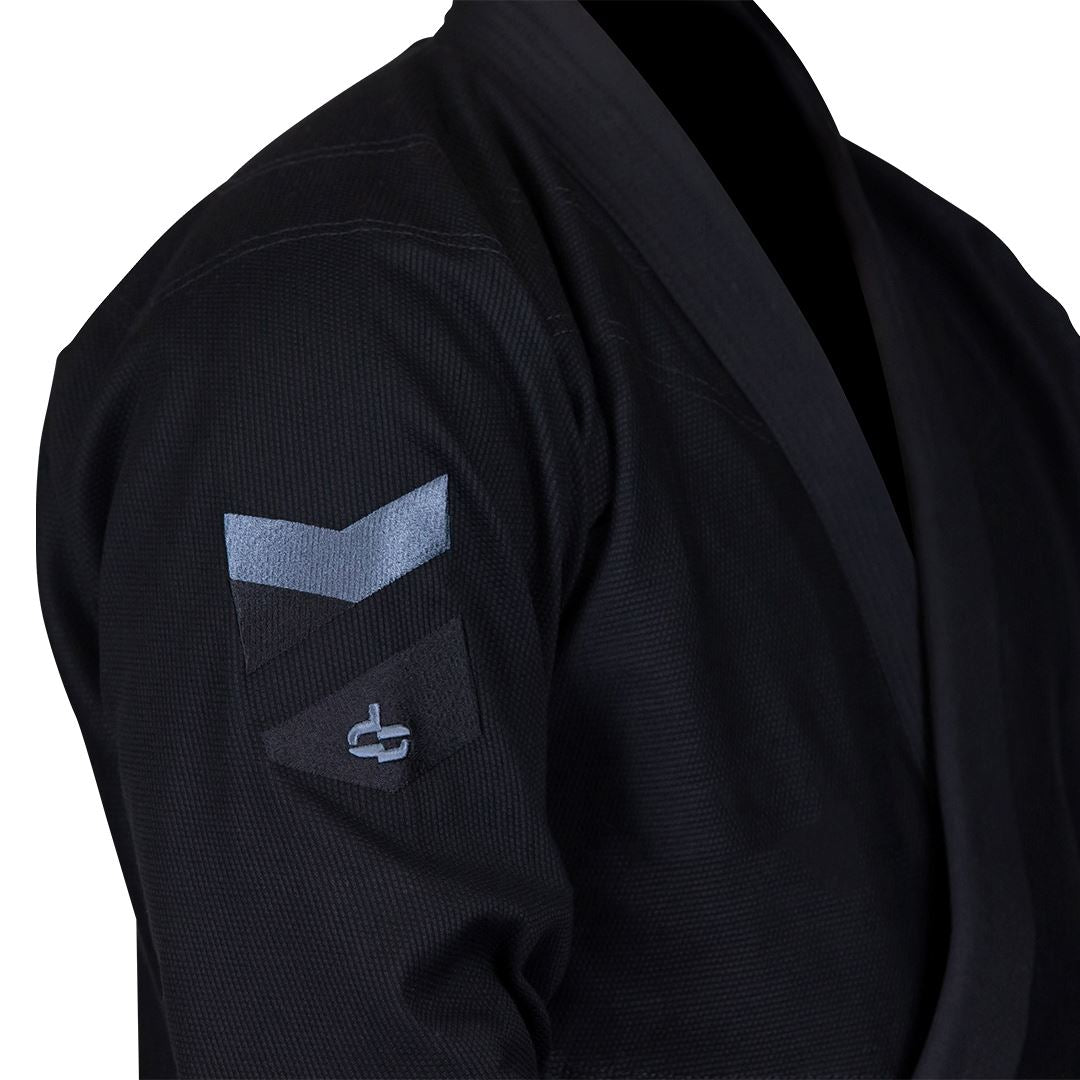
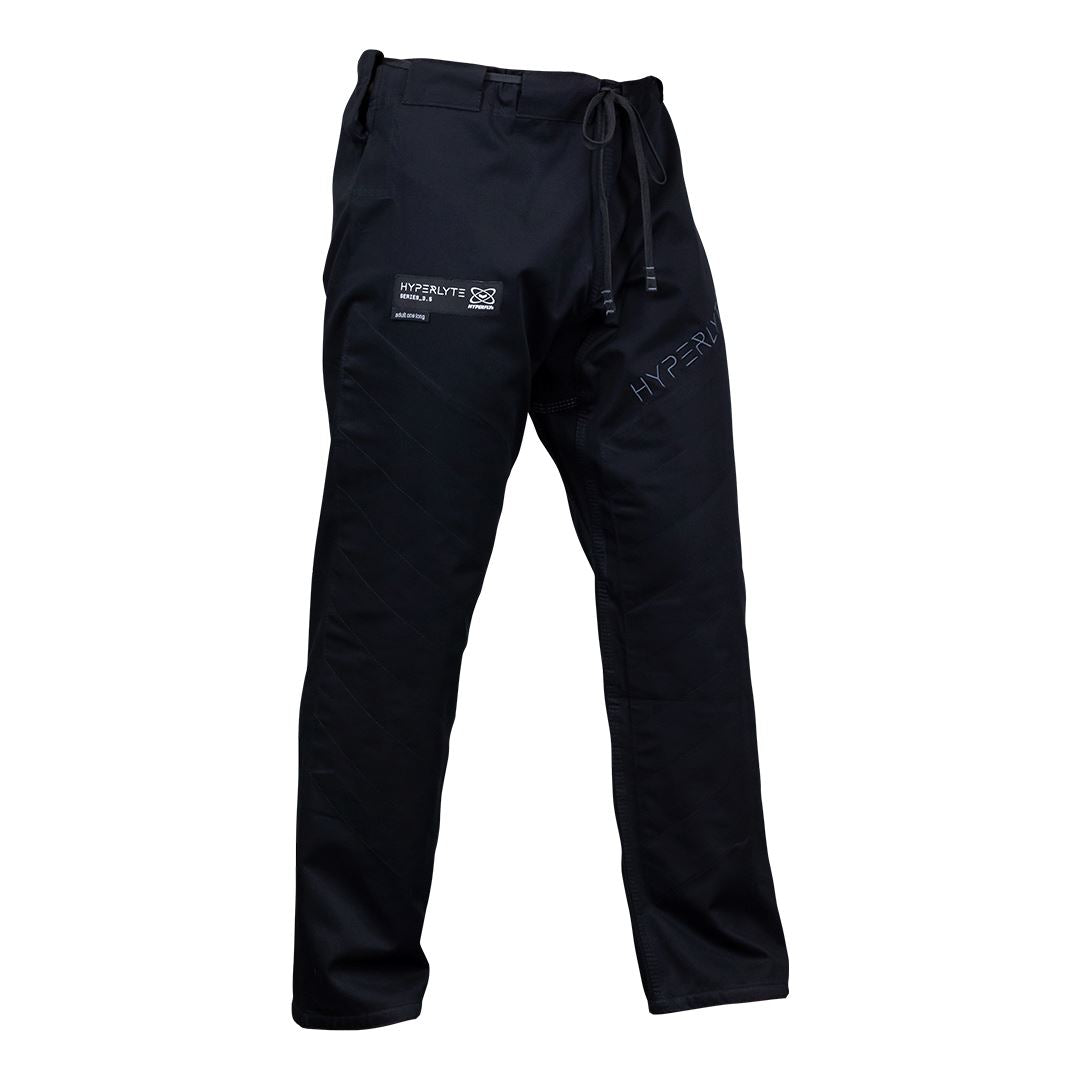
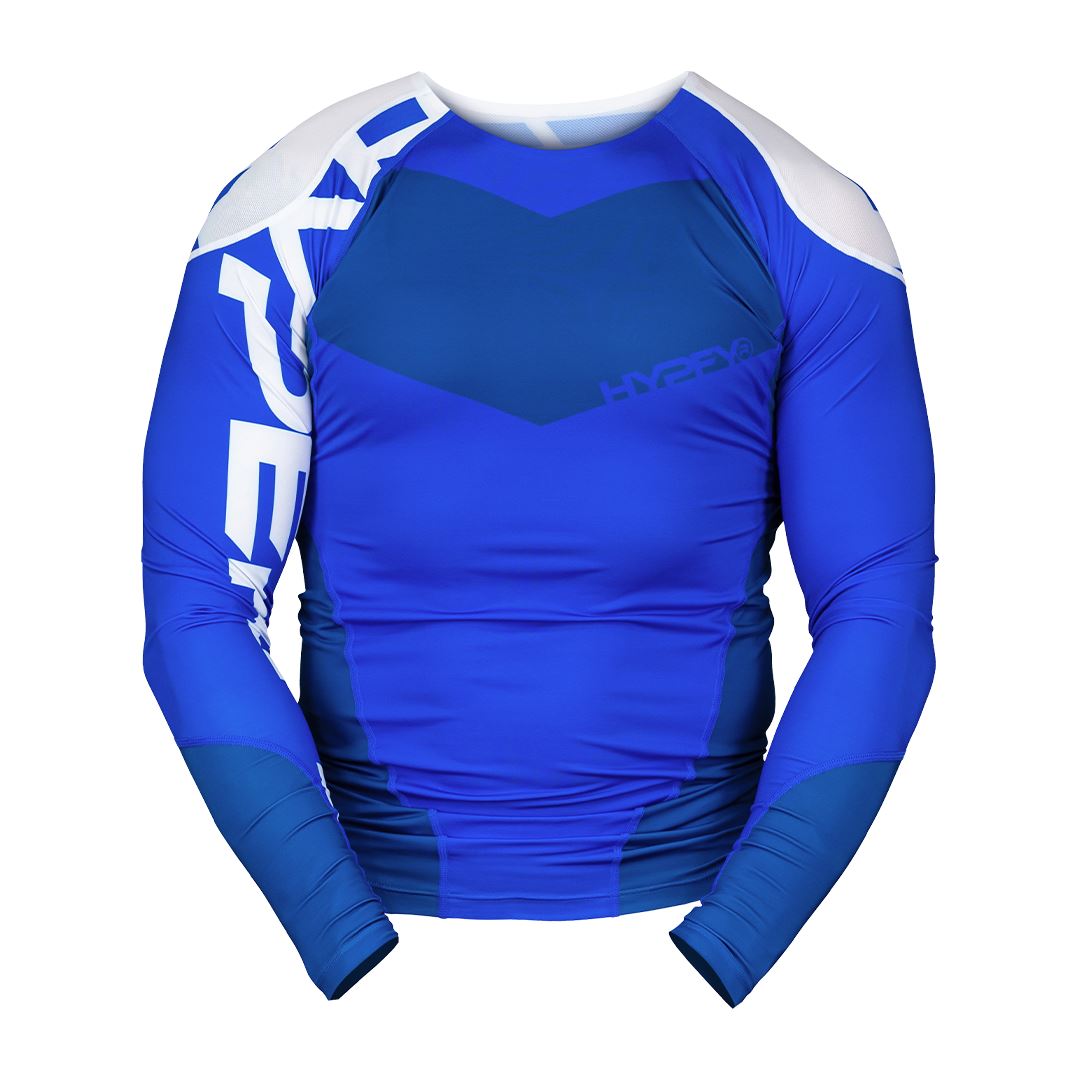
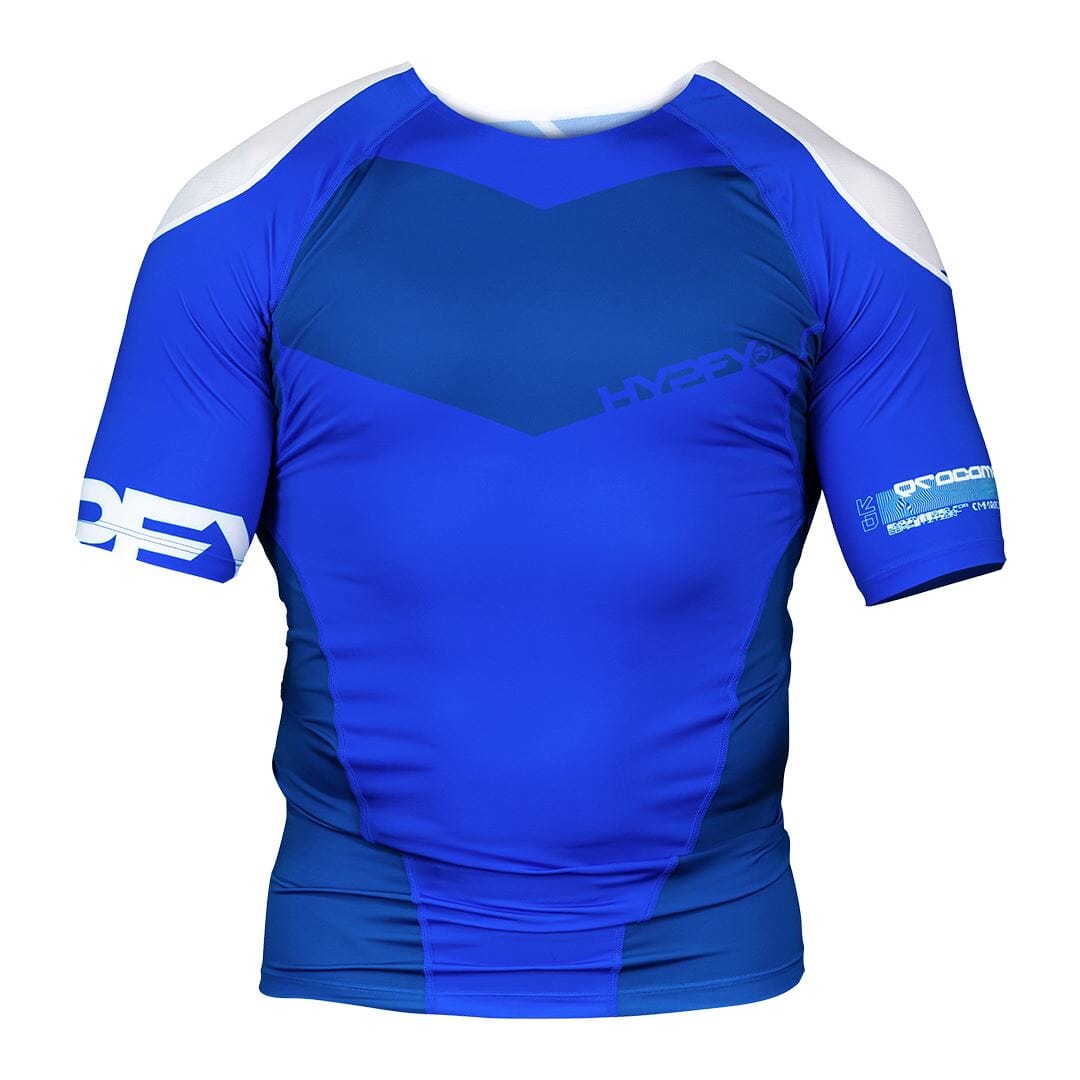
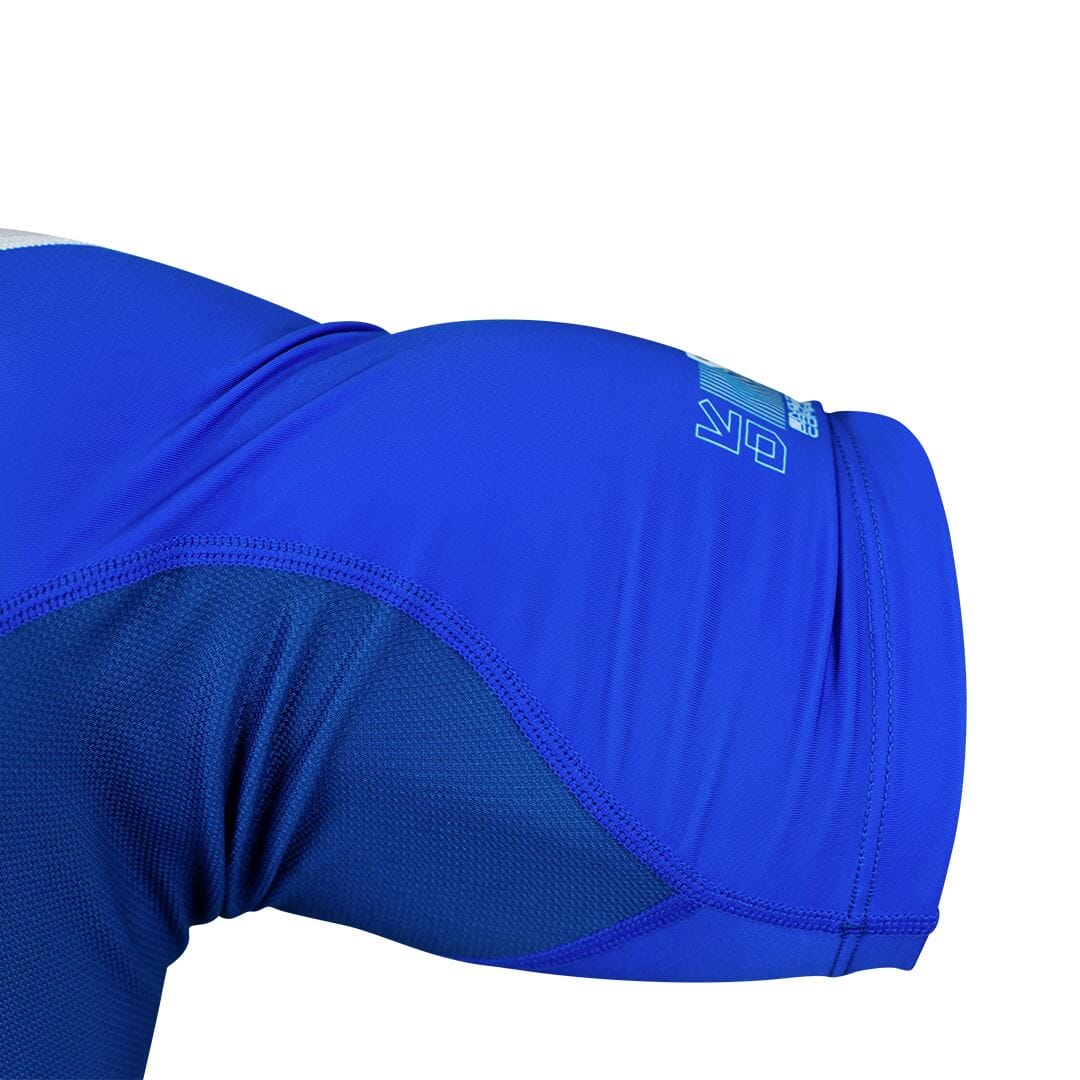
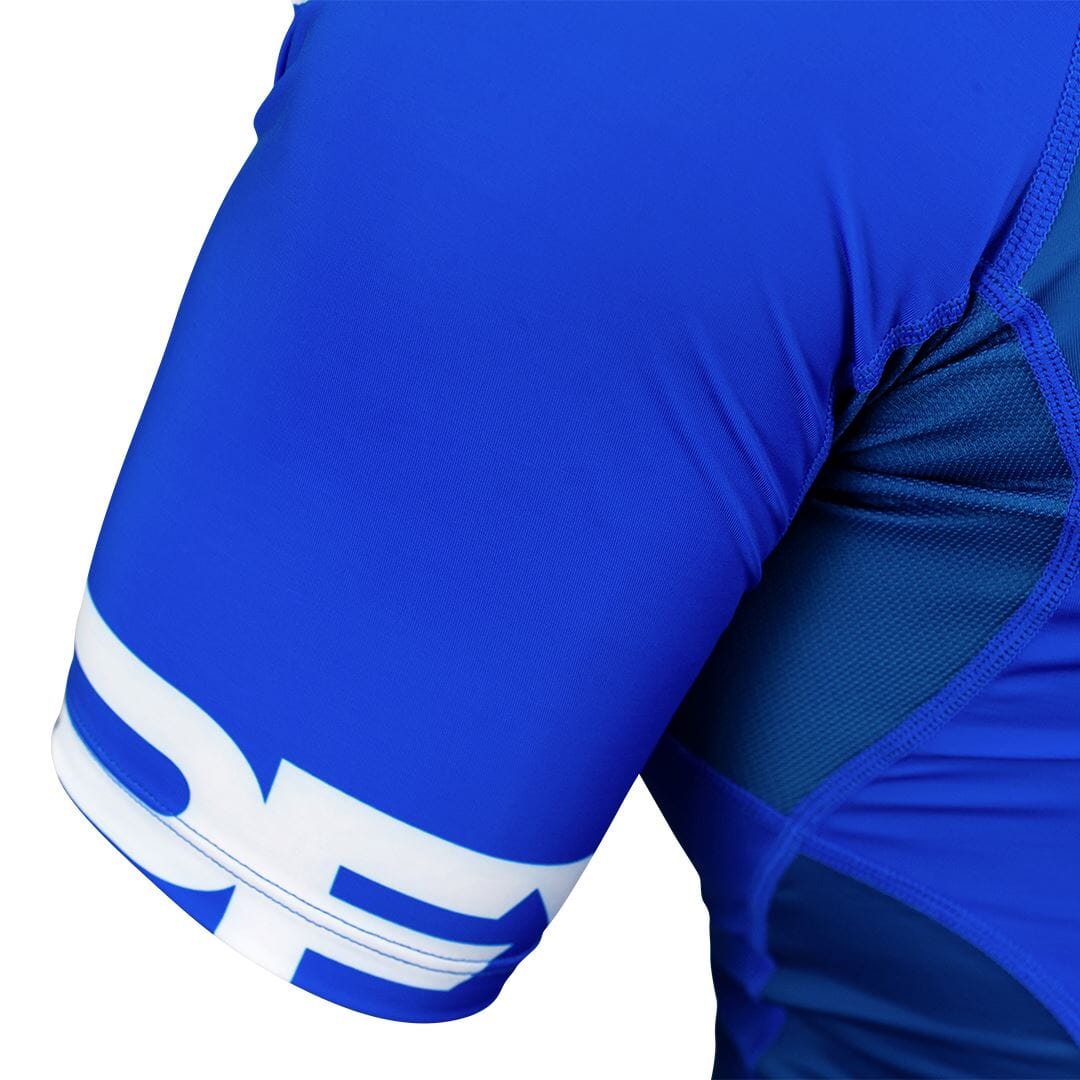
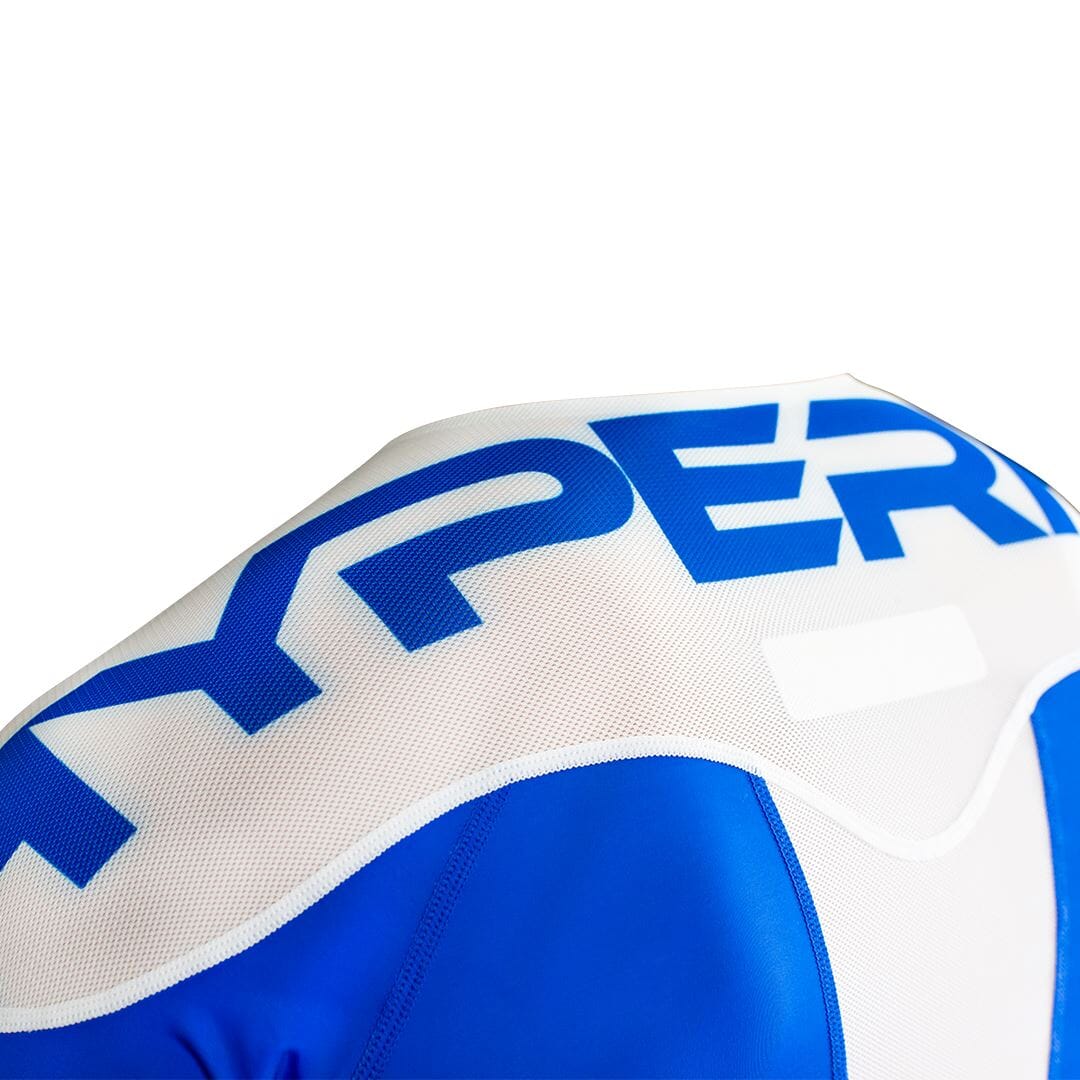
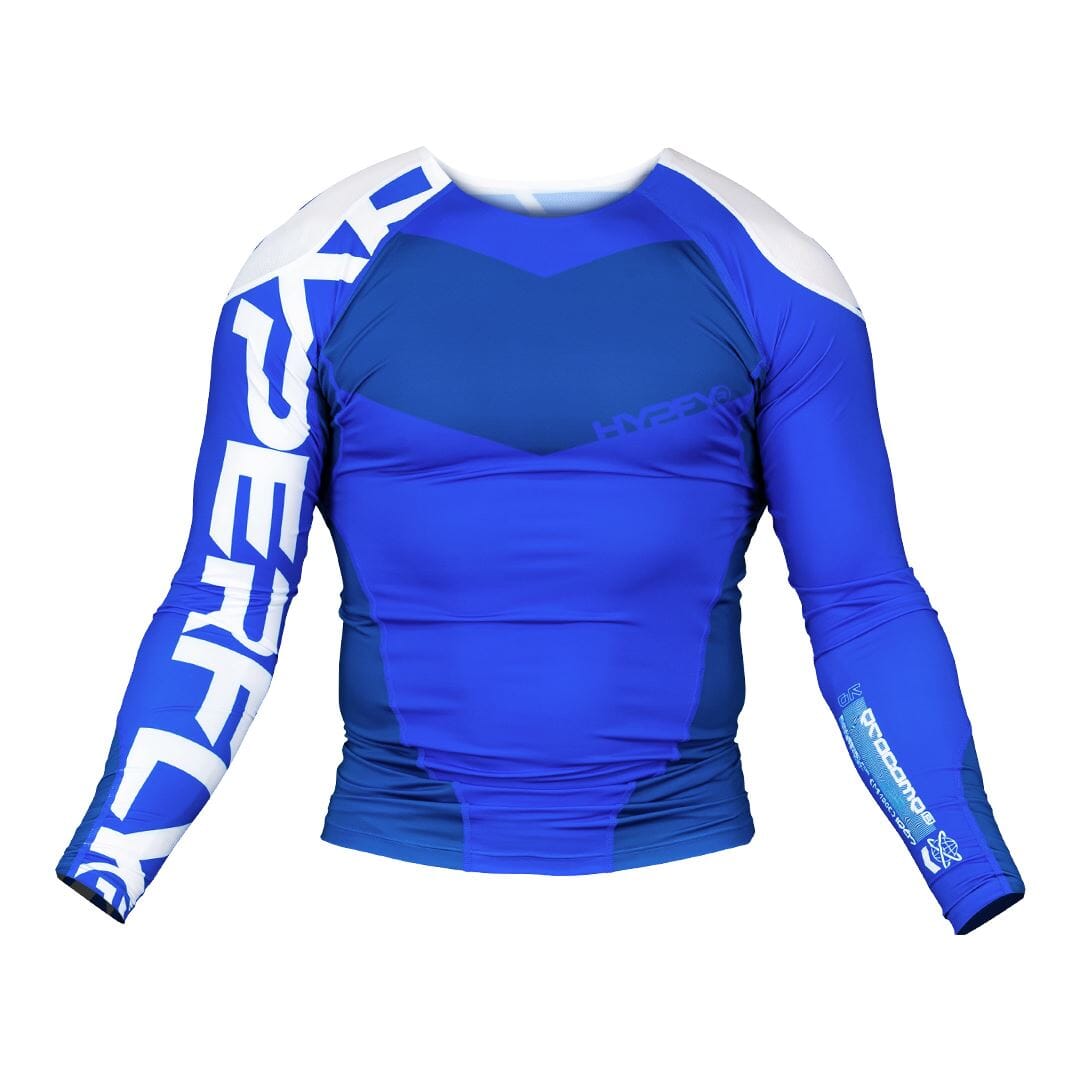
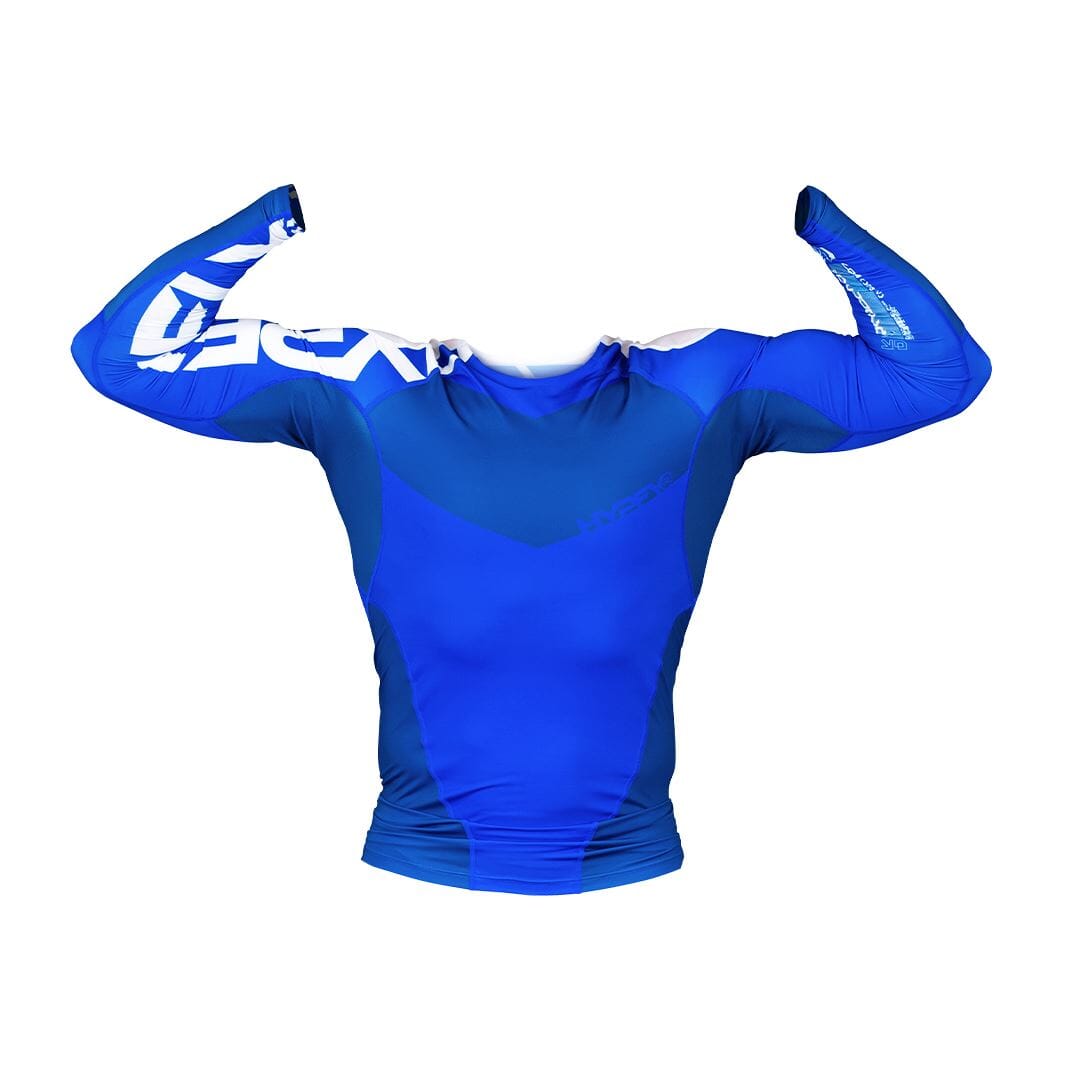
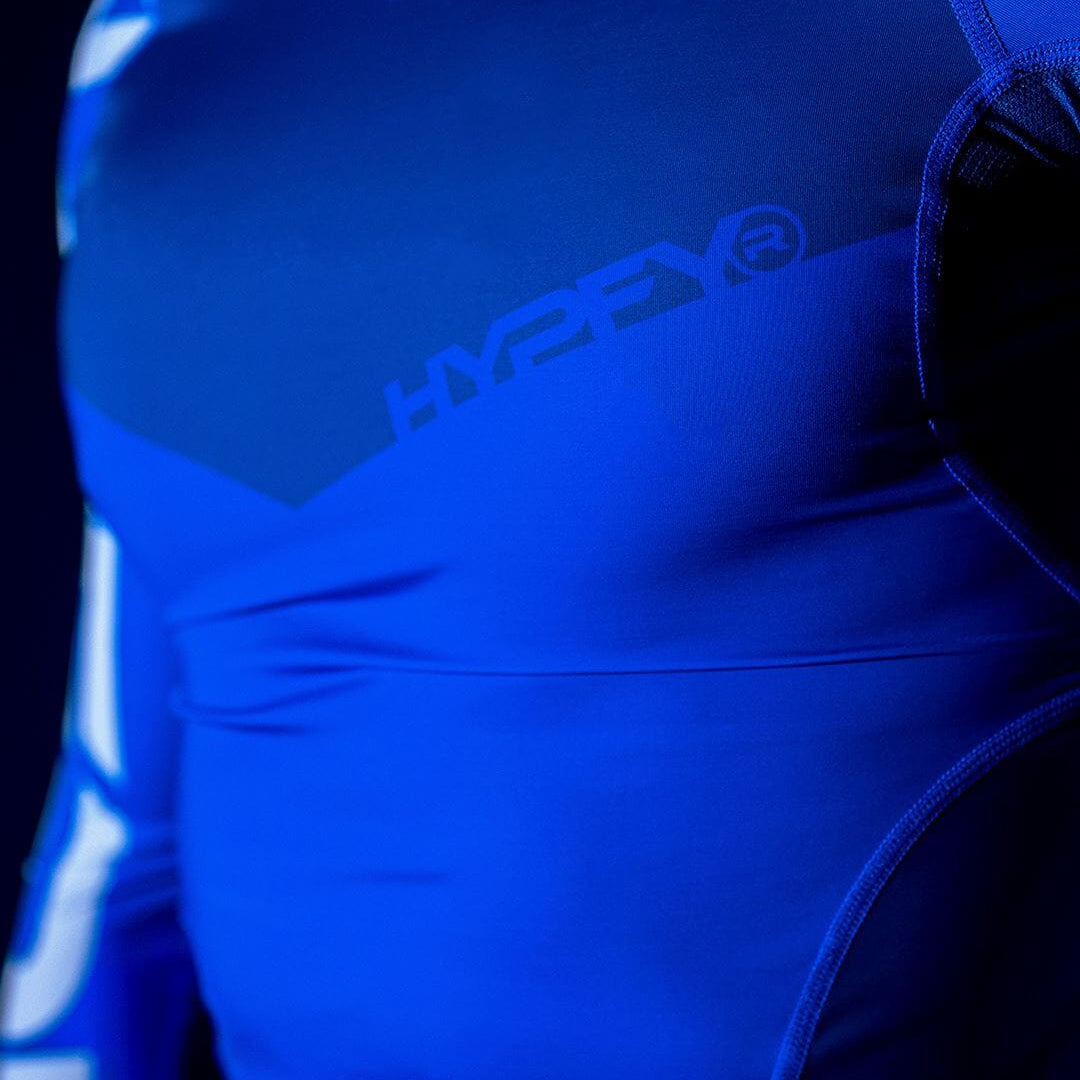
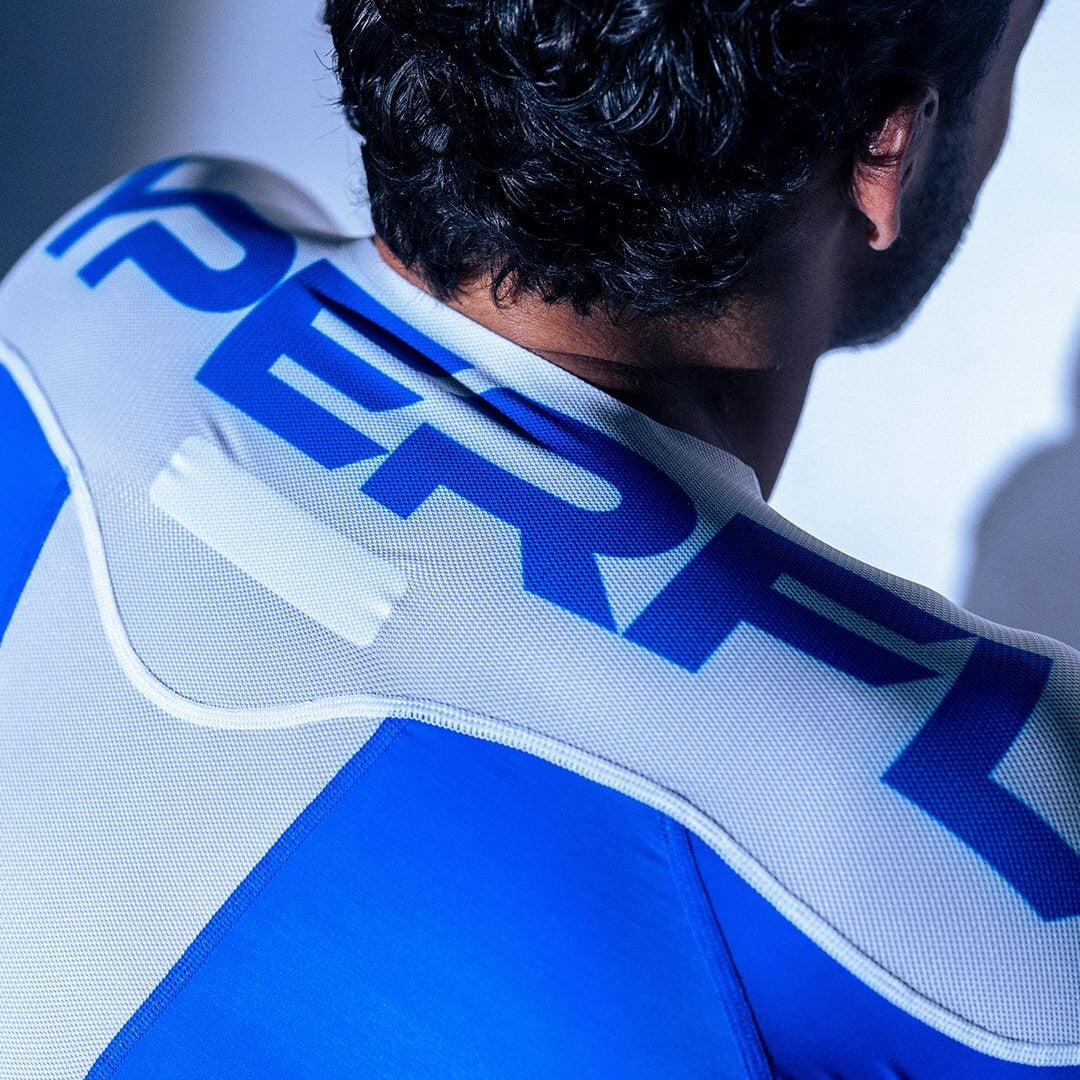
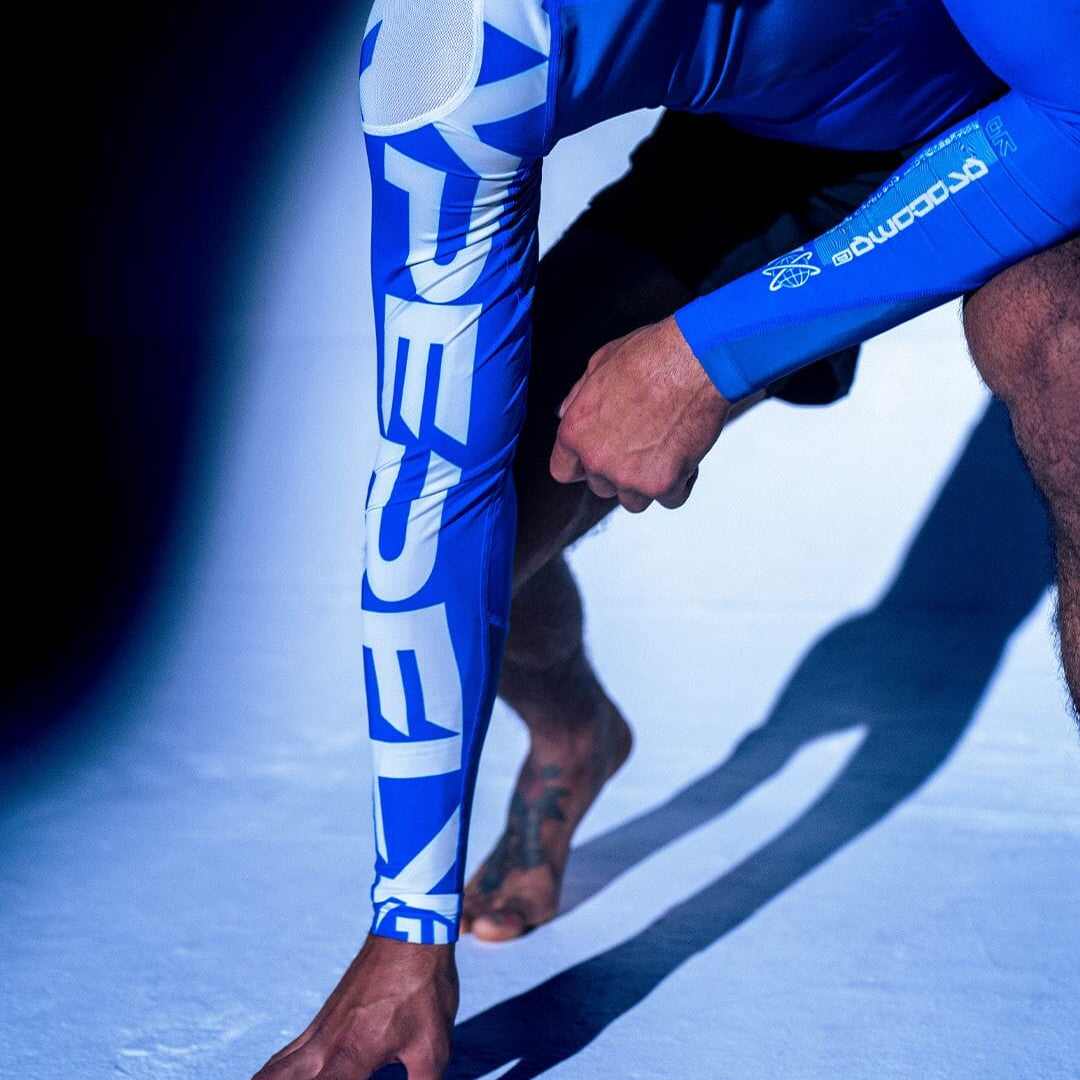
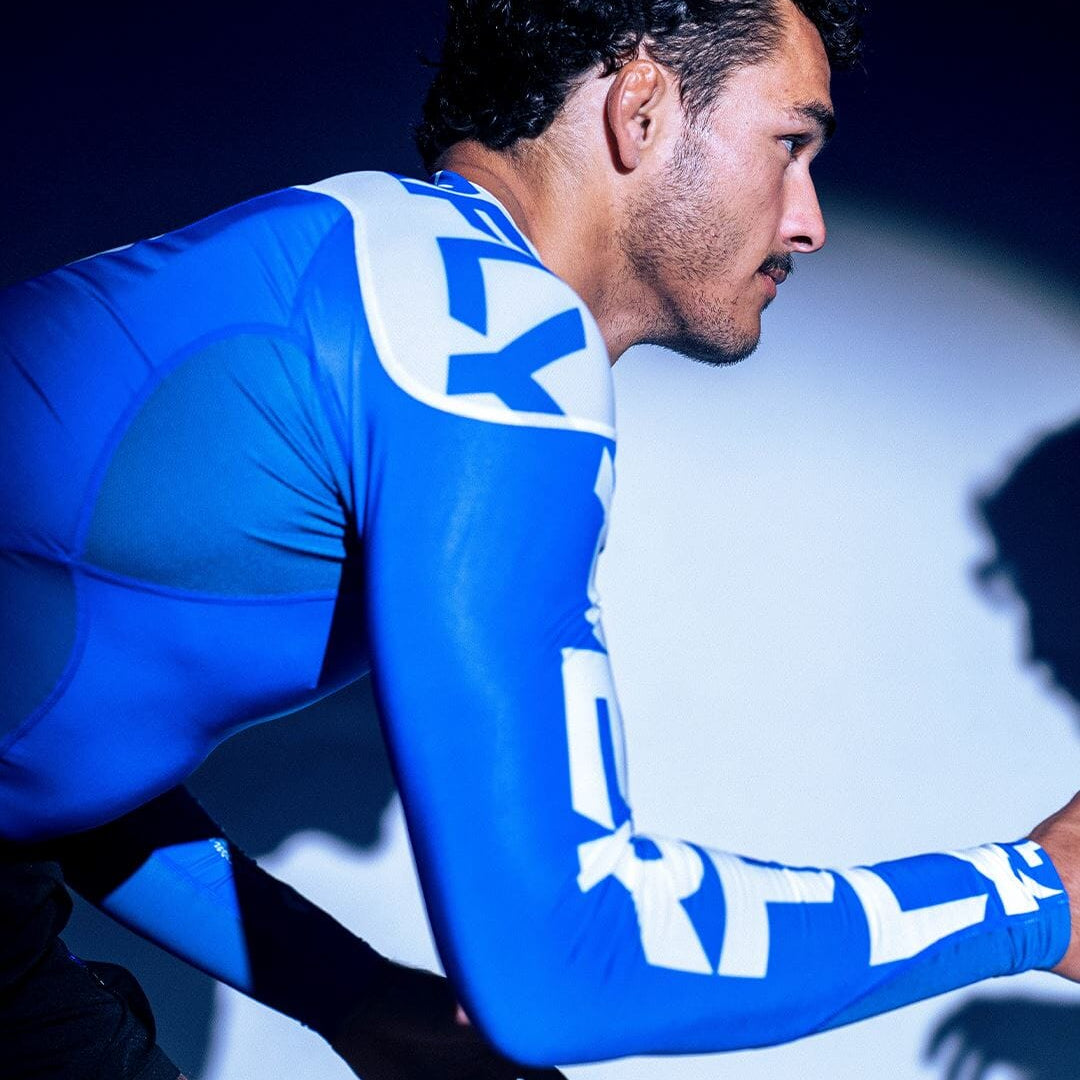
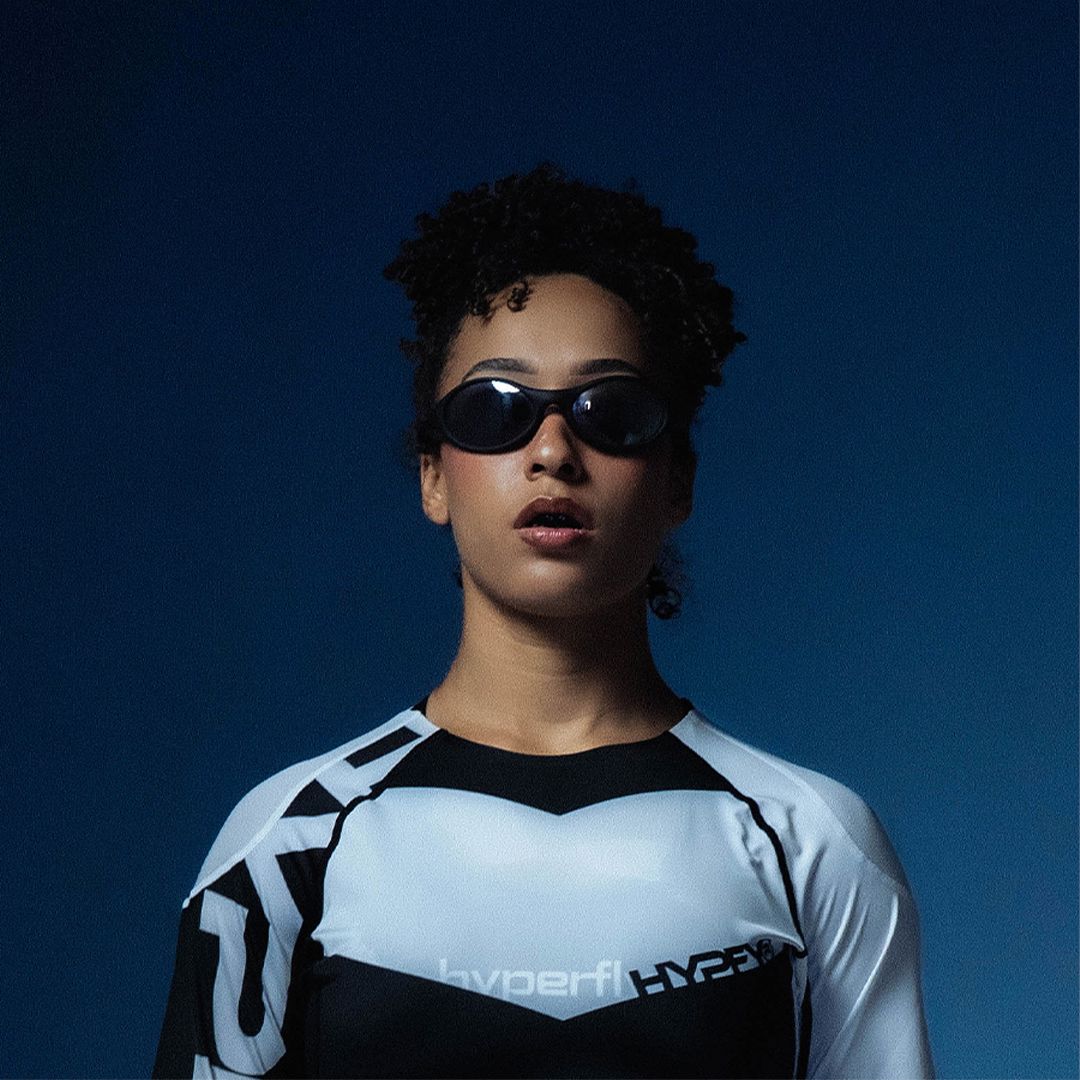
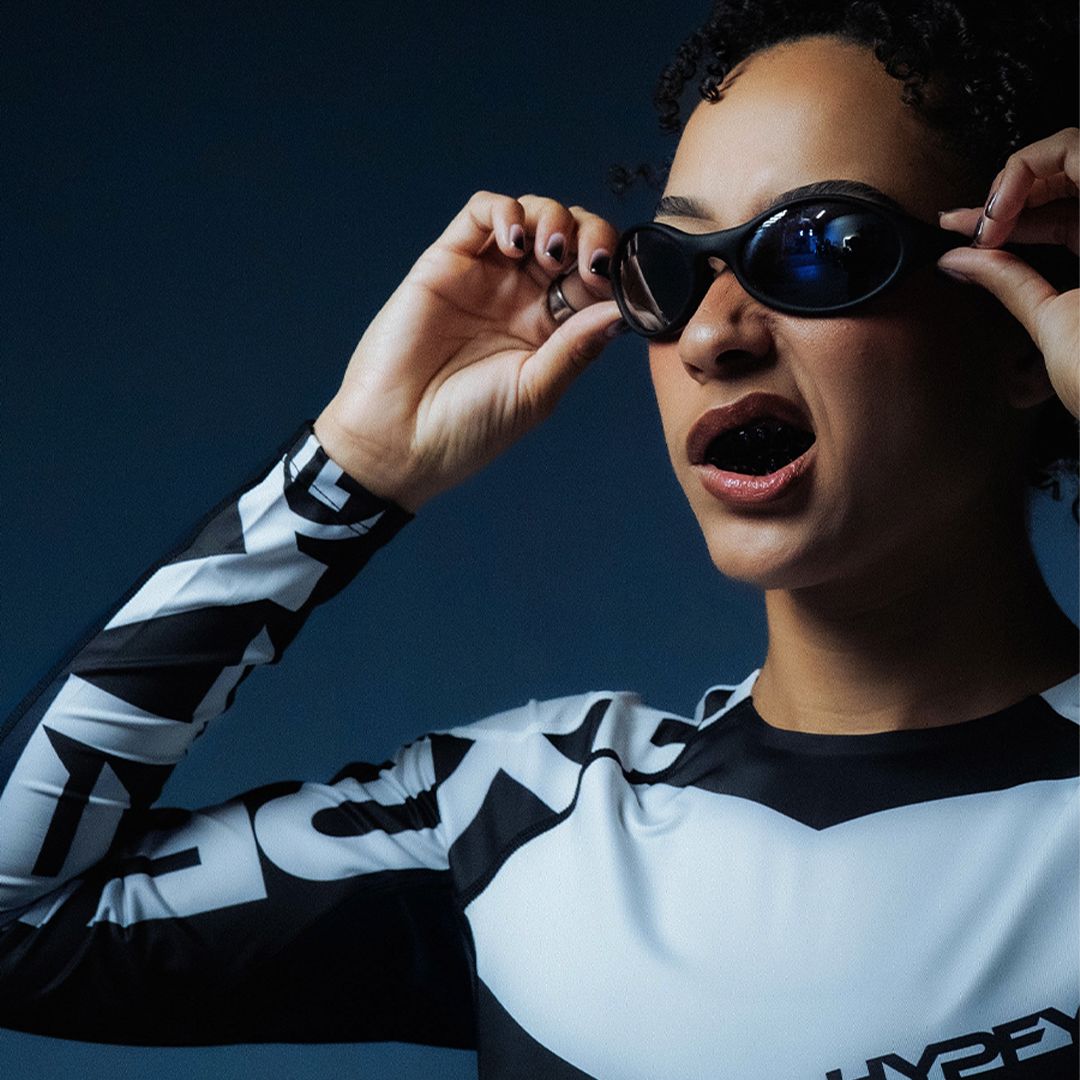
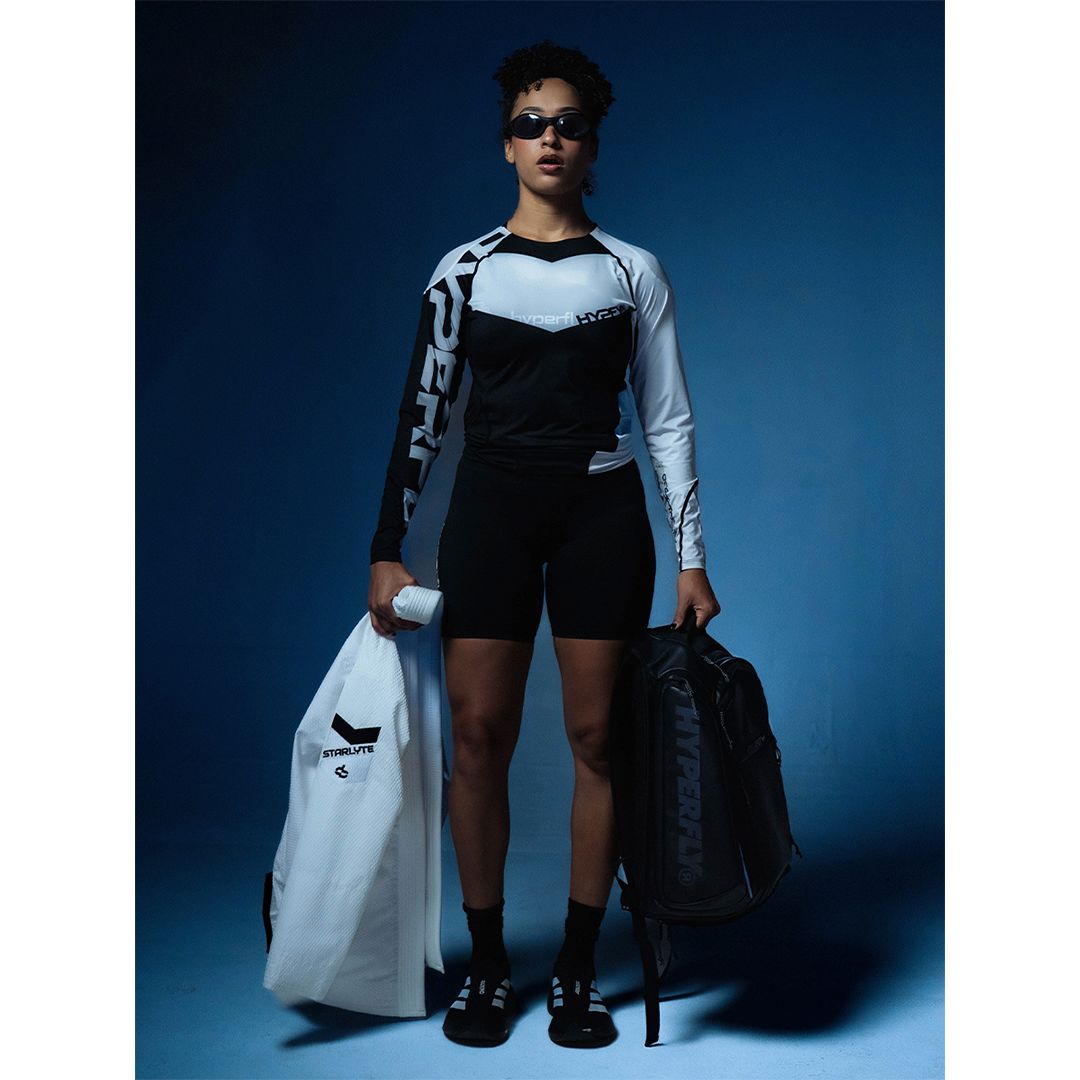
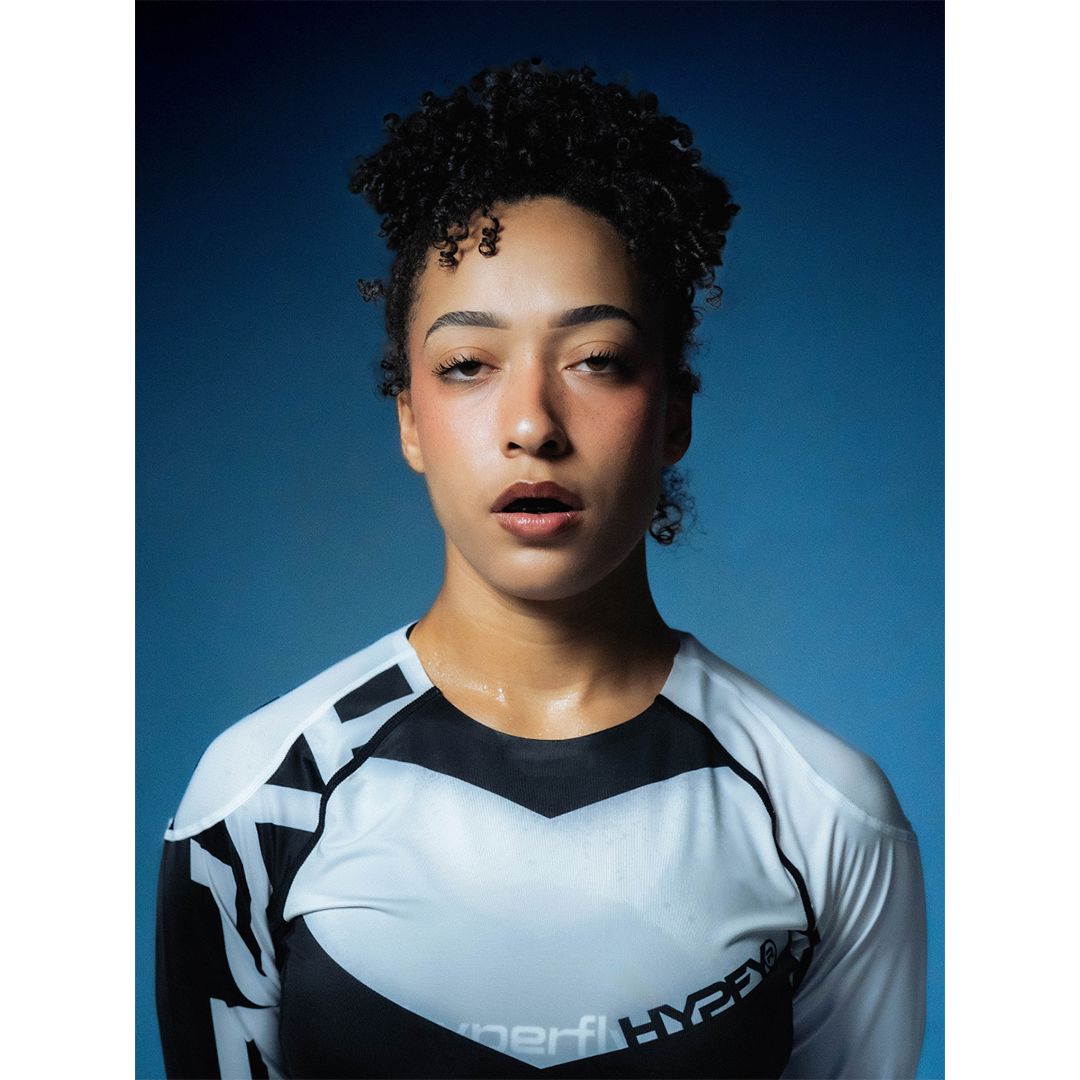
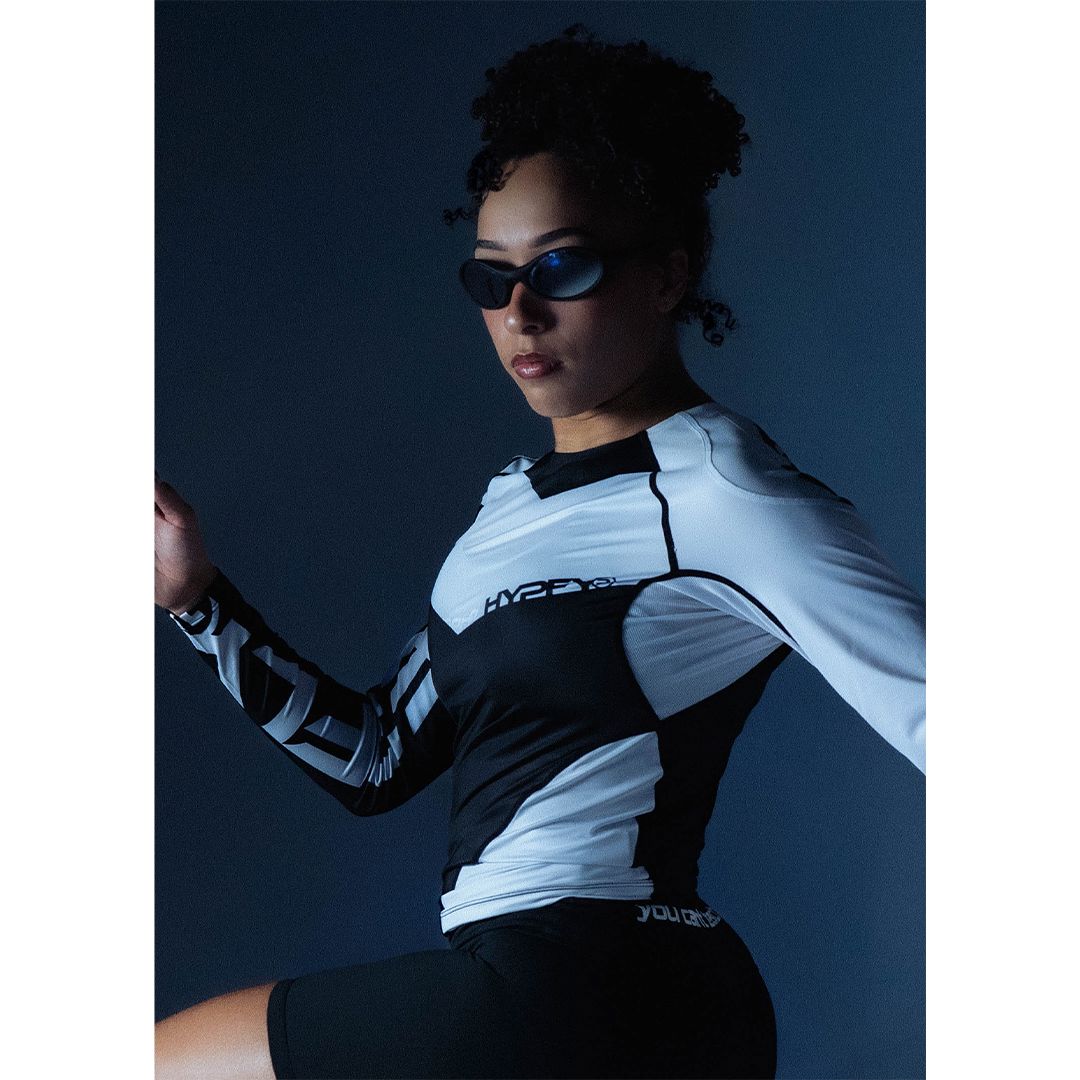
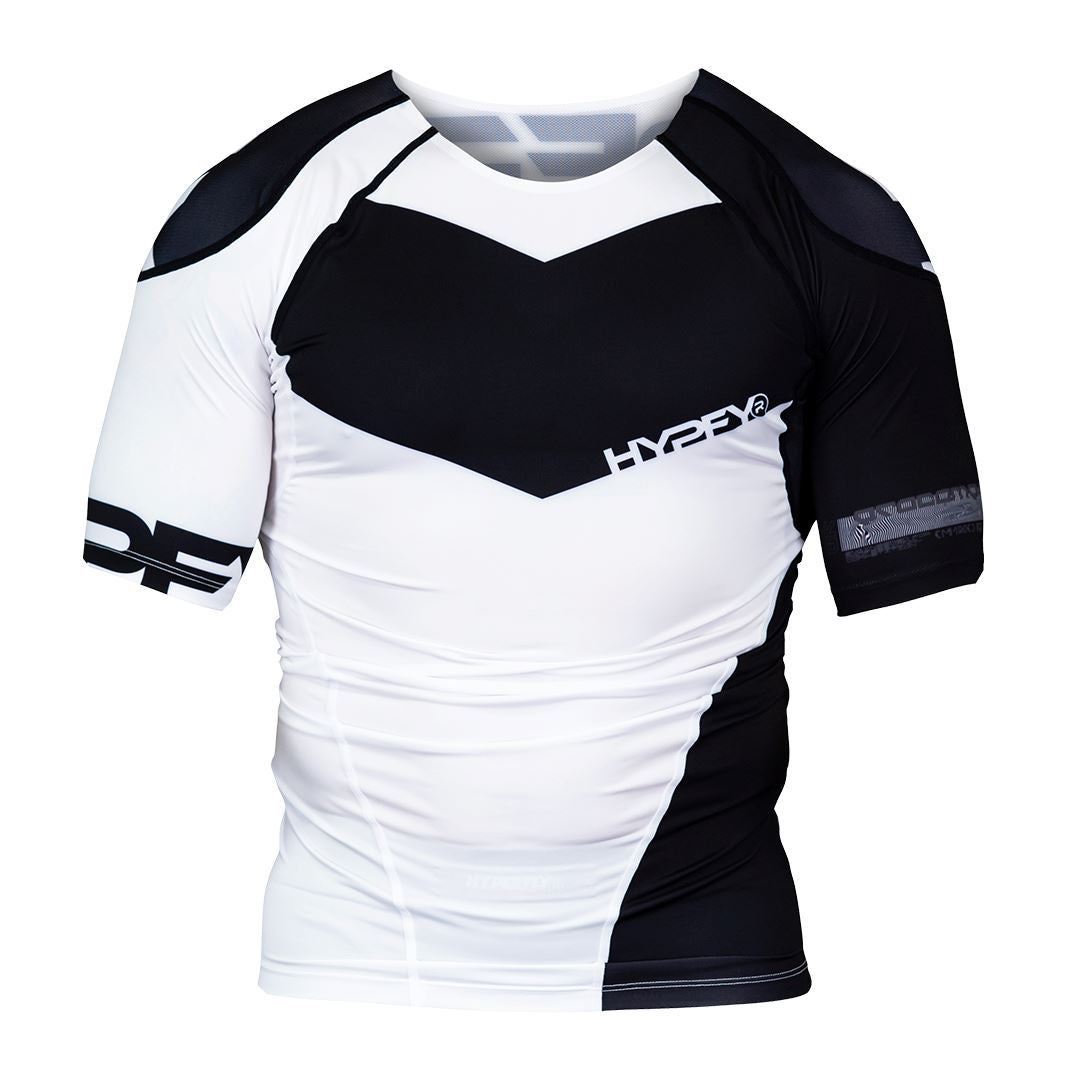
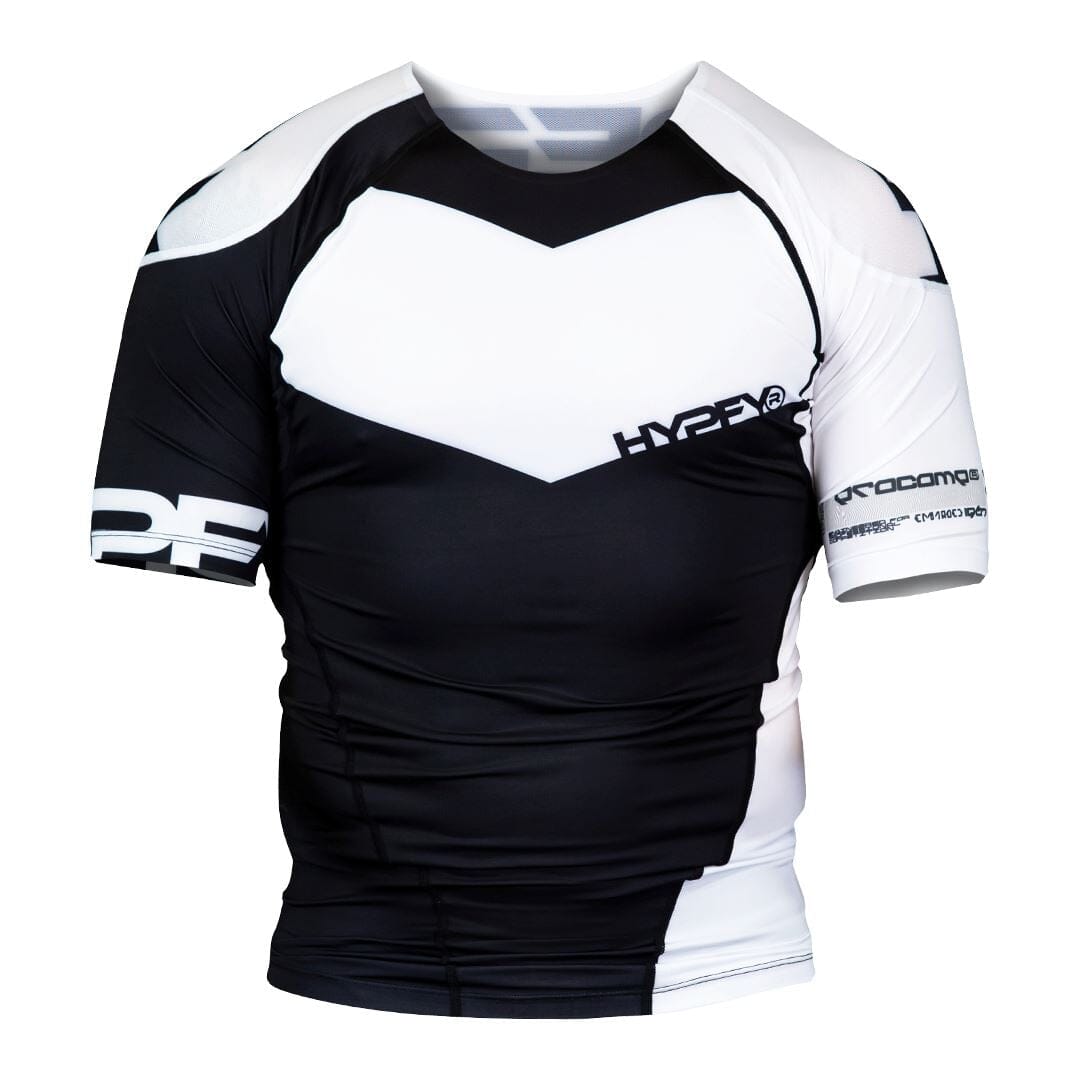
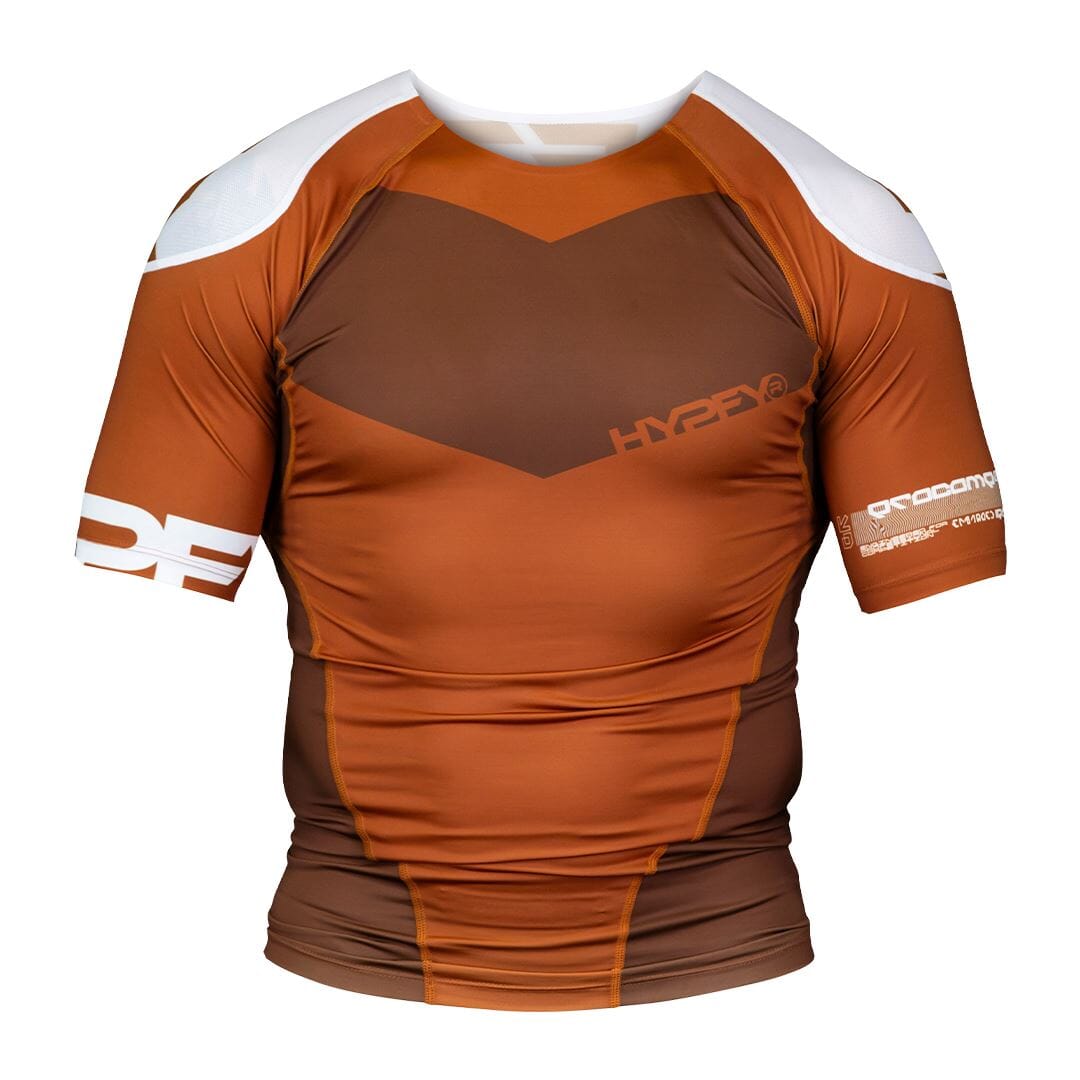
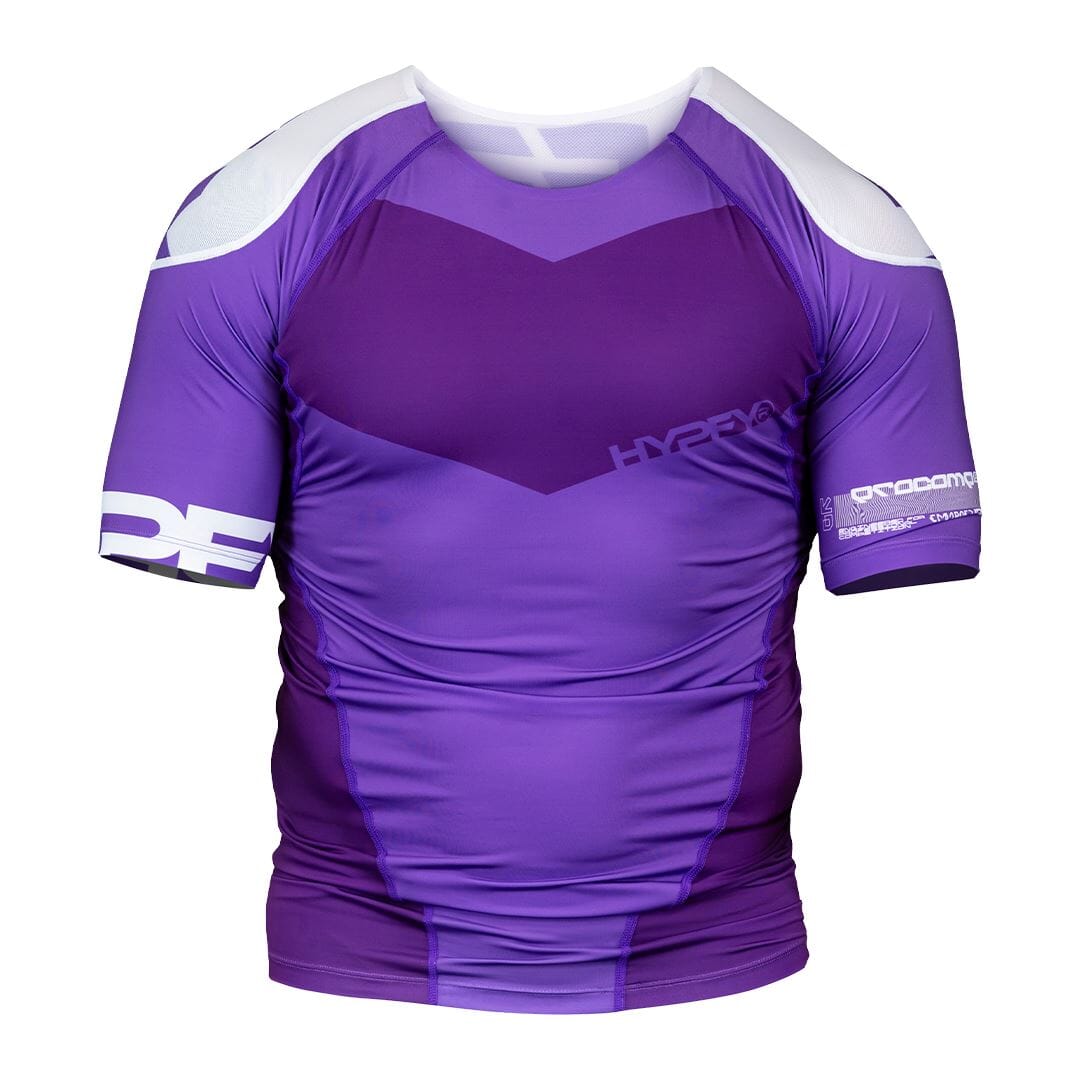
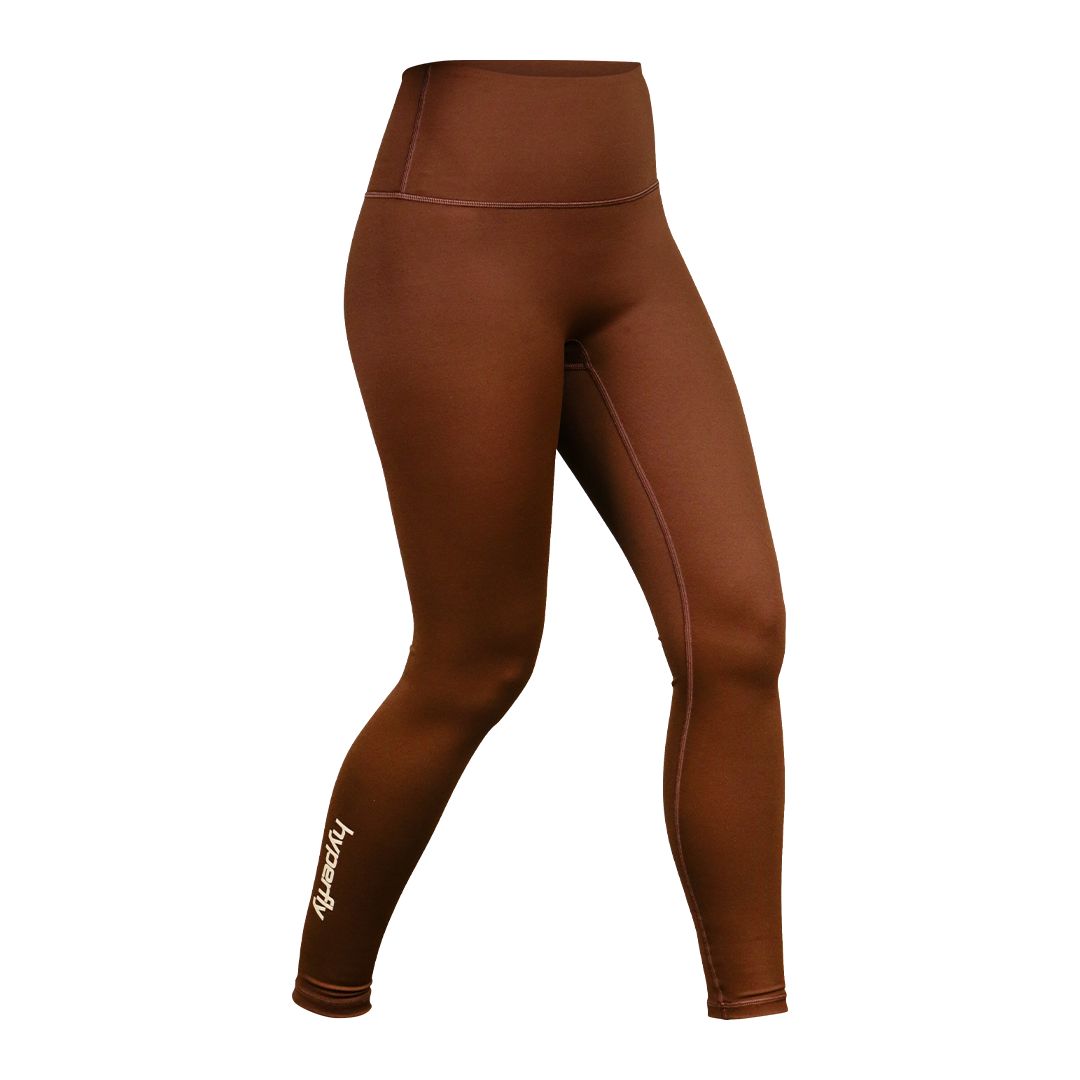
A gi is the traditional BJJ uniform. Fit matters. Too baggy and it becomes a liability, too tight and it restricts movement. Look for a women's-cut gi designed for your frame. A rash guard is worn under your gi or on its own for no-gi training. It protects your skin and keeps you comfortable in contact with the mat. Spats or compression leggings are worn under gi pants or alone in no-gi class. And a mouth guard is a smart investment from day one, because accidents happen even in the most controlled training environments.
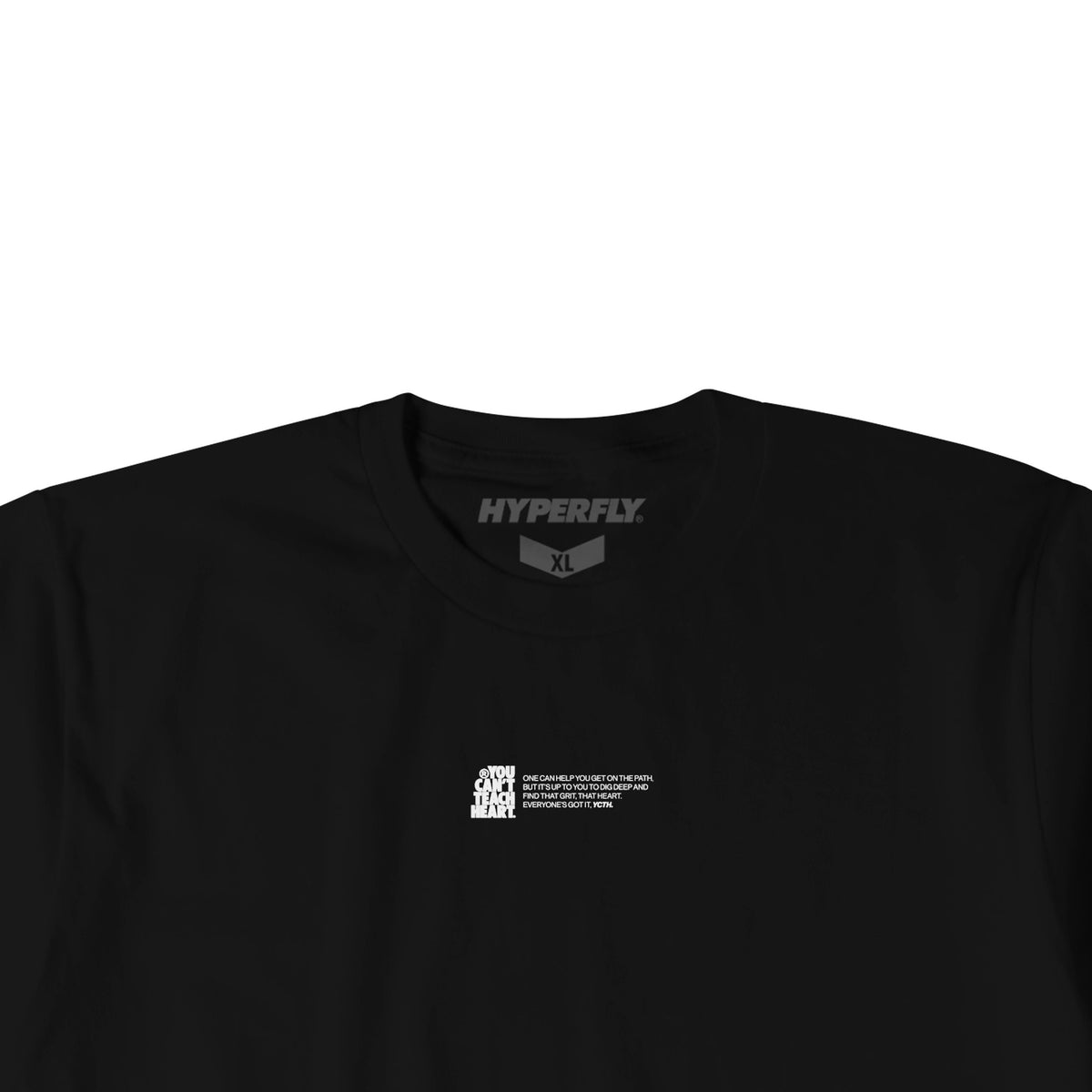
Hyperfly's women's line is designed with female athletes in mind, featuring a slimmer cut, durable material, and styles built to perform on the mat.
Common Concerns Answered Honestly
Is it safe? BJJ is a contact sport, so minor bumps and mat burns are part of the deal. Serious injuries are relatively rare, especially in beginner classes. The culture of tapping out, submitting before a technique causes real harm, is deeply embedded in BJJ. Responsible training partners and a good coach make an enormous difference.
Will I always train with men? In most gyms, yes, especially early on. Co-ed training is the norm in BJJ, and the vast majority of male training partners are respectful and careful. Women-only classes and open mats are becoming increasingly common and are a great option when available.
Do I need to be in shape to start? No. BJJ will get you in shape. Most beginners are exhausted after their first class regardless of their fitness level. The conditioning comes naturally with time on the mat. Show up as you are and the sport takes care of the rest.
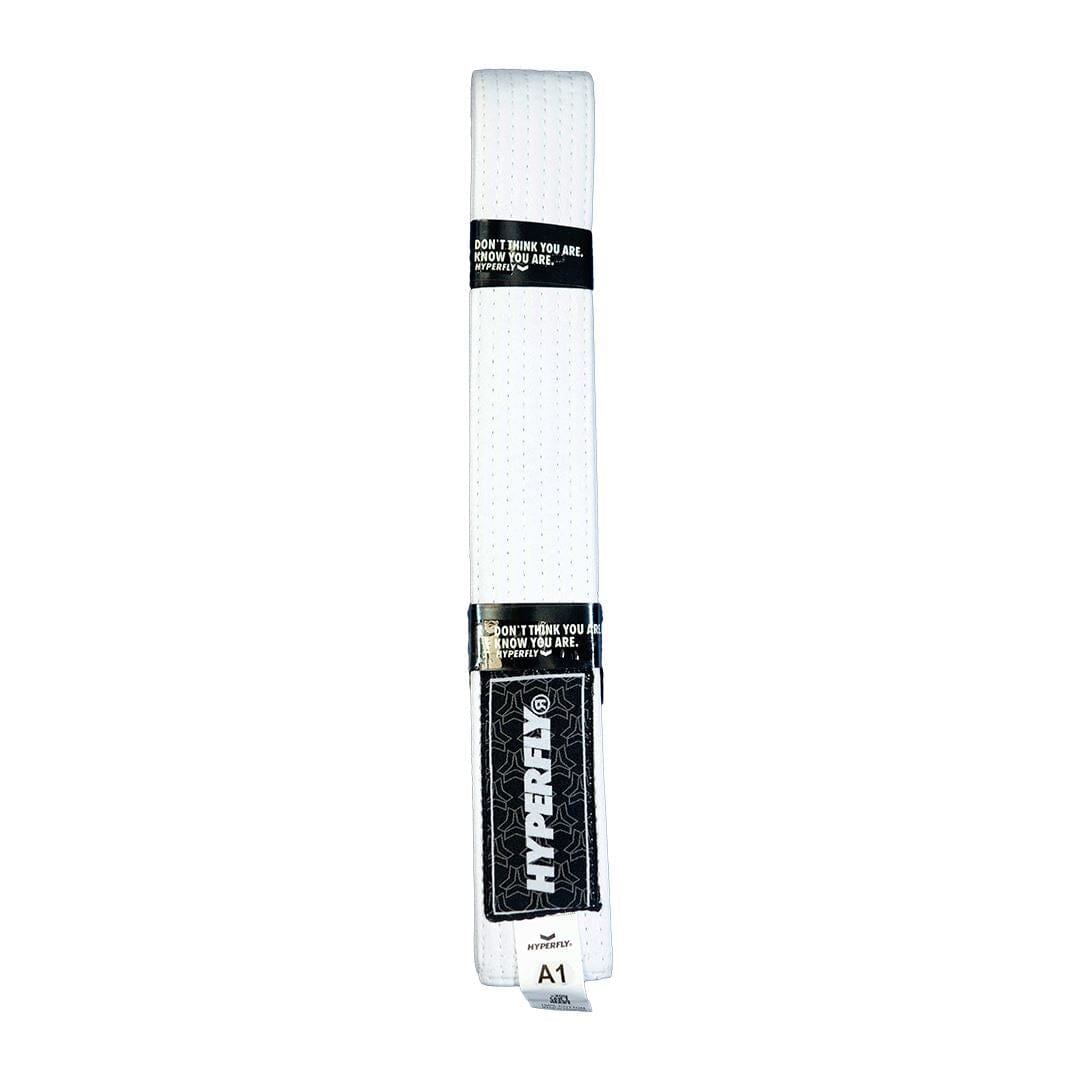
How long until I get my blue belt? Typically one to two years of consistent training, though belt progression varies by gym and instructor. In BJJ, belts are earned, not given. Each promotion genuinely reflects your technical growth.
A Final Word
BJJ will test your patience, your ego, and your limits. It will also give you something genuinely hard to find elsewhere: a skill set that grows with you, a community that supports you, and a quiet confidence that follows you off the mats and into everyday life. The hardest part is walking through the gym door for the first time. After that, you'll wonder why you waited so long.