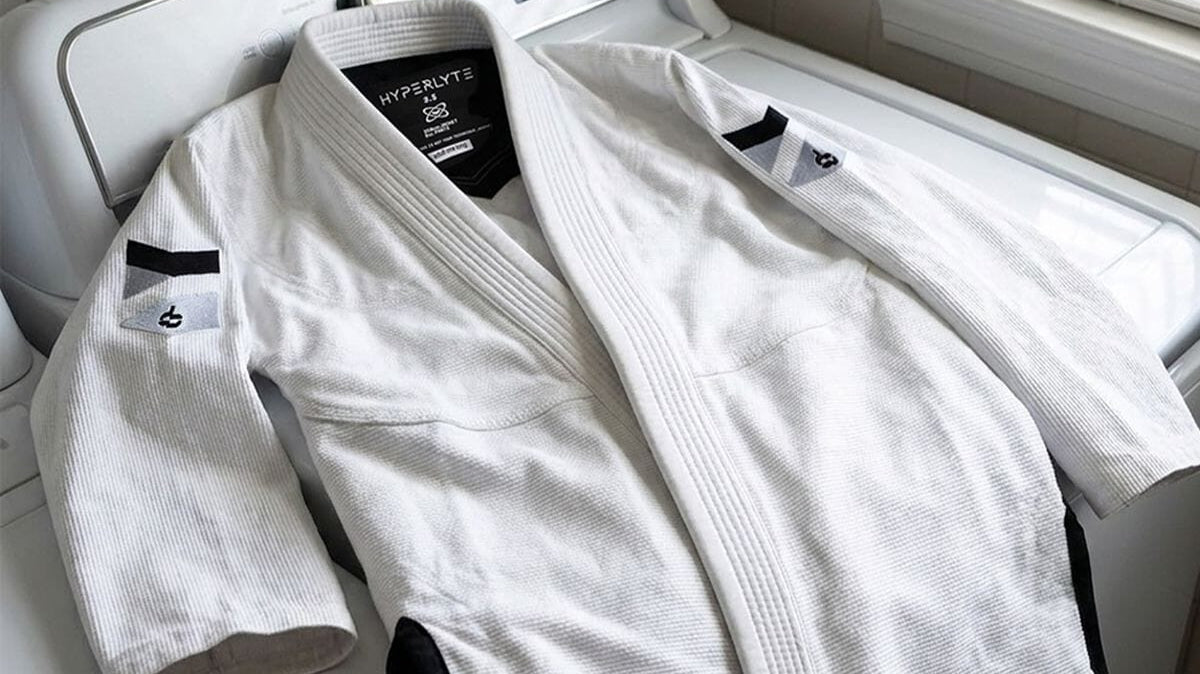
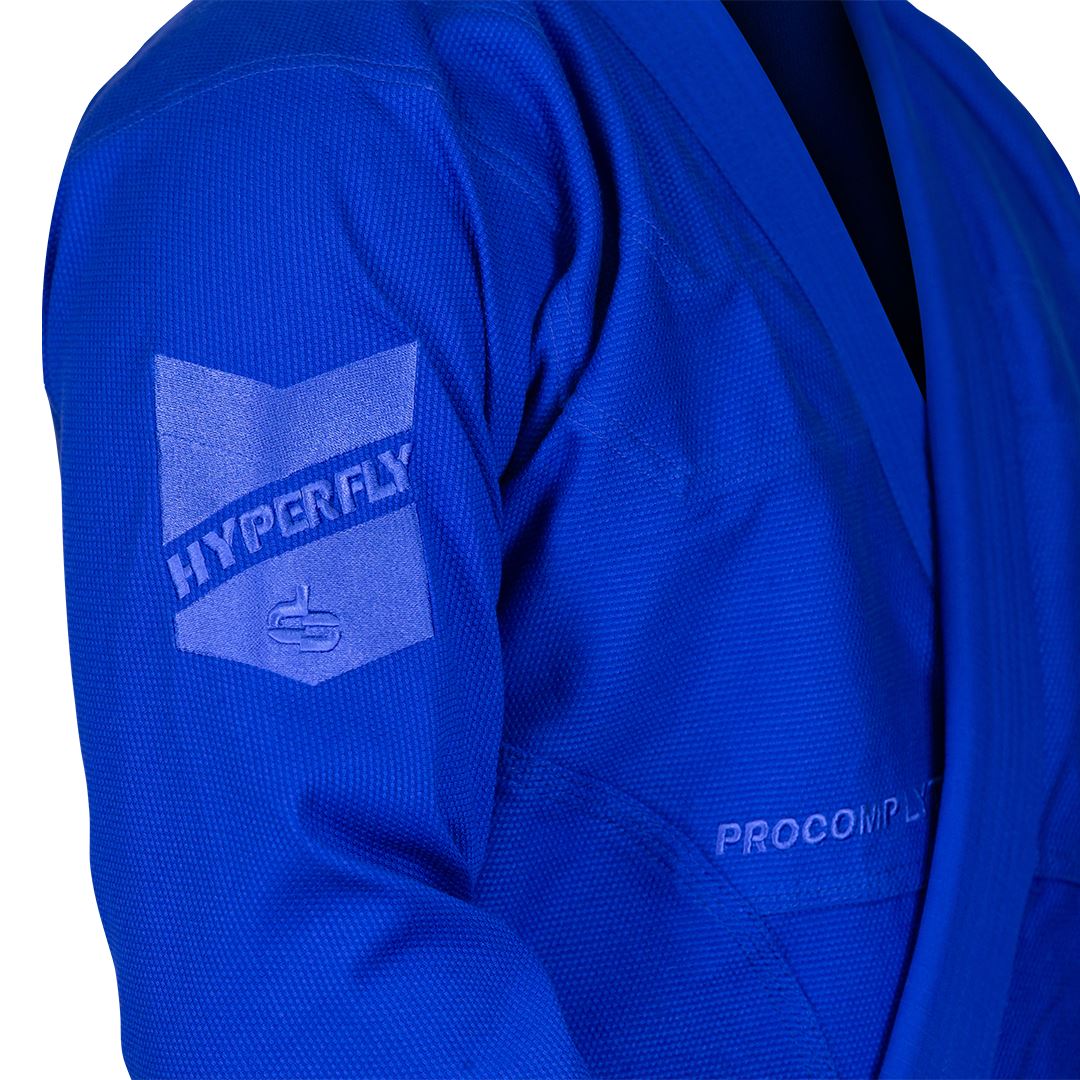
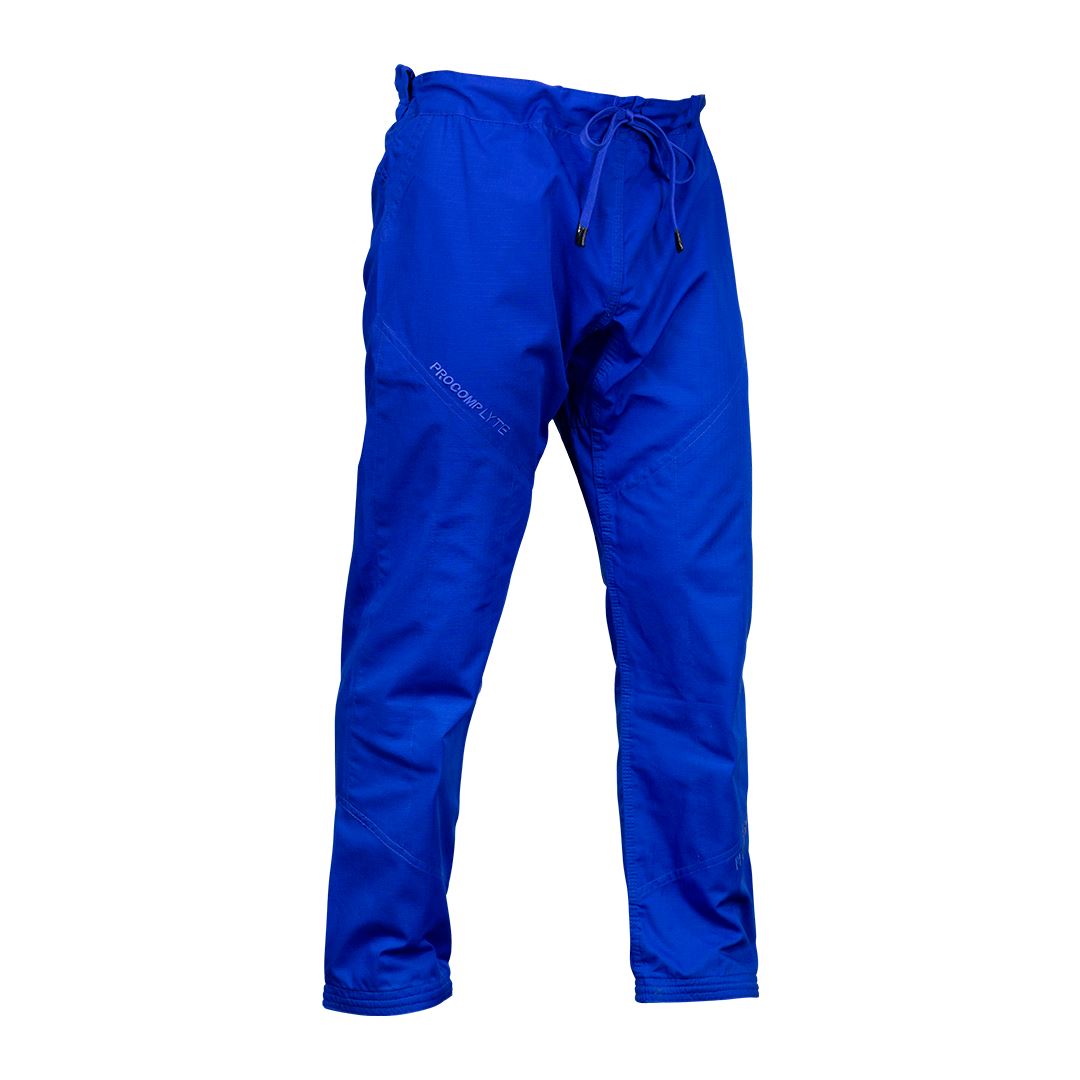
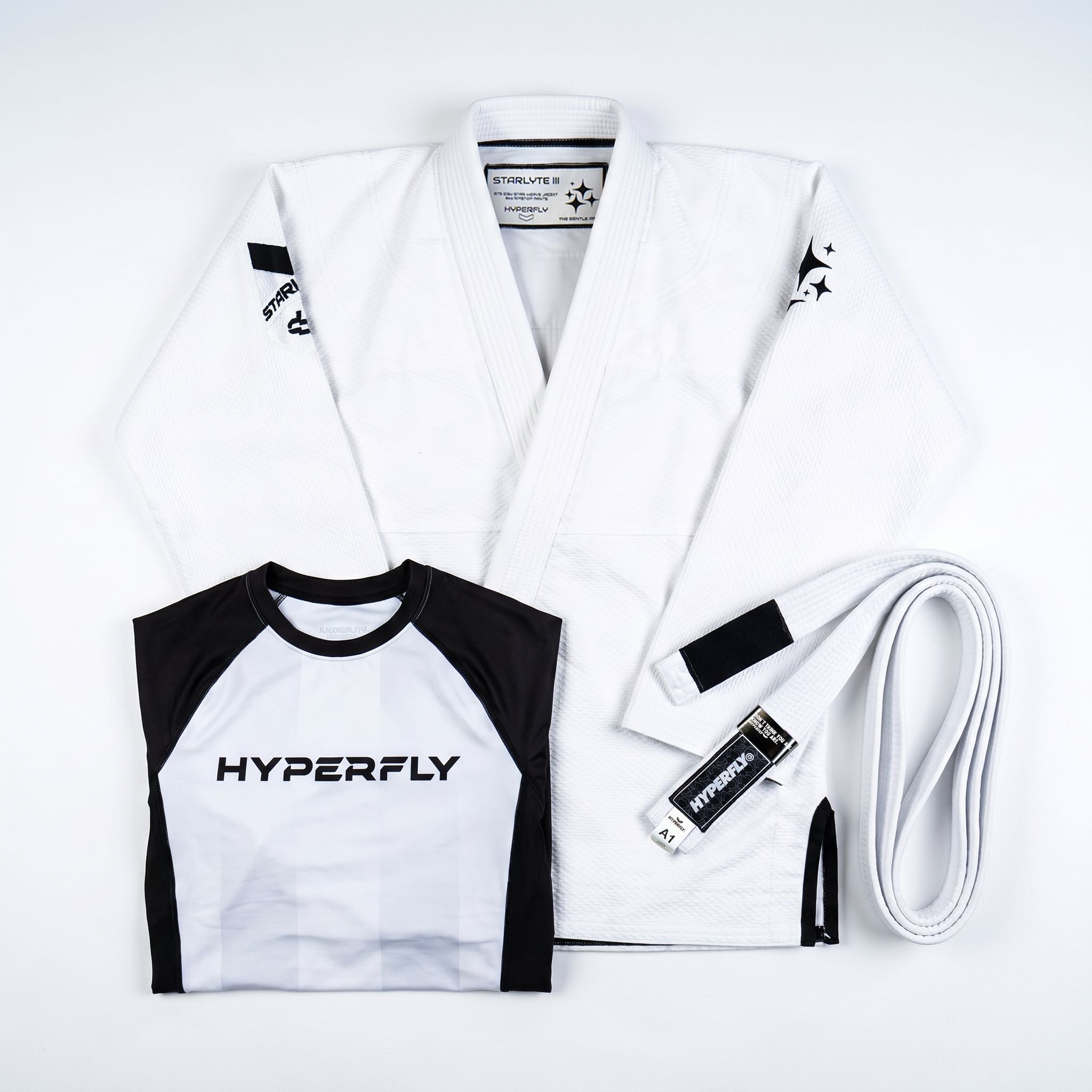
There's a moment in every jiu jitsu class when you realize you're not just fighting your training partner, you're fighting their hygiene habits. You get side-control on someone whose Gi smells like it's been fermenting in their trunk, or you mount a partner whose garlic breath is a submission tactic. We laugh about it, but odor in grappling isn't just a social hazard, it's a fabric science and microbiology issue.
Sweat itself doesn't smell. The culprits are bacteria, oils, and sulfur compounds clinging to fabric fibers like a white belt clings to your lapel – for dear life. Heavy cotton weaves, textured synthetics, and moisture-wicking blends create microscopic hidey-holes where odor compounds become squatters, or "permastink". The scent survives washing, soaking, and despair. Let's learn why fabrics trap odor, how your biology contributes to the funk, and what you can do to keep your gear snuggle-friendly. Jiu jitsu is hard enough without wondering if the smell is coming from you.

Odor in jiu jitsu gear isn't really about sweat. Human sweat is basically a saline solution: water, electrolytes, and a few organic compounds. The problem starts when sweat meets the bacteria living on your skin and inside your Gi fibers. These microbes metabolize sweat and skin oils into volatile organic compounds (VOCs), tiny airborne molecules responsible for "Gi funk," "gym bag musk," and the occasional "what died?" moment.
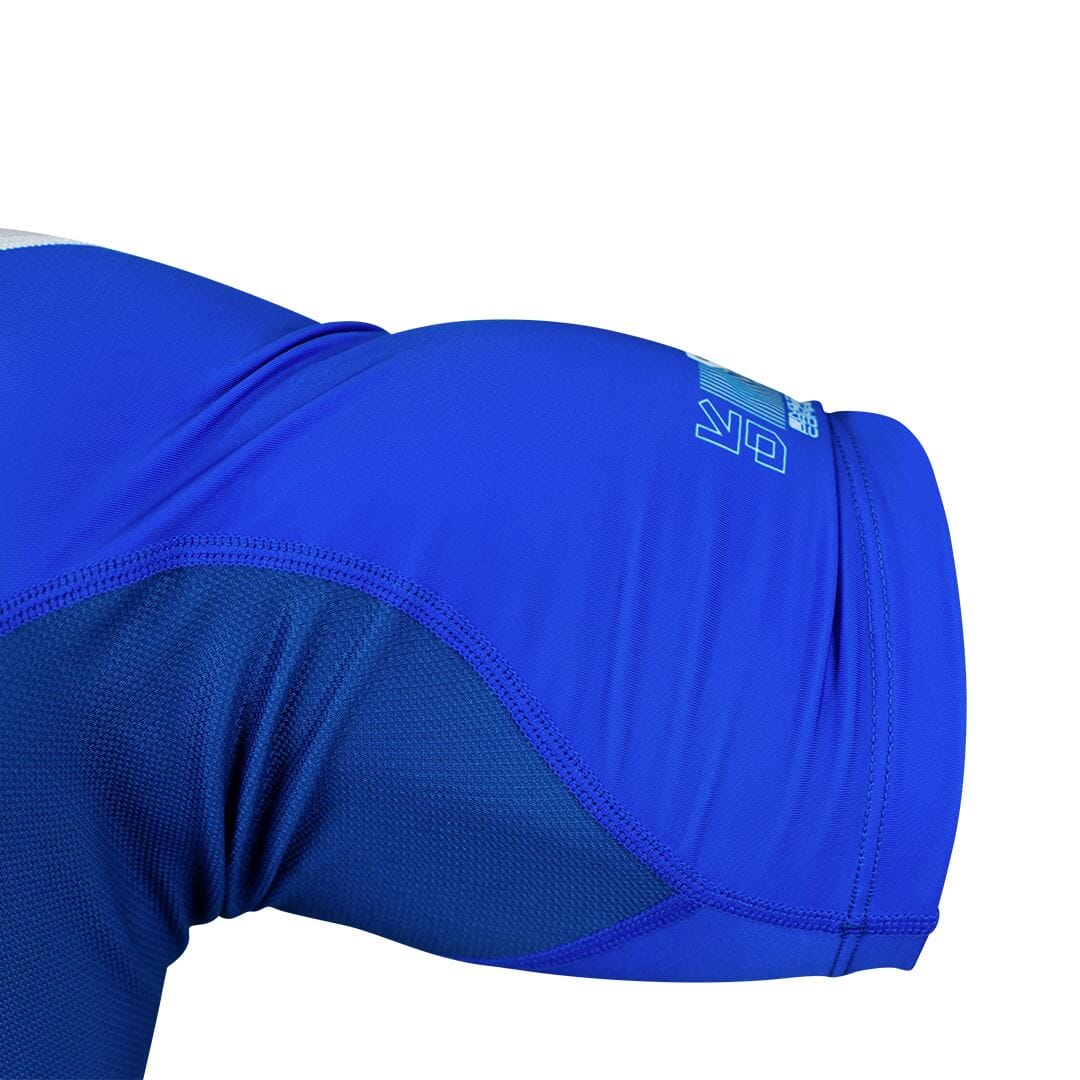
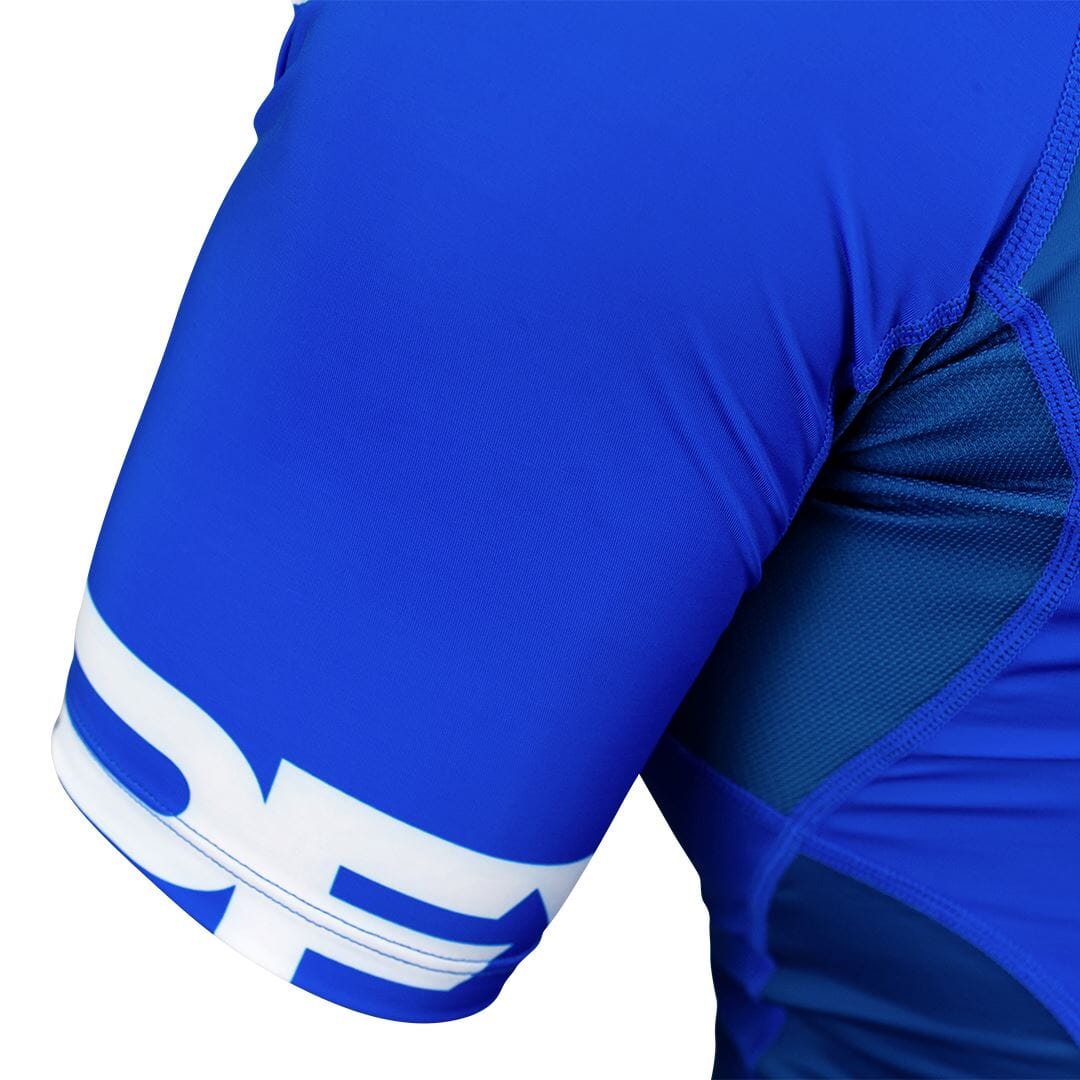
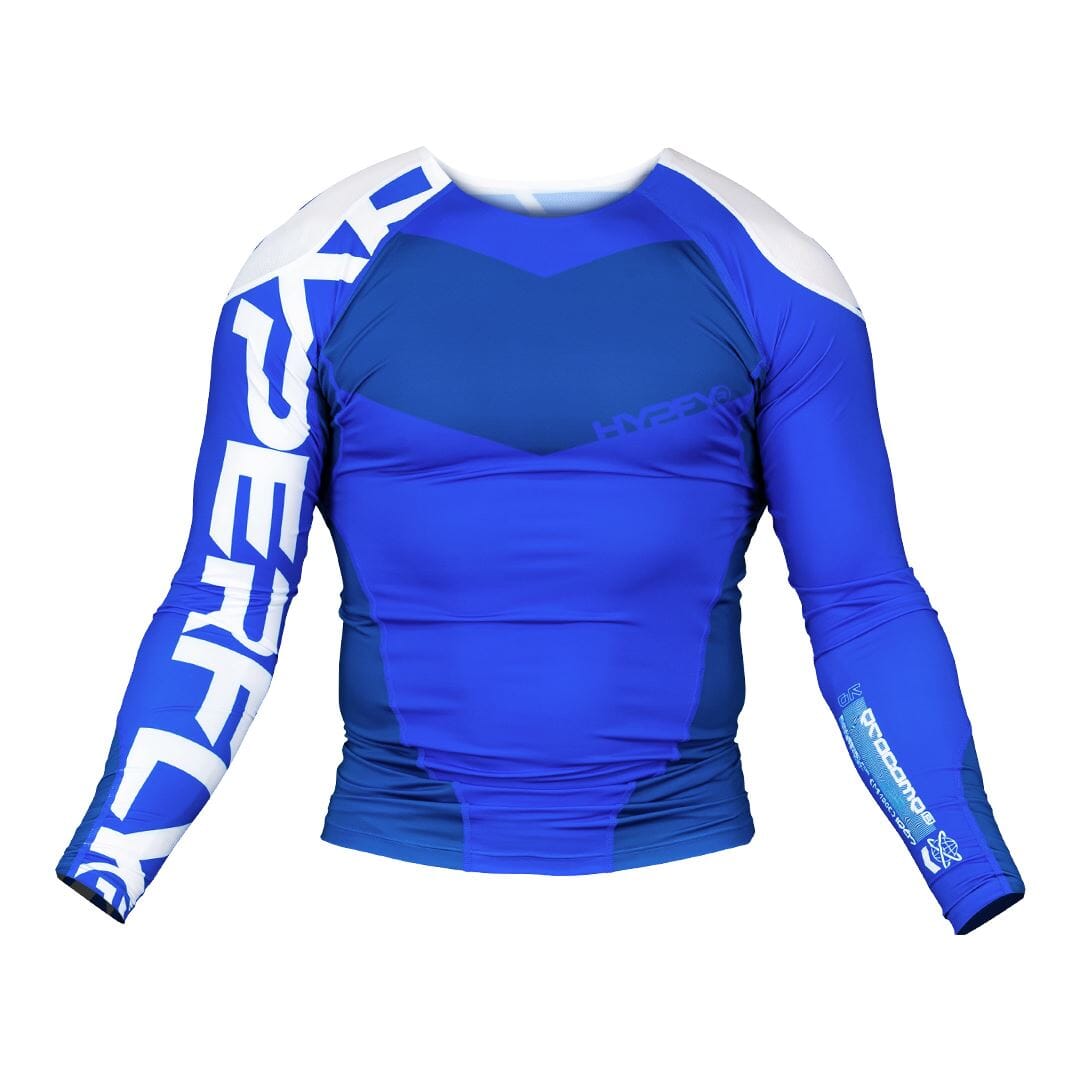
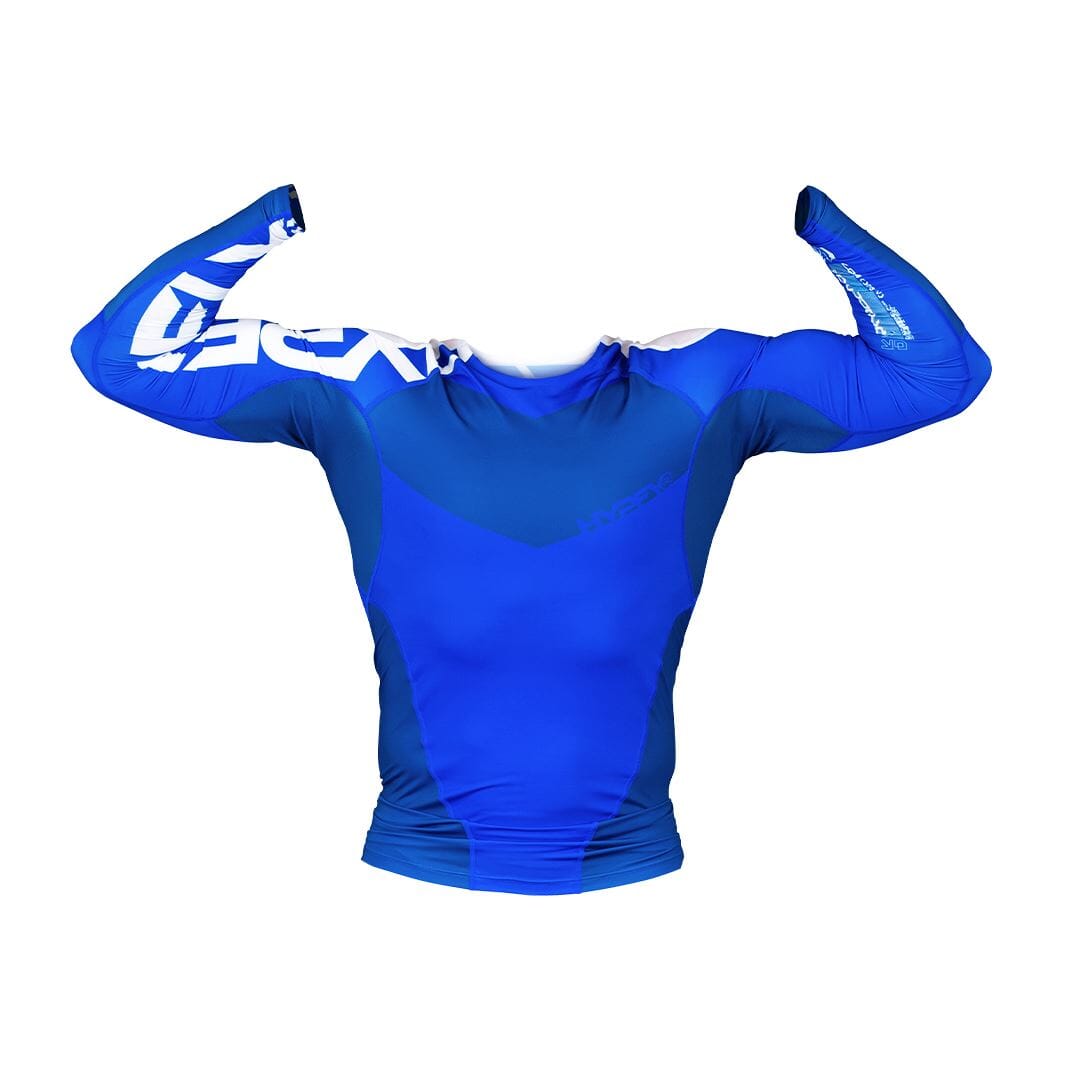
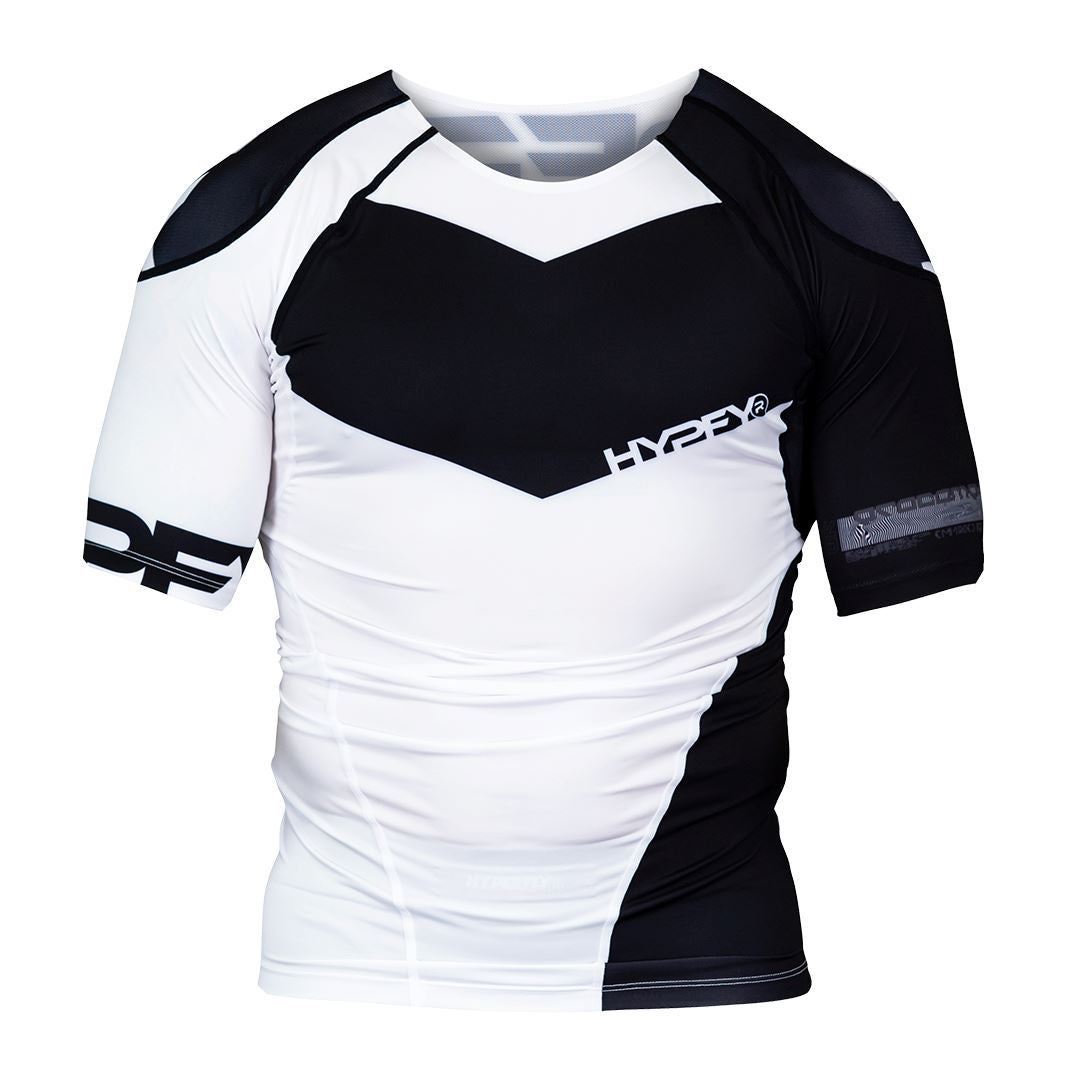
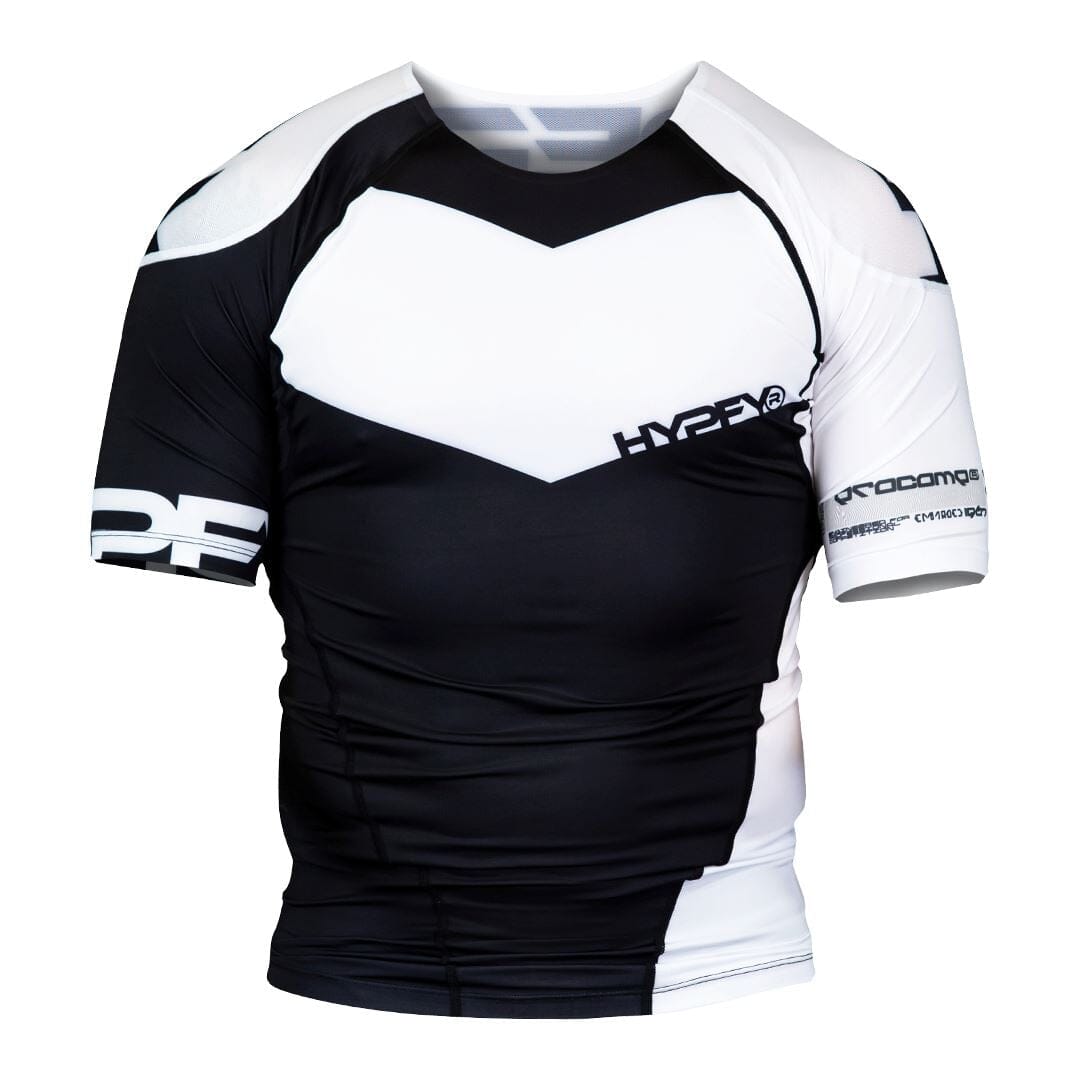
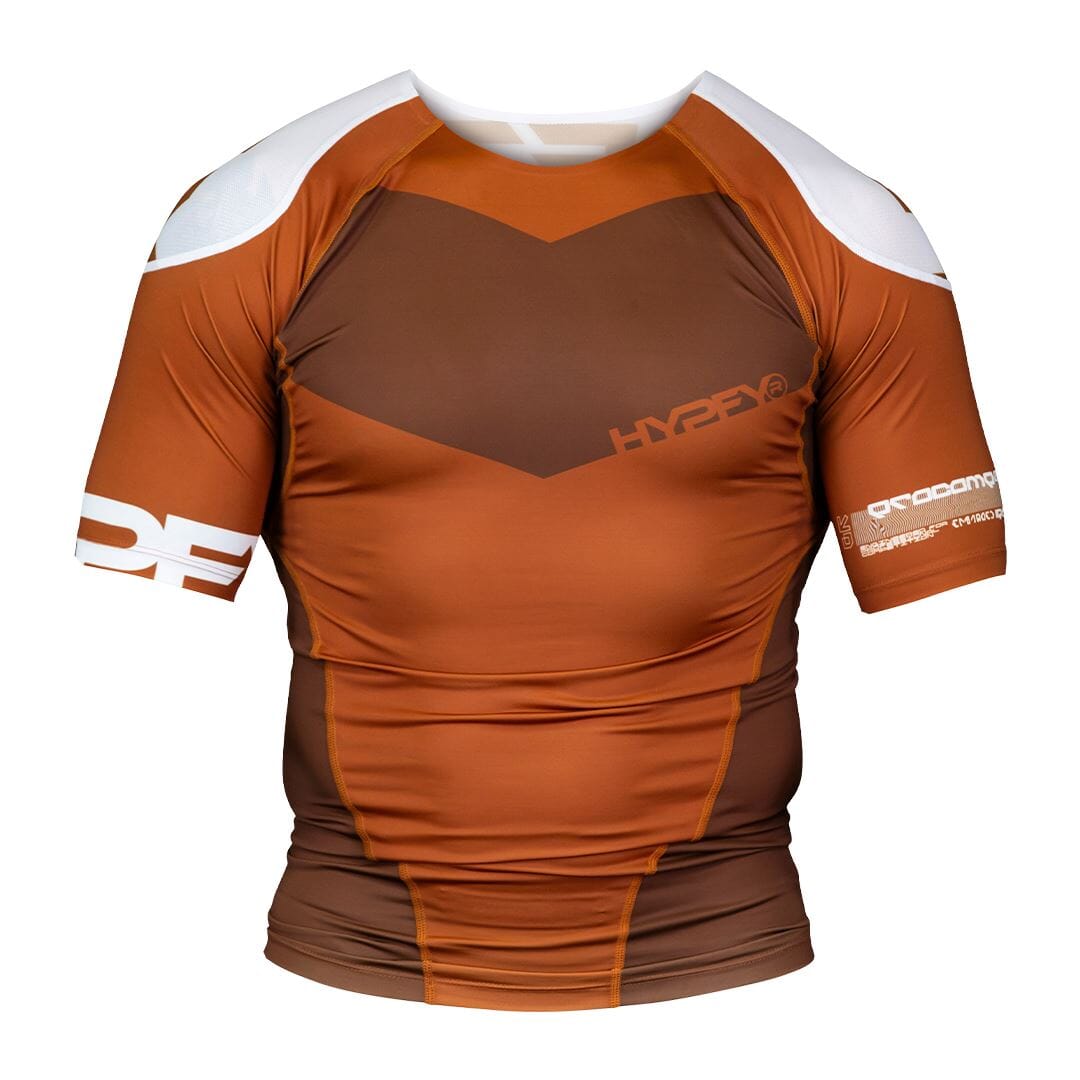
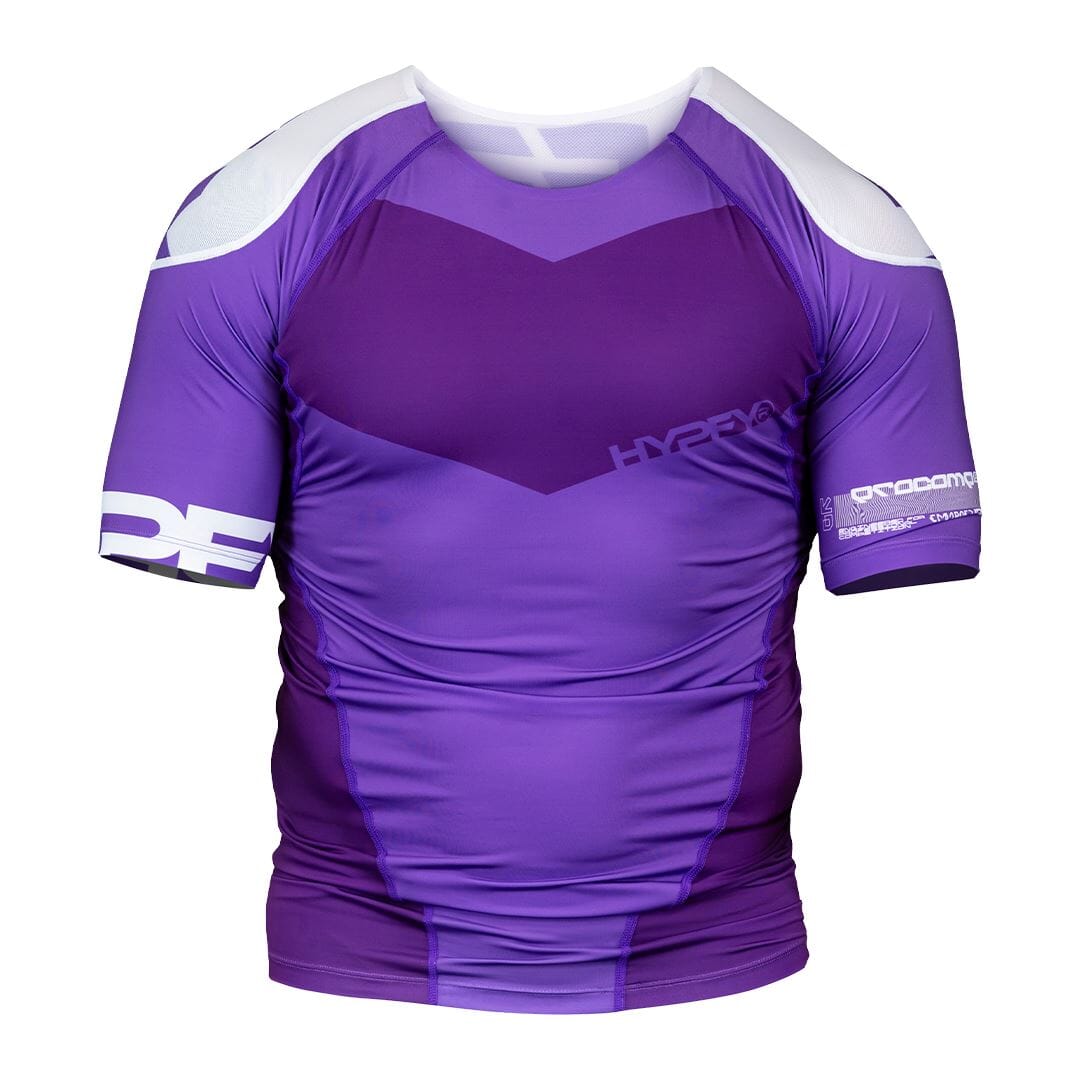
Different fabrics trap odor compounds in different ways. Recall that cotton is hydrophilic, so it loves water. That's great for comfort, but it also turns the fabric into a cozy, damp apartment for bacteria. Once oils and VOCs settle into cotton's internal structure, they can be stubborn to remove, especially in heavy gi weaves with lots of surface area. Synthetic fibers like polyester and nylon behave differently. They don't absorb water, but they cling to oils with gusto. Their surfaces are slightly textured at the microscopic level, giving bacteria and odor compounds nooks and crannies to latch on to. This is why a rashguard can smell fine when it's dry but become surprisingly aromatic when you start sweating.

Your Gi is textured and constantly exposed to friction, sweat, and skin cells. Every roll adds more organic material to the fibers, like adding food to the pantry. Every wash that doesn't fully remove oils leaves behind a residue that bacteria can happily munch on. Over time, this creates the dreaded "permastink": odor compounds so deeply embedded in the fibers that normal washing doesn't cut it. In short, fabrics trap odor because they trap the things that create odor: oils, bacteria, and the chemical byproducts of both. And once those compounds settle in, just like you, they don't leave without a fight.
Even with perfectly engineered fabrics, some of the funk on the mats doesn't come from the Gi, reality check here - it comes from the human inside it. Grappling is a proximity sport, and biological quirks get shared at conversational distance. Bad breath is the most common offender. It's bad enough to be stuck in side-control, but when the person on top is also exhaling the sulfur compounds of their oral bacteria in your face, you want to tap. Then there's garlic sweat, a phenomenon that feels like folklore until you roll with someone who ingested a heroic amount of the herb the night before. The compound responsible is allyl methyl sulfide,2 and it doesn't just linger on your breath. This organic culprit is excreted through sweat for up to 48 hours.
And of course, general hygiene habits must be included here. Wearing the same gear for an AM roll and again for the PM class because "it's probably fine" is not OK. Leaving sweaty clothes in a sealed bag, skipping a preclass rinse, or dousing yourself in cologne because you didn't have time to shower that day - all feed the bacteria that create odor. Even Mr. Clean can become an olfactory nuisance if his gear isn't dried properly or washed often enough. This is not about shaming anyone. It's about acknowledging that odor is a biology problem, not just a fabric issue. When you combine close contact grappling with the biochemistry of human bodies, you create the perfect storm of smells worthy of a severe weather alert.

What can you do to not be that person? The easiest way to deal with Gi funk is to stop it before it starts. Odor compounds build up only when sweat, oils, and bacteria get time to settle into fabric.
Quick biology review of the conditions bacteria need to flourish: FAT TOM
F=Food, A=Acidity, T=Time, T=Temperature, O=Oxygen, M=Moisture
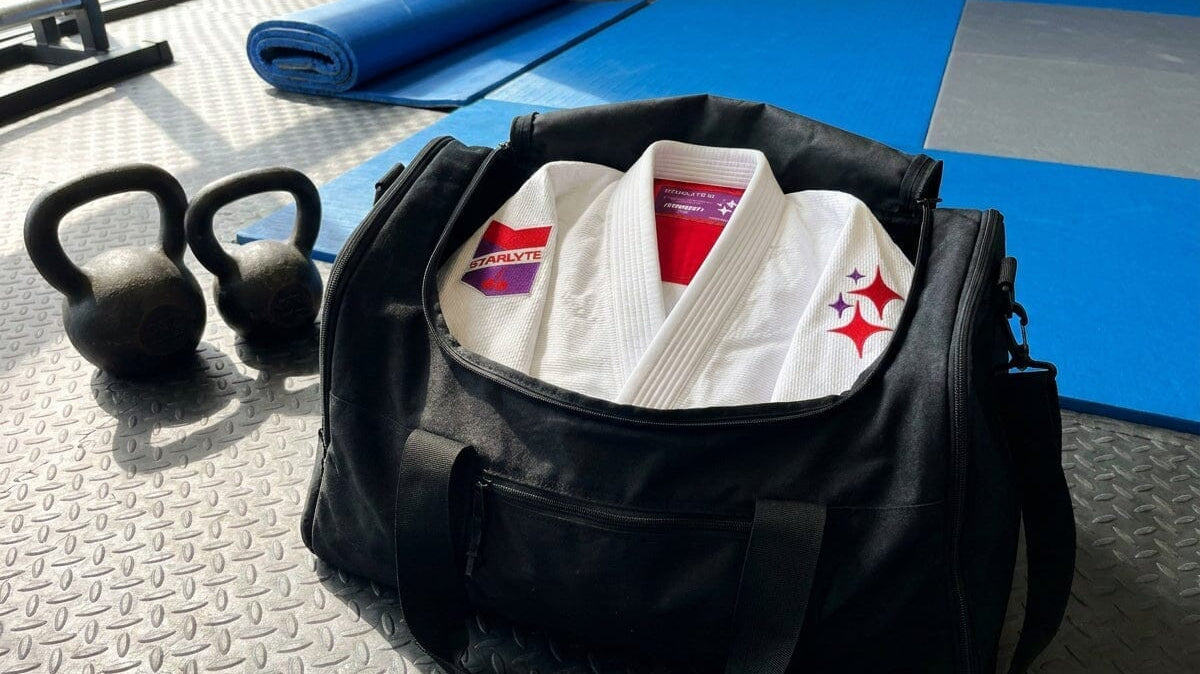
Prevention is about cutting off the supply chain. Airflow is your first line of defense. Once class ends, get your gear into a mesh bag or into open air. Don't shove it into a sealed bag. Bacteria thrive in warm, damp, dark environments, which is exactly what your gym bag provides. Rinse early, rinse often. A quick rinse at home removes most of the sweat and skin oils that bacteria feed on. Even if you can't wash immediately, rinsing buys you time and prevents the "overnight marination" that leads to stubborn odors. Use the proper detergent. Use detergent that breaks down oils, not one that masks the smells. Enzyme based detergents target proteins and fats that cling to fibers. Regular detergents clean at a surface level, but leave behind deeper residues that cause permastink. Fragrances hide the problem temporarily, but don't remove the VOCs causing the odor.
Mind your water temperature. Warm water dissolves oils more effectively than cold, but hot water can damage Gi fibers or cause shrinkage. Aim for warm washes unless your gear's care instructions say otherwise. Let the sun help you out. UV light naturally disrupts bacterial DNA and helps reduce mildew odors. A few hours outside can do more than an extra rinse cycle. Rotate your gear. Even clean gear needs time to fully dry. Wearing the same gi day after day traps residual moisture and encourages bacterial growth. Having two gis or multiple rash guards isn't indulgent, it's the social etiquette of hygiene. Personal hygiene counts. Brush your teeth before class or use a breath mint. Shower if you can. Avoid garlic heavy meals right before training. Prevention isn't complicated. It just needs to be consistent, like training.

Every grappler forgets a used Gi in the trunk of the car or ends up with gear that smells like it's seen things. Here's what you can do to stop the funk. Start with soaking. Odor compounds cling to oils, and oils cling to fibers. A 30–60 minute soak in warm water with an enzyme based detergent gives those enzymes time to break down the proteins and fats that trap VOCs. This step alone often removes the "mystery funk" that regular washing leaves behind. Use oxygen based cleaners when needed. Oxygen bleach (the color safe kind) helps lift organic residues without damaging Gi fibers. It's especially useful for heavy cotton weaves that hold onto sweat and skin cells. Think of it as a deep clean, not a surface rinse. Skip the vinegar hype. Vinegar is great for dissolving mineral buildup, but it doesn't do much for odor compounds bound to oils. It can help with hardwater issues, but it's not a stink eraser. Use it sparingly and with realistic expectations. Baking soda helps, but only a little. It neutralizes acidic odors, but it doesn't remove the underlying oils or bacteria. It's a supporting actor, not the star of the show. Avoid fabric softener. Softener coats fibers with a waxy layer that traps odor and makes future washes less effective. It's basically "stink laminate." Dry completely (outside if possible). Residual moisture is bacteria's favorite playground. Air dry your Gi fully, and let sunlight help. Avoid leaving dark colored gear in sunlight for too long to prevent fading. If all else fails, repeat the soak and wash cycle. Permastink didn't build up in one day, and it sometimes takes two rounds to break it down. The key is patience and giving the cleaning agents enough contact time to work.
In the end, keeping your gear clean isn't just about avoiding awkward moments on the mats, it's about respecting the people you train with. Odor comes from biology and fabric chemistry, not moral failure. When you care for your gear properly, you make training safer, more comfortable, and collectively, more enjoyable. Good hygiene keeps bacteria in check, reduces the risk of skin infections, and helps your gear last longer. More importantly, it keeps your teammates from silently questioning their life choices every time you go for side control. Train hard, take care of your gear, and let your technique, not your scent, make the strongest impression.
Shop Fresh Gear (and Keep It That Way)
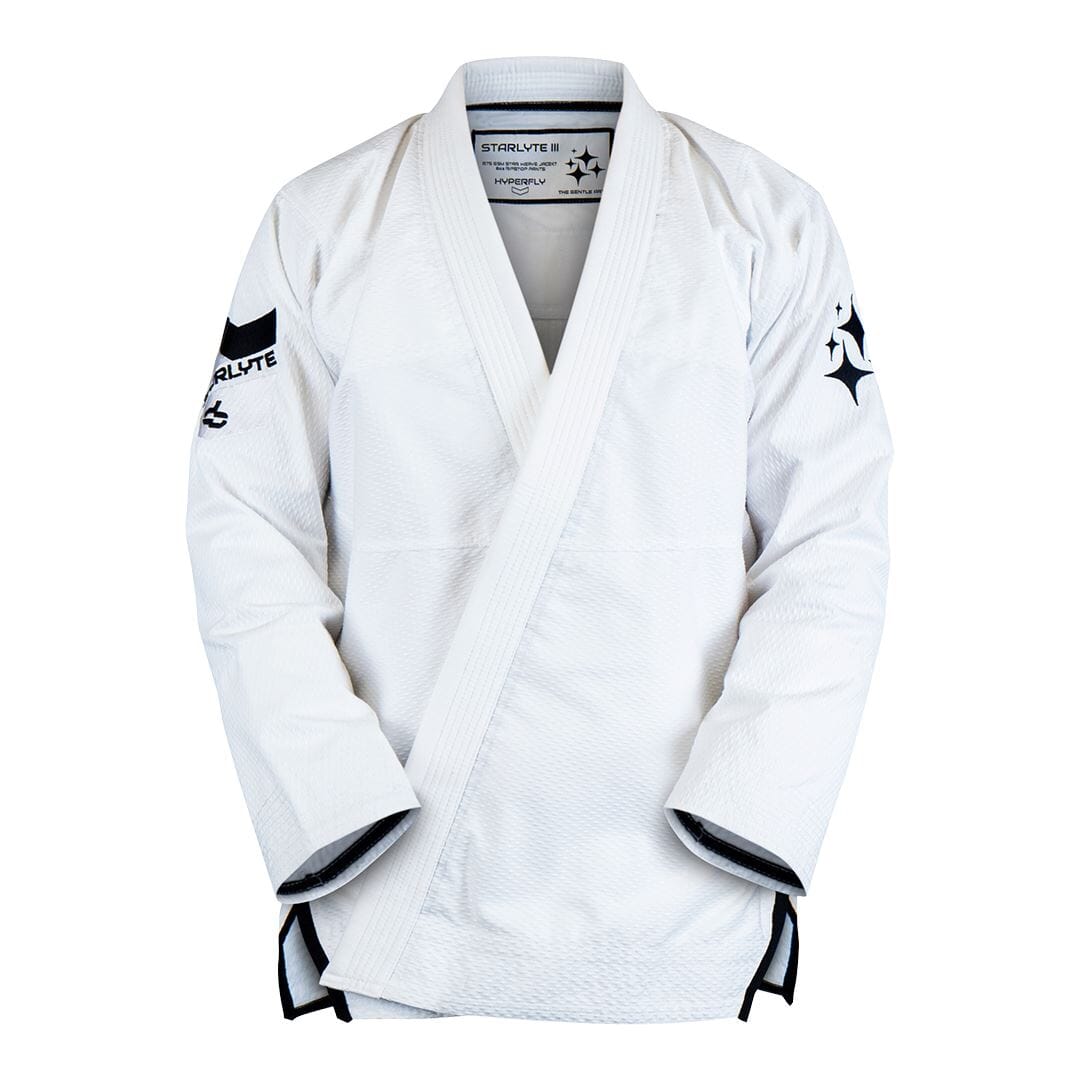
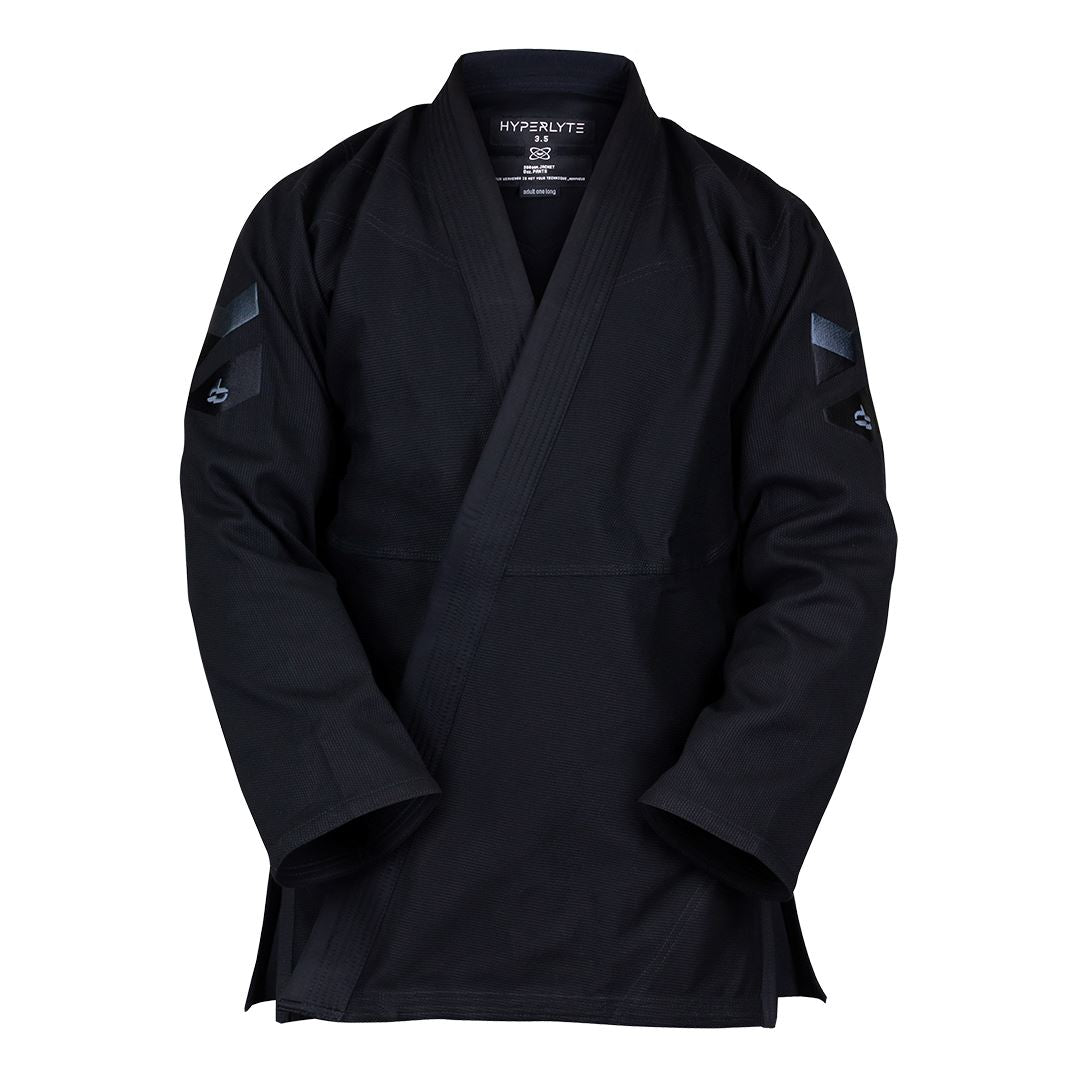
- Gis & Kimonos — Rotating between two gis is the single biggest fix for permastink. Browse the full lineup.
- BJJ Rash Guards — Moisture-wicking no-gi layers built to dry fast and fight the funk described above.
- No Gi Gear — Rash guards, shorts, and spats for training without the gi.
- Gear Bags — Ventilated bags that let your gear breathe between classes instead of marinating.
-
Gi Care Instructions — Hyperfly's official wash and care guide for keeping gis smelling right.