Long before the modern Brazilian Jiu-Jitsu Gi took over the mats, the ancestral martial arts uniform was forged for battlefield survival. If you were a samurai in feudal Japan preparing for war, you weren't thinking about comfort, color, weave, or IBJJF standards, but mechanical protection. Wearing heavy, overlapping iron plates over bare skin was a recipe for a dermatological horror show of raw chafing and structural failure. The abrasion, pinching, and moisture buildup beneath the armor (yoroi) required a specialized, tactical barrier. Warlords running the show favored heavy, woven silk undergarments known as yoroi hitatare to reduce friction. For the average warrior, dismissively, the go-to fabric was hemp (asa). Hemp was irritatingly coarse, but exceptionally durable, and resistant to mildew (a plus in Japan's humid climates), making it the go-to for early military grappling.

The Antimicrobial Defense: Ancient Science Meets Modern Training
Centuries ago, martial artists were already experimenting with the chemistry and biology of their gear. Ancient warriors dyed their undergarments with natural indigo (aizome). Beyond the striking color, this was a biological defense mechanism. Natural indigo has antibacterial and antimicrobial properties, acting as a shield against nasty skin pathogens like ringworm (tinea corporis) and bacterial staph that thrive in warm, high-friction environments — the same antimicrobial fabric properties Gi brands still design around today. As warfare evolved and battlefields shifted, the hunt for a perfect protective layer sparked a textile transition. Martial artists began moving away from rigid, protective armor and into the world of pure material science.
The Cotton Revolution: From Luxury to Standard
As Japan transitioned away from total feudal warfare into eras of peace, martial arts shifted from the battlefield to a spiritual and physical endeavor. This cultural pivot required that textiles pivot as well. Cotton was a heavily restricted import in Japan and couldn't be grown domestically, so it remained a luxury that everyday martial artists had little to no access to. This forced the early grapplers to train in that coarse, abrasive hemp. However, by the 16th century, domestic cotton cultivation was flourishing, and a textile revolution changed martial arts forever.

As cotton became accessible, it replaced hemp as the preferred fabric for grappling, laying the groundwork for the cotton BJJ Gi fabric athletes train in today. From a material science standpoint, cotton is a rare, dual-nature paradox: it is soft against the skin, yet strong. Under a microscope, cotton fibers have a natural, twisted structure, allowing them to stretch — just enough — under load and absorb tensile force without shearing. From a biology standpoint, the structural alignment of cotton fibers behaves like an organic radiator, managing the heat and friction generated by training. Cotton draws sweat away from the body to aid in thermal regulation; a homeostatic mechanism to cool down during a hard roll. It was only a matter of time before this fabric was engineered into a dedicated uniform by an innovative mind.
The Birth of the Modern Gi: Jigoro Kano's Engineering Breakthrough
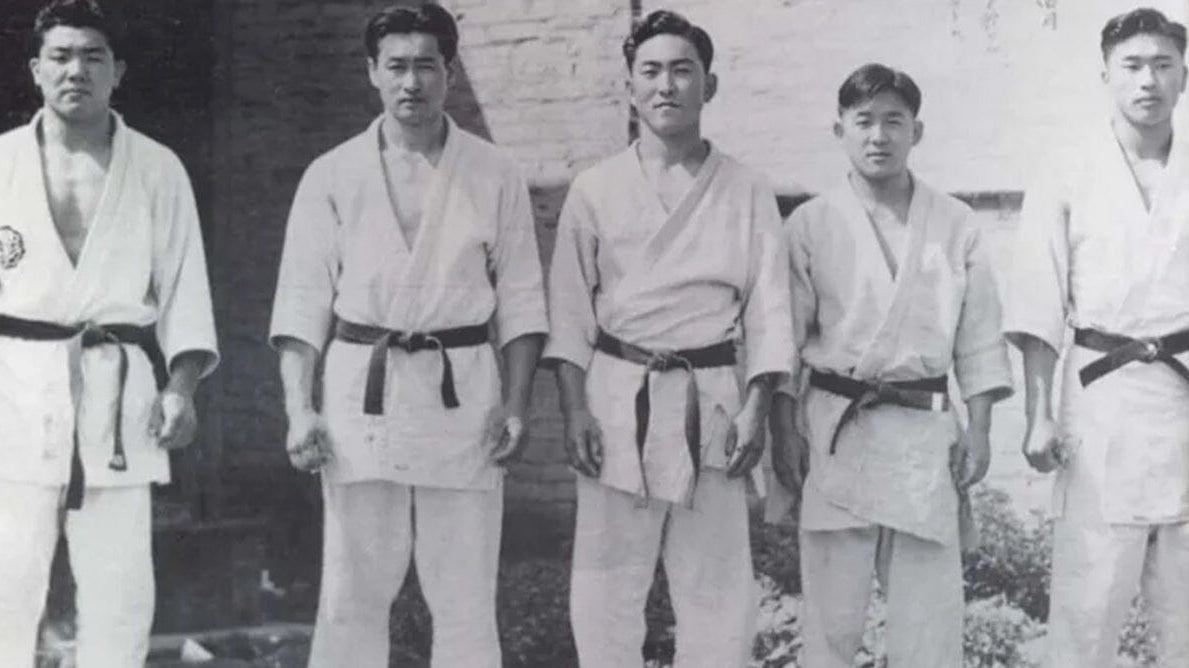
Jigoro Kano rewove the tenets of martial arts by founding Judo in the late 19th century. Inadvertently, he also became a textile engineer. Traditional, lightweight kimonos couldn't handle the dynamic throwing and gripping of Judo. Under high tensile stress, silk or thin linen weaves structurally failed, literally tearing at the seams. To solve this, Kano introduced the Keikogi (training uniform, also known as a judogi), using a heavy, specialized cotton weave. From a structural engineering perspective, this was a breakthrough. He used a unique, multi-layered sashiko (rice-grain) weave on the upper jacket, which increased the fabric's density and tensile strength. By distributing mechanical stress across thousands of intersecting cotton loops, this durable textile matrix could withstand hundreds of pounds of jerking and pulling without shearing. It was designed to absorb and redistribute kinetic energy and became the direct precursor to the modern armor used on the mats today.

The Gracie Era: Competition Drives Innovation in Gi Weaves
When the Gracie family adapted the Japanese uniform for ground fighting, a decades-long game of competitive optimization began. In the early days, a gi was essentially heavy-duty canvas armor. But as competitors realized that an extra ounce on the weigh-in scale meant less pizza pre-tournament, the race to minimize fabric weight kicked off. This sparked an evolutionary shift in fabric weight, measured in Grams per Square Meter (GSM). While fabric weight almost always correlates to the weave type, any good scientist knows not to confuse correlation with causation. GSM is a measure of fabric density, whereas the weave is the structural pattern.
The GSM Spectrum: Understanding Lightweight to Heavyweight Gis
- The Dinosaurs (550+ GSM): Heavy double-weaves, the classic heavyweight BJJ gi. Feels like wearing a thick blanket in a sauna, with a material bulk that makes it challenging for your opponent to close their fingers for a strong grip.
- The Modern Happy-medium (380–450 GSM): The sweet spot, dominated by the specialized single "Pearl Weaves" — the most popular BJJ gi weave on the market today. The micro-bead texturing offers a tear-resistant structure without giving the athlete heat stroke.
The Lightweight Revolution: Hyperlyte and Starlyte Weaves
As competitive BJJ evolved, manufacturers began pushing the boundaries of what "lightweight" could achieve. This led to the development of next-generation gi weaves engineered specifically for performance without compromise.
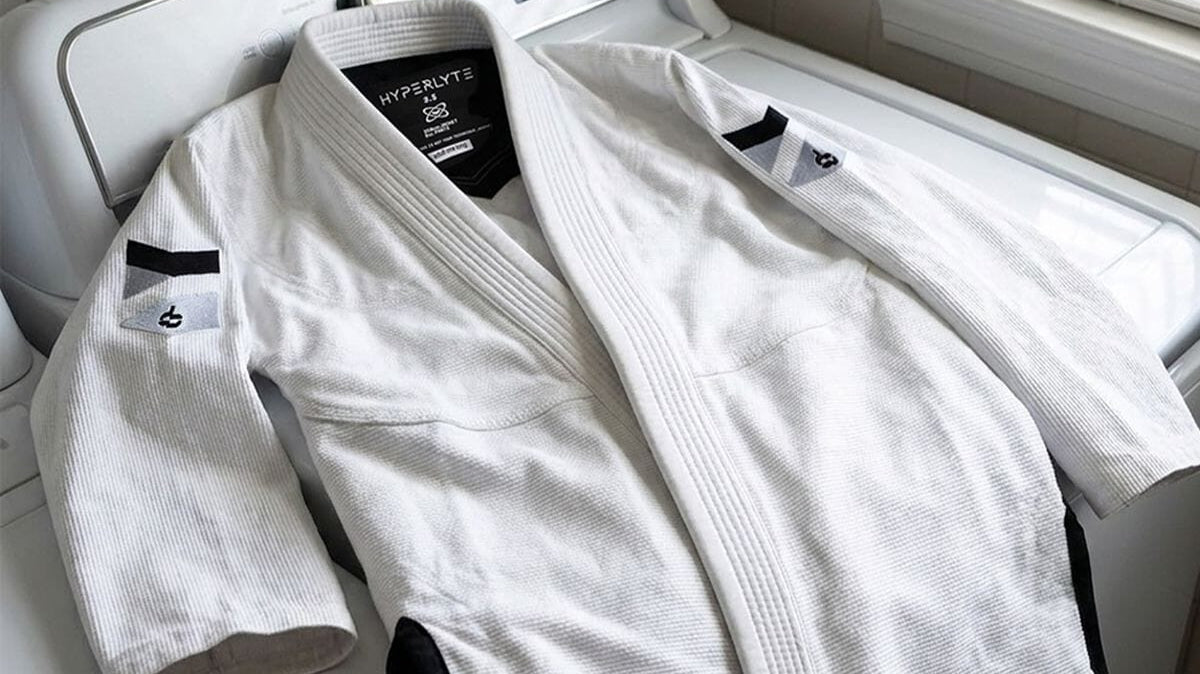
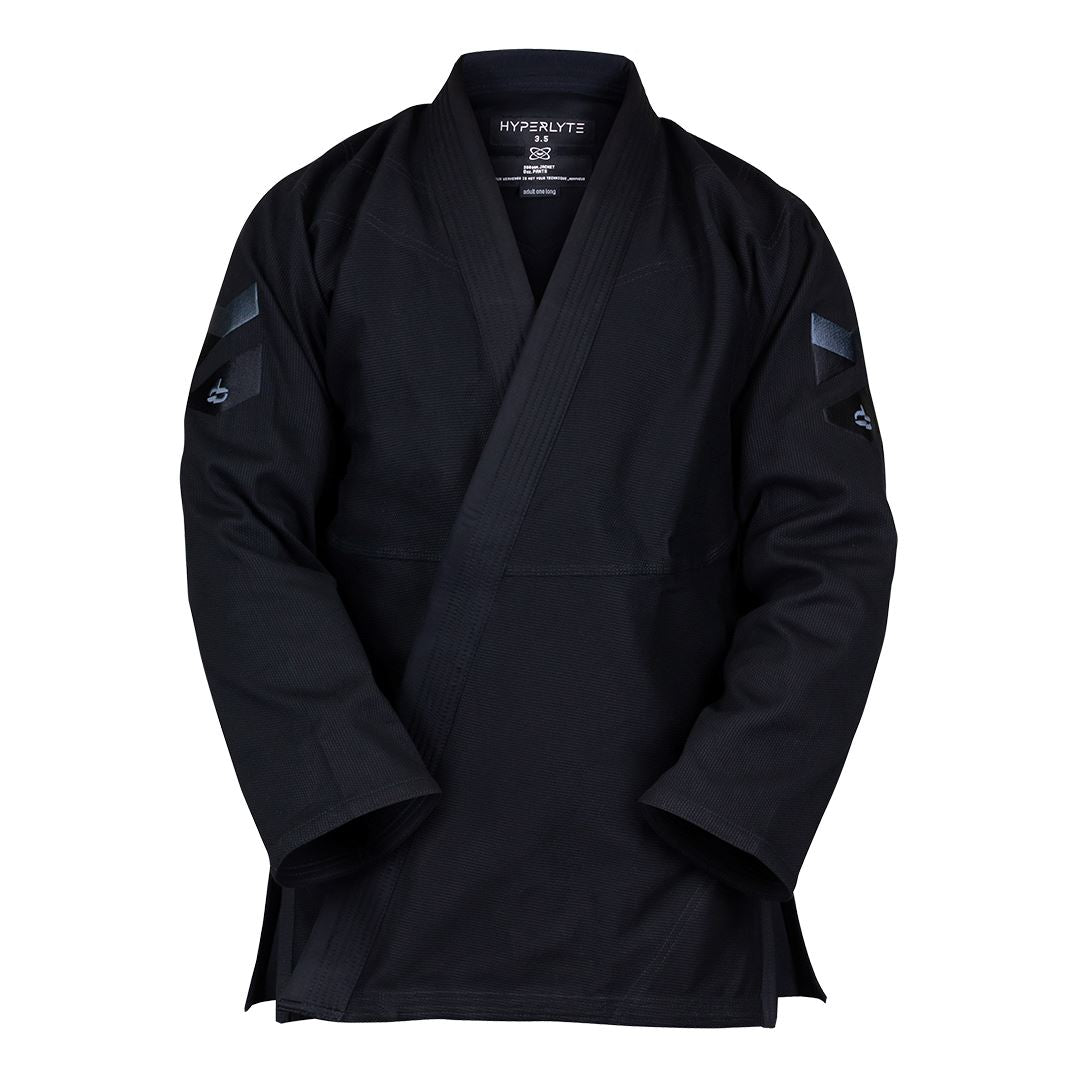
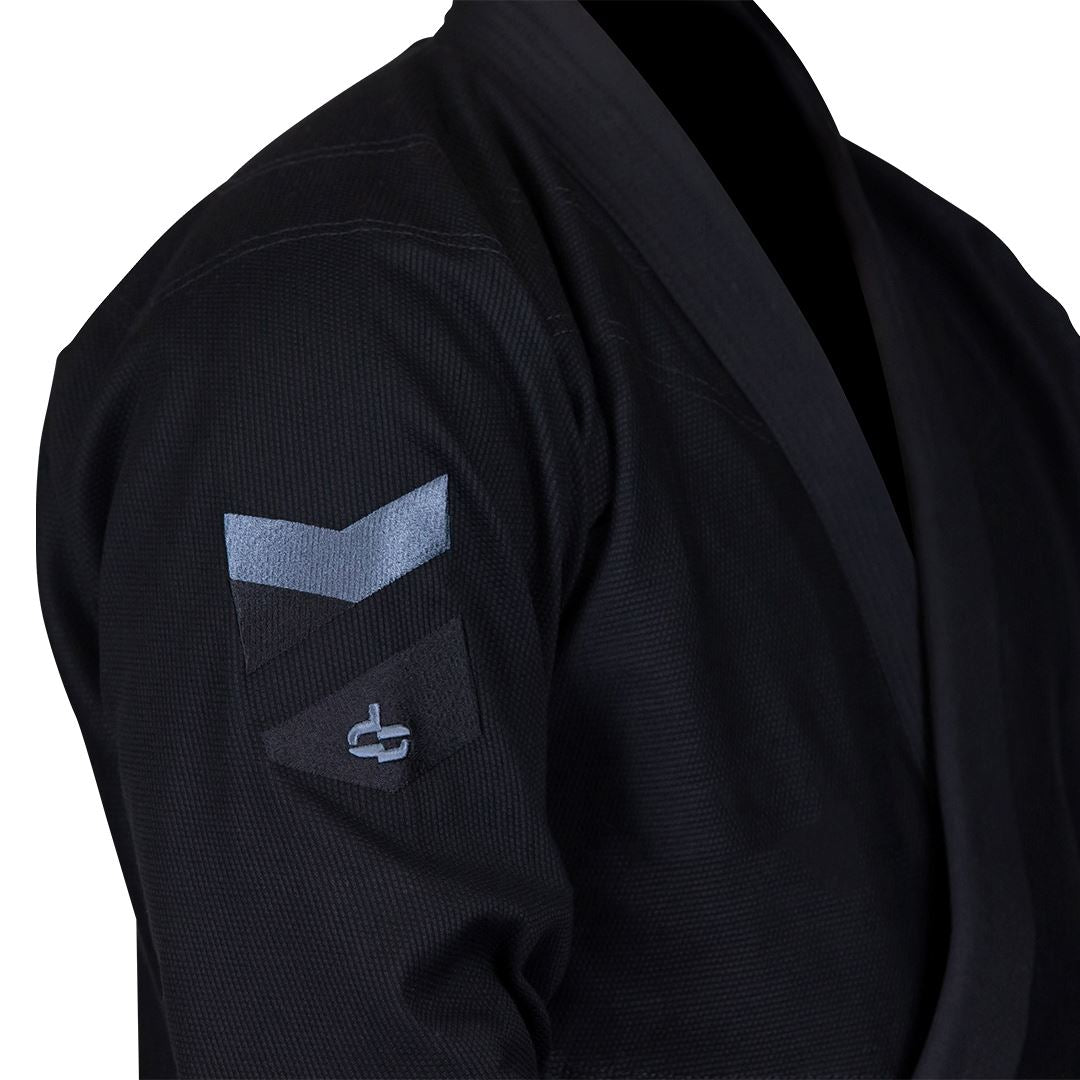
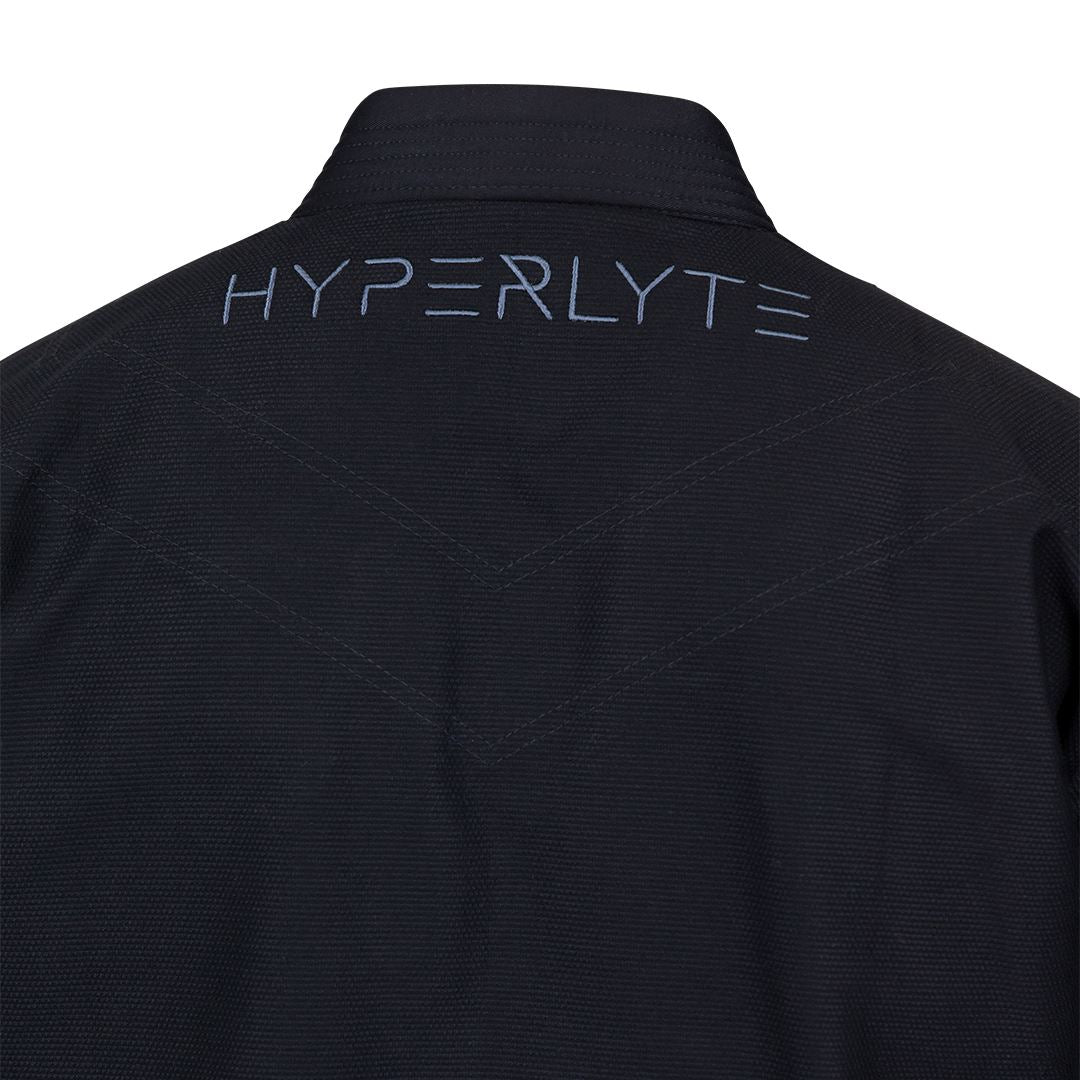
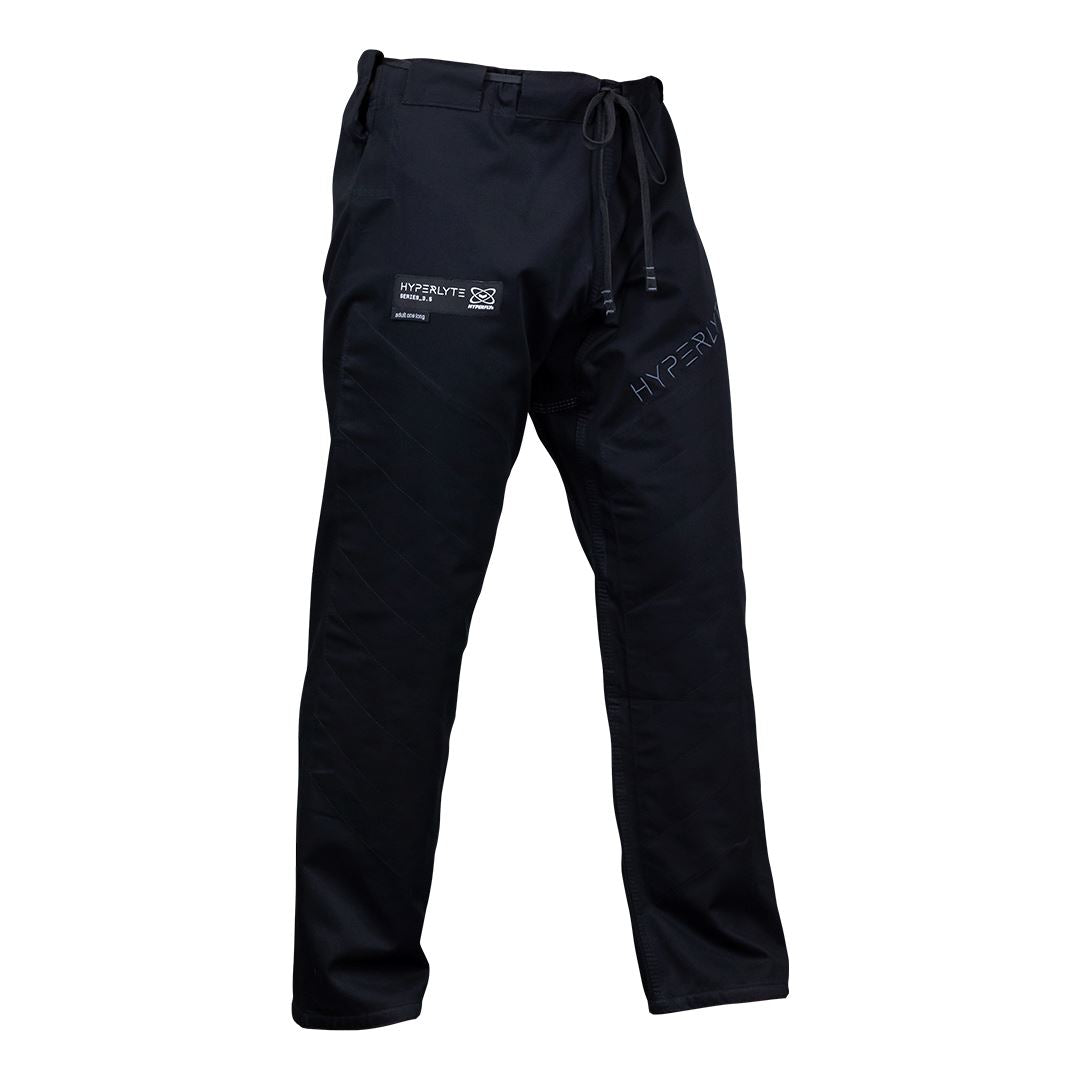
Hyperlyte Weaves represent a breakthrough in lightweight gi engineering. These ultra-efficient cotton blends drop the GSM down to 380 GSM while maintaining structural integrity through intelligent fiber alignment and selective reinforcement in high-stress zones. The Hyperlyte weave reduces fabric bulk significantly — meaning less fabric drag during transitions, improved mobility, and faster drying times between rounds. Athletes using Hyperlyte gis report the fabric feels almost like a second skin while still delivering the durability needed for competitive training. The weave's engineering distributes stress more efficiently than traditional pearl weaves, making it an ideal choice for athletes who compete in weight-restricted divisions or prefer minimal weight on the scale.
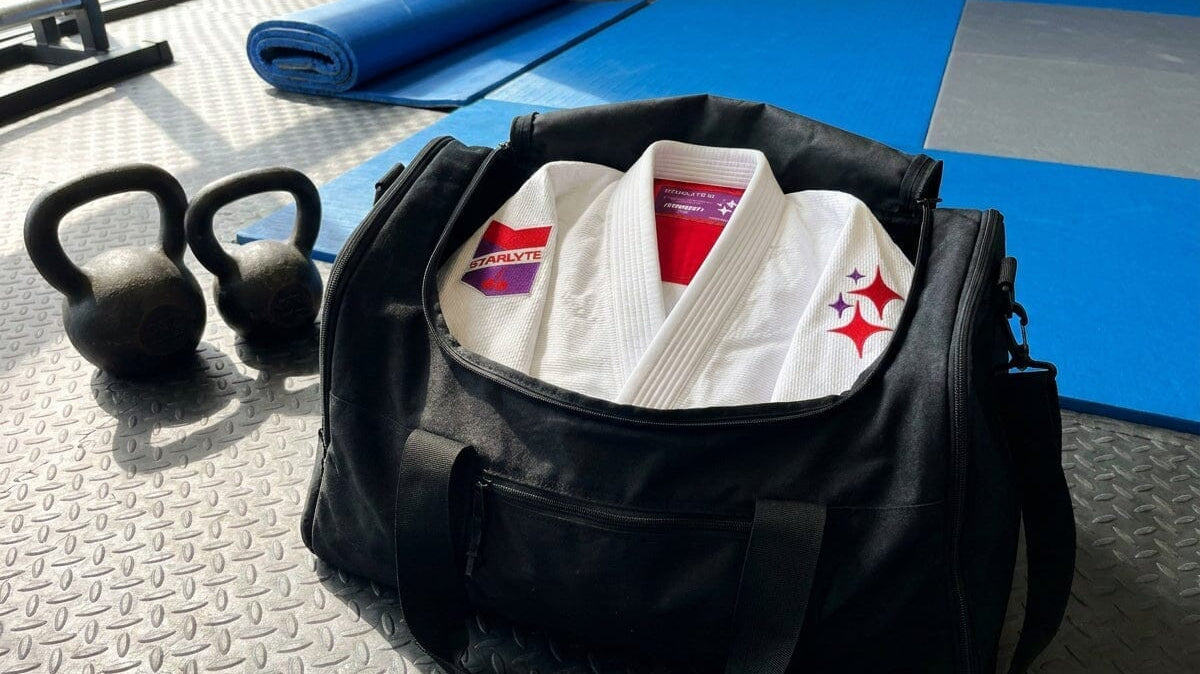
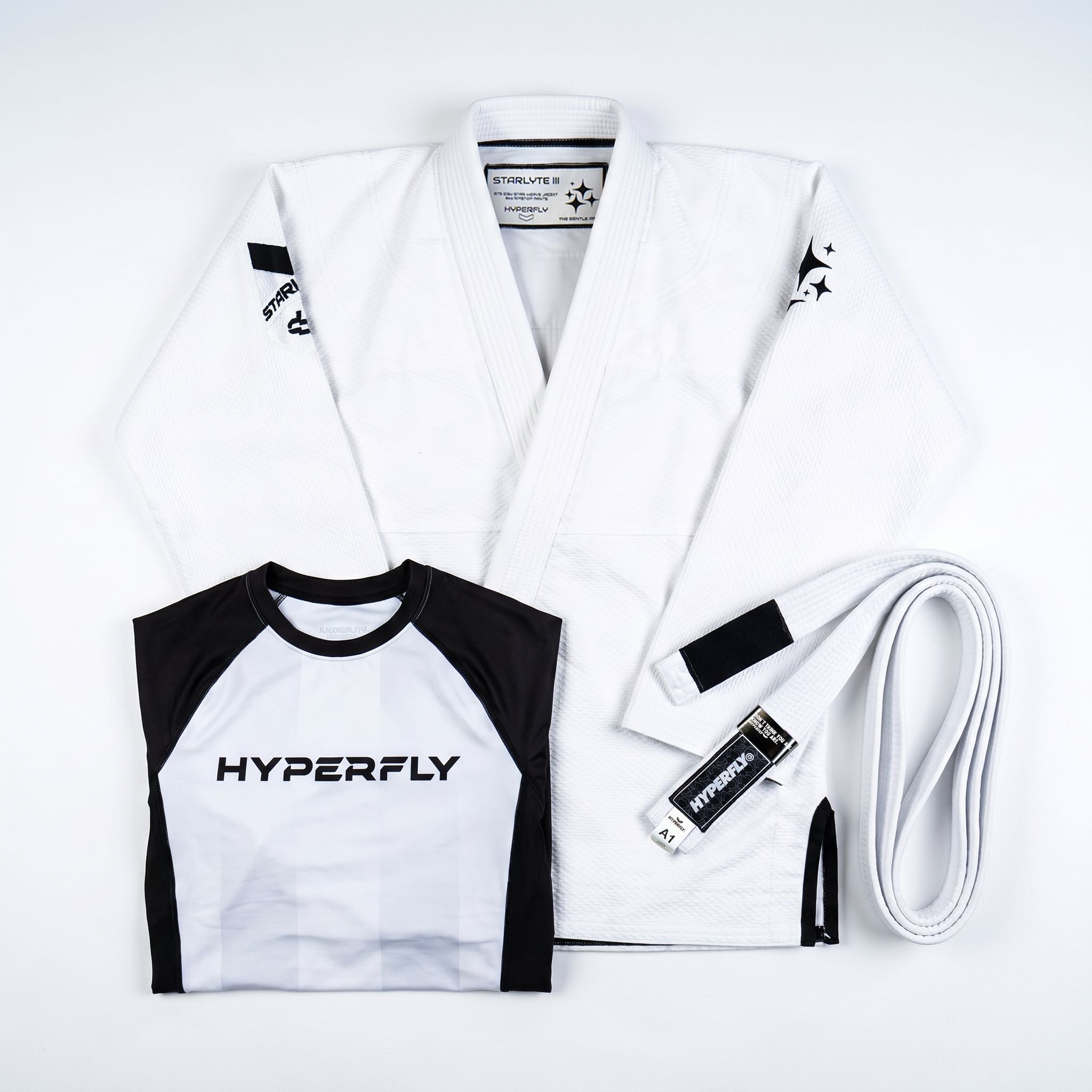
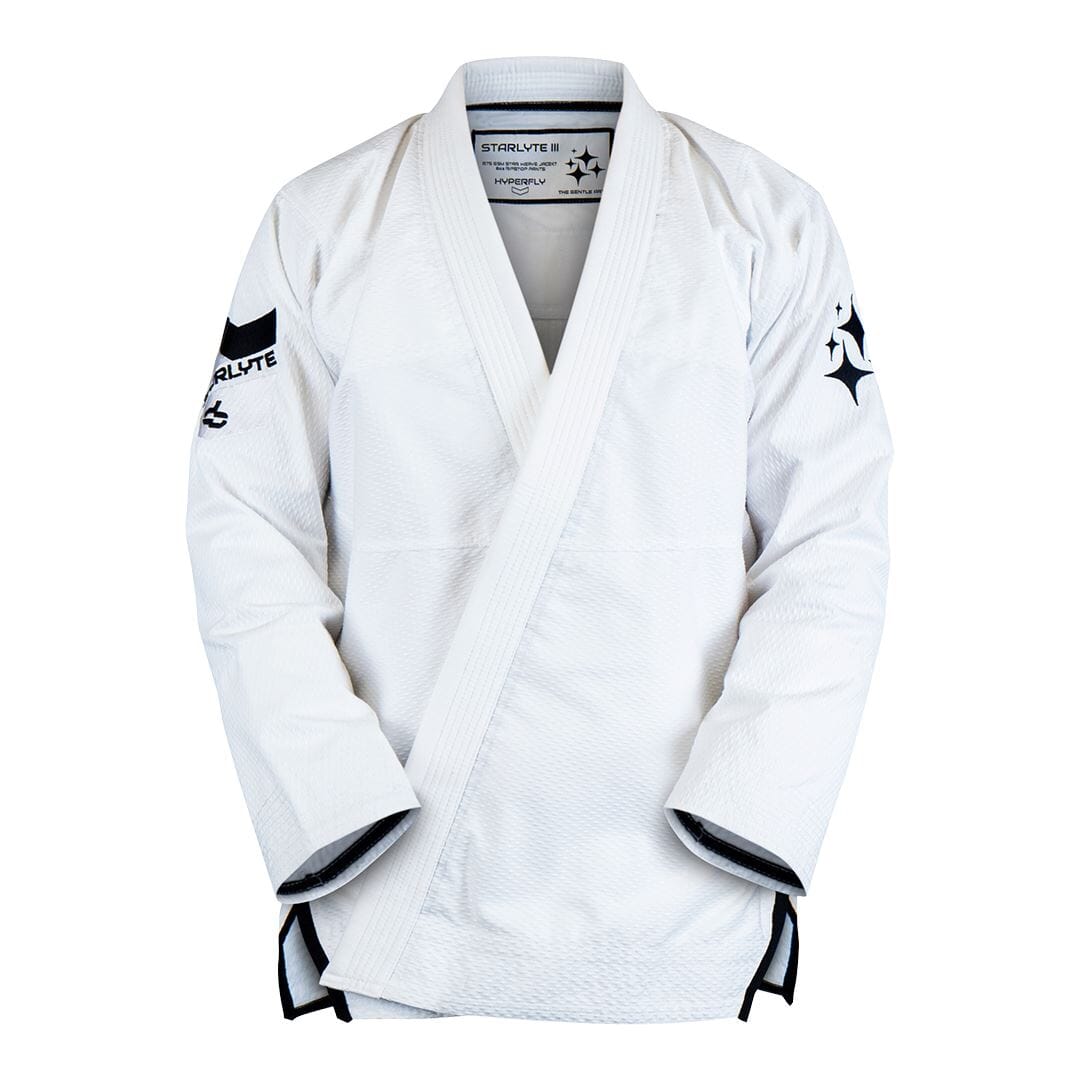
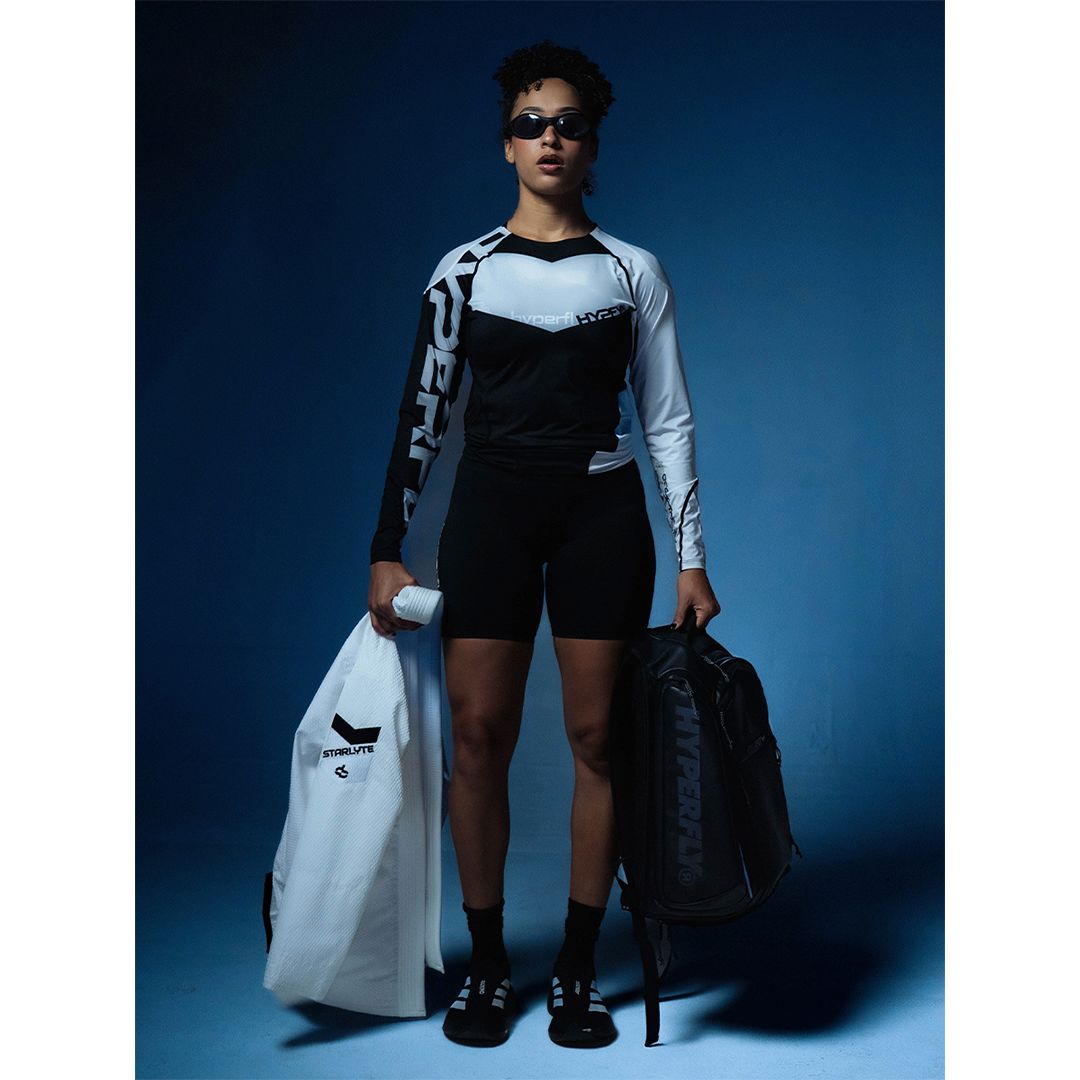
Starlyte Weaves take a different approach to the lightweight gi problem. Rather than simply reducing GSM, the Starlyte weave optimizes the structural pattern itself — creating a tighter, more efficient mesh that maximizes tensile strength at ultra-low fabric weights. This weave is designed for athletes who refuse to compromise on durability despite wanting a featherweight gi. The Starlyte pattern excels at moisture-wicking and thermal regulation, making it particularly popular among athletes training in hot climates or during intense tournament seasons. Starlyte gis typically fall in the 275 GSM range, but their engineered pattern provides performance characteristics comparable to much heavier traditional weaves.

Beyond Weave: Structural Reinforcement and Design Physics
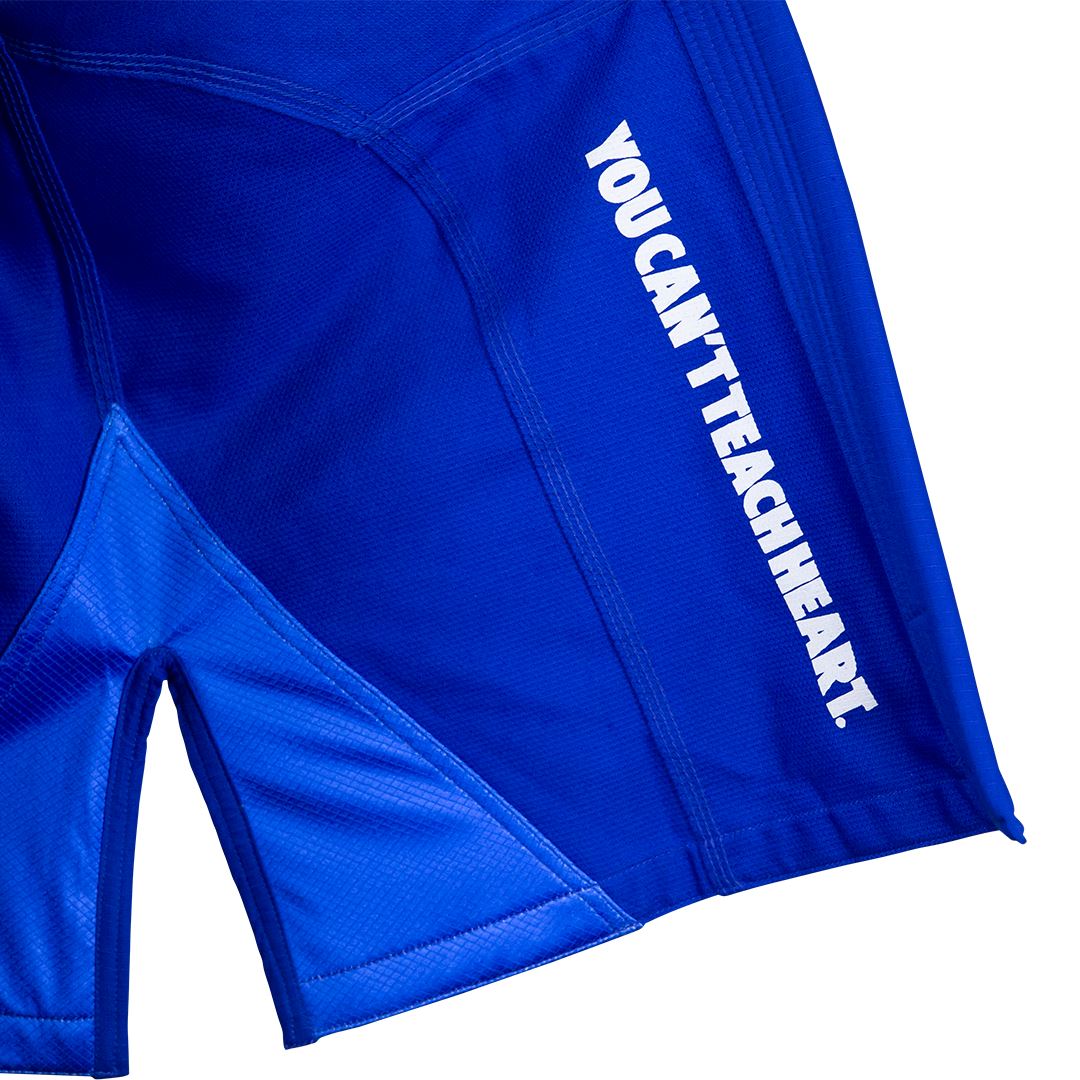
As fabric weights stabilized and lightweight gi weaves matured, manufacturers turned to performance features beyond the weave itself: structural reinforcement and design physics. High-density double and triple-stitching in high-stress zones like the knees, armpits, and side slits help prevent structural failure under intense grappling. Even the most advanced weaves — whether traditional pearl weaves, Hyperlyte, or Starlyte — require strategic reinforcement to survive tournament conditions.
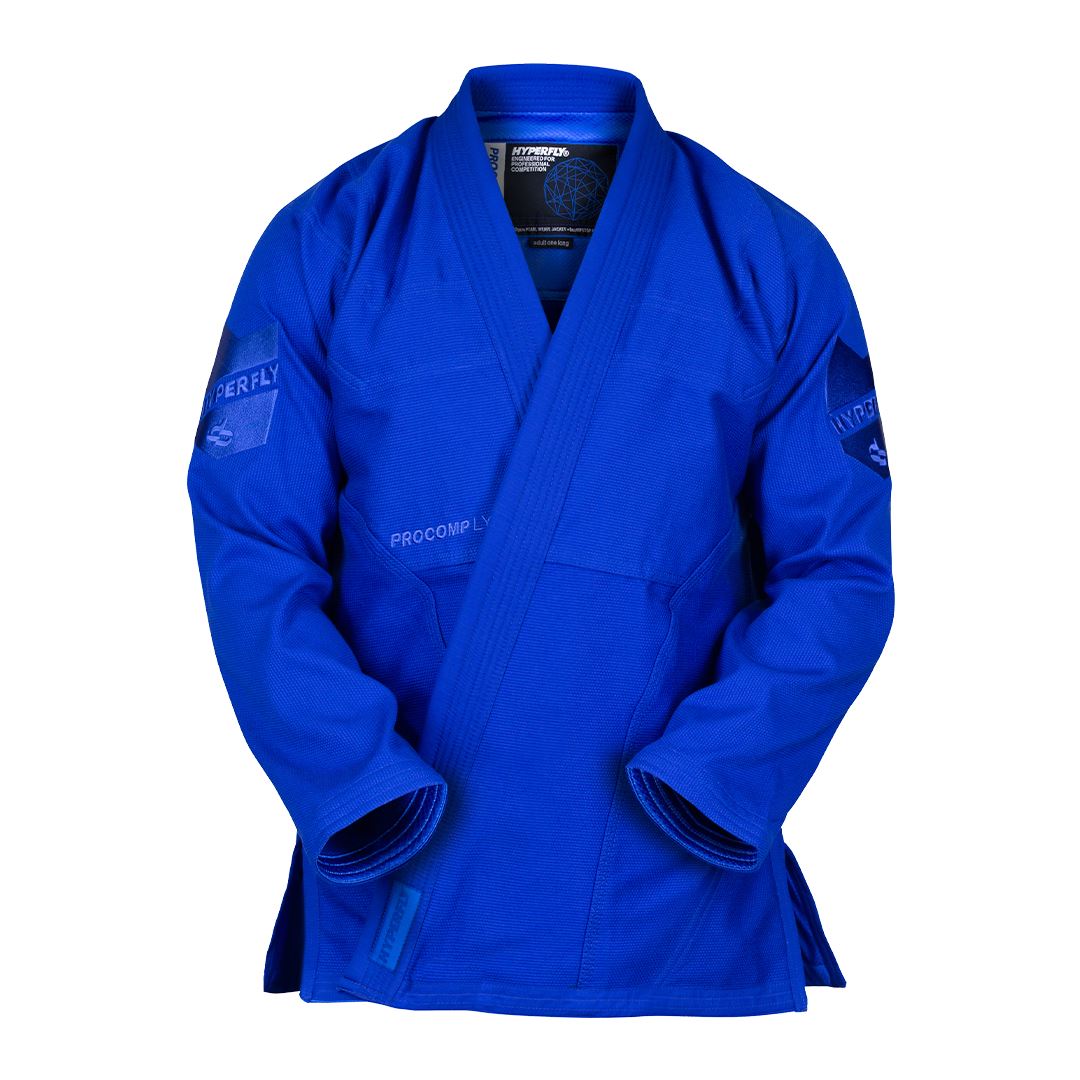
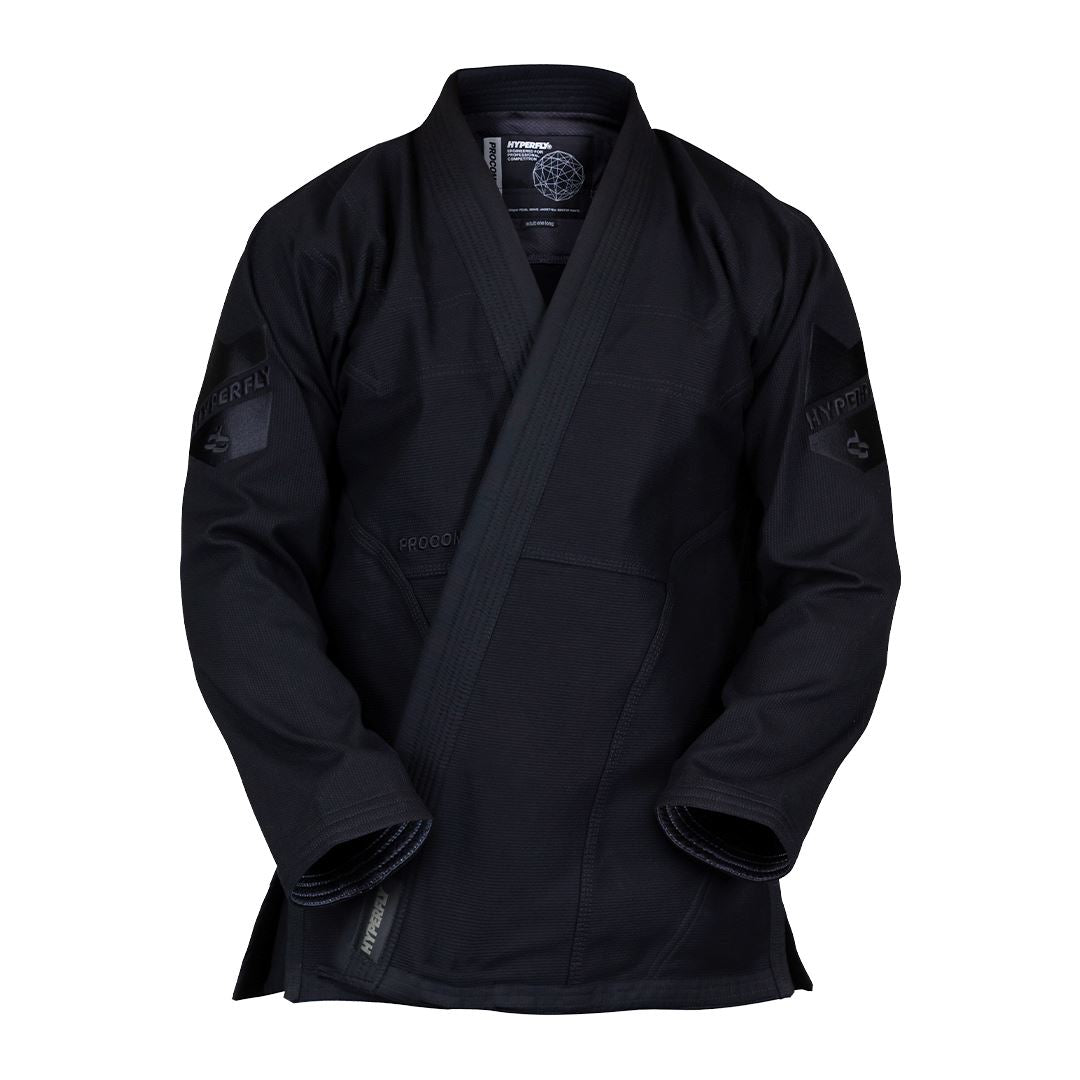
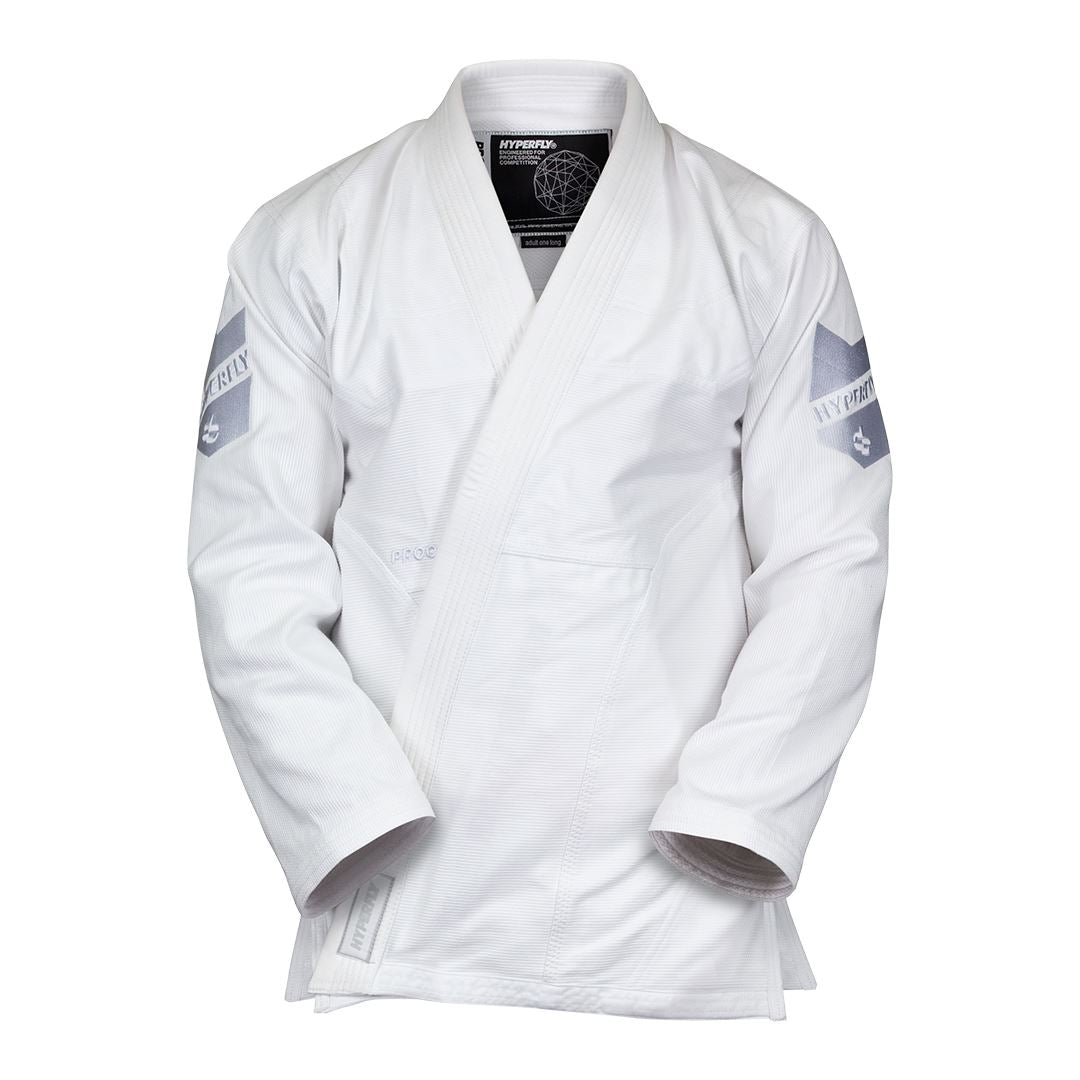
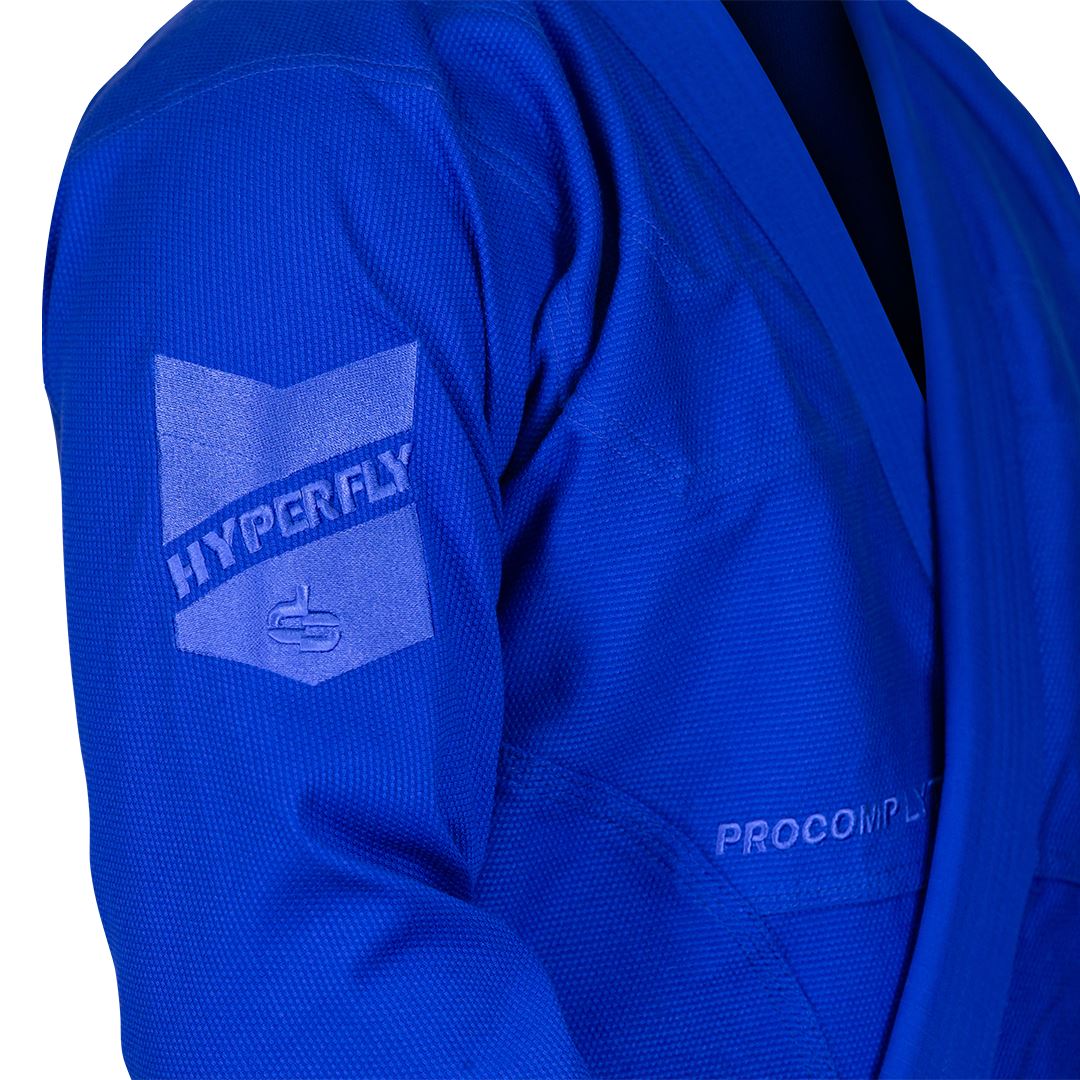
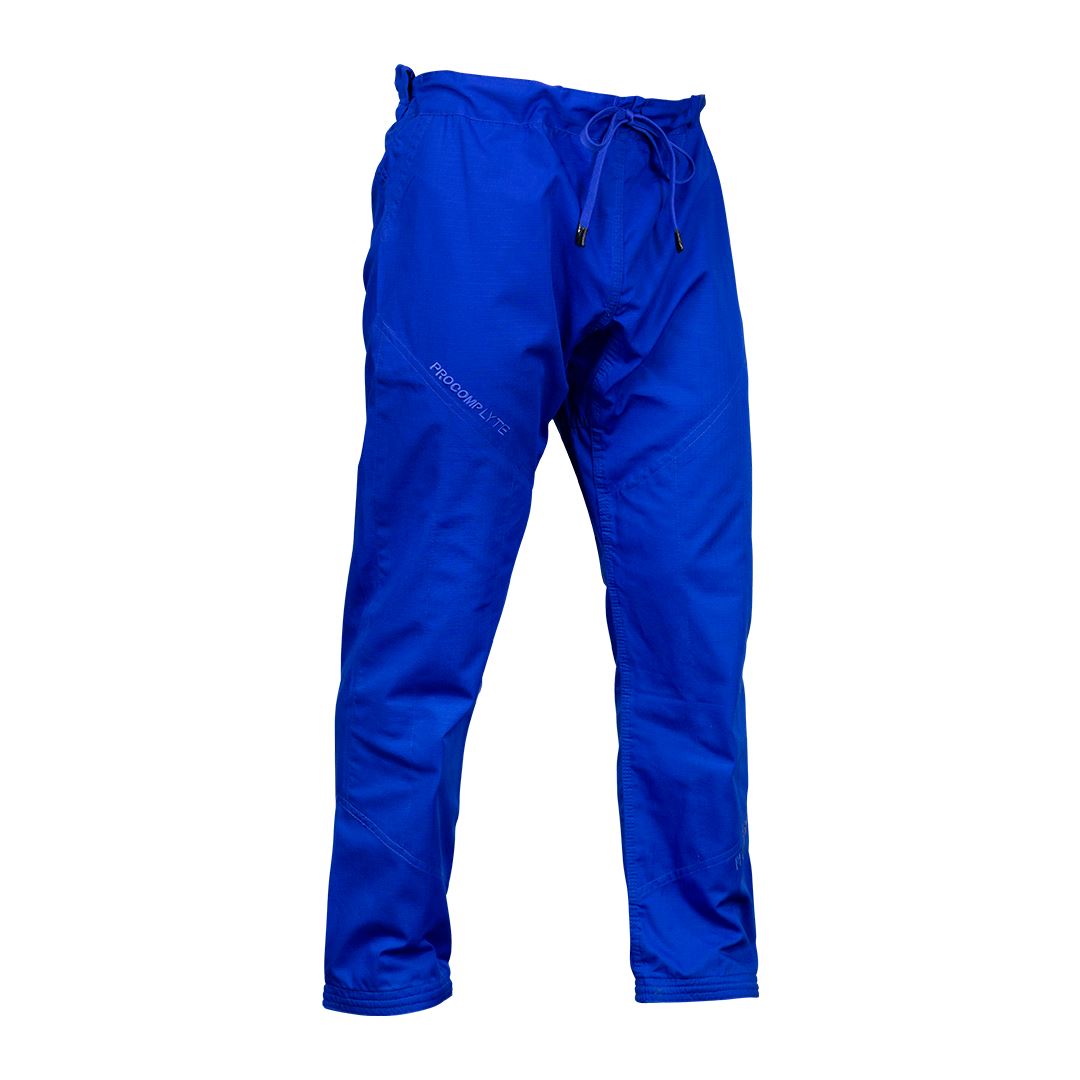
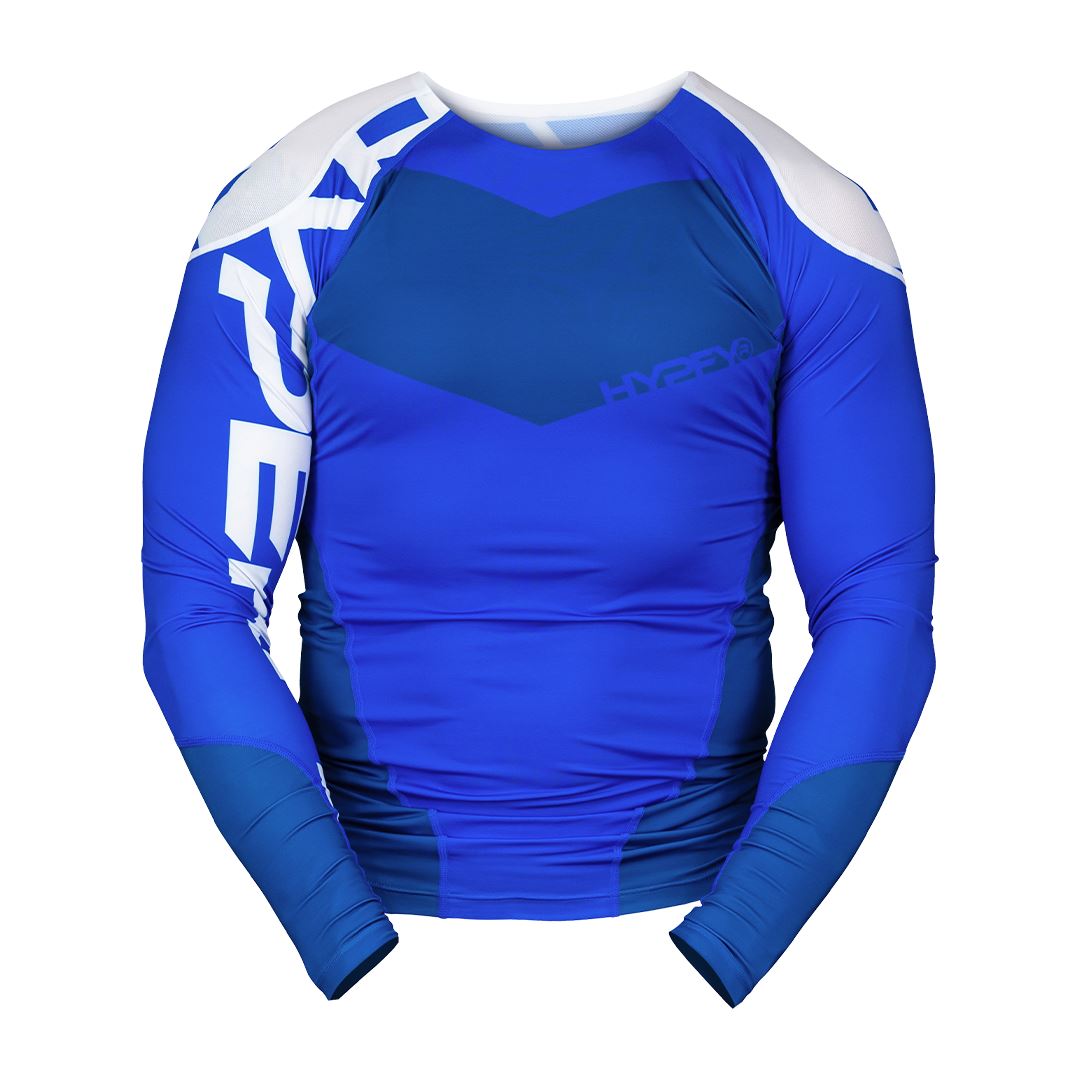
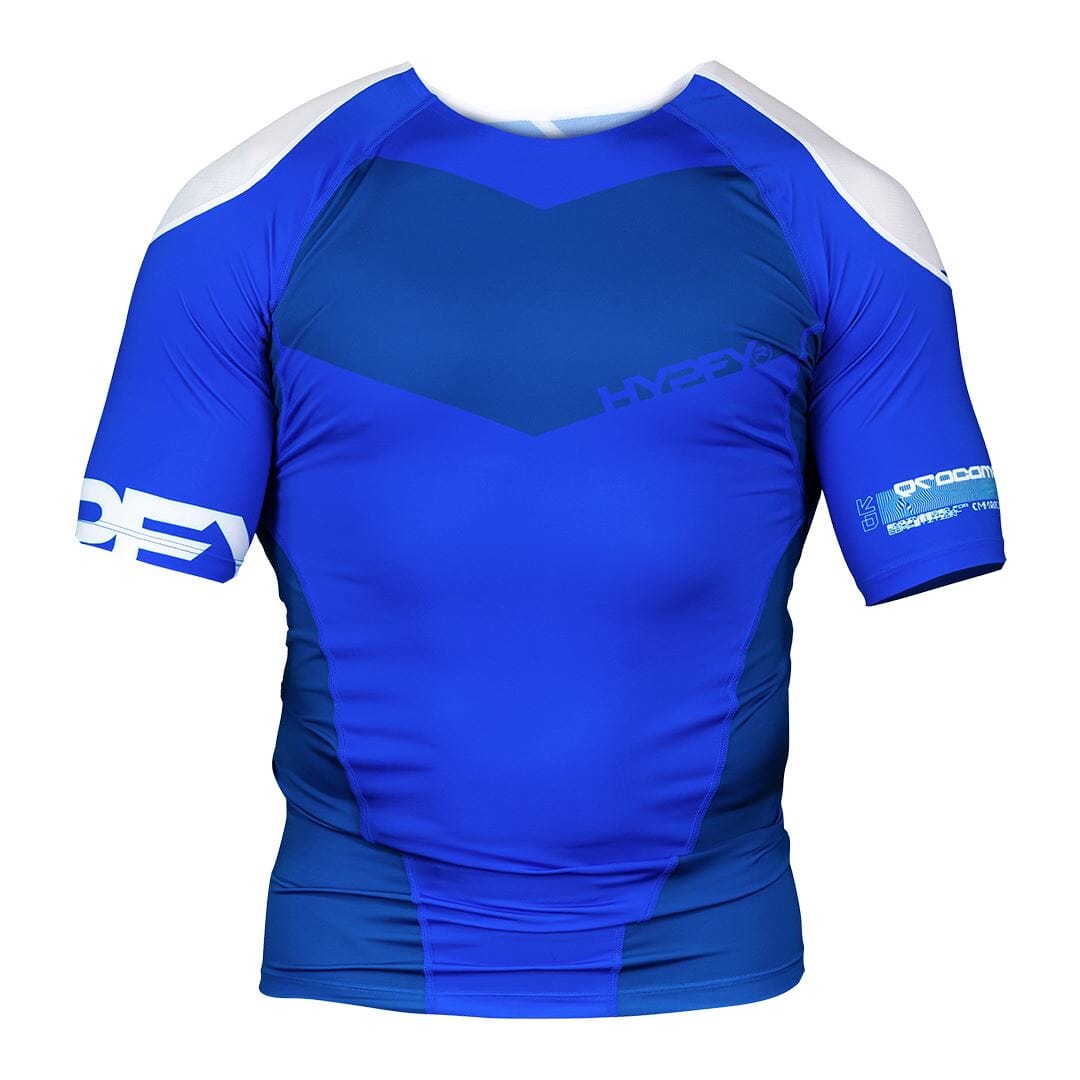
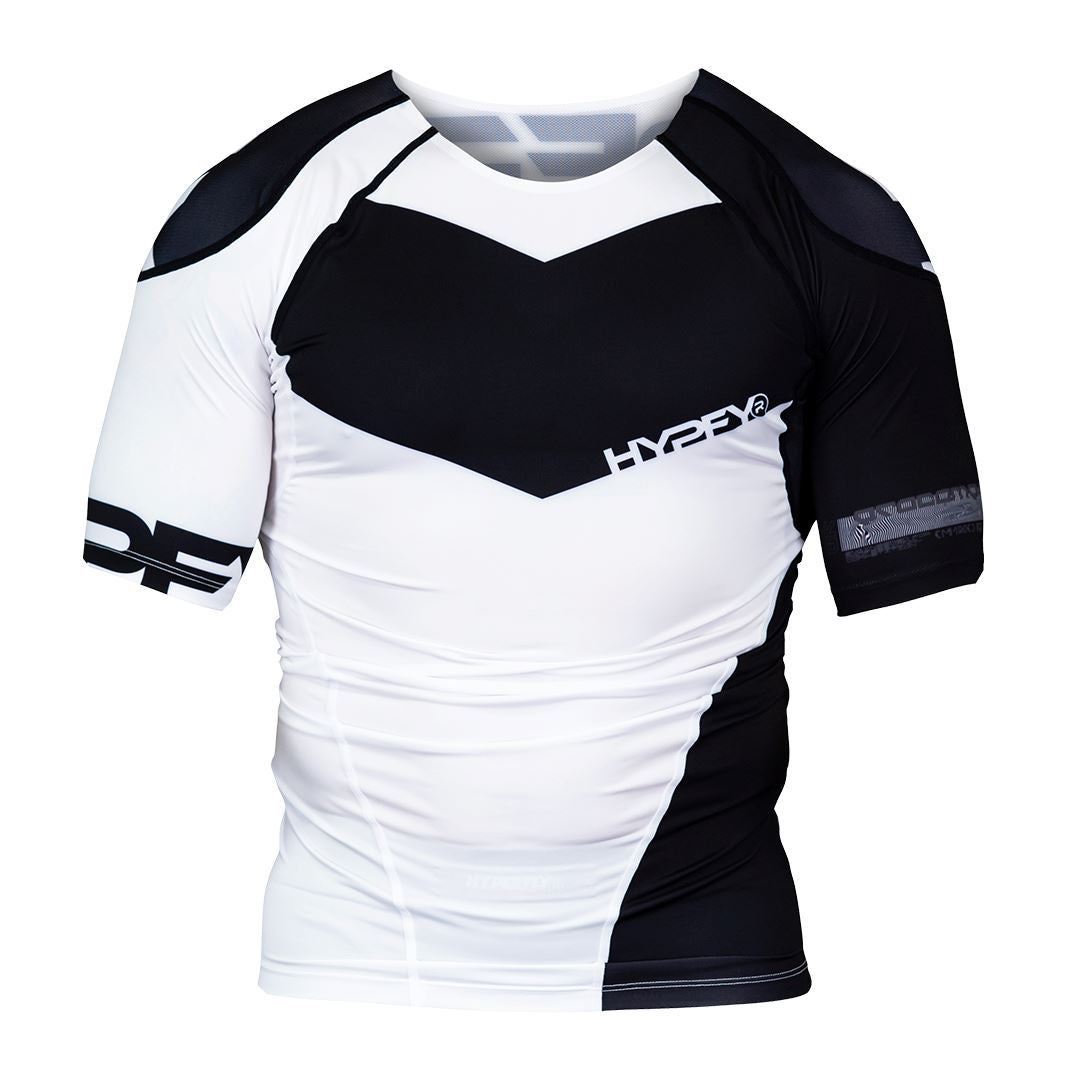
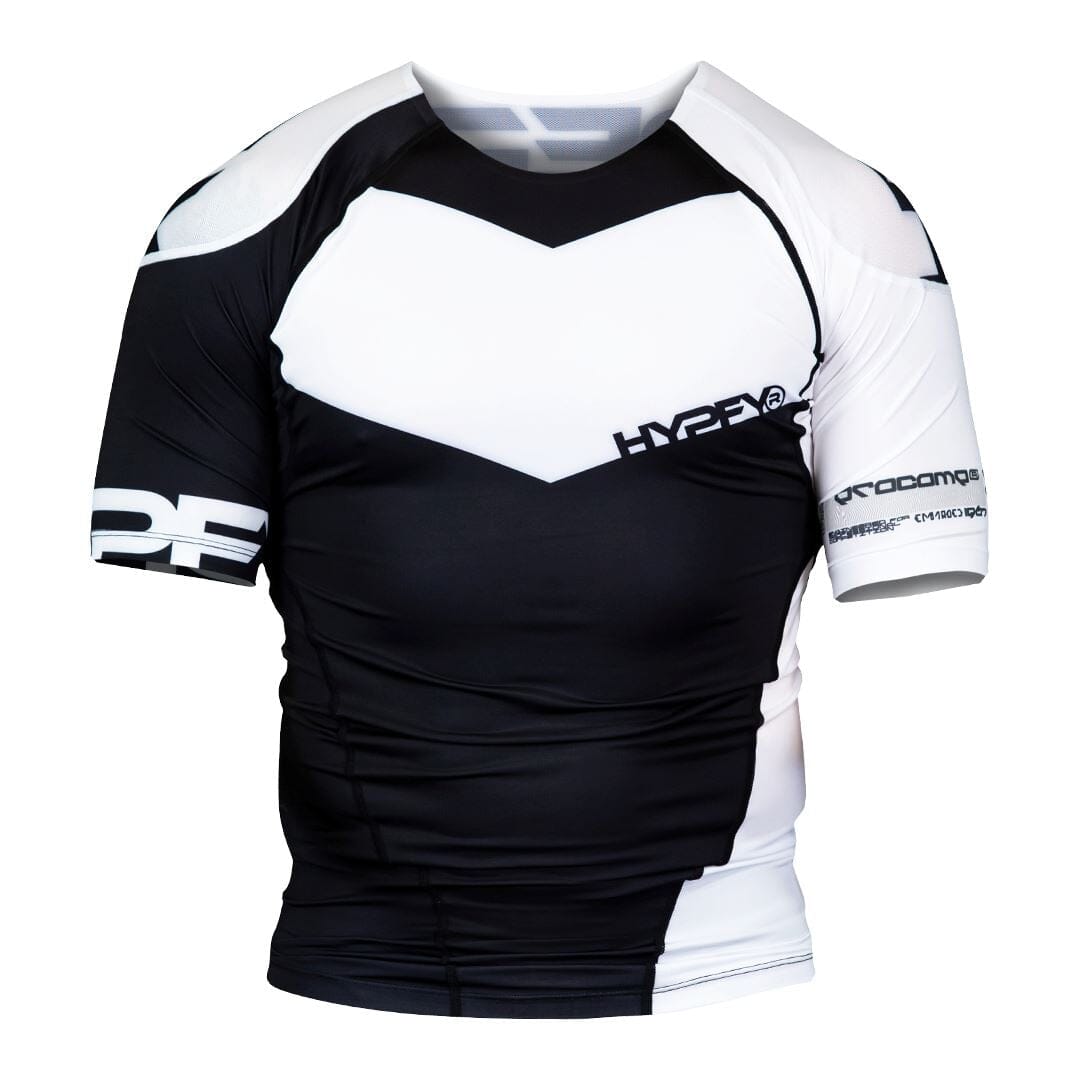
Aesthetics evolved too. Today's premium gis feature subtle, decorative weave patterns on the jacket skirts and moisture-wicking sublimated inner liners designed to shield the athlete's shoulders from continuous mat abrasion. Indeed, textile creativity must always bow to regulatory biology. Tournament governing bodies like the IBJJF act as strict evolutionary bottleneck checkers, enforcing IBJJF-legal gi standards at every event. Inspectors stand at the bullpen gates with measuring tools, checking that a jacket's weave isn't too stiff or slippery to grip, sleeve and pant lengths are acceptable, and other features are within legal limits. Many Hyperfly gis — including our Hyperlyte and ProComp Lyte — meet or exceed IBJJF specifications. Attempting to sneak contraband armor past a uniform inspector is an unnecessary test of a competitor's stress management. Legal limits are best left to the manufacturer.
The Future of Gi Engineering: Weave Science Meets Athlete Demand
Ultimately, a modern Jiu-Jitsu gi is more than just a uniform. It is a highly engineered, co-evolutionary layer of protection. As the game changes, so must the uniform. From the natural, antimicrobial bio-defense of ancient indigo dyes to the stringent boundaries of modern tournament regulations, the chosen fabric defines the battle on the tatami.
Today's gi weaves — whether you're training in a pearl weave, Hyperlyte, or Starlyte gi — represent the culmination of centuries of textile innovation. Your choice of weave should match your training style: go heavyweight if you want raw durability and grip resistance, choose a modern pearl weave for balanced performance, or opt for a Hyperlyte or Starlyte gi if you're chasing speed, mobility, and competitive advantage without sacrificing strength.
Next time you slap hands and roll, take a second to appreciate the centuries of material science resting on your shoulders and make sure your drawstring is tied tight.