Walk into almost any BJJ academy right now, and you'll notice something that wouldn't have been true a decade ago: the mats are full of people who don't fit the old stereotype of "fighter." Software engineers next to nurses next to retirees next to teenagers who found their first grappling clip on a phone screen instead of a dojo poster. Brazilian jiu-jitsu isn't a niche combat sport anymore. It's become one of the fastest-growing, most talked-about disciplines in fitness and self-development, and 2026 looks like the year that became impossible to ignore.
An estimated 6 million people now practice BJJ worldwide, with roughly 750,000 of them in the United States alone. That's not a fringe hobby, that's a movement. So what's actually driving the jiu-jitsu boom? A few forces are converging at once, and none of them are accidents.
We're exhausted by screens, and jiu-jitsu doesn't care
The most-cited reason practitioners give for starting BJJ, and for staying, isn't fitness or self-defense. It's presence. You cannot check your phone while someone is trying to pass your guard. You cannot half-listen while working out of a bad position. Jiu-jitsu demands total mental and physical attention, and after years of digital overload, that demand has started to feel less like a burden and more like relief.
Academies and coaches describe it as "mandatory presence," an hour where the nervous system simply can't run its usual loop of notifications, deadlines, and open tabs. In a culture that's tried to engineer mindfulness through apps and reminders, jiu-jitsu offers something apps can't fake: a problem in front of you that requires your whole self, right now.
The mental health benefits of BJJ have real data behind them
This isn't just a vibe anymore, either. A 2025 study published in Frontiers in Sports and Active Living looked directly at BJJ practitioners' psychological profiles and found meaningful links between training and higher self-control, life satisfaction, and resilience, alongside lower aggression, a set of factors that explained roughly half the variation in practitioners' overall mental health outcomes.
That lines up with what's showing up anecdotally among working professionals. In one survey, close to 60% of professionals said work-related stress was visibly affecting their physical health, and many who took up jiu-jitsu specifically cited that hour of forced focus as the reason it stuck where other stress-relief attempts hadn't. Add a curriculum that only asks for two or three sessions a week, and you've got a discipline that fits into an already full calendar instead of competing with it. That's part of why corporate wellness partnerships are becoming a real growth channel for academies: employers are starting to see BJJ less as an eccentric perk and more as a legitimate stress-management tool.
Technology tore down the old barriers to entry
Jiu-jitsu used to be intimidating to start almost by design. You had to already know someone, or work up the nerve to walk into a room full of strangers who'd been training for years. That barrier has largely dissolved. AI-assisted video breakdowns, instructional platforms, and biometric tools for tracking recovery have made it possible to learn the fundamentals, understand your own progress, and walk onto the mat for the first time already knowing roughly what to expect. The mystery is gone, and with it, a lot of the fear, which is exactly why jiu-jitsu for beginners has become such a searched, talked-about starting point for adults trying a martial art for the first time.
It's gone mainstream, and it's still growing into itself
Media coverage, high-profile competitors, and increasingly serious conversation about Olympic inclusion have pushed BJJ out of the "cage fighting cousin" box and into recognition as a legitimate athletic discipline in its own right. The 2026 ADCC World Championship, grappling's biggest stage, heads to Kraków, Poland on September 12-13, 2026, the first time the event has ever been held there, with defending champions Mica Galvão, Felipe Pena, and Rafaela Guedes returning to defend their titles. That kind of international expansion is a strong signal of where the sport's center of gravity is headed.
But the growth isn't evenly distributed yet, and that's arguably the most interesting part of the story. Men still outnumber women in BJJ programs by roughly four to one, even as women's divisions draw more attention and participation every year. Youth programs are similarly early in their growth curve. With youth sports participation in the U.S. hitting record highs and millions of kids still lacking access to structured afterschool activity, academies have real room to grow into that space rather than compete for it. The "boom" headlines are true, but they're describing the early chapters of something much bigger, not the peak.
What's really being sold isn't a workout
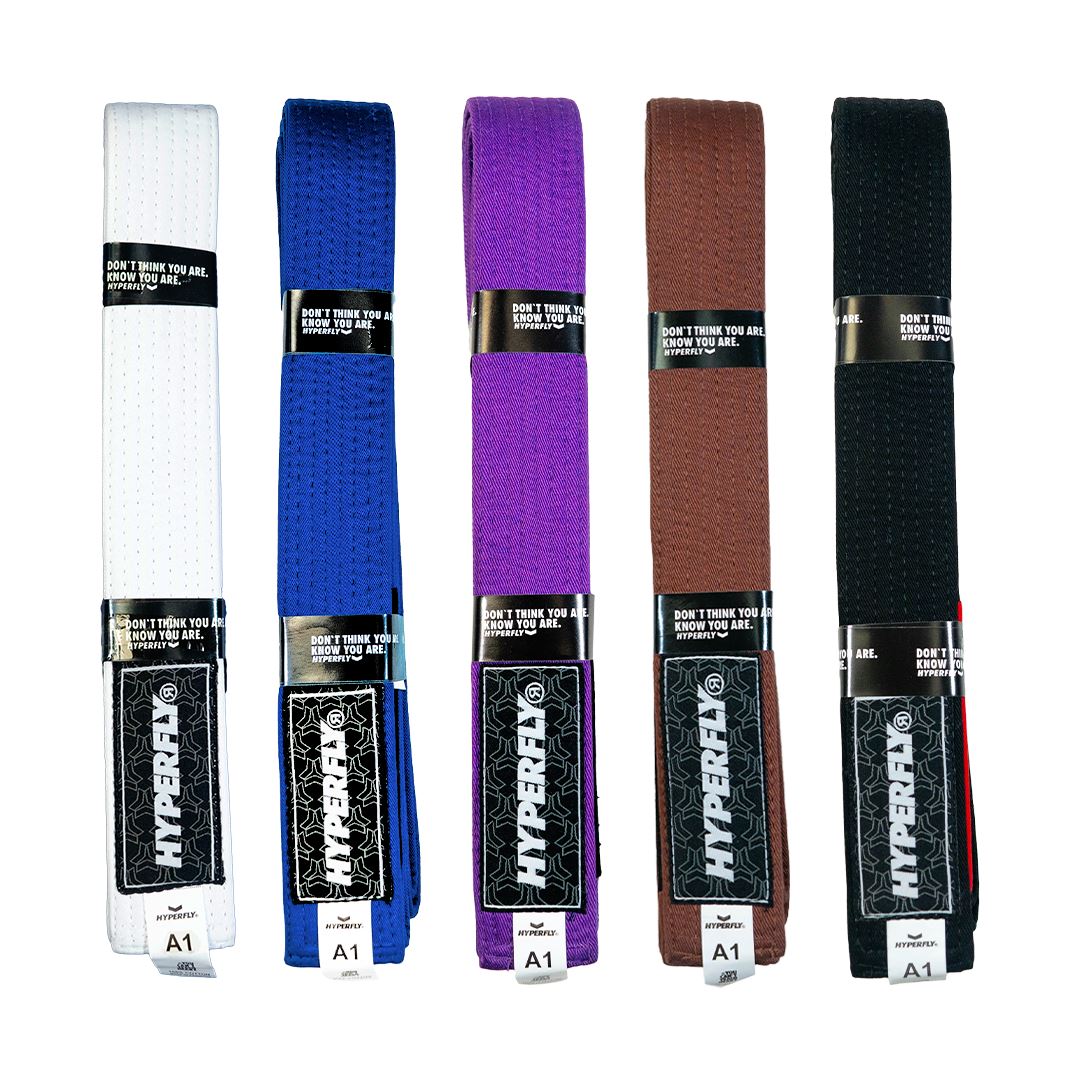
Strip away the stats and the storylines, and the common thread is simple: people aren't showing up to the mat because they want another fitness routine. They're showing up because jiu-jitsu gives them something a lot of modern life has quietly taken away: real presence, real community, and a form of progress you can actually feel, roll after roll, belt after belt. That's not a trend that burns out quickly. It's a need that was there all along, waiting for the right sport to answer it.
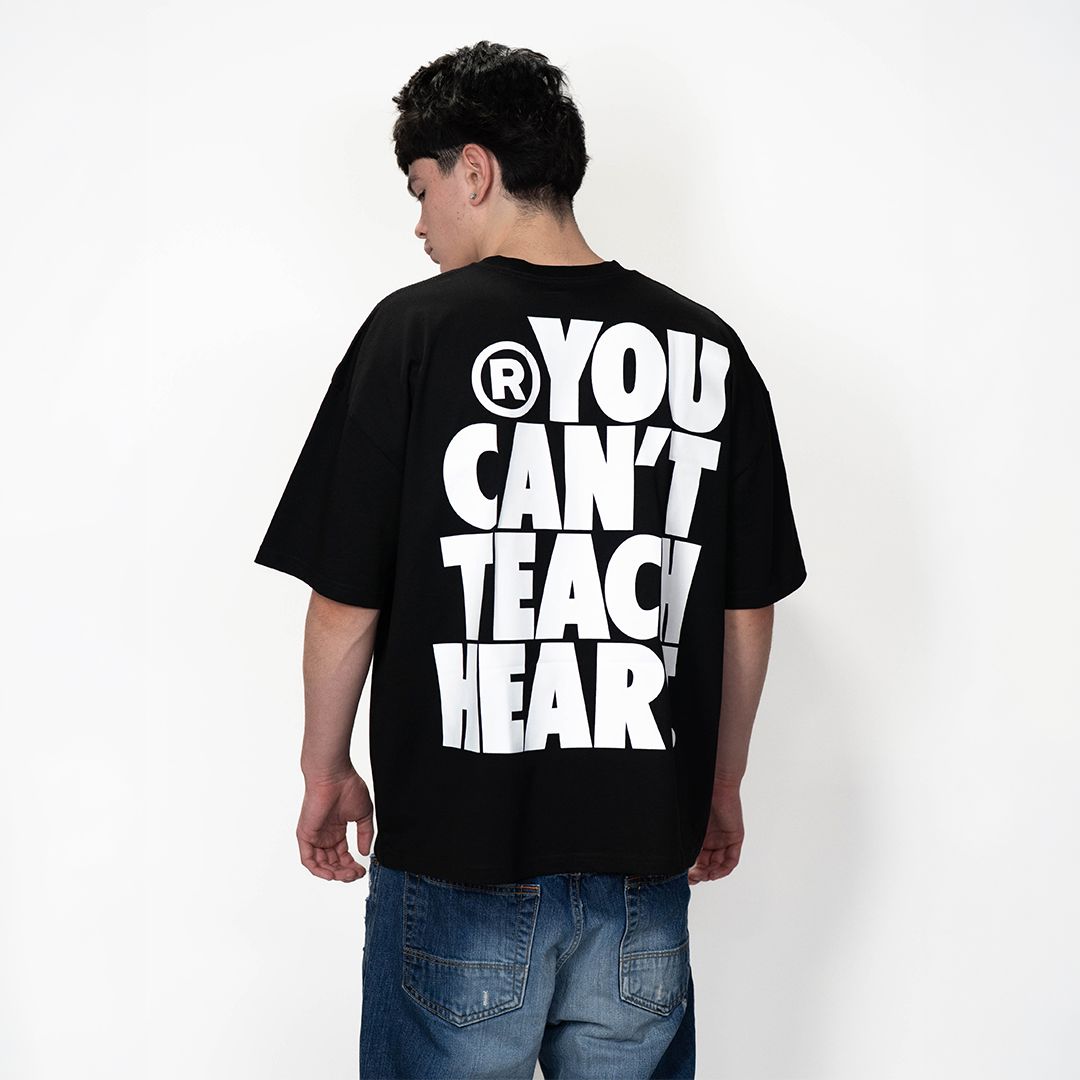
We've had a front-row seat to that shift for over a decade now, watching people walk in nervous and leave transformed, not because talent got them there, but because they showed up. Some things you just can't teach.
FAQ: The Jiu-Jitsu Boom, Explained
Why is Brazilian jiu-jitsu becoming so popular in 2026?
Jiu-jitsu is booming because it offers something screens and apps can't replicate: total mental presence, while also being backed by growing mental health research, easier-than-ever access through instructional technology, and rising mainstream visibility from events like the ADCC World Championship.
How many people practice BJJ worldwide?
An estimated 6 million people practice Brazilian jiu-jitsu worldwide, including roughly 750,000 in the United States.
What are the mental health benefits of jiu-jitsu? Research published in Frontiers in Sports and Active Living (2025) links BJJ training to higher self-control, life satisfaction, and resilience, and lower aggression.
When and where is the 2026 ADCC World Championship? September 12-13, 2026, at TAURON Arena in Kraków, Poland, the first time the event has been held there.
Is jiu-jitsu good for stress relief? Yes. Its demand for total focus makes it one of the few activities that fully interrupts work-related stress, which is why more employers are exploring it as a corporate wellness benefit.