Ever since humans started getting physical, they needed to cover up in something. This wasn’t as much about modesty as it was about protecting their skin and securing parts that dangled. At first, materials for covering up were primitive: large leaves and animal skins. Then came the wovens like hemp, cotton, and wool; heavy, slow-drying, and with odors that let your neighbors know you were coming long before they could see you.
Now we have moisture-wicking fabrics, four-way stretch, and antimicrobial finishes. But technical fabrics didn’t appear overnight; they evolved through decades of textile science, sports demands, and a lot of trial and error (including some truly questionable 1970s synthetic experiments). Today, the performance fabrics in athletic wear and jiu-jitsu gear are breathable, stretchy, quick-drying, and designed to survive sweat, friction, and repeated washing.

They’re the result of a long, messy, fascinating evolution. Understanding that evolution helps explain why modern grappling gear, from BJJ rash guards to no-gi shorts, looks and behaves the way it does. Let’s travel along the textile timeline: from natural fibers to engineered synthetics, from swamp cotton to compression gear, and from “I gotta get this shirt off of me” to “this rashguard feels like a second skin.” Early athletic wear wasn’t designed for movement. It was repurposed from daily life.
The natural fibers had virtues, but comfort while performing wasn’t one of them. Cotton dominated athletic fabric for most of modern history. It’s breathable, soft, and comfortable… until you start moving. Its hydrophilic property (you’ve read about it before) means that once sweat gets in, it stays there. The result is the swampcotton effect: a shirt starts light, gets heavy, clings to your skin, dries at a snail’s pace, and begins to smell like old socks. Wool had issues of its own. Warm and durable, but also itchy, retained moisture, and was prone to feeling like a damp carpet. Great for mountaineering, not ideal for sprinting, grappling, Brazilian jiu-jitsu, or anything with heat and friction. If you have ever chafed, you know.
By the mid-20th century, textile science realized that natural fibers were just not cutting it. They were comfortable at rest but miserable once you left the couch. That misery created a demand that pushed textile science toward synthetics, wicking technology, and the performance fabrics we rely on today. Enter the age of synthetics: polyester and nylon, the fabrics that changed everything, even if their early versions were suspect.
Polyester was the first proposed savior. Unlike cotton, polyester is hydrophobic, meaning it doesn’t like or absorb water. So, sweat stays on the surface, evaporates quickly, and doesn’t turn your shirt into a soggy anchor. Early polyester, however, was like wearing a plastic tarp. It was stiff, shiny, and trapped heat like a space blanket. Nylon arrived with a different set of superpowers: strength, abrasion resistance, and durability. It could handle friction, stretching, and repeated movement without breaking down. That made it ideal for high-contact sports, outdoor gear, and anything involving rough surfaces. But early nylon also held onto odors like a wet dog and felt slick or way too stretchy.

Despite their flaws, synthetics opened the door to some new vocabulary: engineered performance. Textile scientists explored designing fibers with specific properties instead of accepting whatever nature provided. This shift laid the foundation for moisture-wicking technology, elastane blends, and modern athletic fabrics used today. The synthetic revolution wasn’t perfect, but it was pivotal.
Moisture-wicking technology was the moment athletic fabrics truly evolved. Uniforms stopped behaving like damp towels and started acting like performance gear. The magic of wicking isn’t complicated: instead of absorbing sweat like cotton, wicking fabrics move moisture across the surface of the fiber, spreading it out so it can evaporate faster. Picture water on your car after a wash. The big droplets cling, but the thin sheet you wipe across the hood evaporates almost instantly. It’s like that. Wicking is achieved by splitting fibers into ultrafine strands called microfibers. More strands = more surface area. More surface area = faster evaporation. And, faster evaporation = better temperature regulation. By pulling sweat away from the skin and speeding up evaporation, there is less overheating, less chafing, and fewer moments wondering if your shirt is a microclimate made of lead.
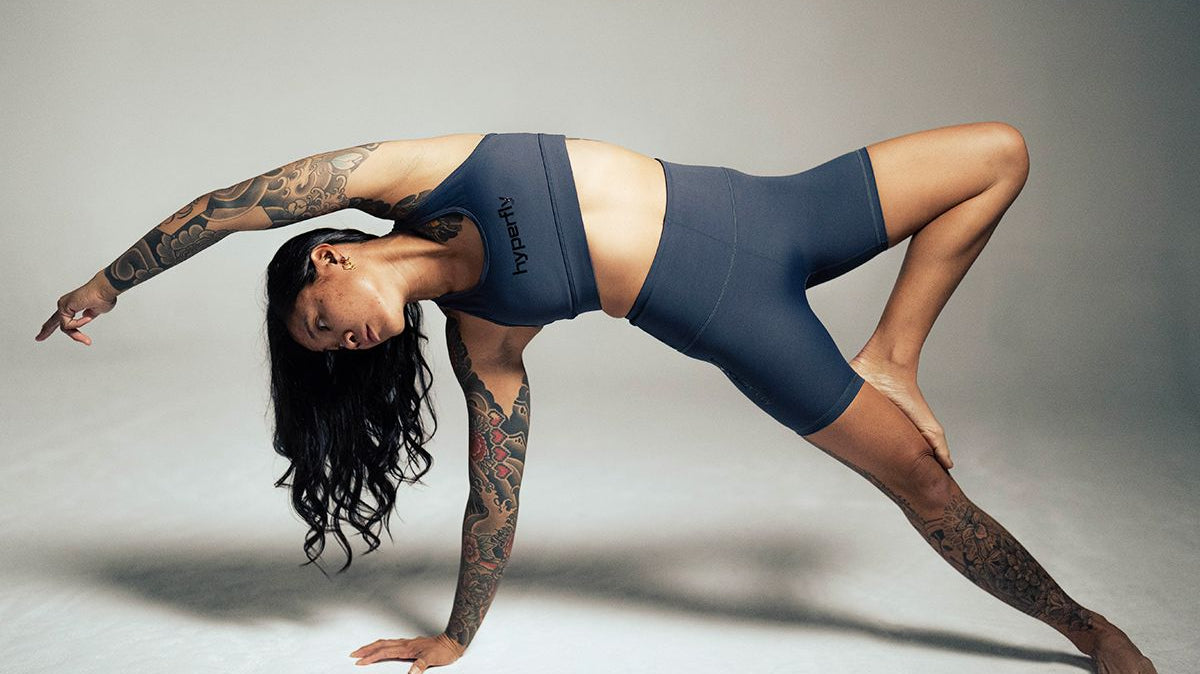
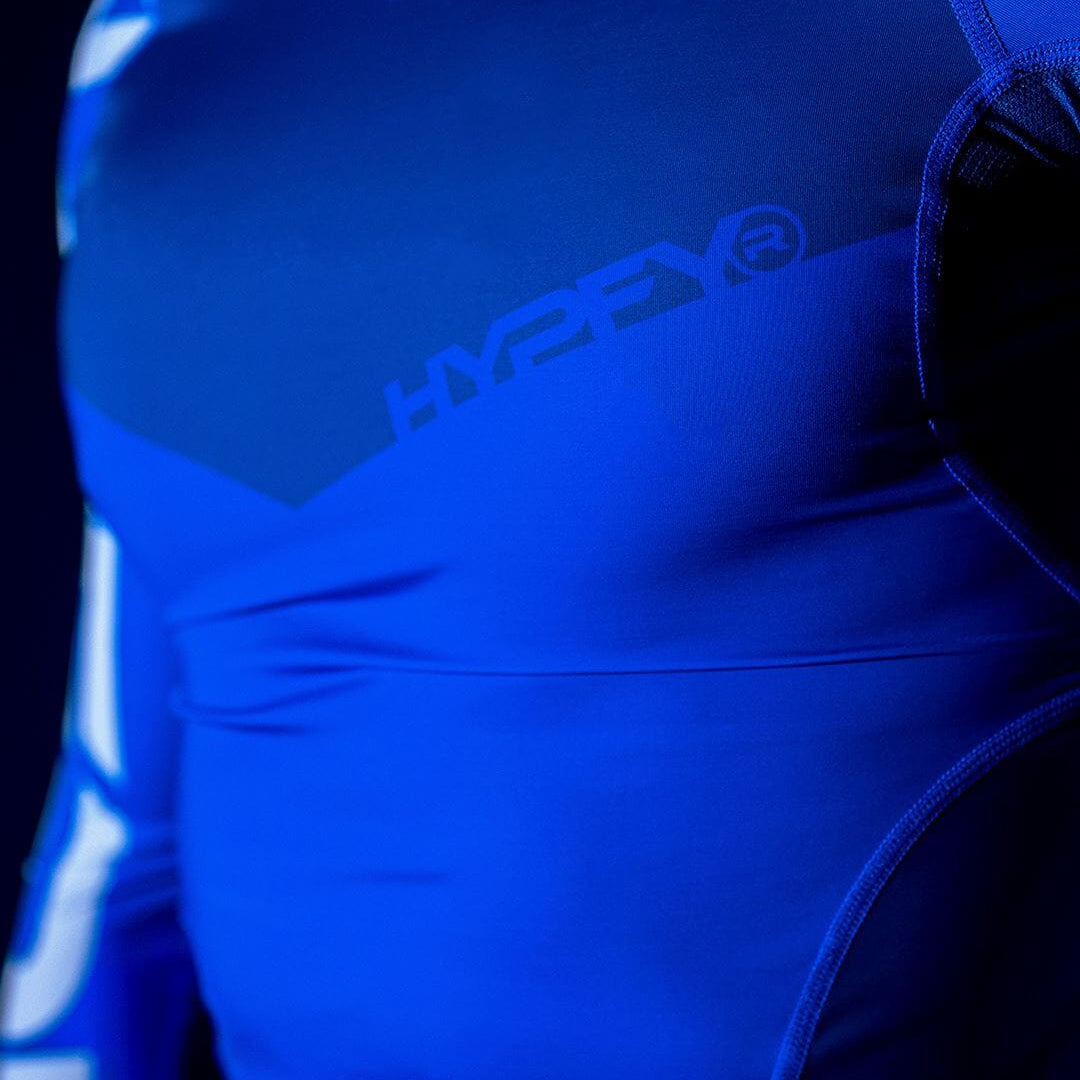
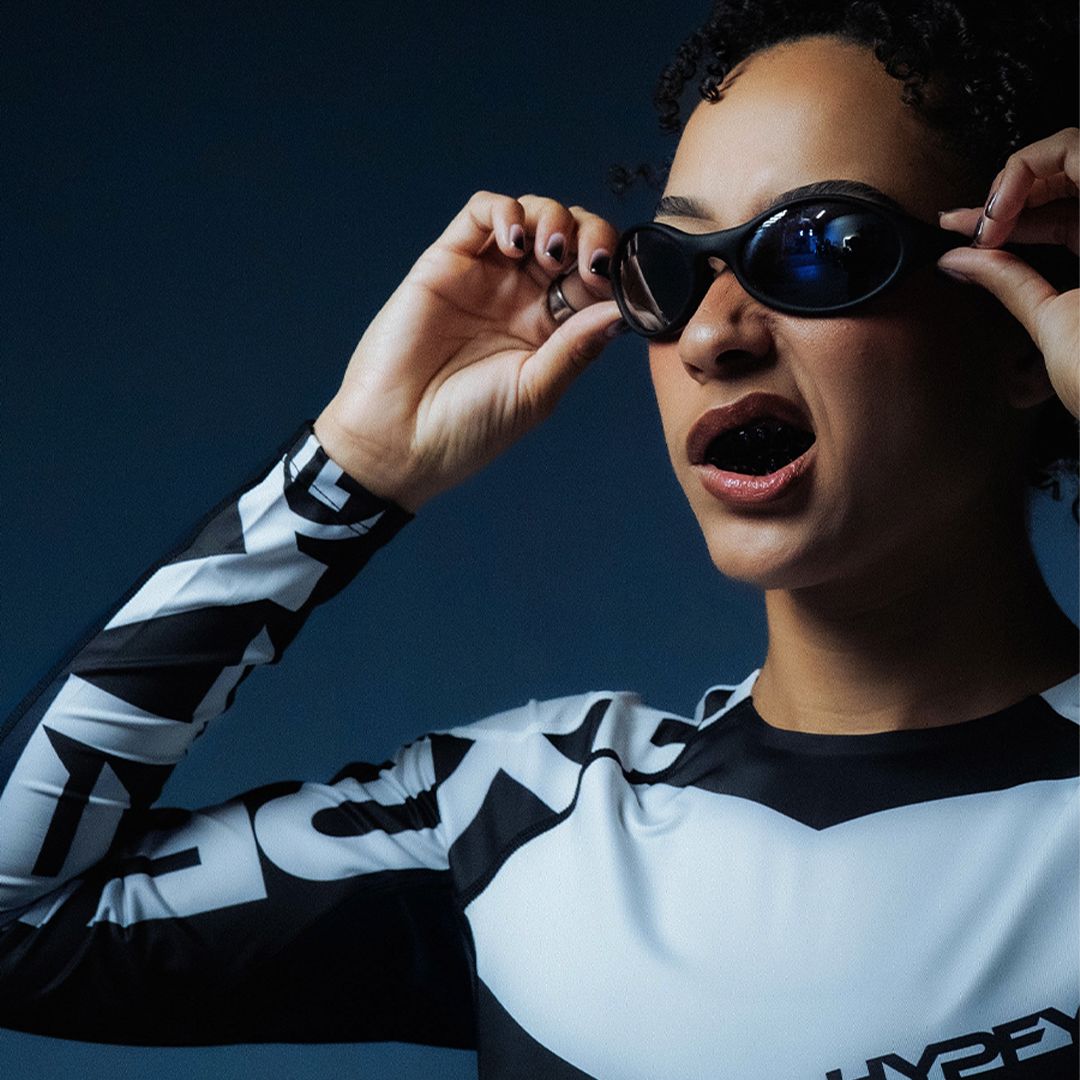
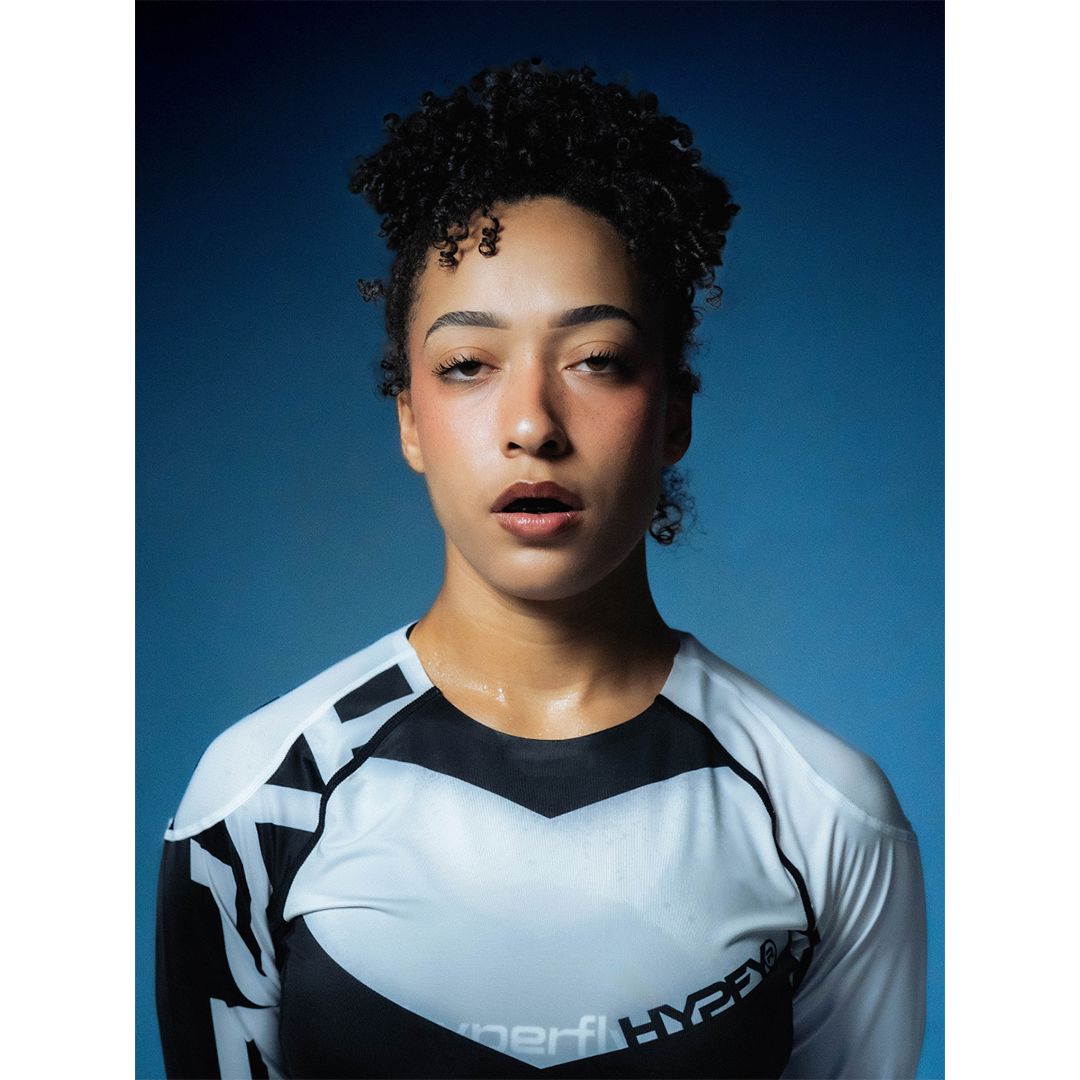
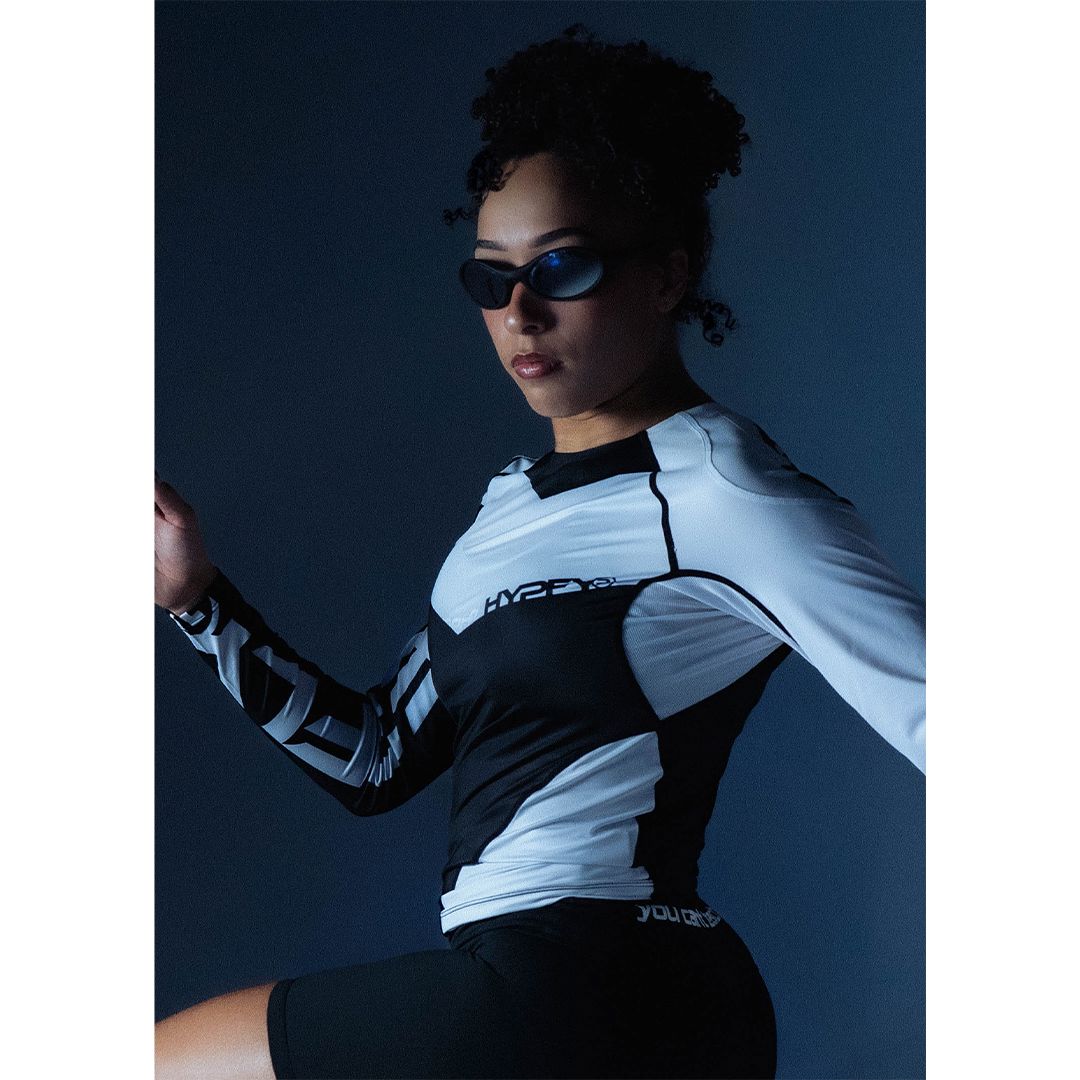
At this point, we had the foundation of modern athletic wear and big improvements in feel and moisture reduction. It was time to address movement. Welcome the engineered textile elastane. Before elastane, clothes stretched only as much as the weave allowed. Elastane is a synthetic fiber with an almost absurd ability to stretch and snap back into shape. Blend even a small percentage into polyester or nylon, and suddenly you get four-way stretch! Four-ways means fabric that moves with you instead of against you. For athletes, this was a revelation. No more fighting your clothes for range of motion. No more seams digging in when you twist, bridge, or invert. No more shorts that give you a high-voltage wedgie before splitting open mid-kick. Compression gear meant tops don’t ride up and shorts hold body parts in place. Rashguards behave like a second skin: flexible, supportive, and predictable. Elastane was a gamechanger for grapplers, and it made modern no-gi gear like BJJ rash guards and compression shorts possible.
Let’s not forget, however, that synthetics can get funky. Once sweat breaks down on your skin, the oil and odor compounds bind to the fiber surface, and they’re not shy about sticking around. To counter that, brands started adding antimicrobial and antiodor treatments. Silver ions1, quaternary ammonium compounds2, and other chemical finishes help slow bacterial growth on the fabric surface. These chemicals are a speed bump, not a force field. They reduce how quickly odor develops, especially in high-sweat sports, but they don’t stop it entirely. Sweat still hits your skin. Bacteria still do their thing. Odor compounds still form.
By the time moisture-wicking, elastane blends, and antimicrobial finishes matured, athletic textiles had caught up to the demands of modern sport. But grappling isn’t just any “modern sport.” It’s a very specific kind of chaos, one wrought with friction, sweat, heat, torque, pulling, twisting, and constant contact with both another human and the mat. Designers needed a form of natural selection to adapt these new textiles to meet the pressures of the grappling environment.

What they arrived at is performance materials engineered as systems, not just fabrics. Designers combine multiple technologies to create gear that behaves predictably under stress:
- Moisture-management knits keep sweat moving off the skin.
- Four-way stretch blends allow full range of motion without seam strain.
- High-density polyester resists abrasion from mats and grips.
- Smooth, low-friction surfaces reduce snagging and skin irritation.
- Compression construction keeps gear in place during scrambles and transitions.
- Selective antimicrobial finishes slow odor formation between washes.
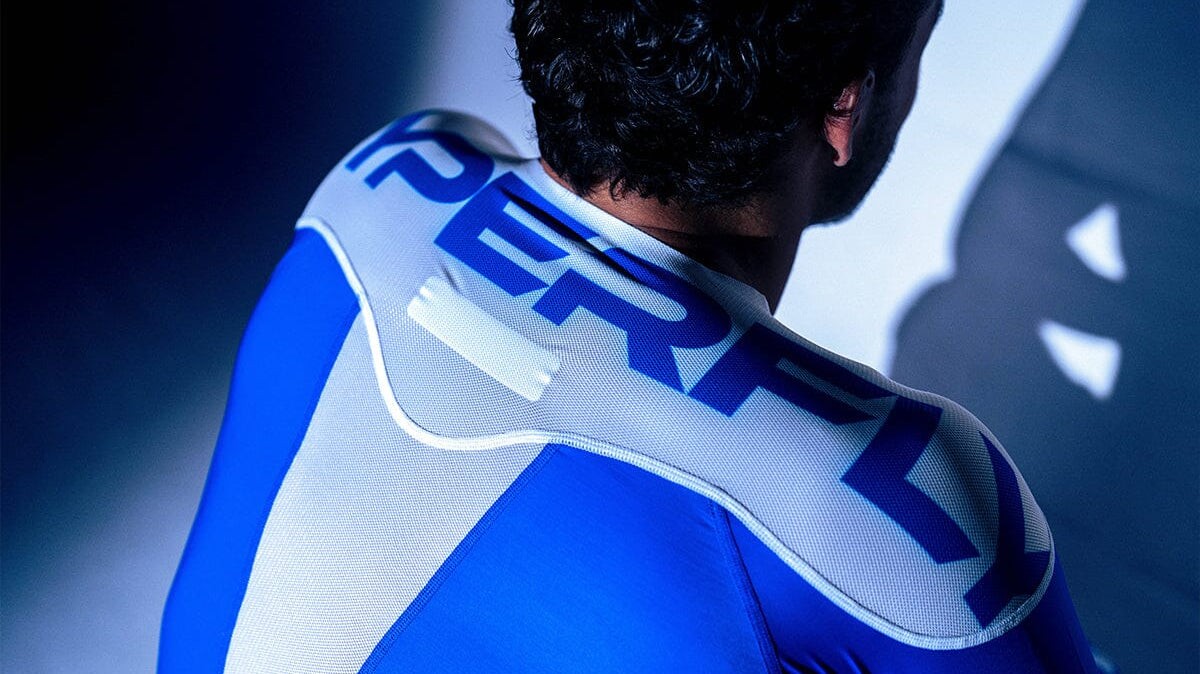
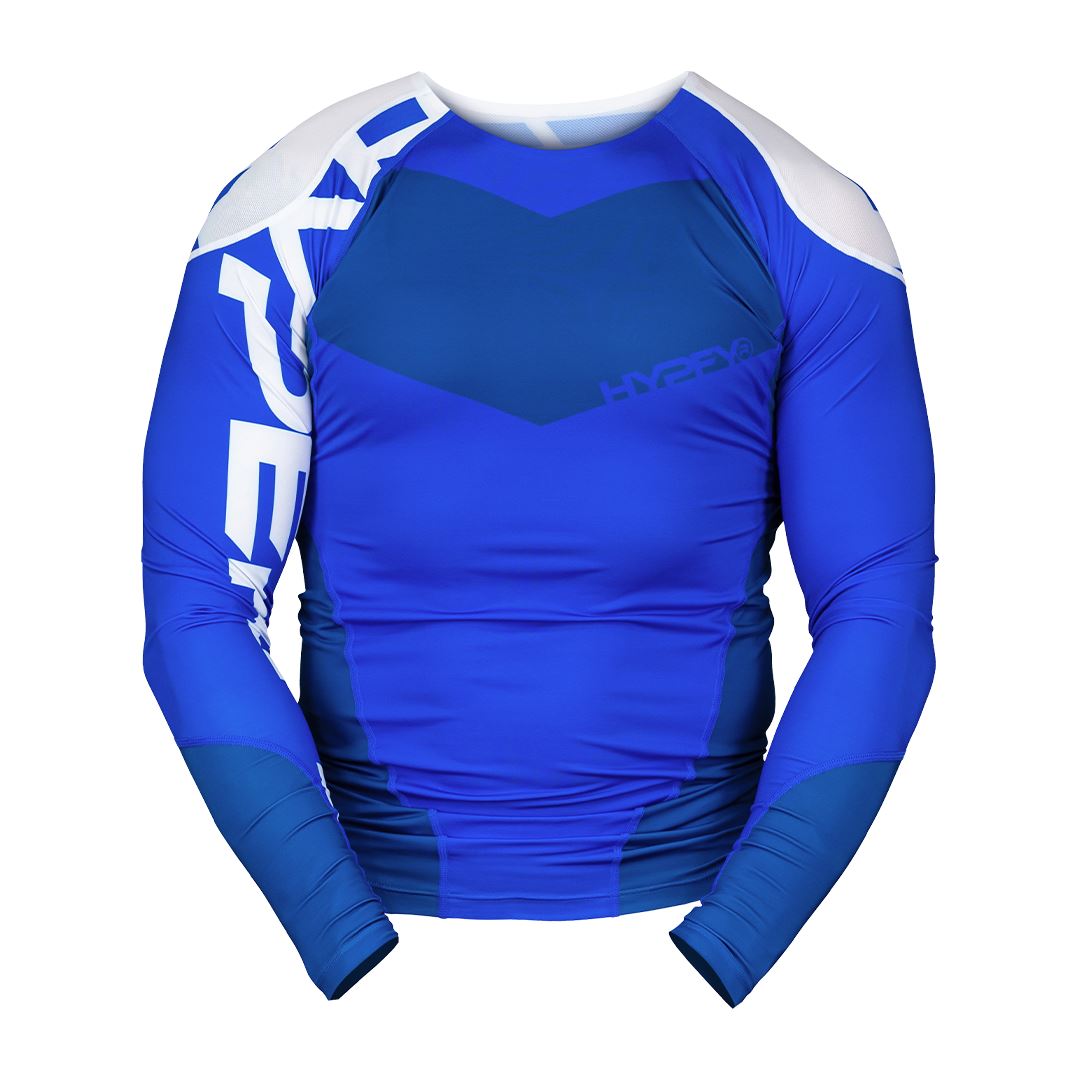
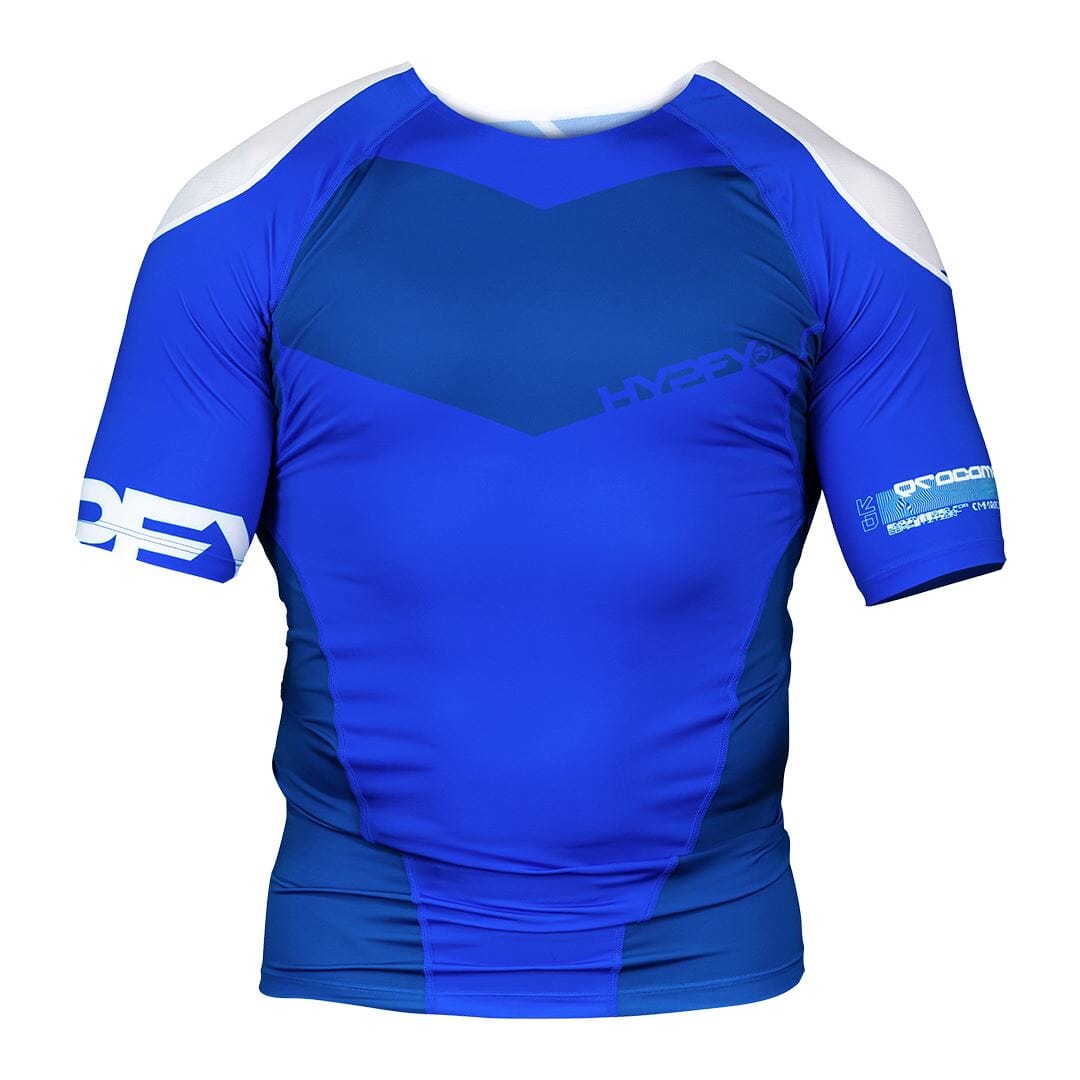
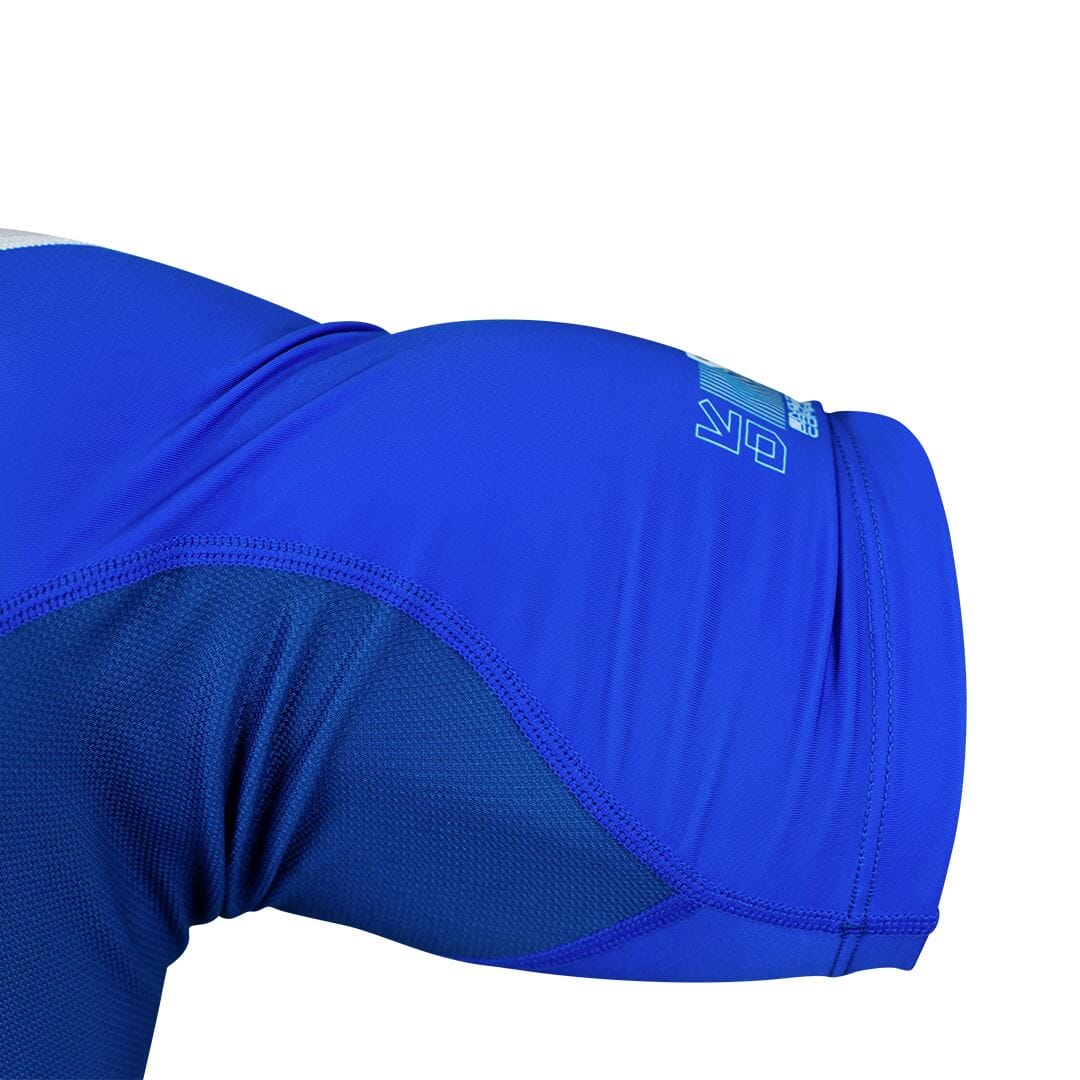
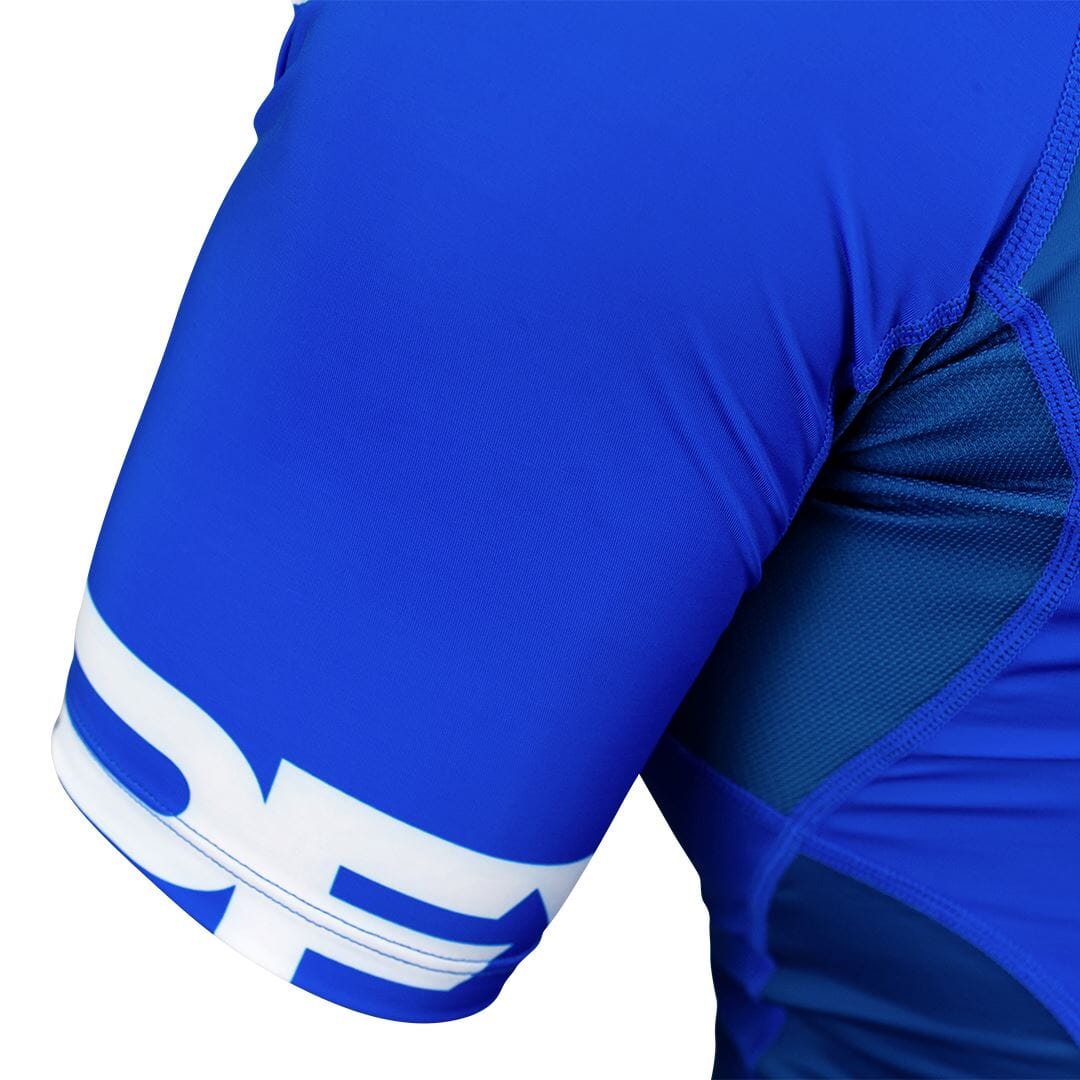
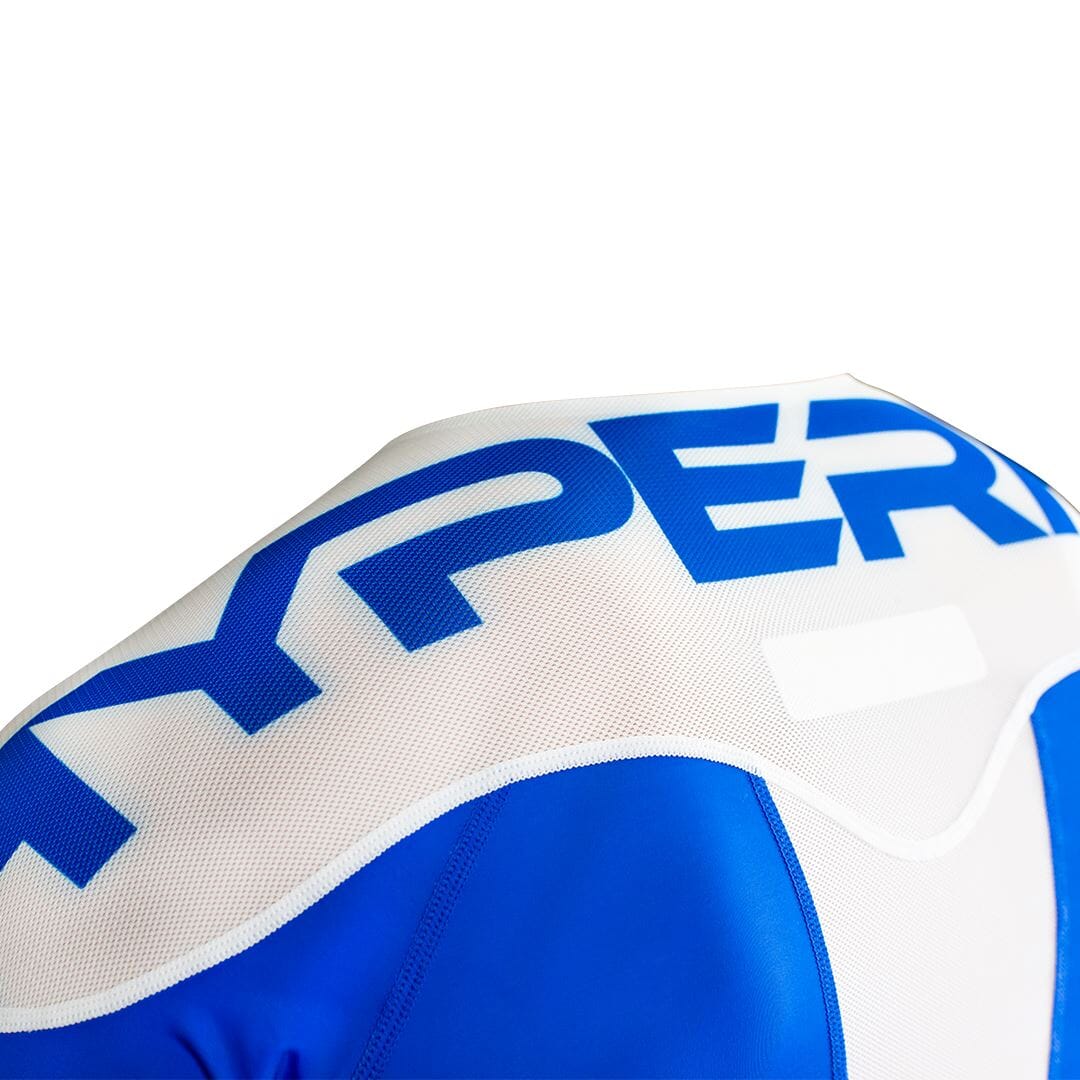
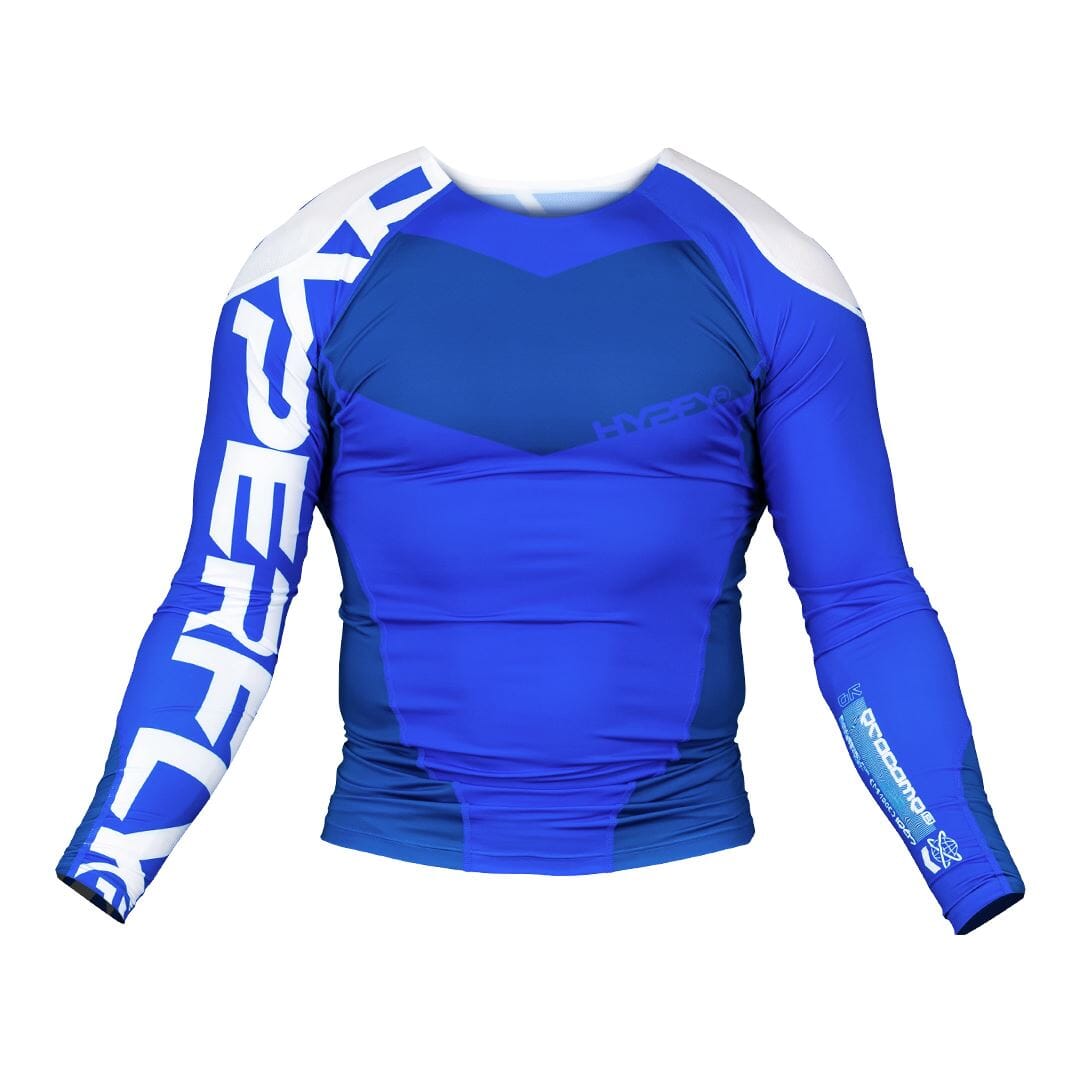
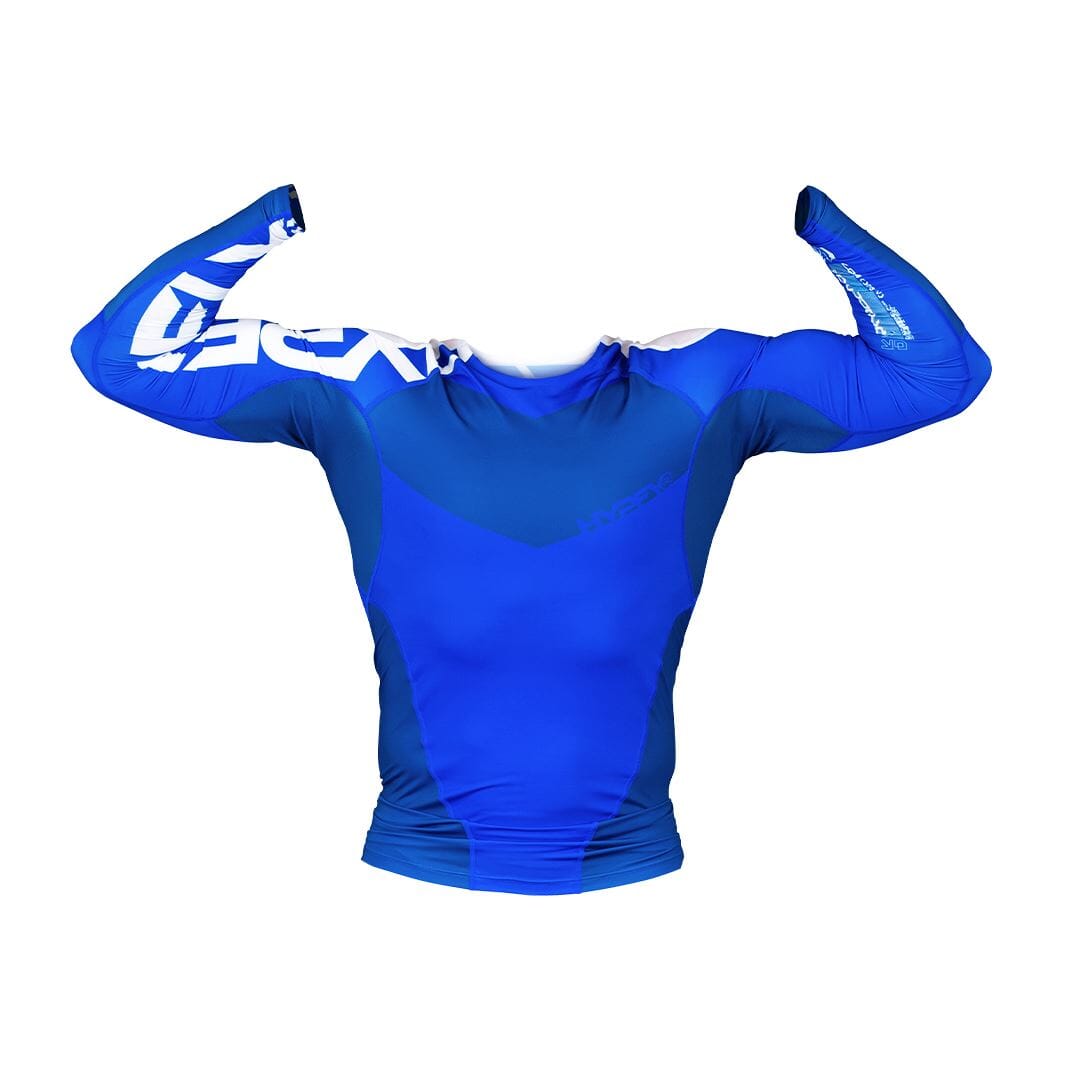
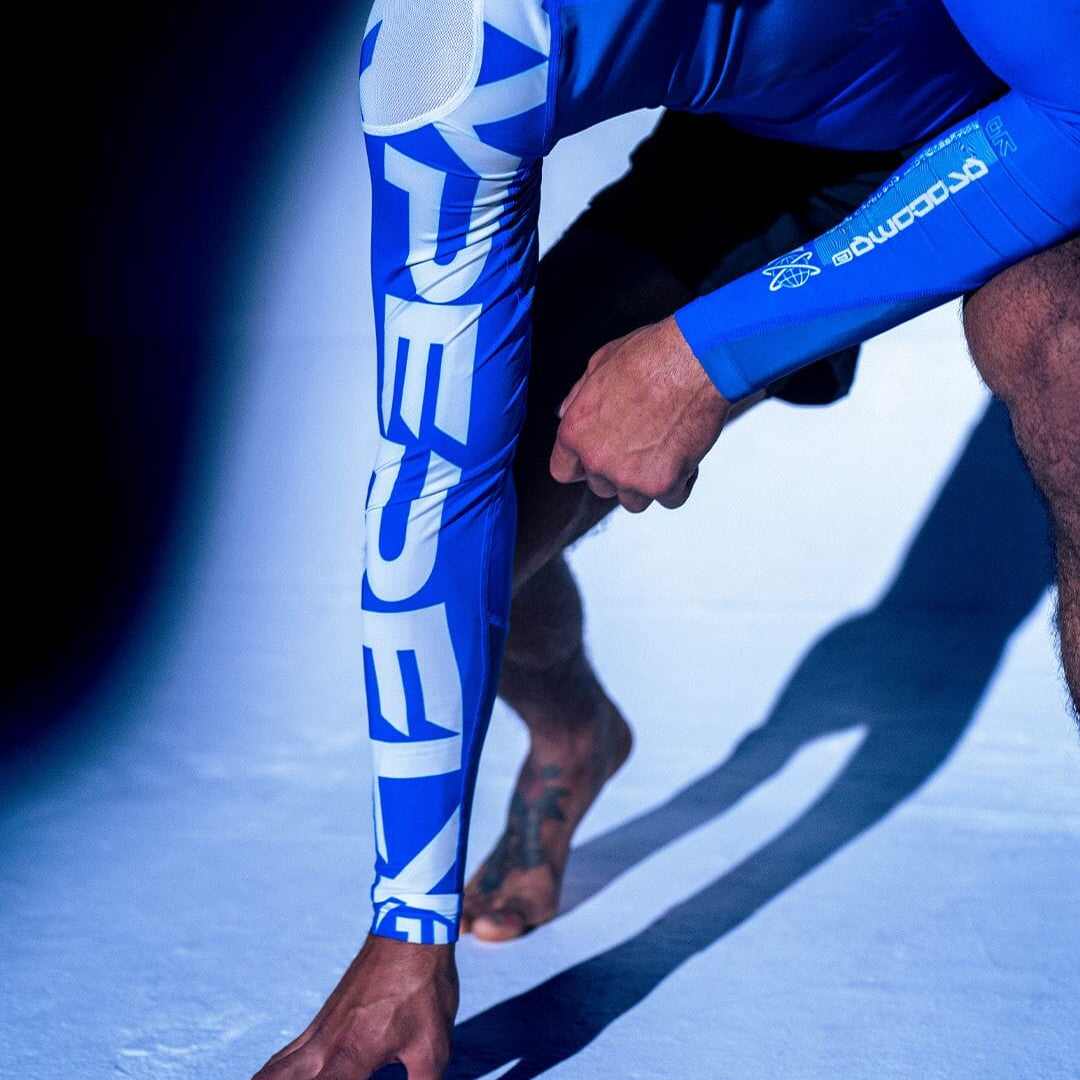
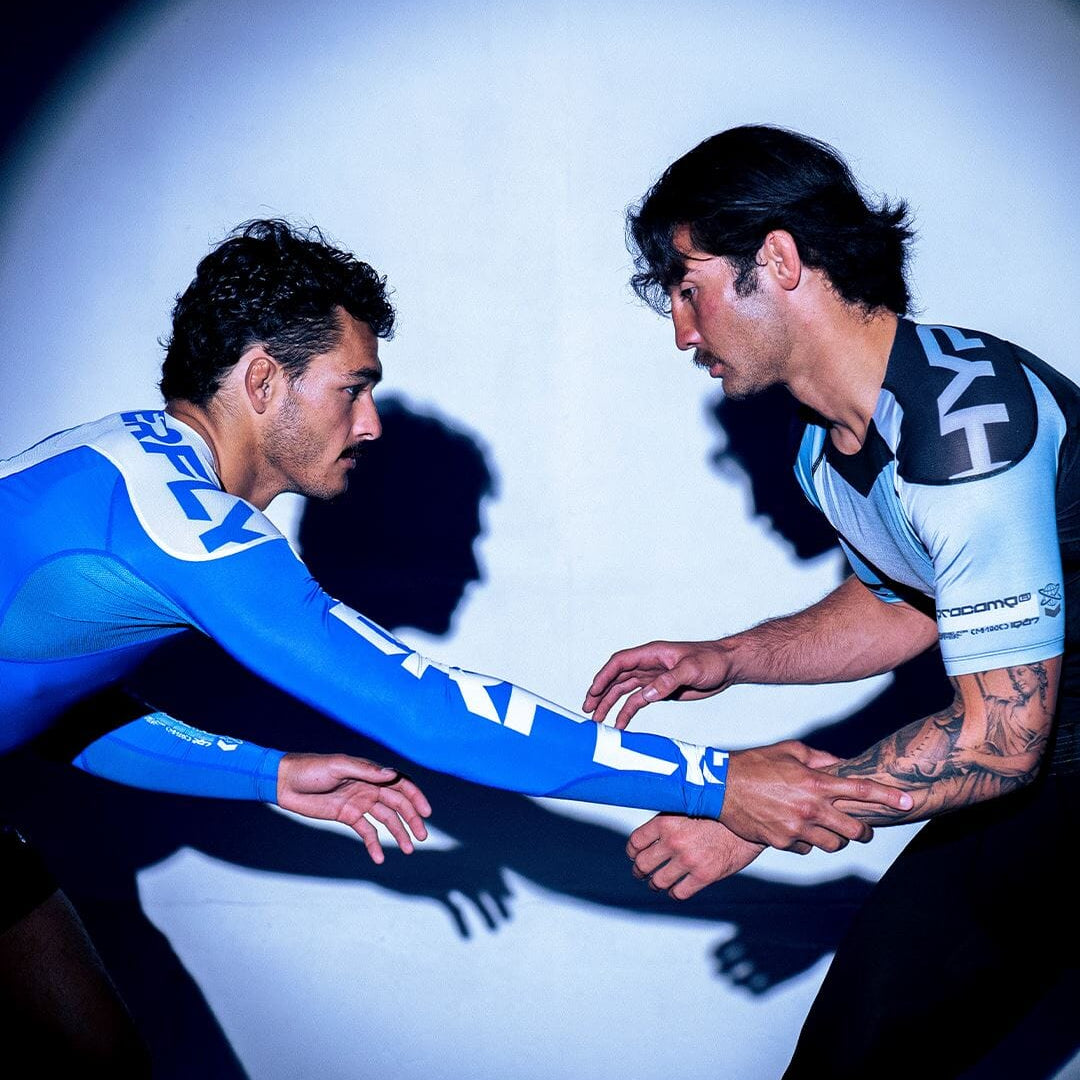
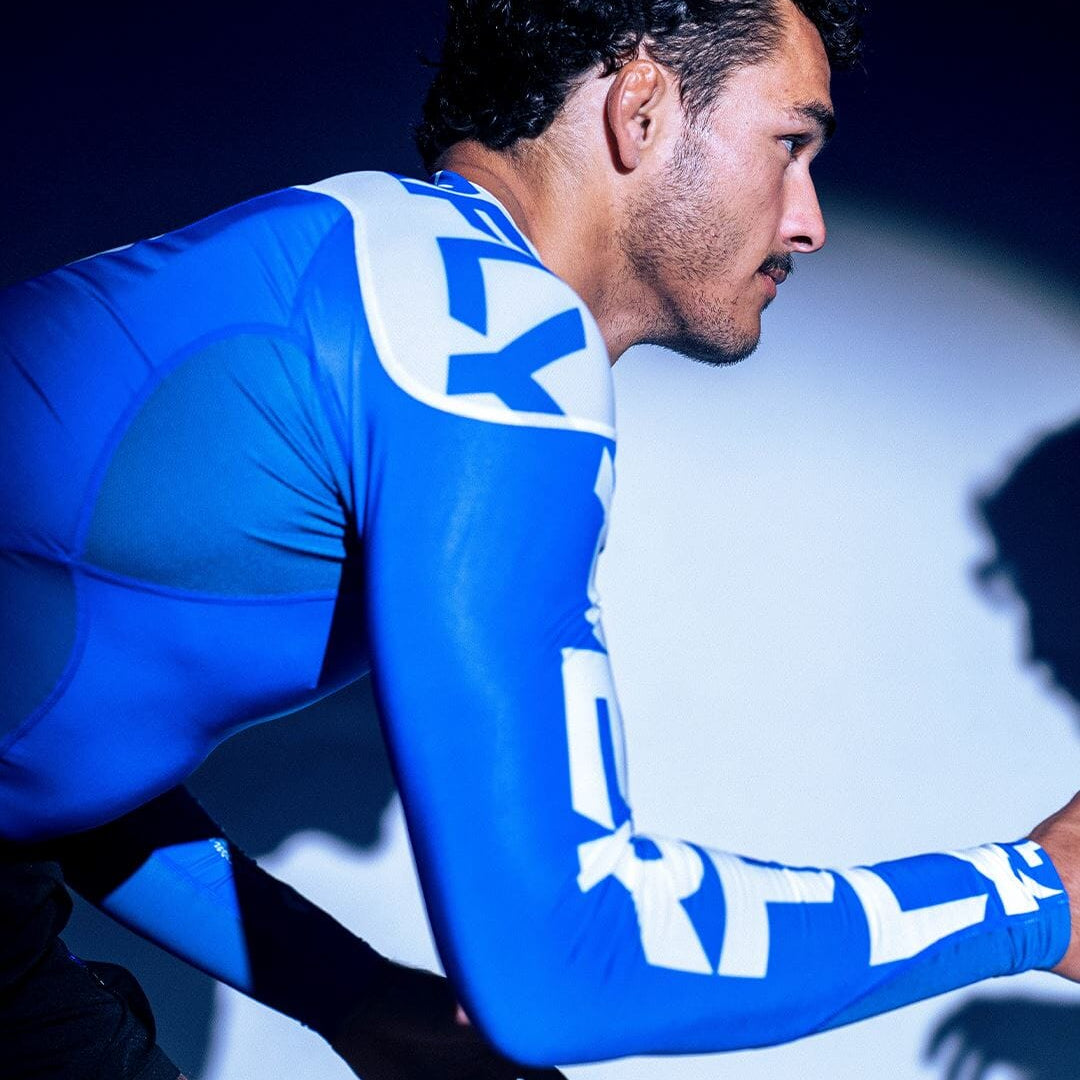
These are textiles built specifically for grappling and Brazilian jiu-jitsu. They are fine-tuned for durability, mobility, and comfort under extreme movement. A modern rashguard isn’t just a shirt. It’s a carefully engineered tool designed to survive the realities of nogi training.
Athletic fabrics didn’t become “technical” overnight. They evolved through decades of trial, error, and innovation. From natural fibers that absorbed sweat like a sponge, to early synthetics that dried fast but smelled fierce, to engineered blends designed for movement, moisture, and durability. Today’s performance textiles are lighter, stronger, stretchier, and smarter than anything athletes wore even a decade ago. This evolution shows up most vividly in grappling, a sport that exposes every weakness in a textile and has shaped the specialized BJJ and no-gi gear combat athletes rely on.
In the next blog, we’ll zoom in on that intersection and look at how technical fabrics transformed no gi uniforms, why modern rashguards and grappling shorts look the way they do, and how textile science continues to influence the future of combat sports gear.
Shop Hyperfly Gear Built with Technical Fabric
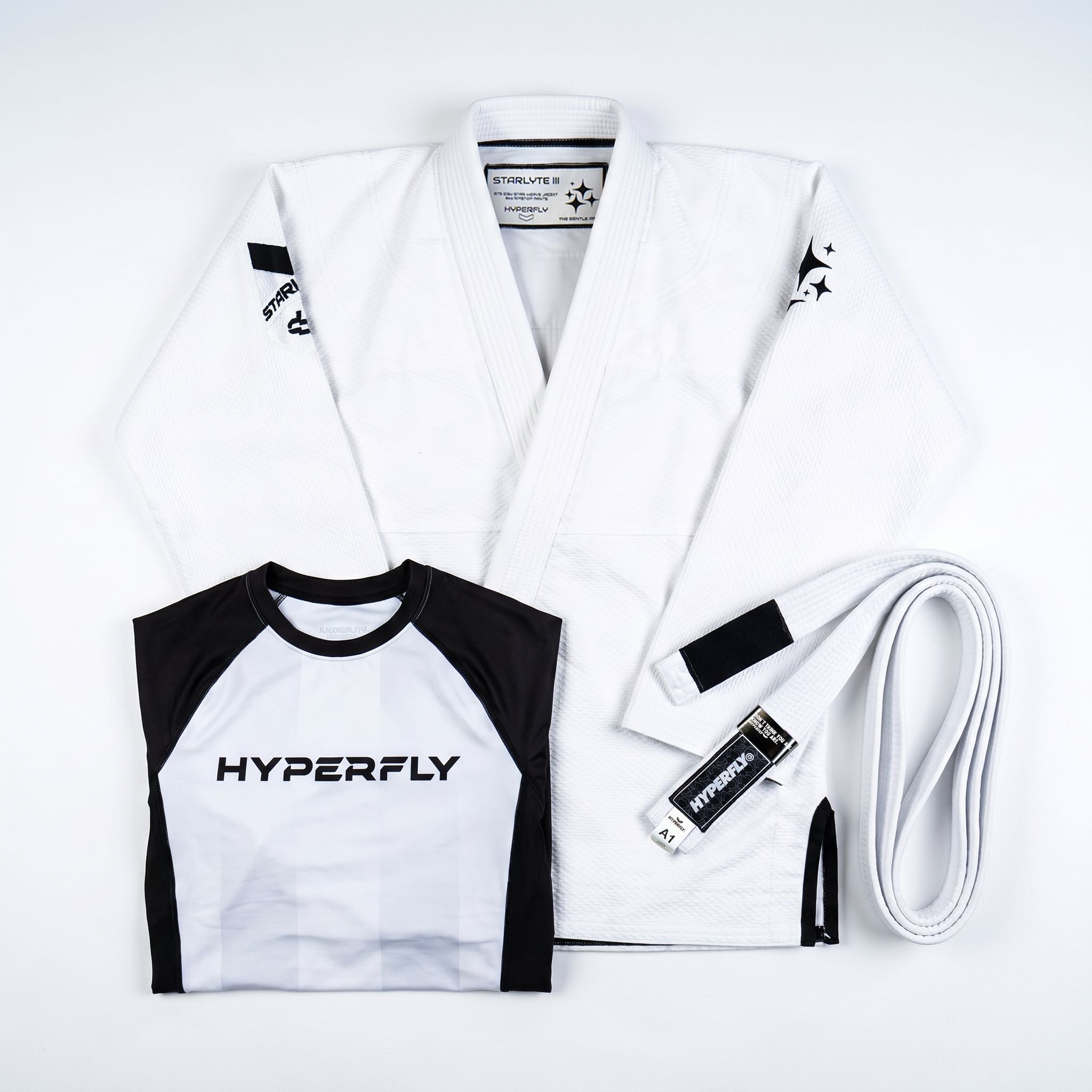
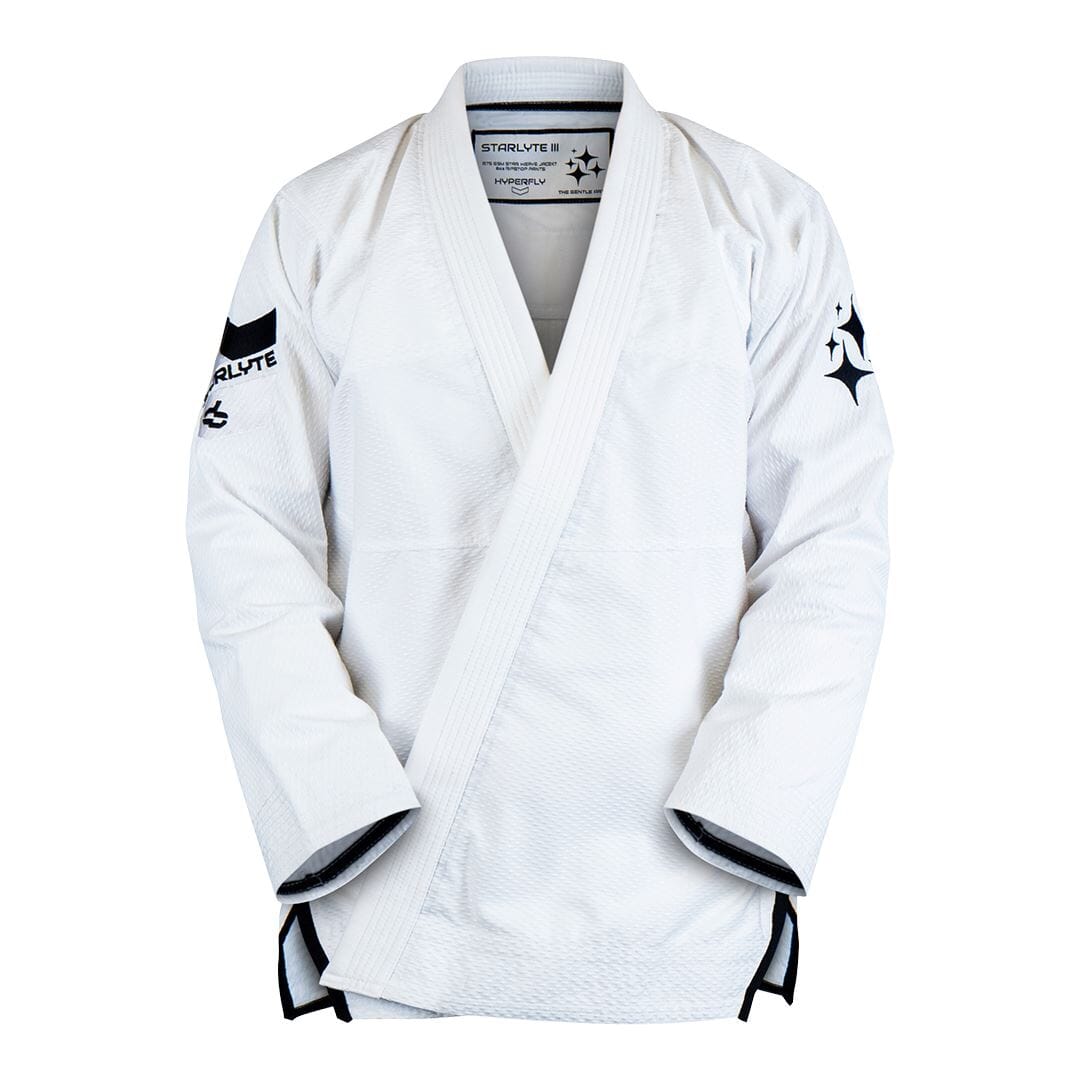
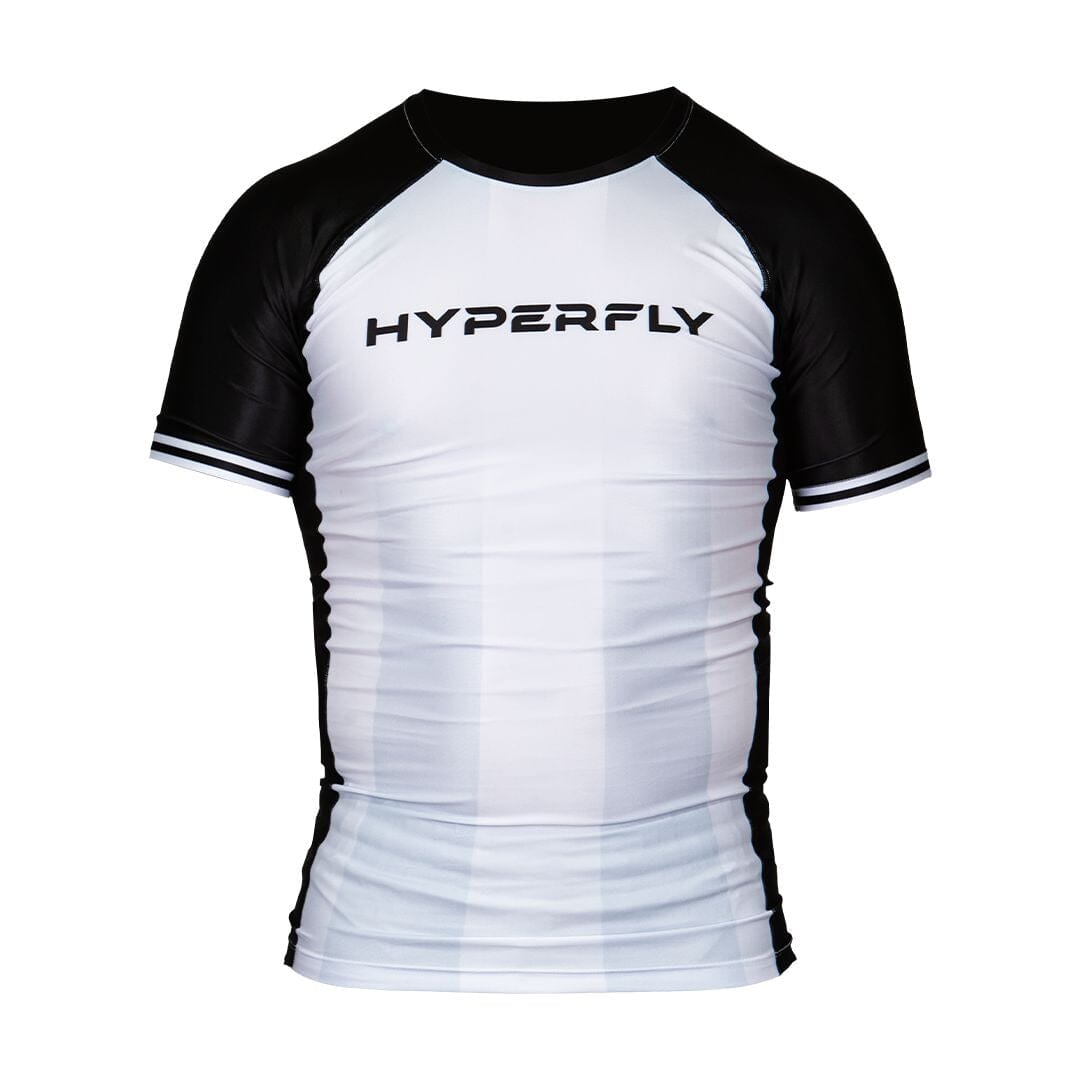
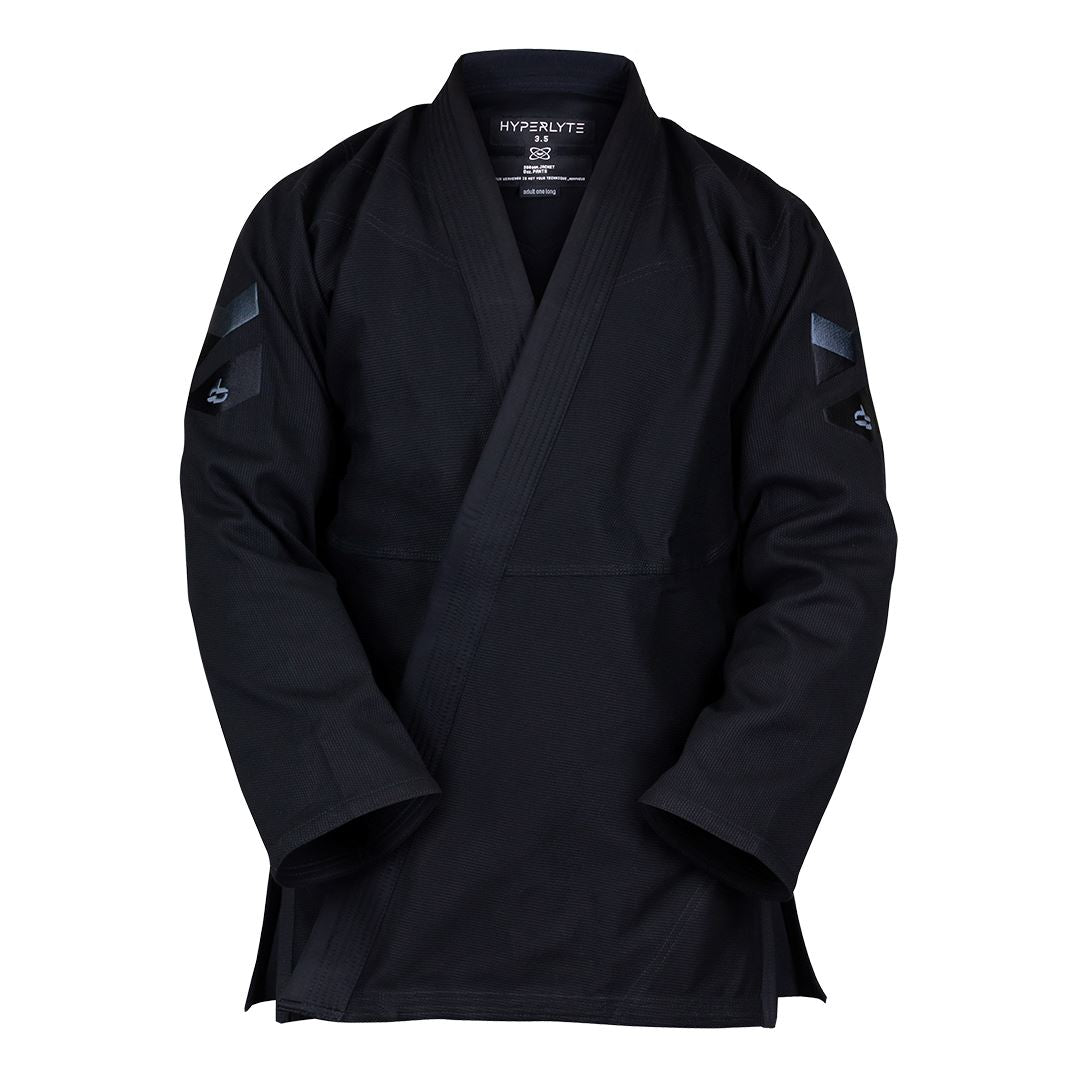
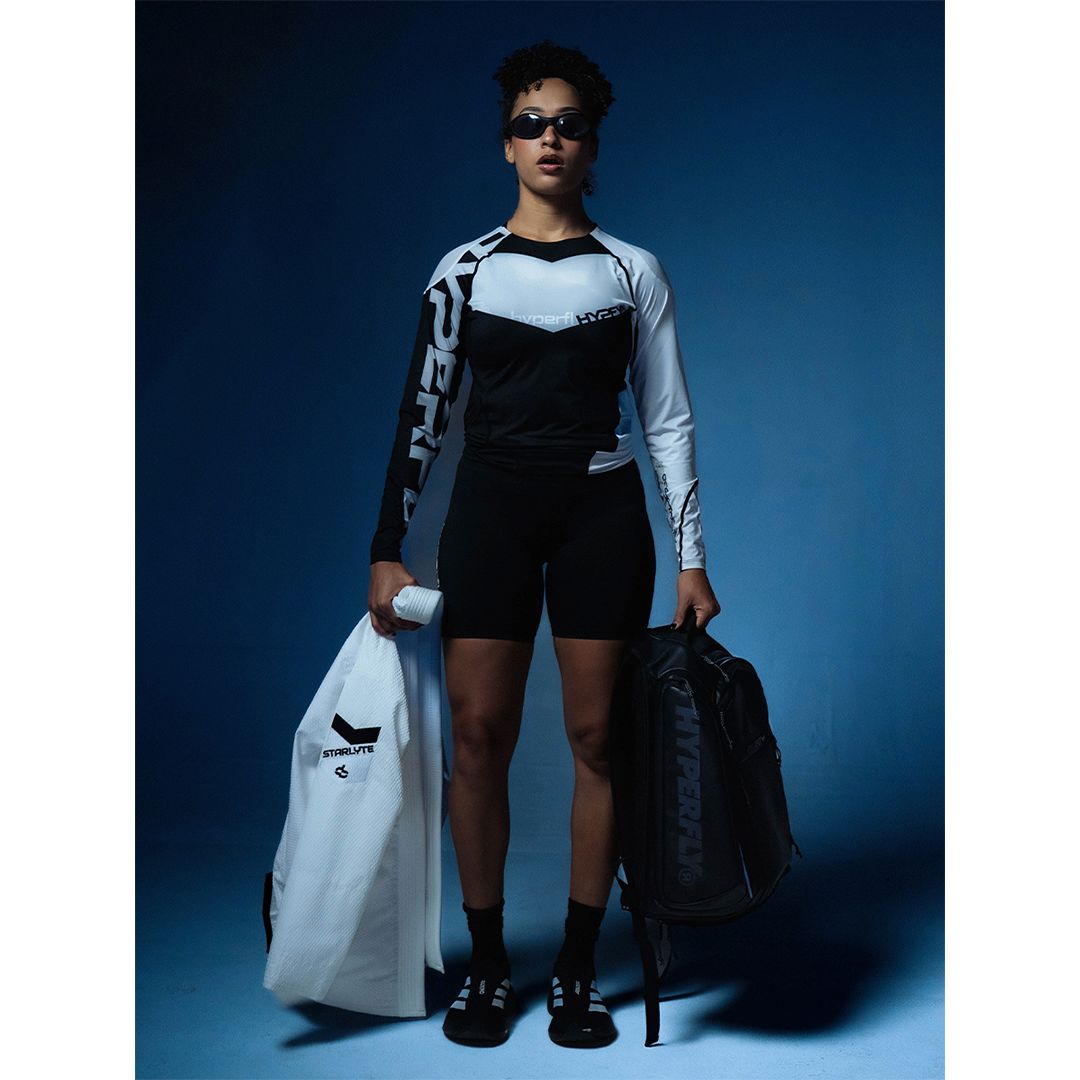
Want to feel what decades of textile evolution feel like on the mats? These Hyperfly pieces are built with technical performance fabric made for grappling:
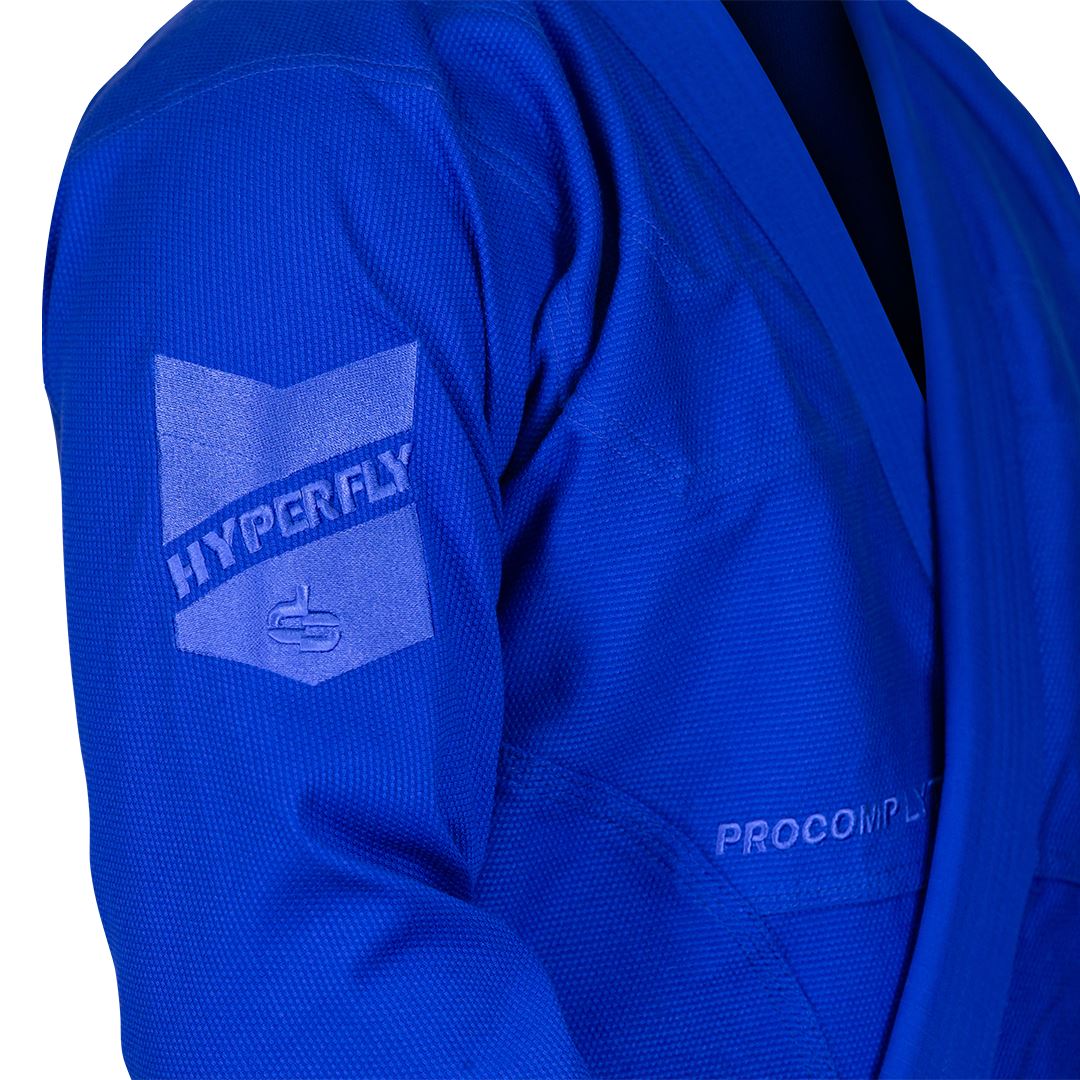
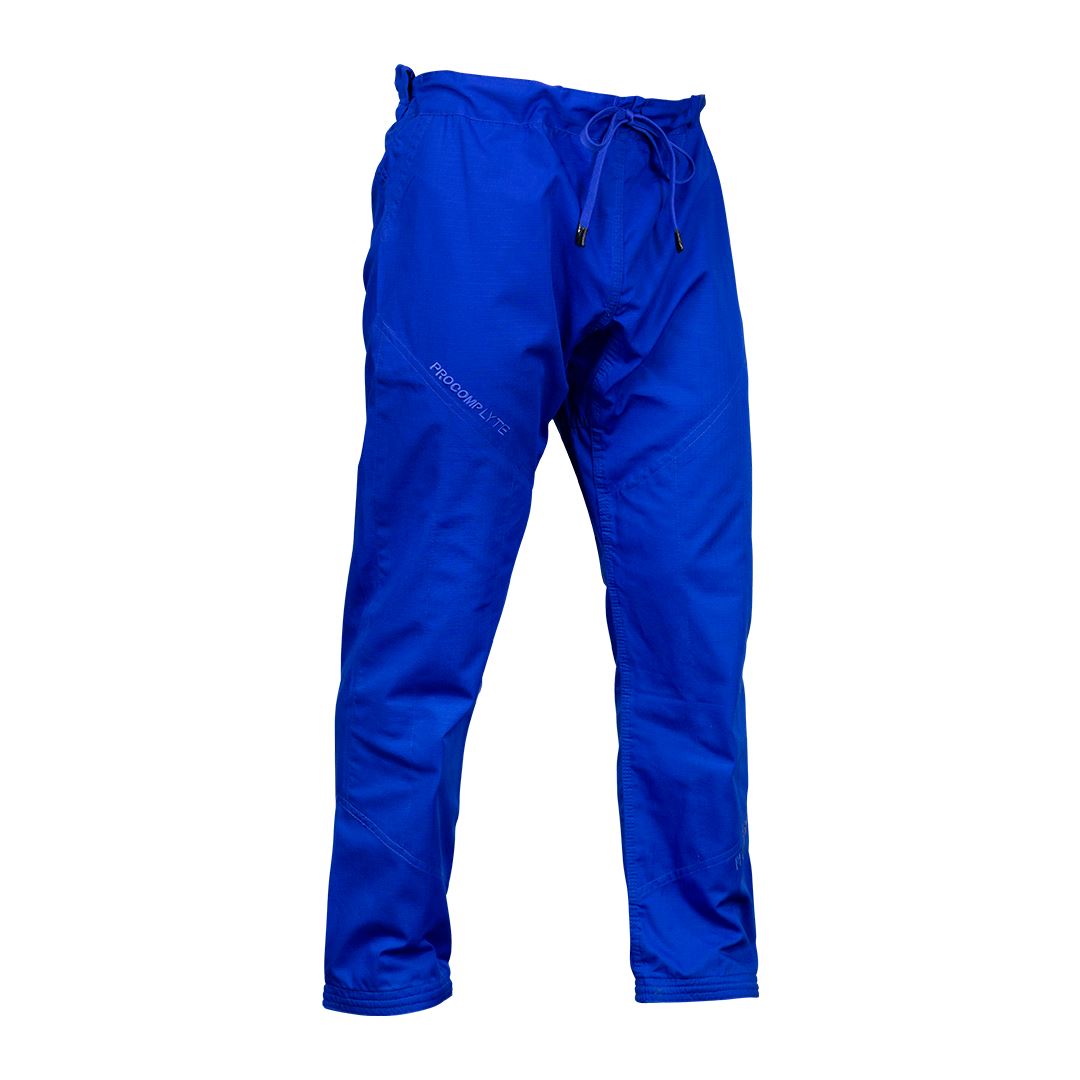
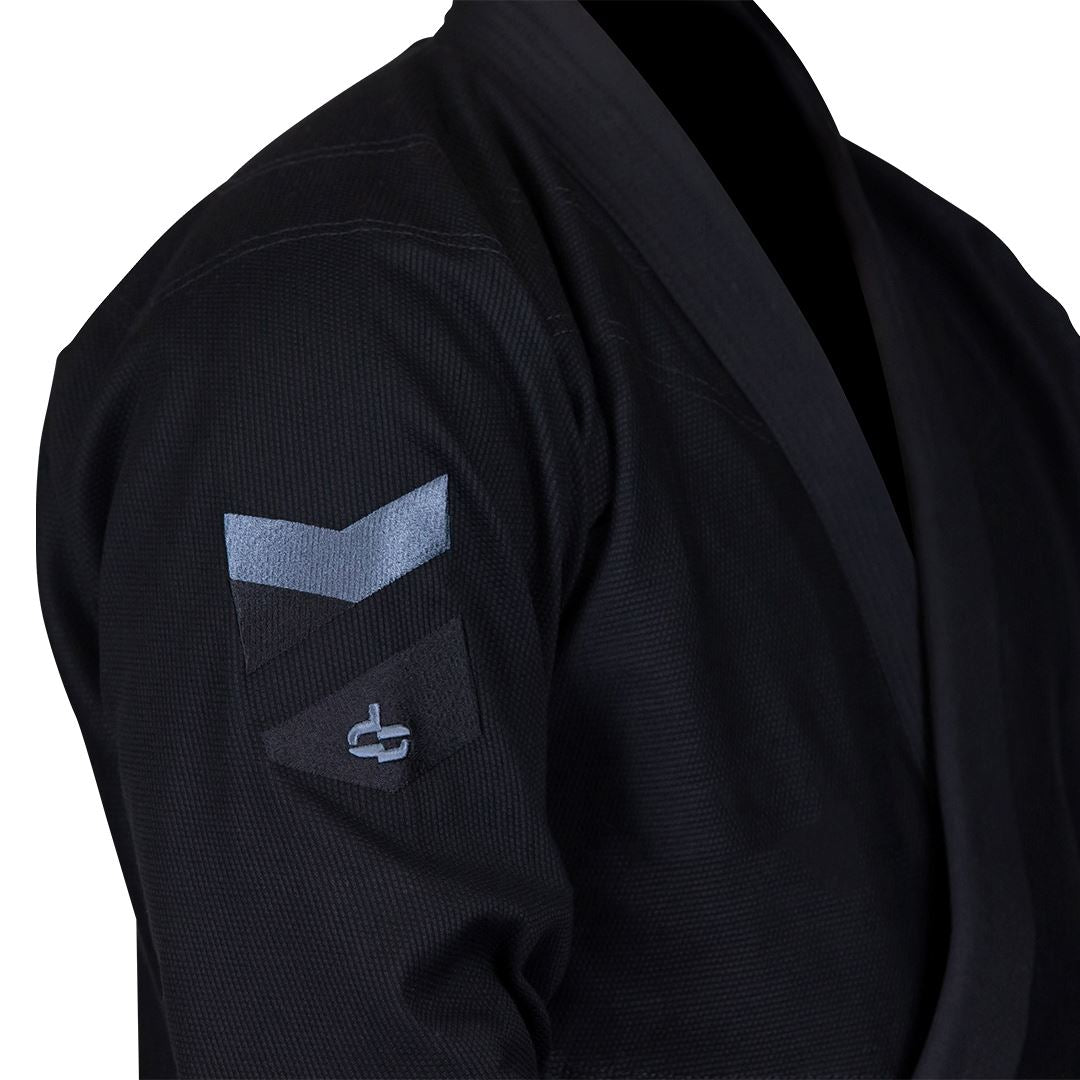
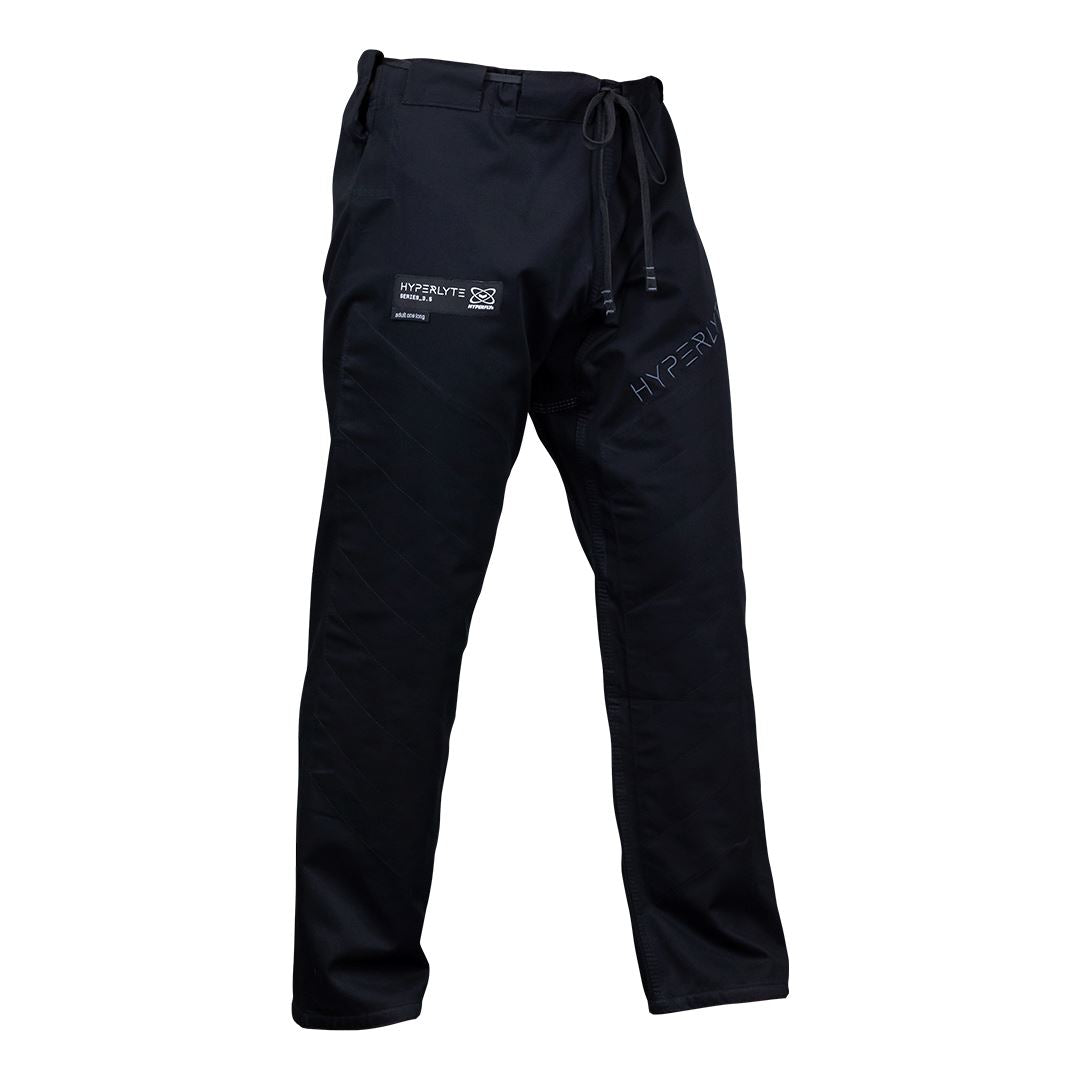
- ProComp 4 Kimono: our hi-tech weave competition BJJ gi.
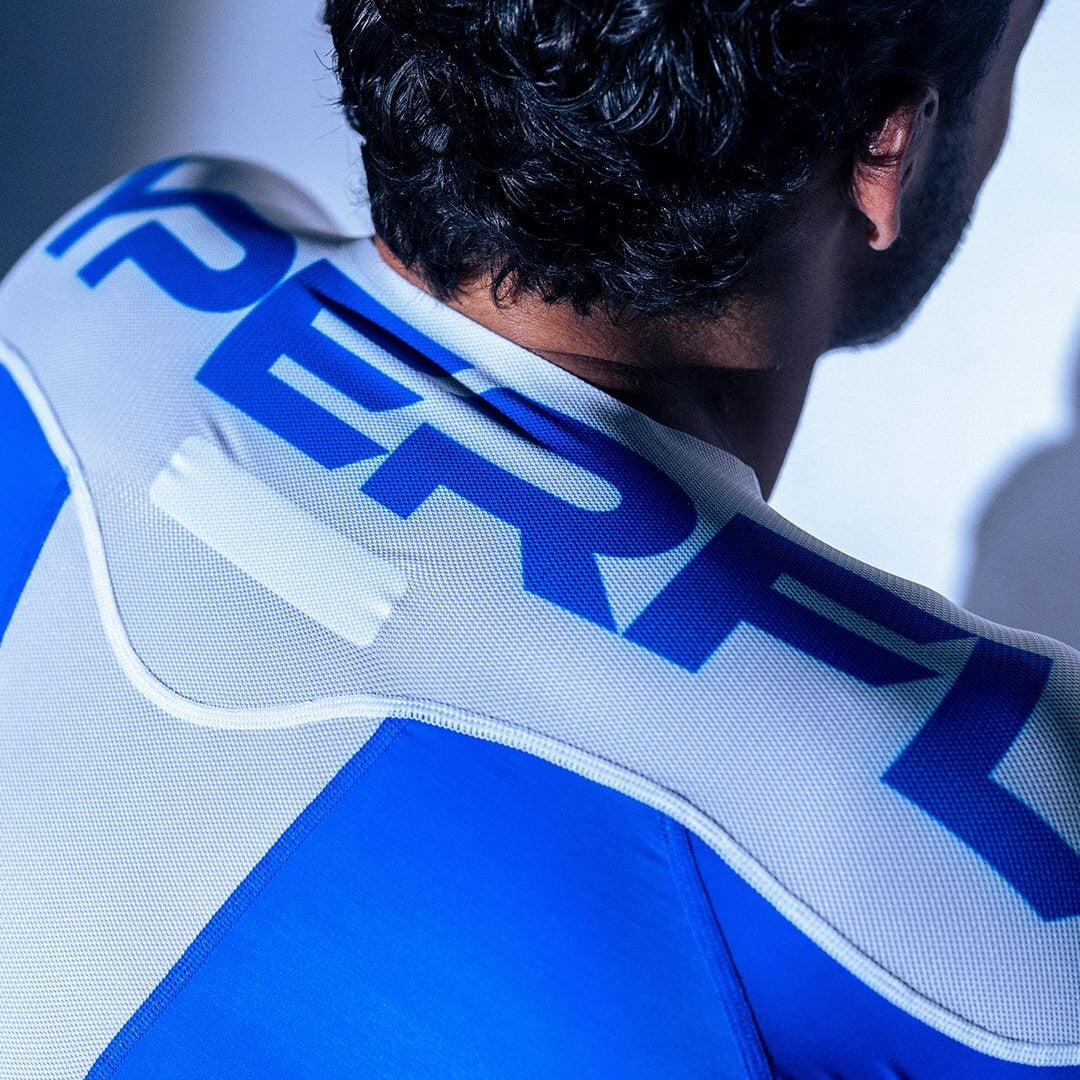
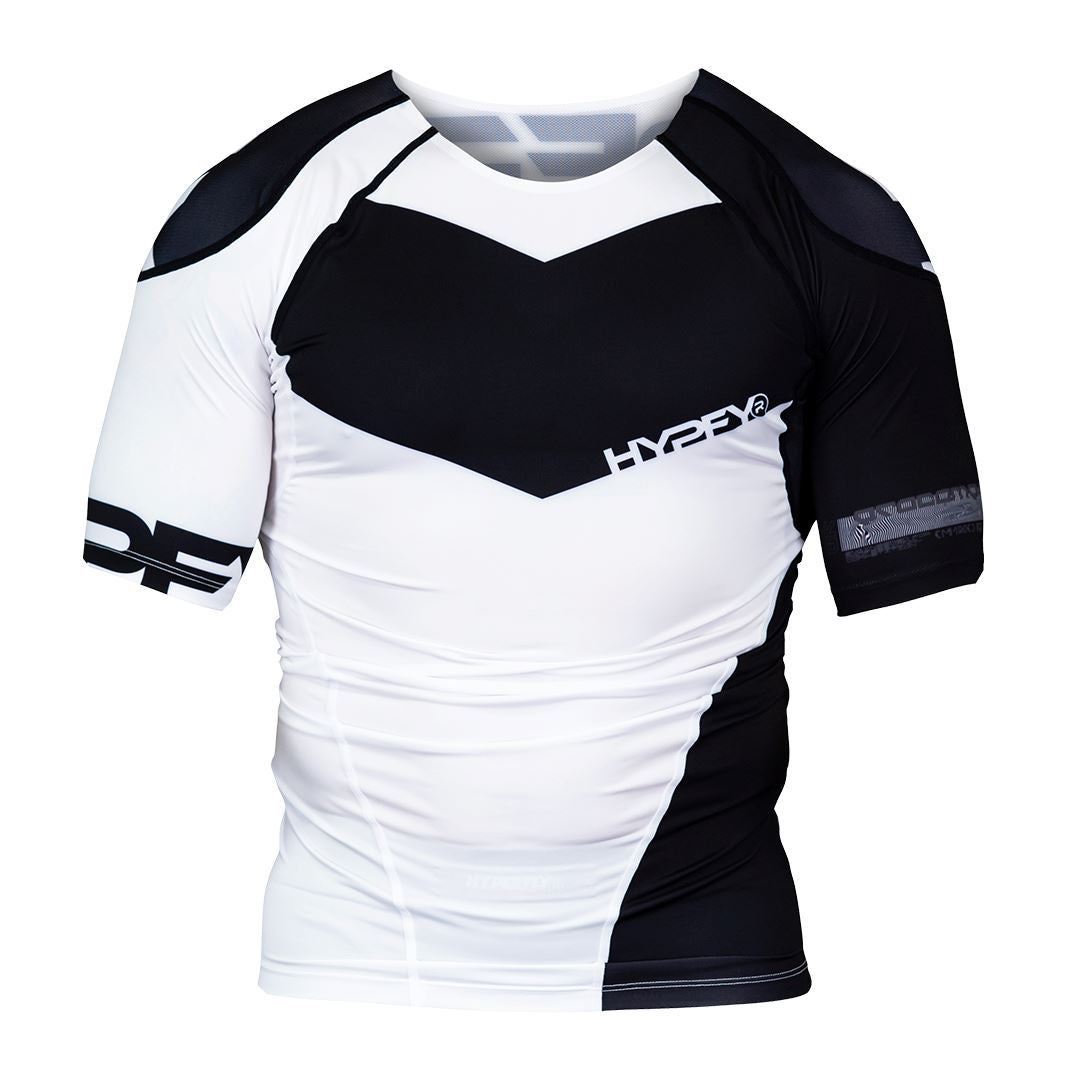
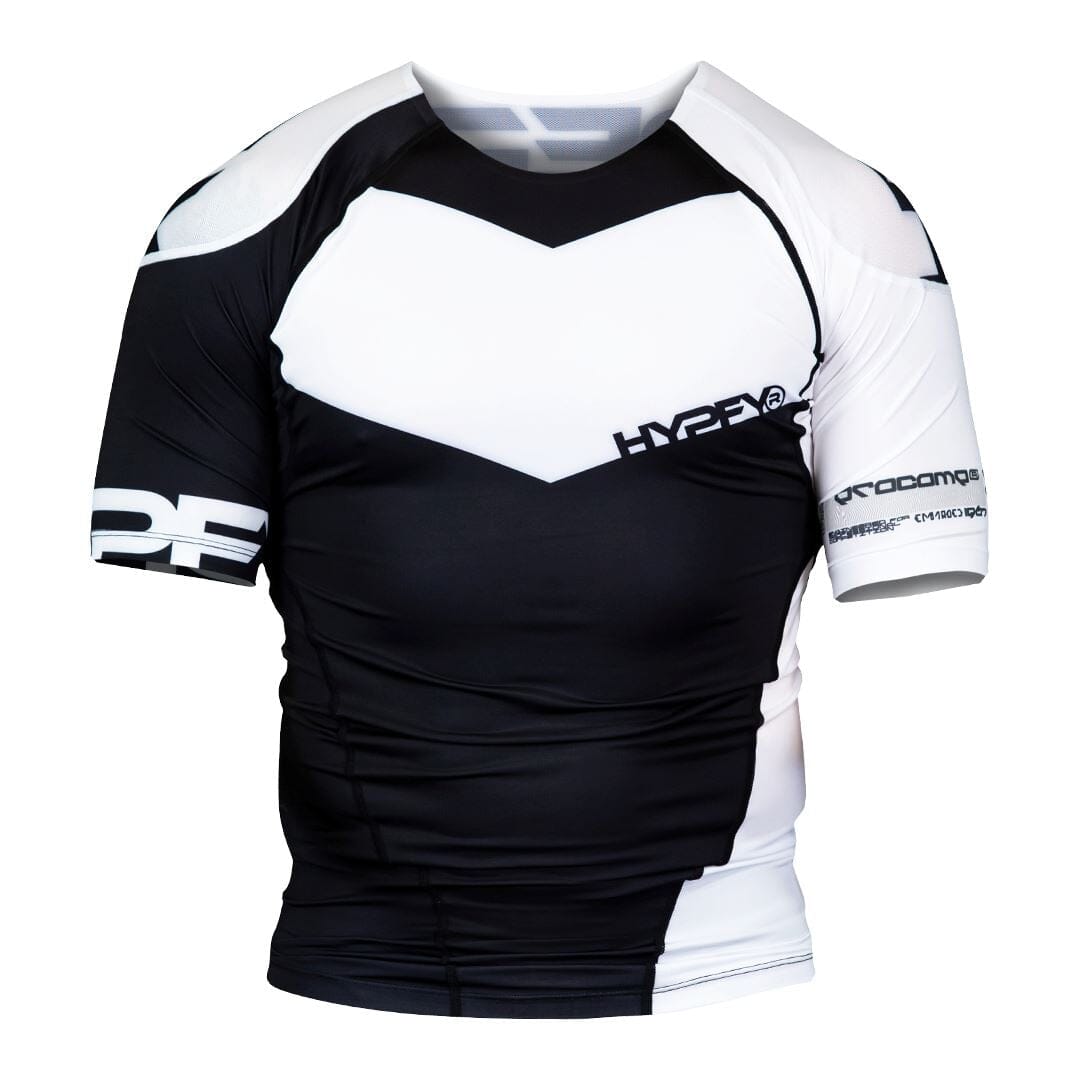
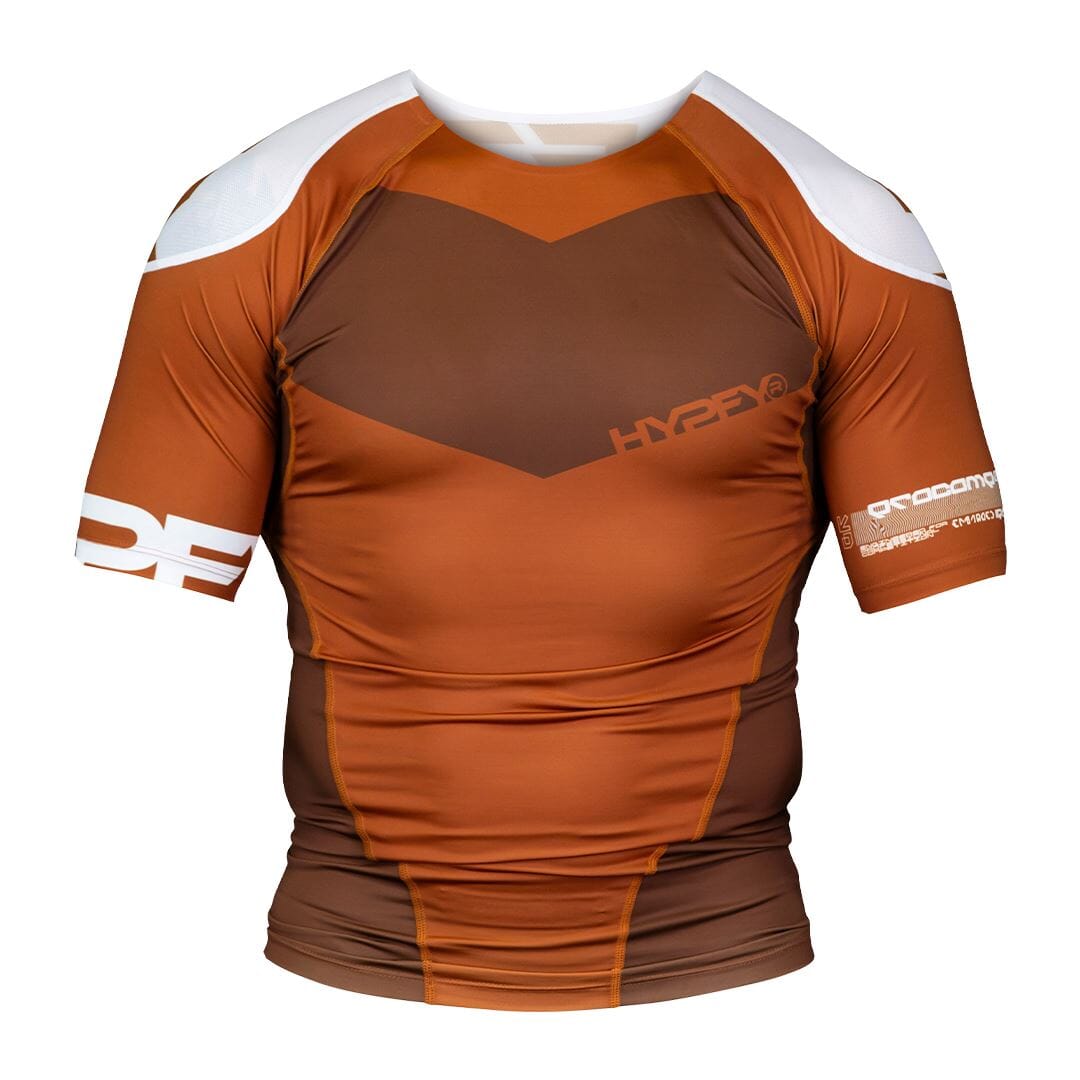
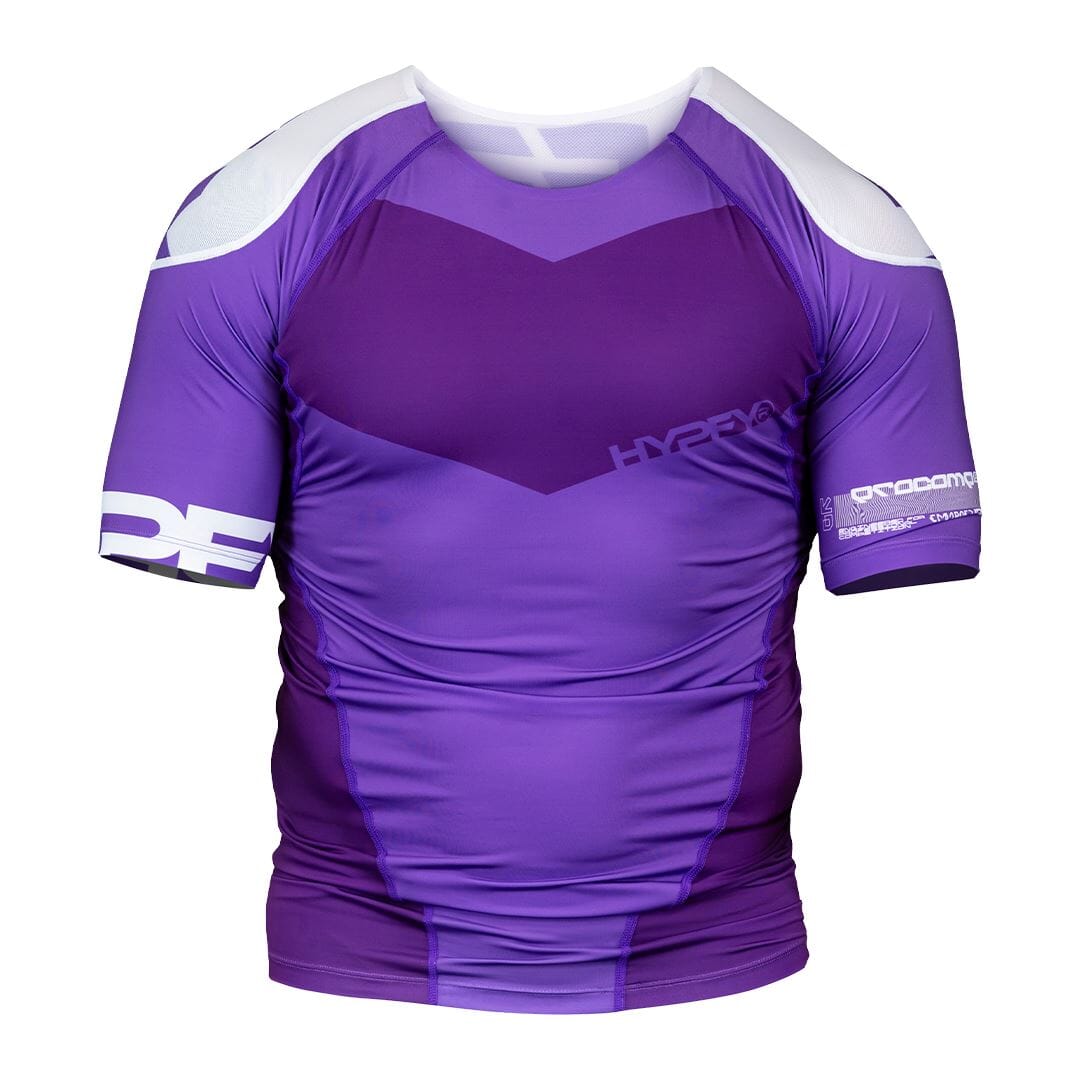
- ProComp Edge Rash Guard: a no gi rash guard built for training and competition.
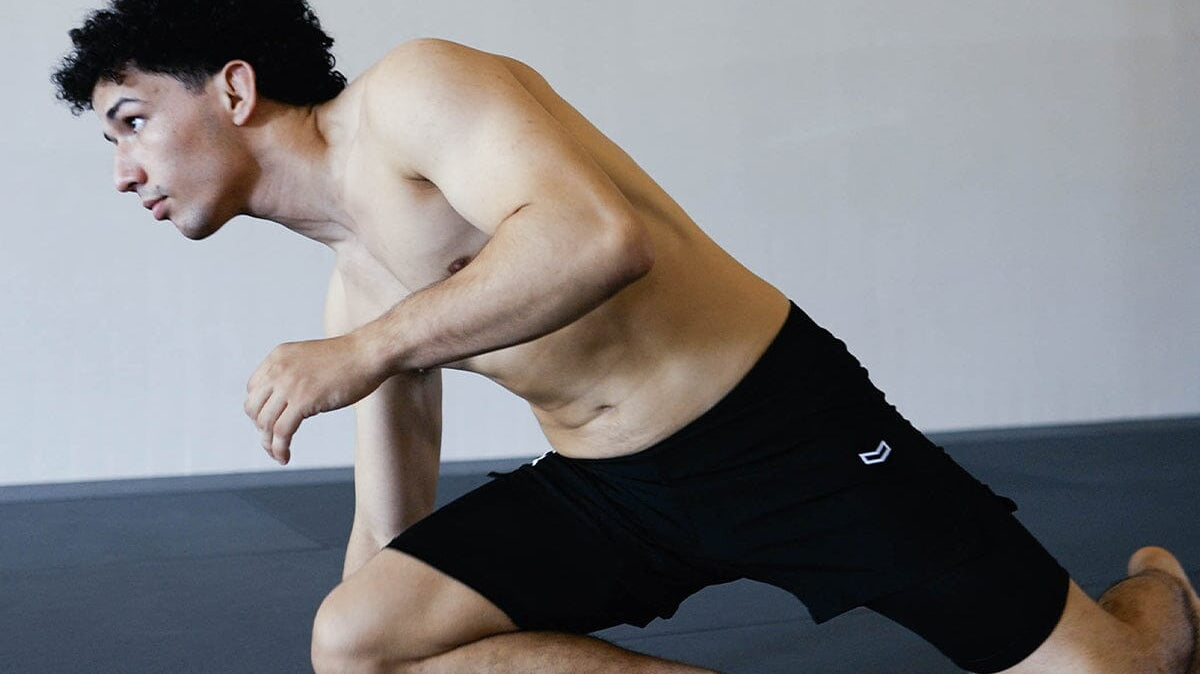
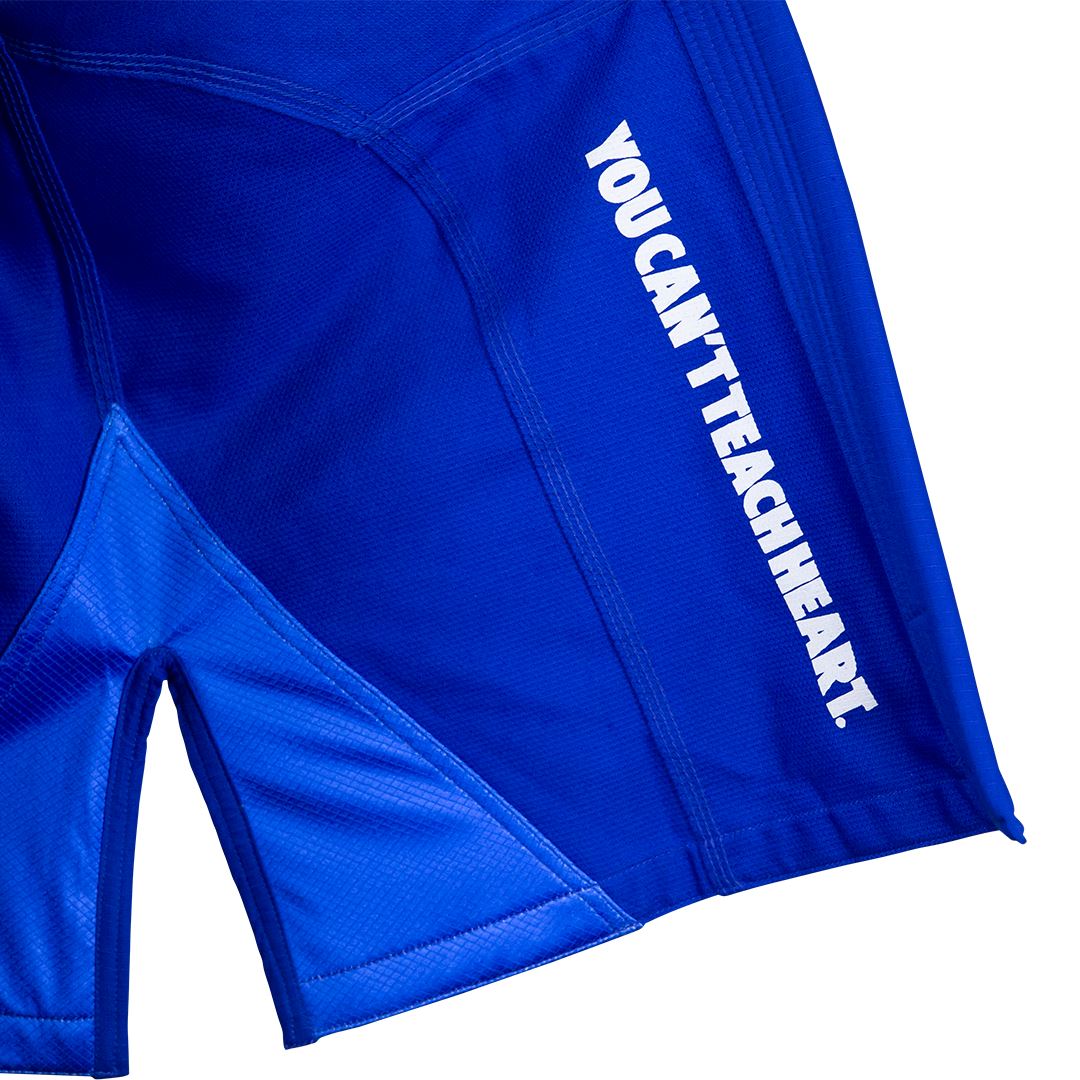
- Core Training Shorts: our newest grappling shorts for BJJ and no gi training.
- Textiles. Antimicrobial textile finishing based on silver nanostructures.
- Journal of Coatings Technology and Research. Quaternary ammonium salts on textile coatings and surfaces: structure, preparation, and antibacterial functionalization.