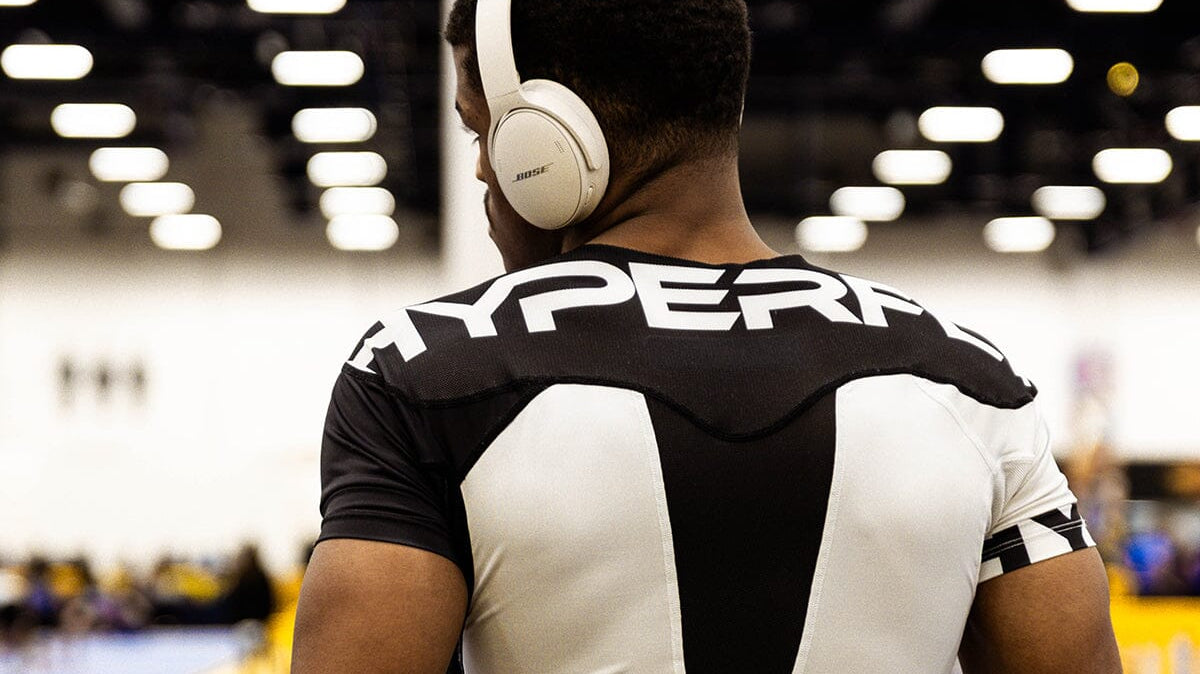
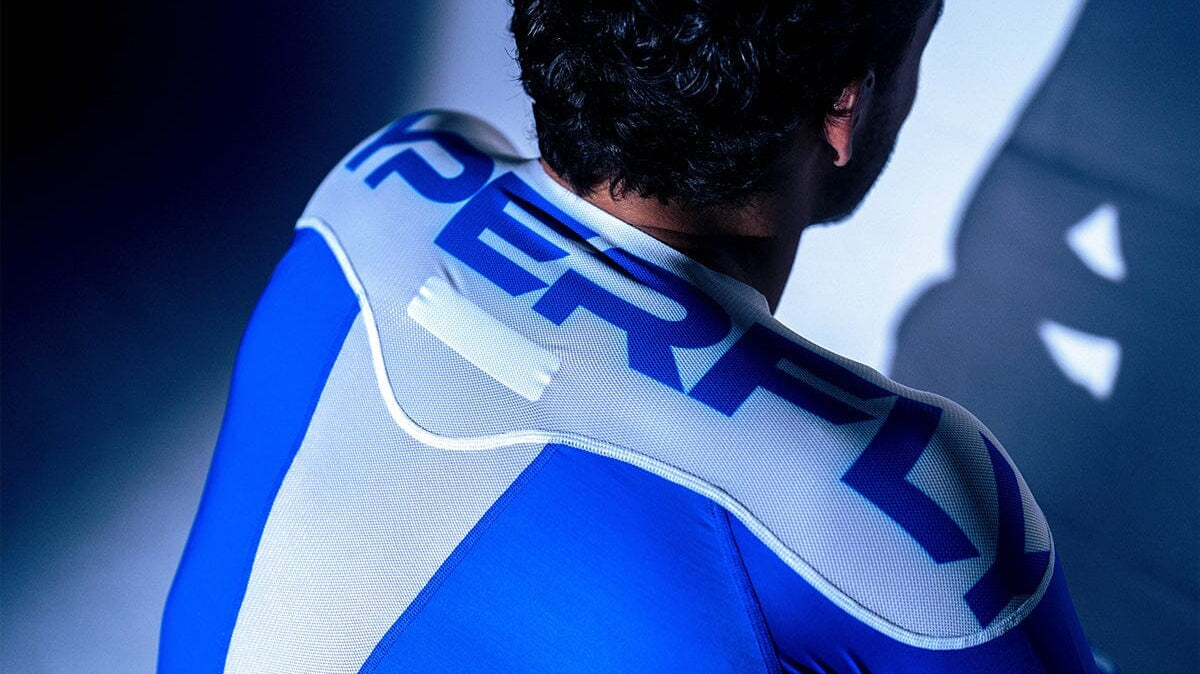
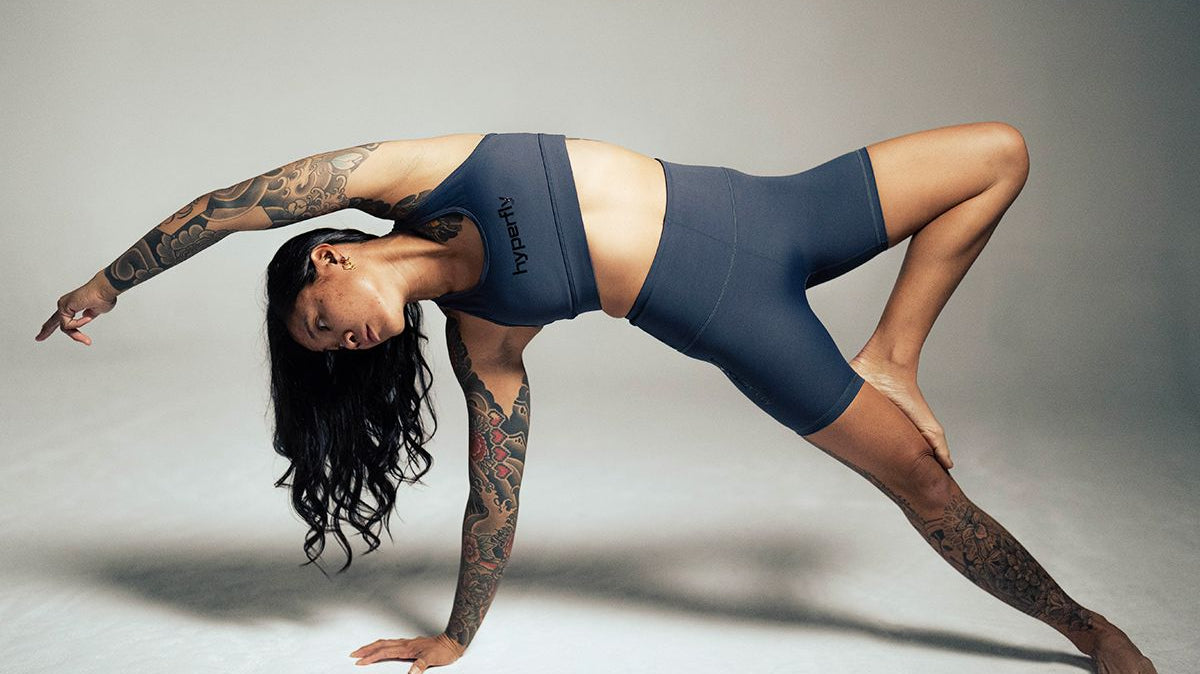
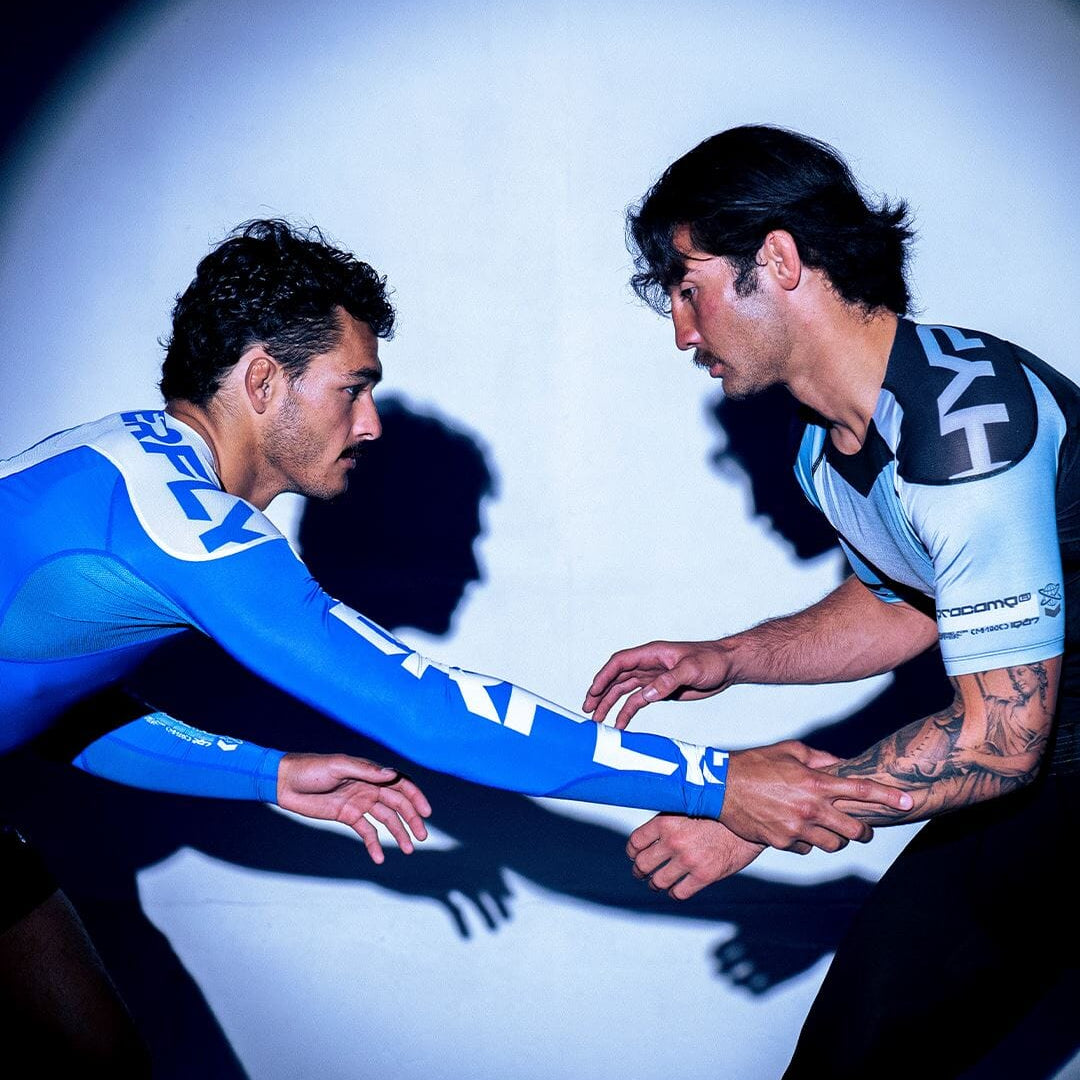
Every year, PanAms athletes submit a quote with their application. Kind of like a yearbook line for people who choke each other for fun. It's meant to hint at who they are, how they train, or what they believe. This year the classic: "comfortable being uncomfortable." popped up more than once. It caught our eye and raised eyebrows, thinking, in Jiu-Jitsu, "uncomfortable" is multifaceted. It's a position. Like side-control pressure making it impossible to inhale. It's attention. Like the coach using you as the demo dummy for what not to do. It's vulnerability. Like being mounted with your arms over your head and unable to escape. It's also literal. Like your gi pants are too tight, or your rashguard can't suppress your muffin top, or realizing too late you wore the wrong underwear.
"Comfortable being uncomfortable" gets tossed around like a universal truth found in a fortune cookie, but most people use it incorrectly and understand it even less. In regular life, "discomfort" means something mild and fixable: awkward small talk, a weird work meeting, an airplane middle seat, jeans that betray you, scraping a mold spot off the cream cheese. It's the kind of discomfort you can escape with polite justification and a dose of patience.

Discomfort Isn't a Metaphor
In Jiu-Jitsu, discomfort isn't symbolic. Jiu-Jitsu gives you plenty of discomfort to work with. You don't need to manufacture extra suffering. You don't need to romanticize it. It's not a metaphor for growth or grit. It's close, sweaty contact, compromised breathing, positional vulnerability, and your opponent's bulk testing your ribcage's pliability. It's your nervous system putting "FIGHT, FLIGHT OR FREEZE" in all caps. It's your joints doing geometry they didn't sign up for. And it's the unnecessary "uncomfortable" you find in places where comfort is an option, like your gi, your training environment, or your relationship with your body.
The Real Skill: Becoming Functional, Not Comfortable
Tolerating discomfort is physiological and neurological, and it's trainable. And in Jiu-Jitsu, it's unavoidable. The real skill isn't becoming comfortable in discomfort. The real skill is becoming functional in discomfort. It's keeping your brain online when your body wants to panic. It's recognizing pressure without catastrophizing it. It's staying present when everything in you wants to bail. It's accepting your tactical blunders and keeping your humility in check.
The phrase gets misused when people treat discomfort as if suffering itself is the goal. Suffering gets weaponized with chants of "push harder," "don't complain," "grind," "embrace the suck." But discomfort tolerance isn't character or courage. It's neurological adaptation. It's learning to stay functional inside pressure, not learning to enjoy it. With BJJ, discomfort has dialects - physical, psychological, social, and even choice of wardrobe. Each one hits your nervous system differently.
The Four Dialects of Discomfort
Physical Discomfort
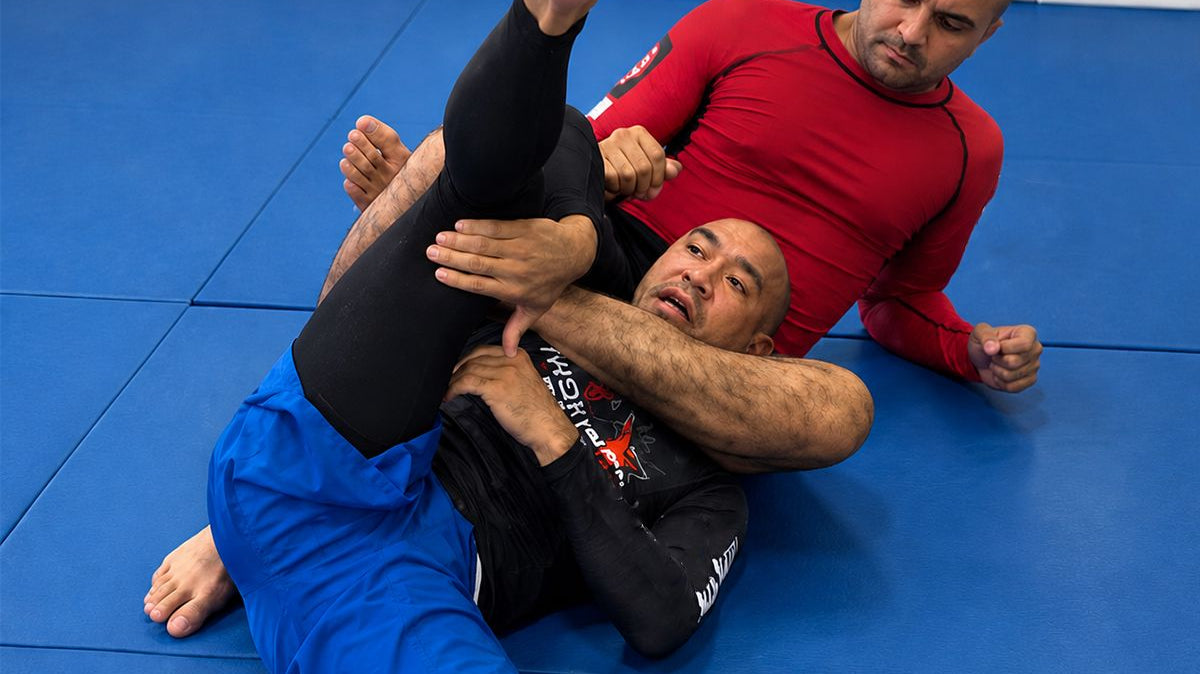
First, there's physical discomfort, the kind everyone expects: the body triangle compressing your torso, a frame digging into your ribs, your neck a chiropractic teaching opportunity, and quite simply, the pain before the tap. This is the discomfort that makes beginners panic. The discomfort that pushes advanced athletes to the brink where all competitive instincts collide. The high-stakes, split-second edge where the wrong choice can cost you the medal or the ligament.

Psychological Discomfort
Then there's psychological discomfort, which is quieter but just as potent. The moment you realize you're stuck, the creeping dread of a bad position, the internal monologue that narrates your mistakes. It's the discomfort of uncertainty, of not knowing if you can escape, not knowing if you're safe, not knowing if your opponent is about to turn your elbow into modern art.
Social Discomfort
Next comes social discomfort, which nobody warns you about. All eyes on you as the demo dummy for a technique you've never seen. Accepting a roll from someone questionable because you don't want to be rude. Getting paired with the partner who thinks "flow roll" means "I will attempt a flying armbar." Or worse: just being watched. Nothing spikes cortisol like realizing the coach is observing your round with their mental checklist.
Gear Discomfort
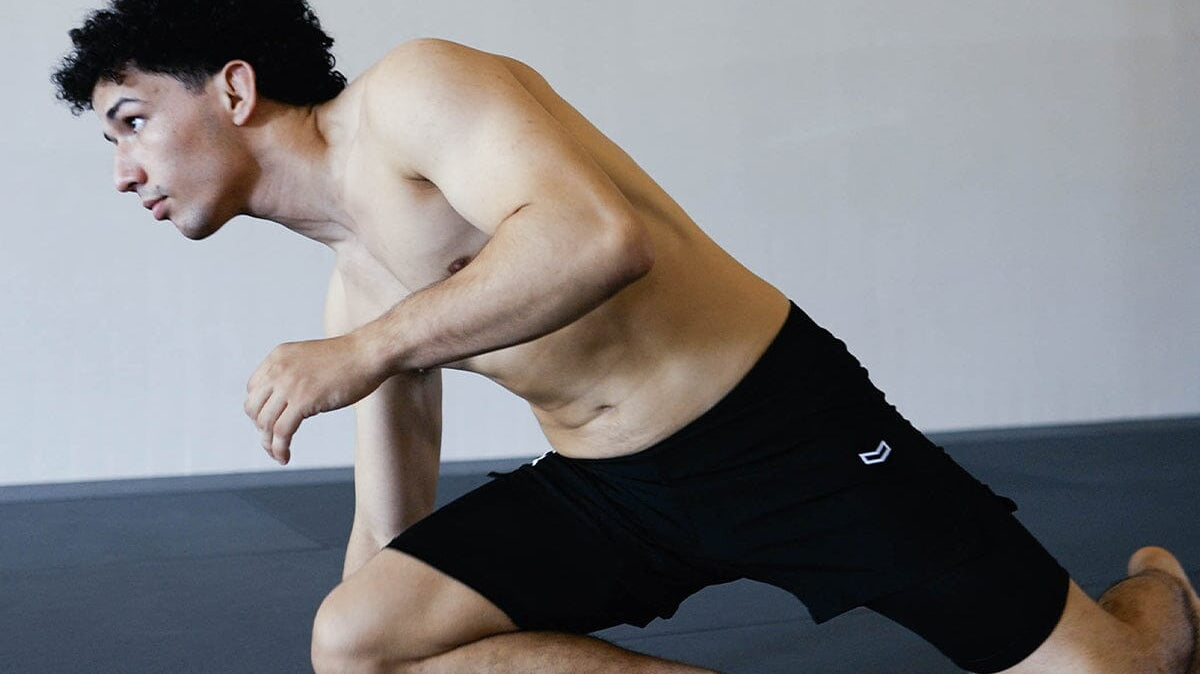
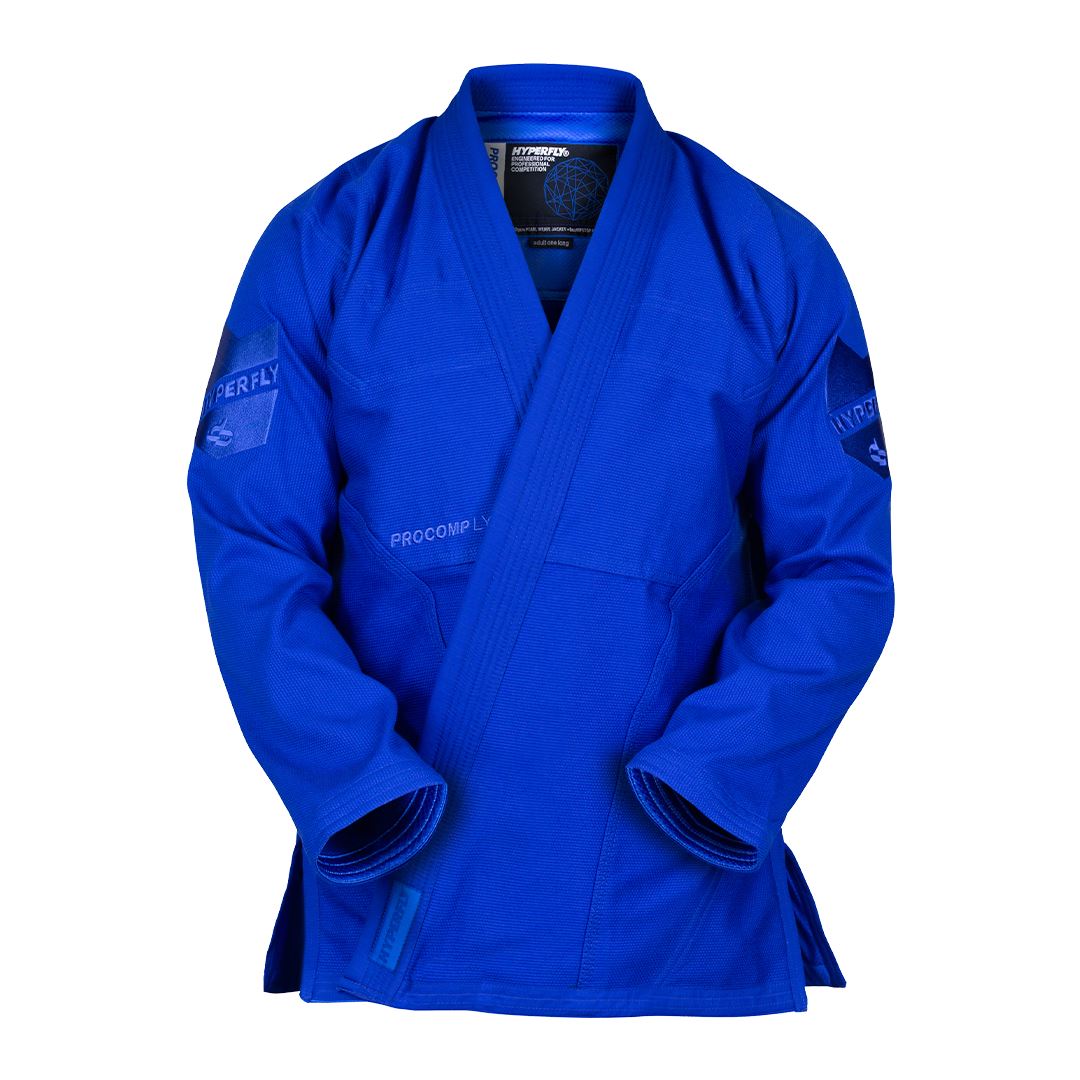
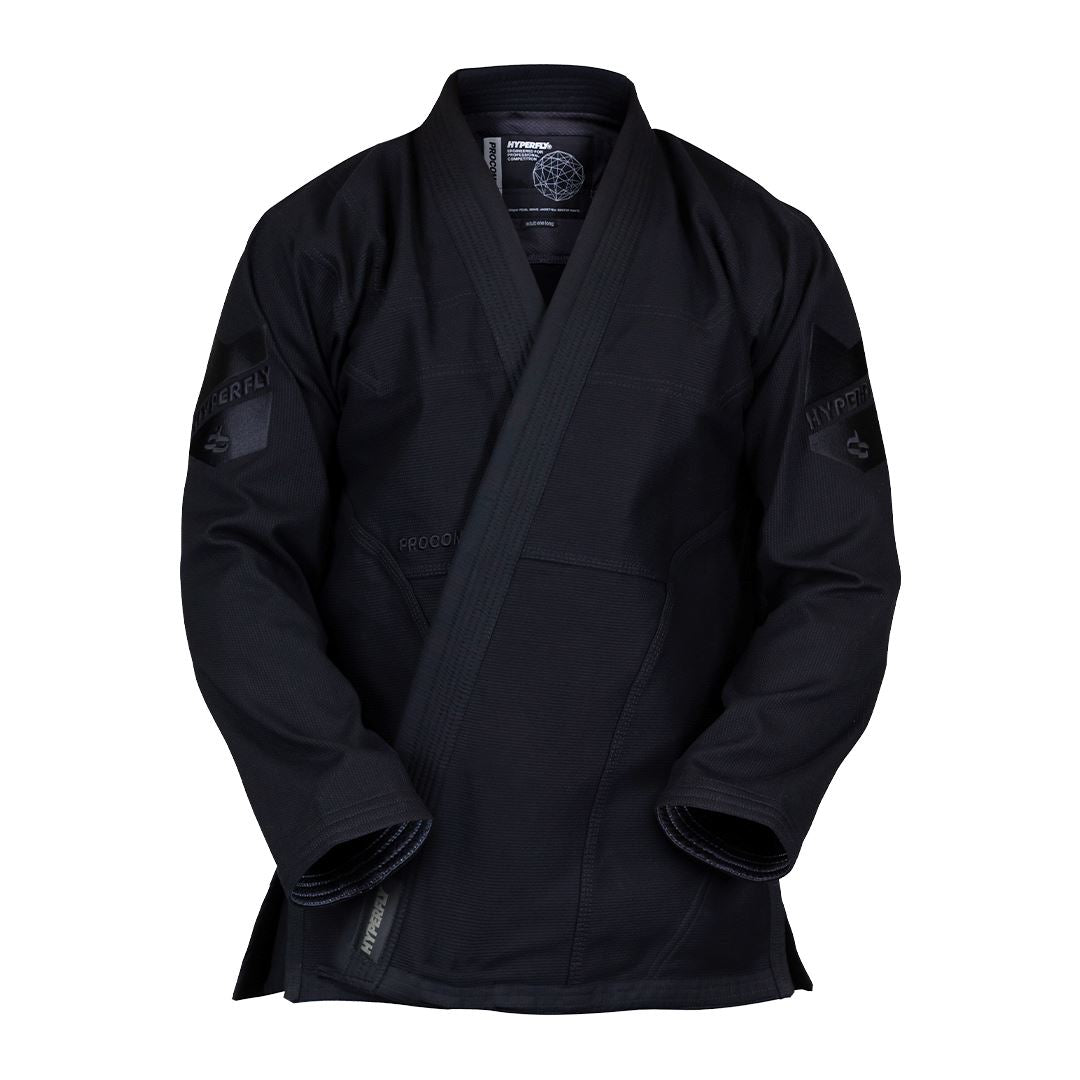
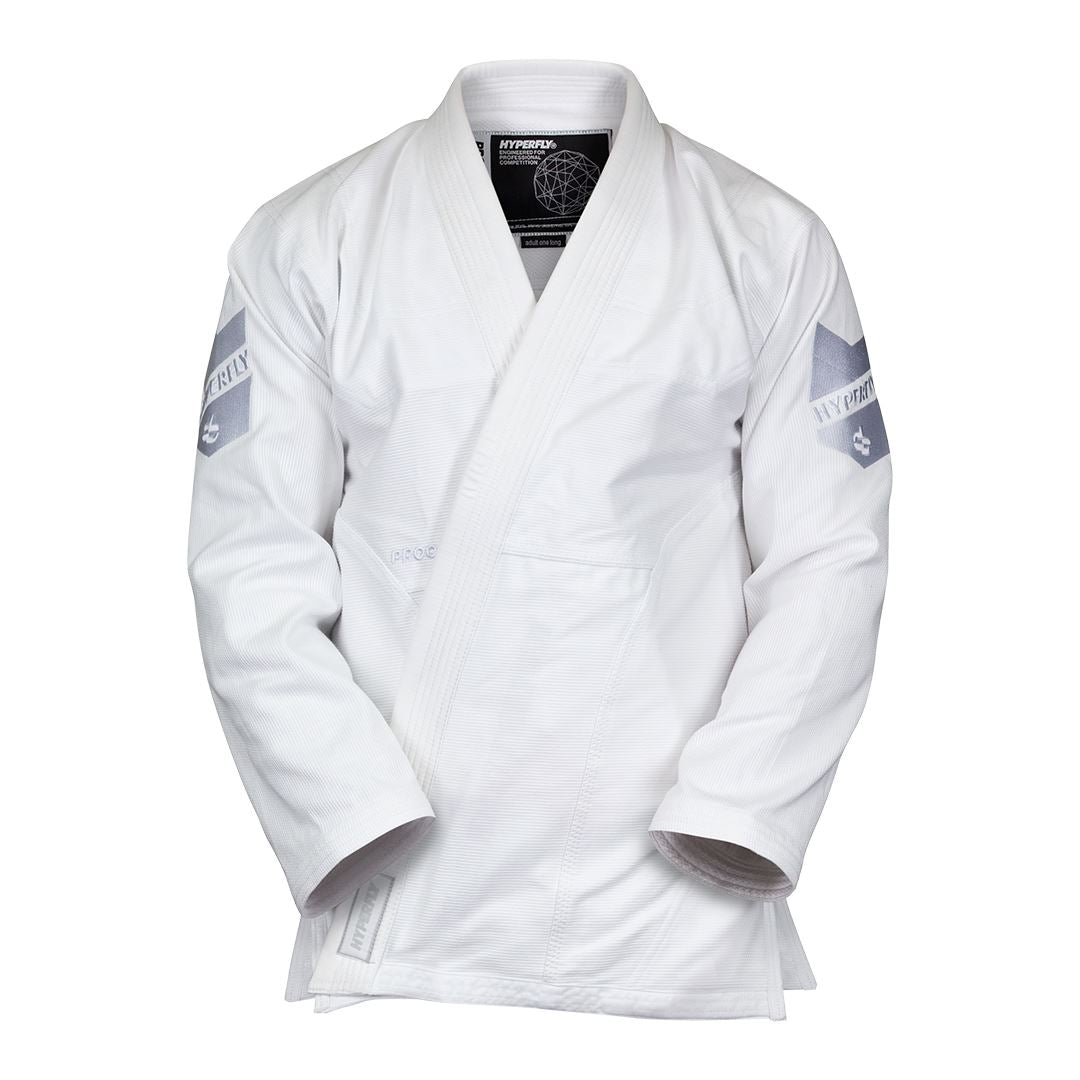
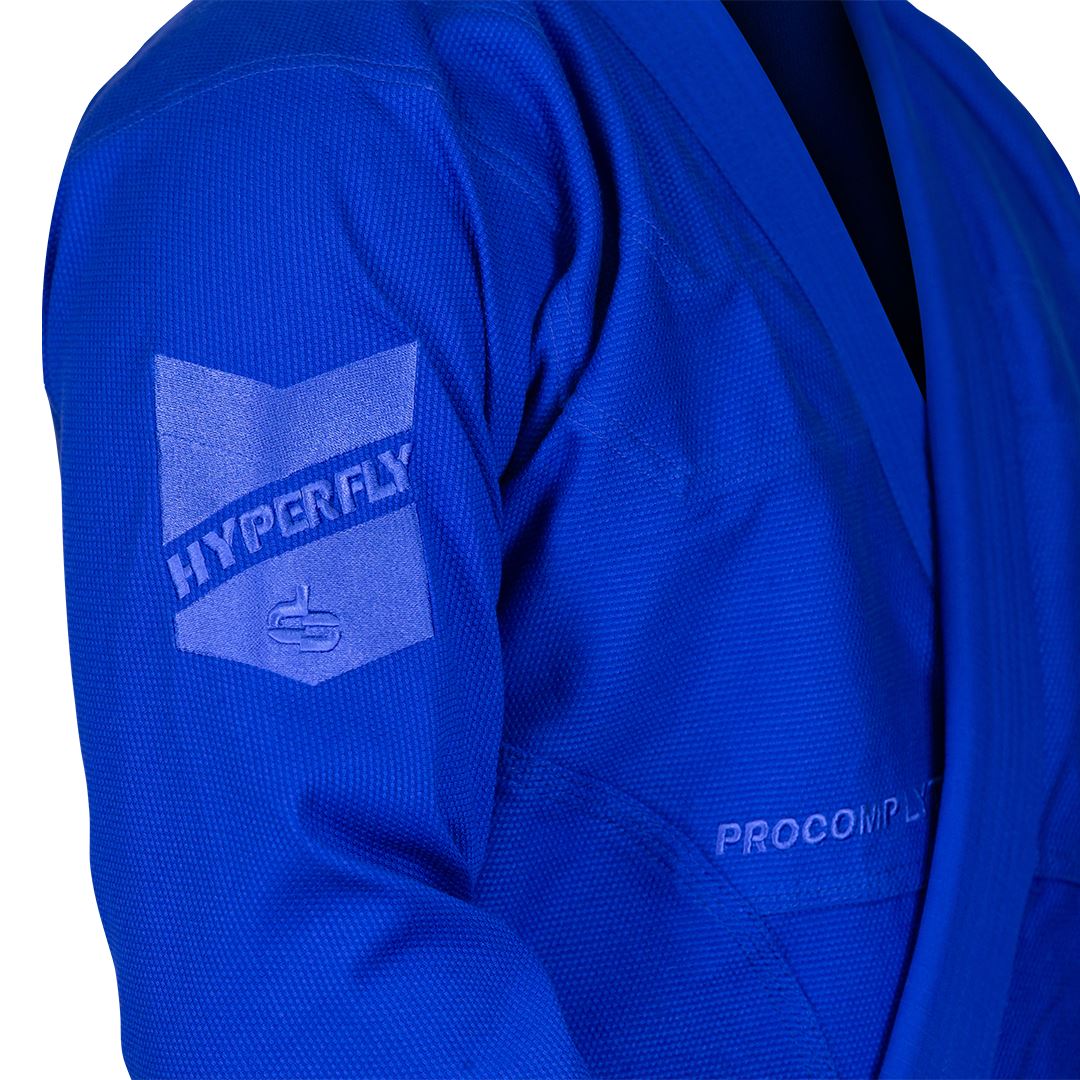
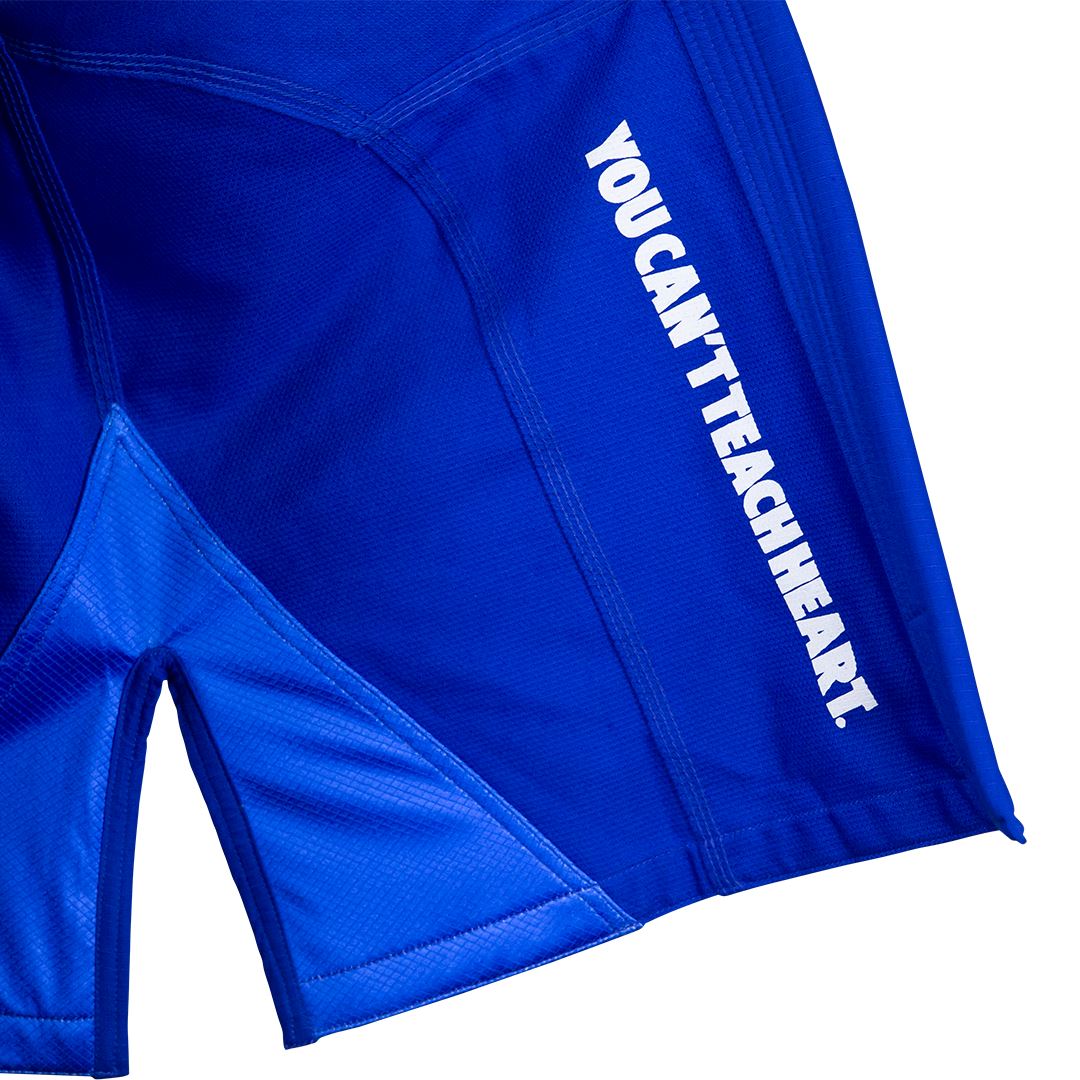
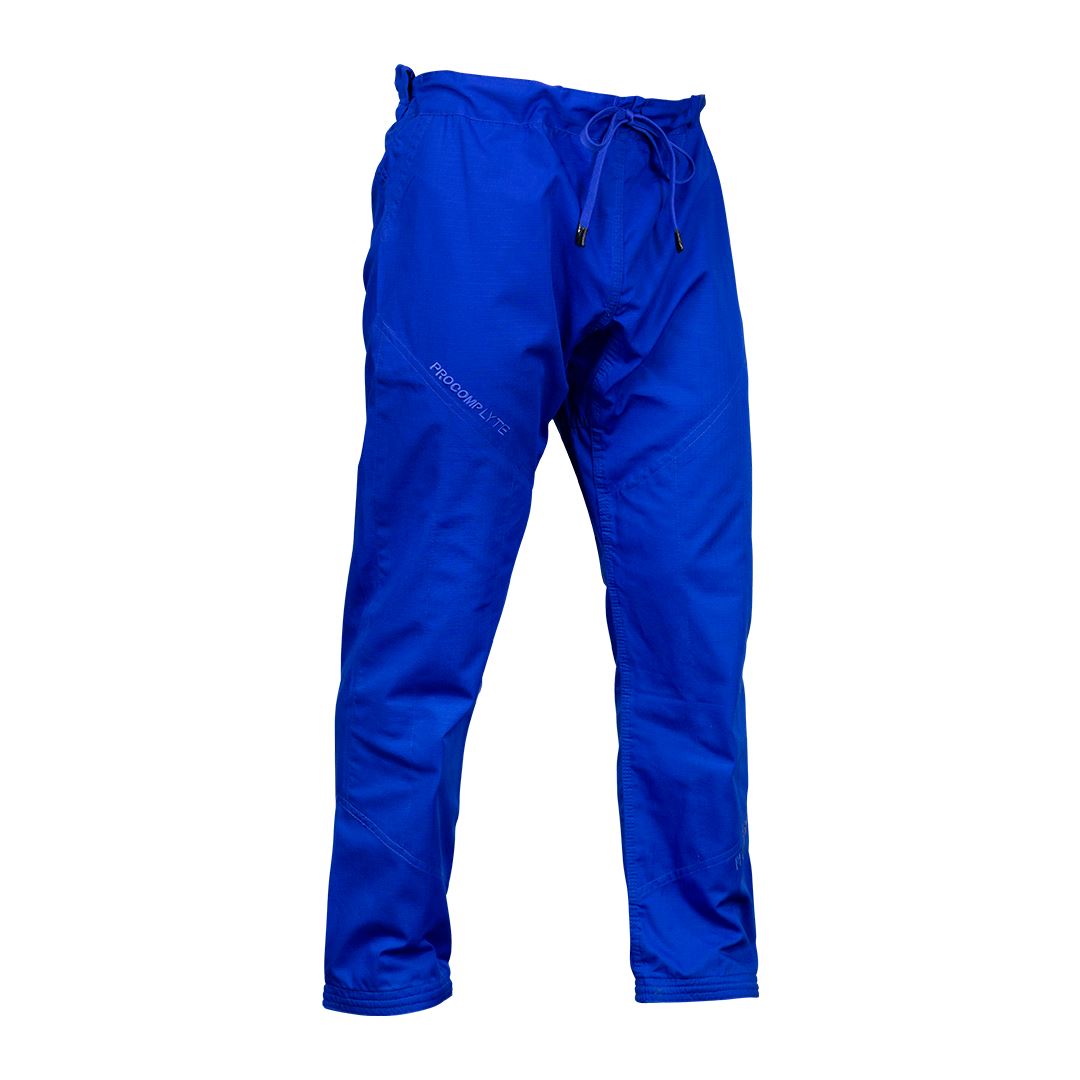
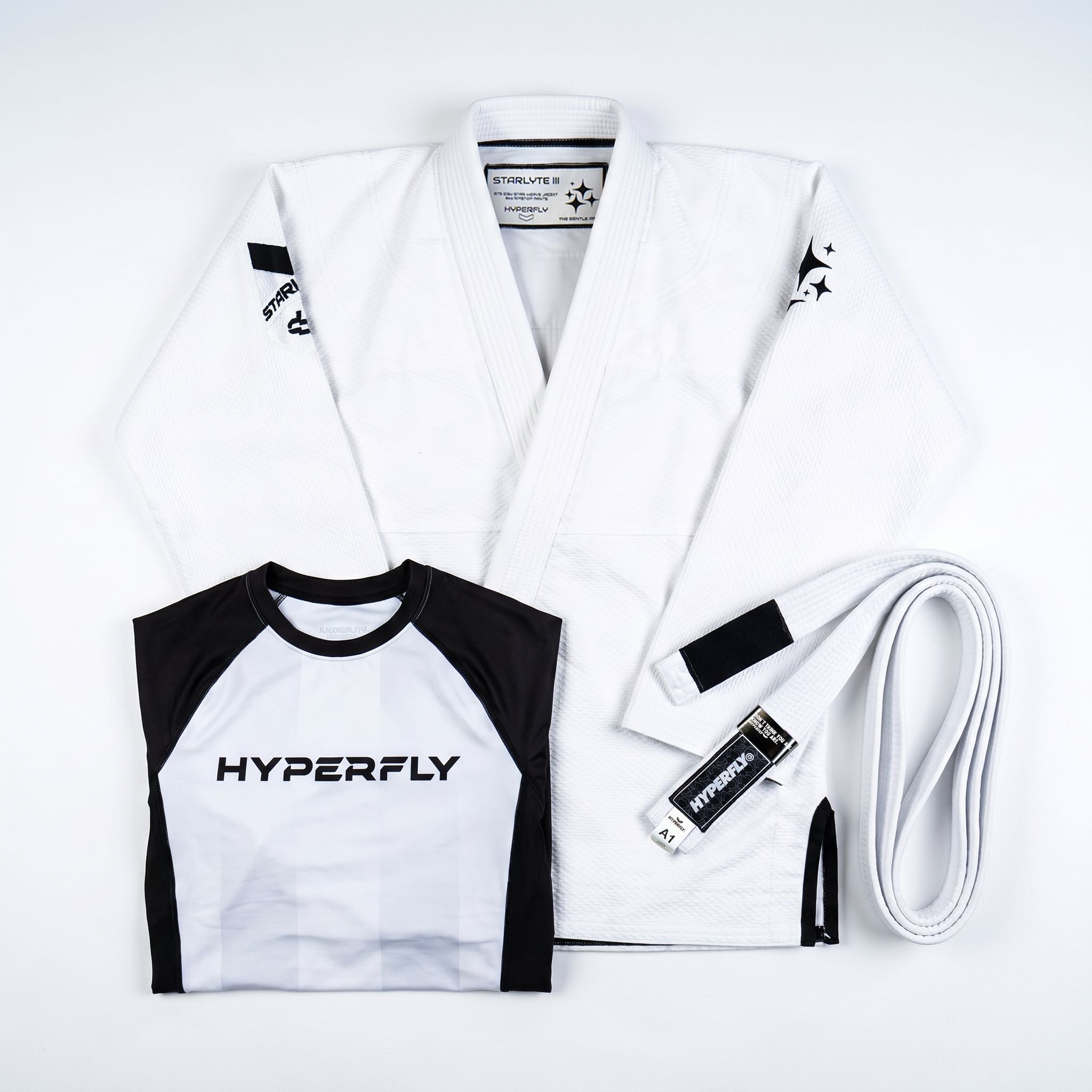
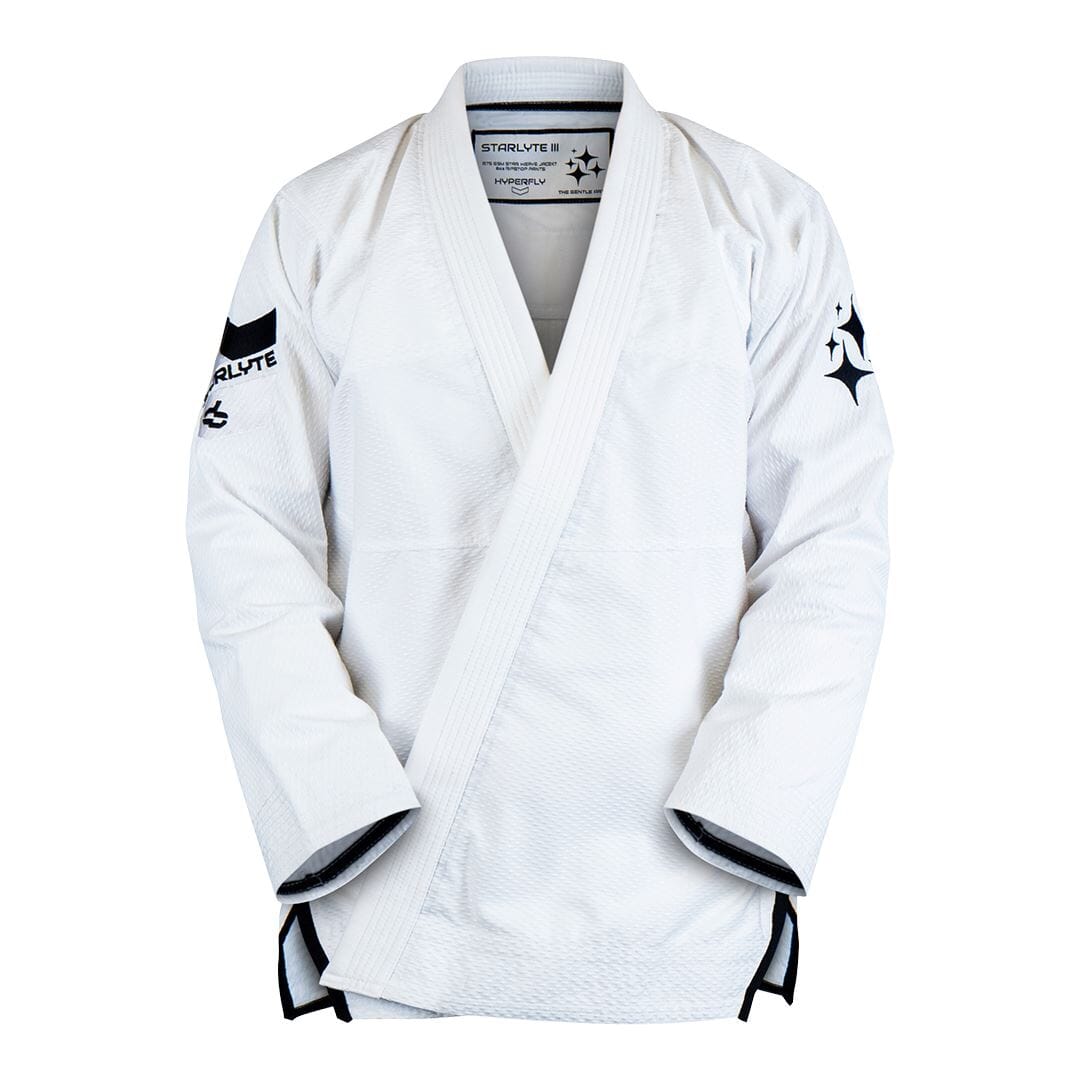
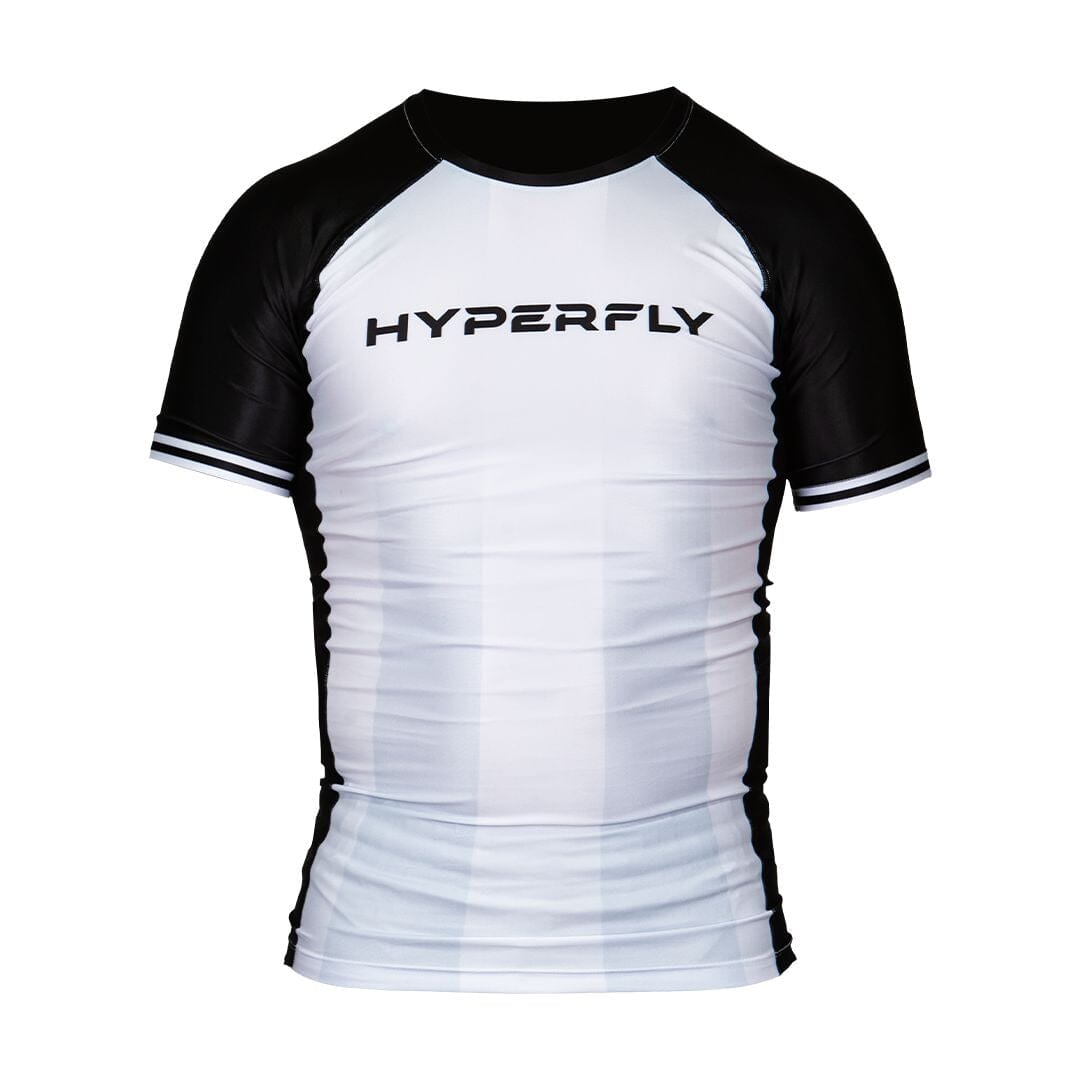
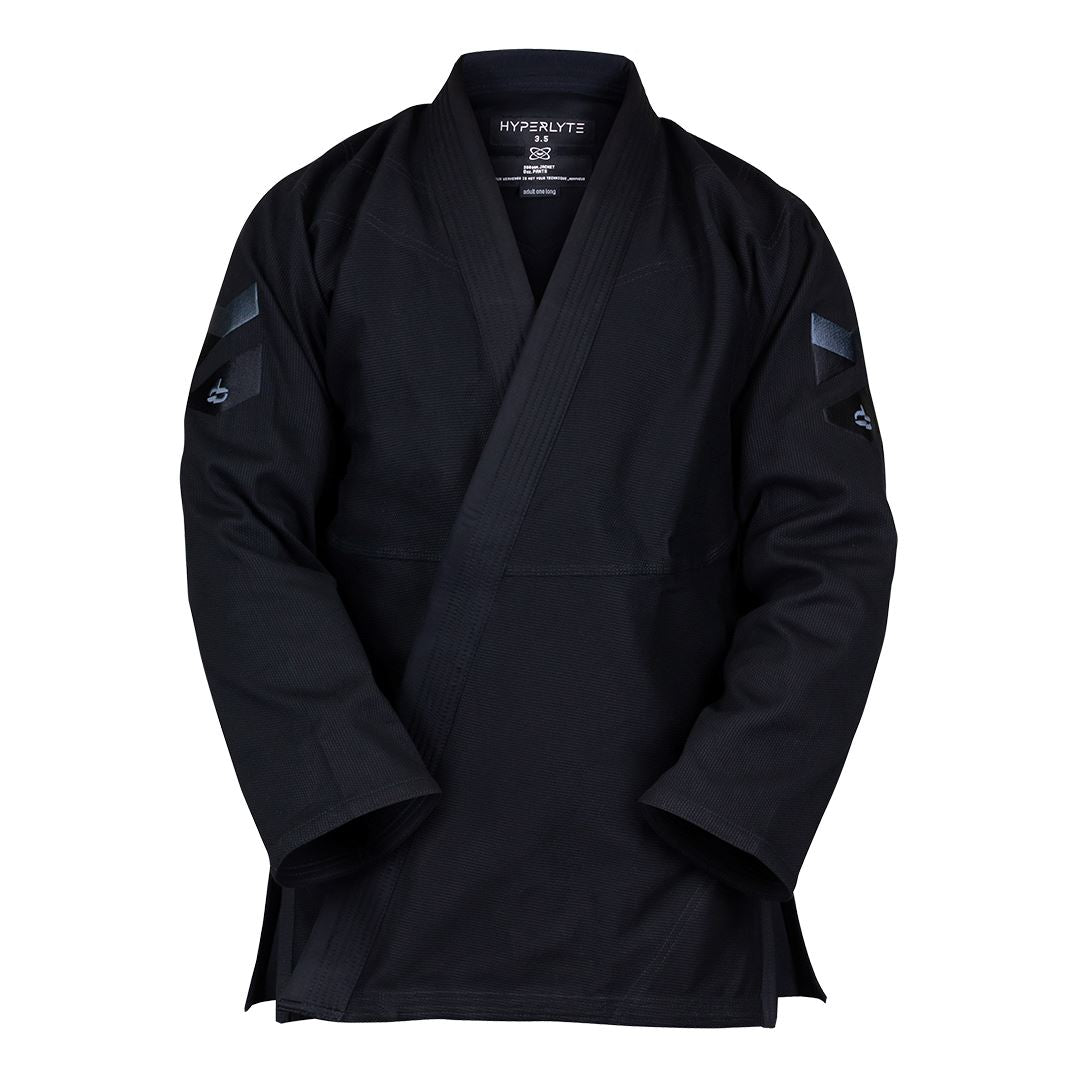
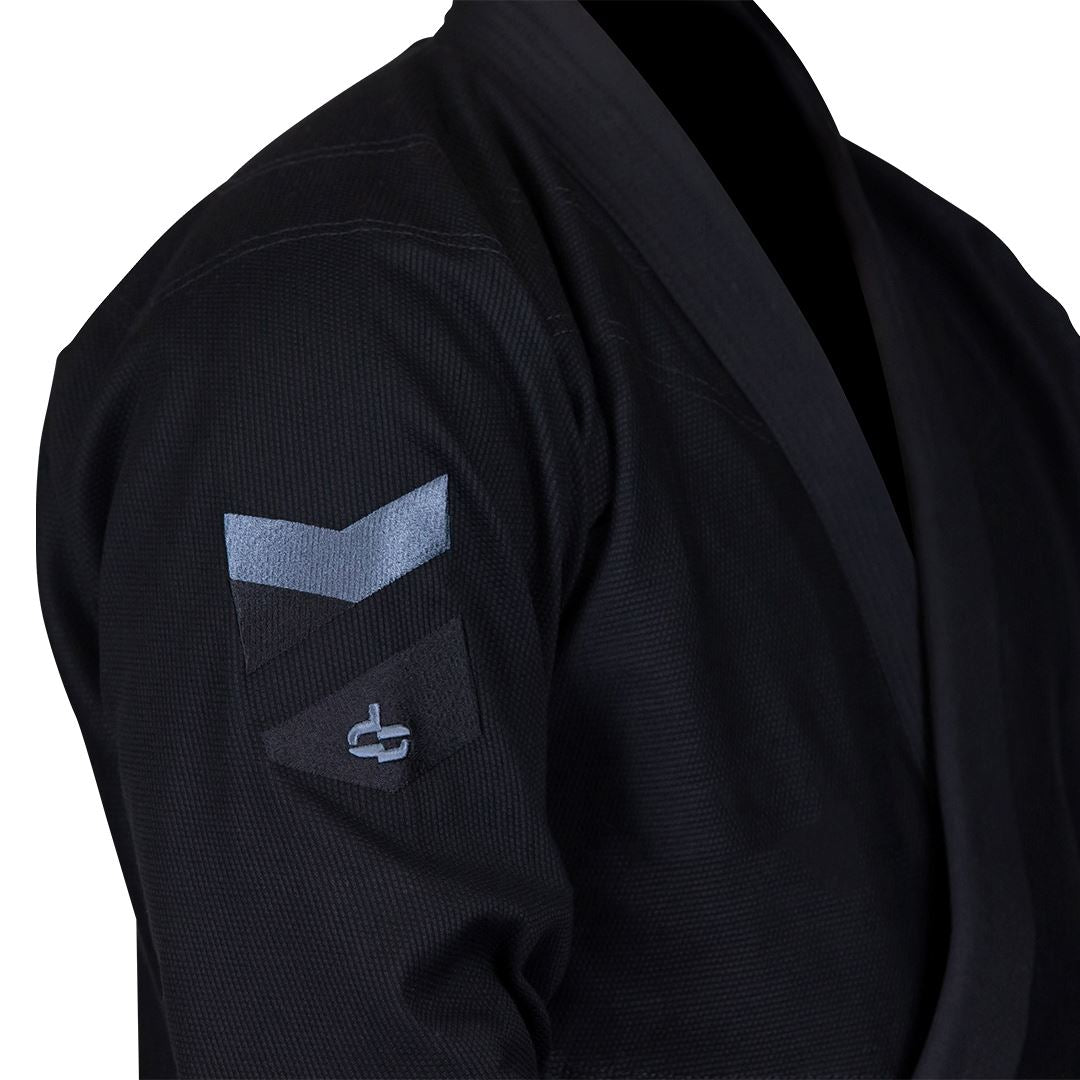
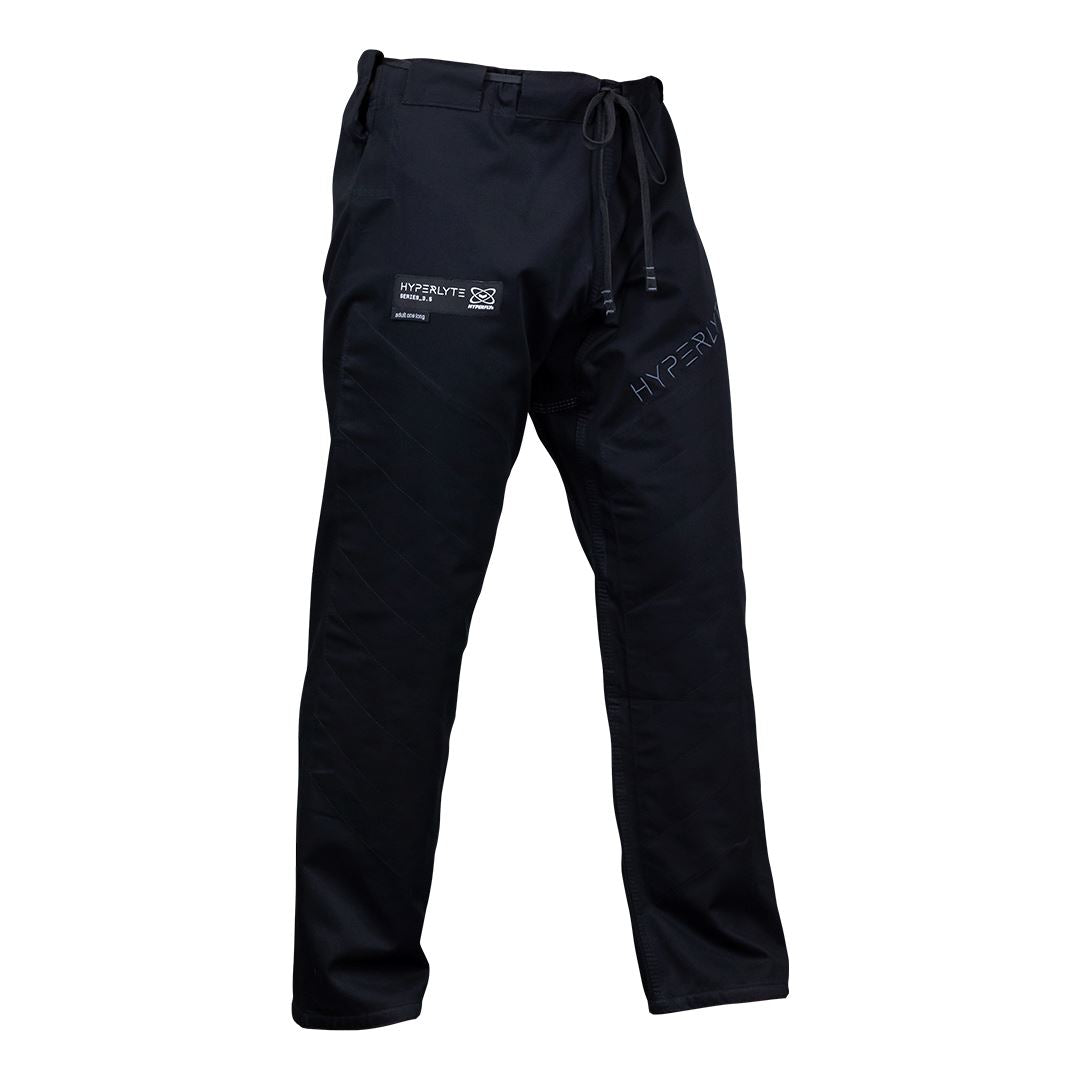
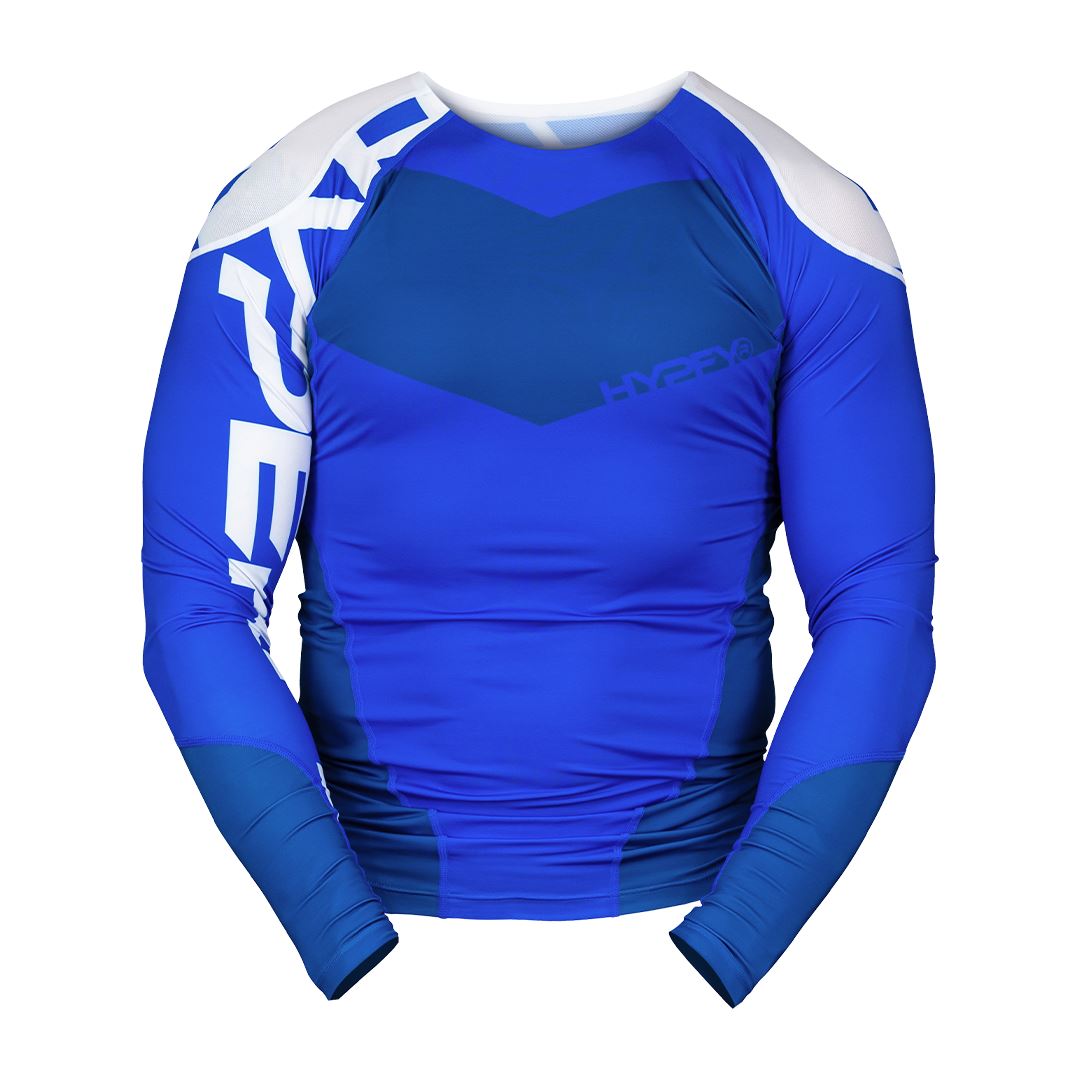
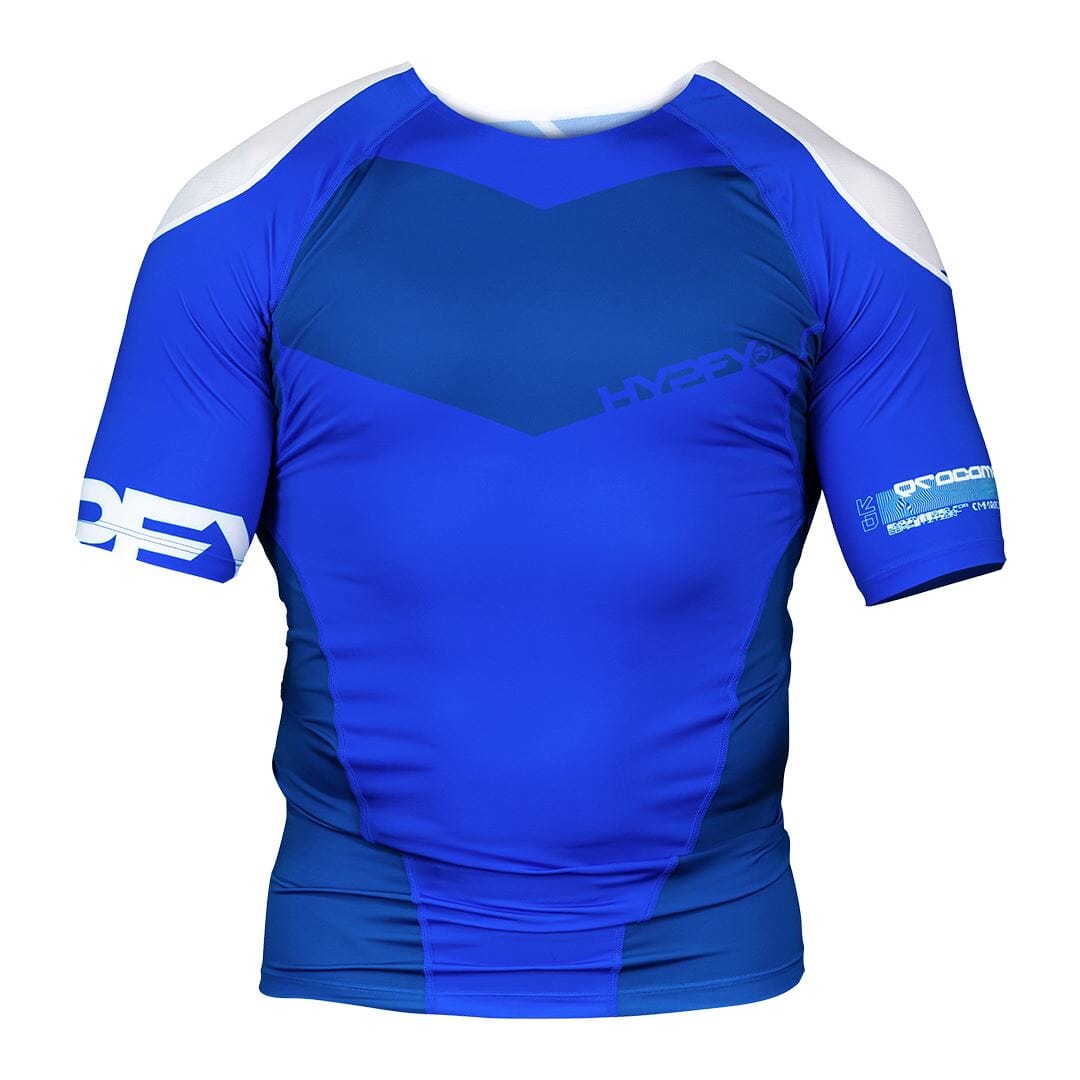
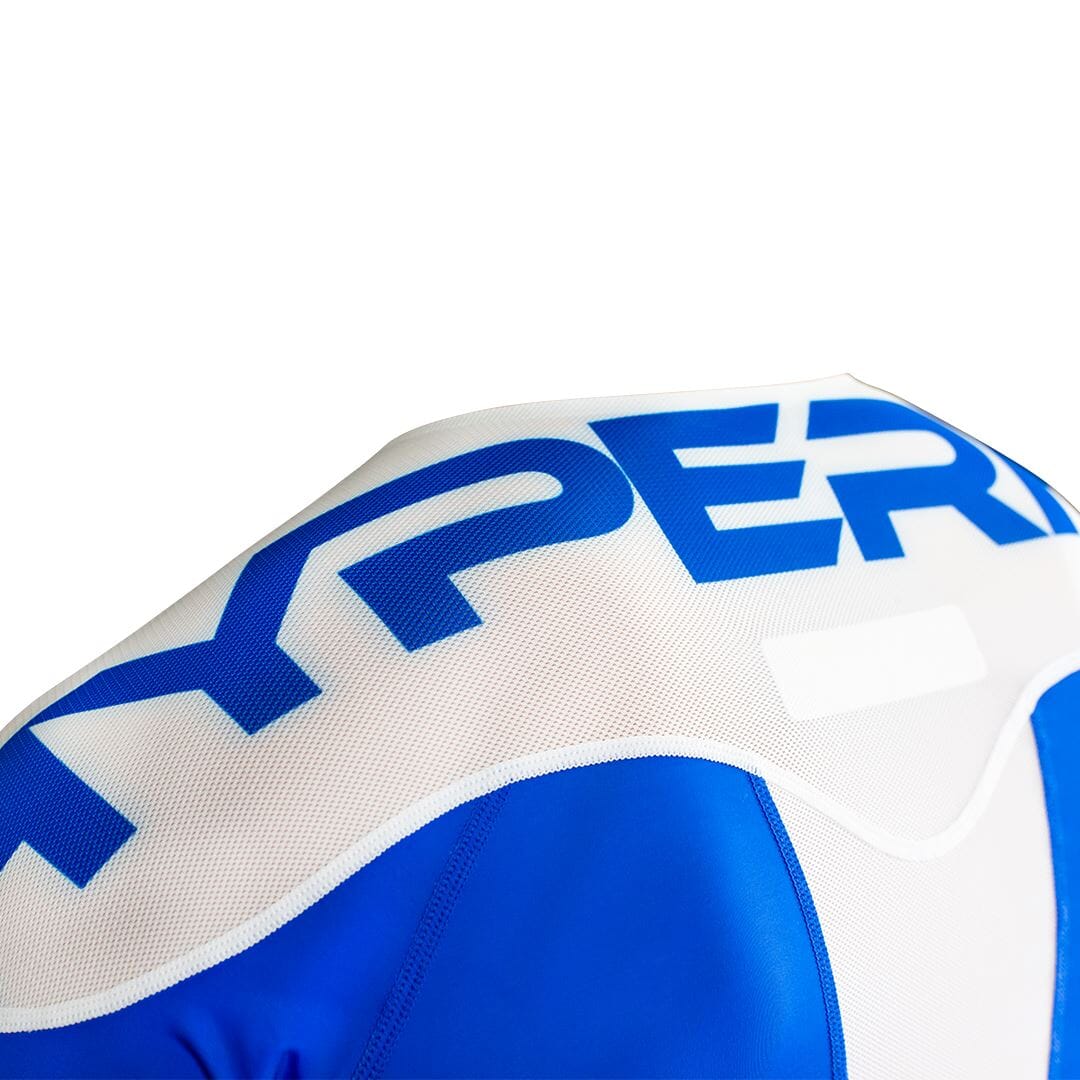
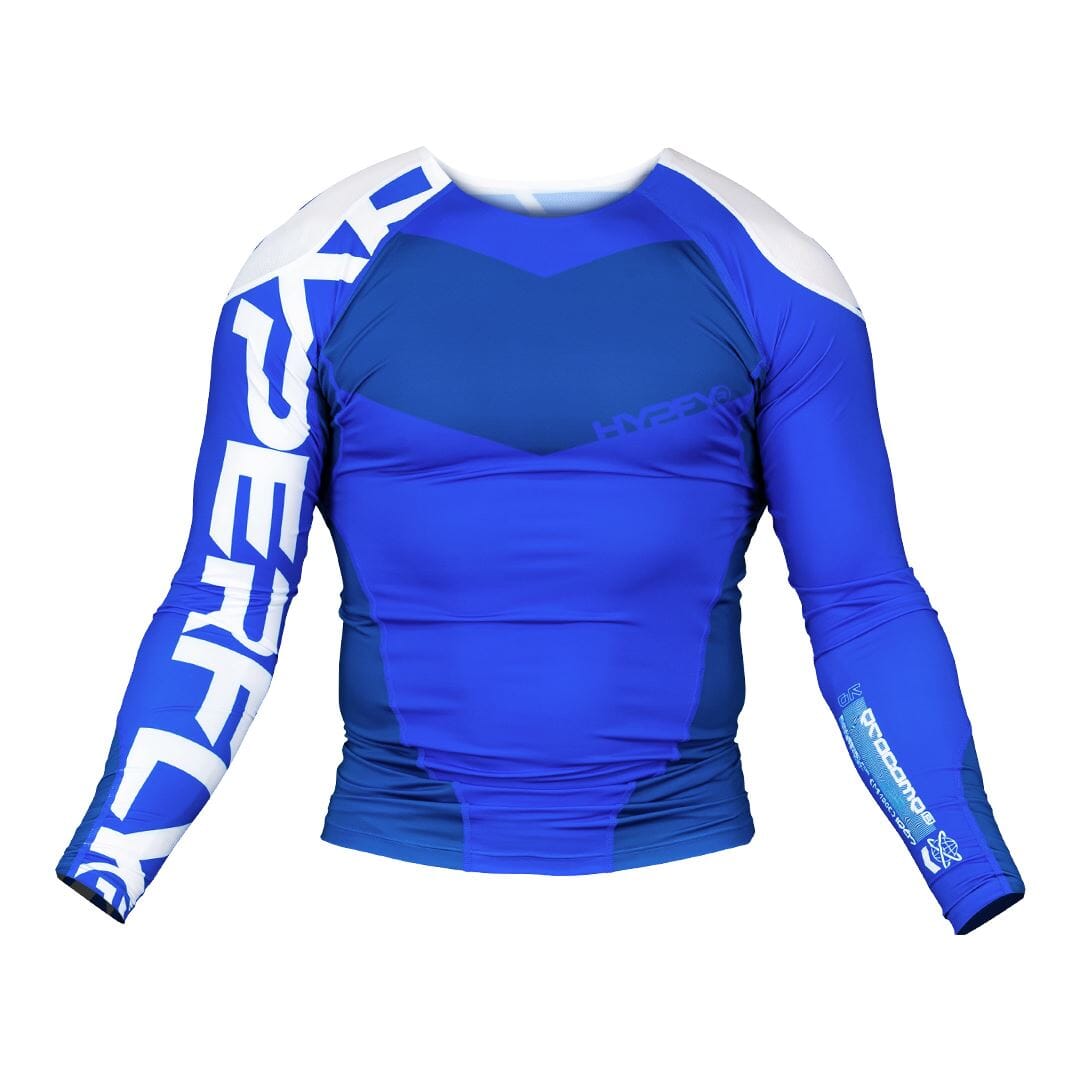
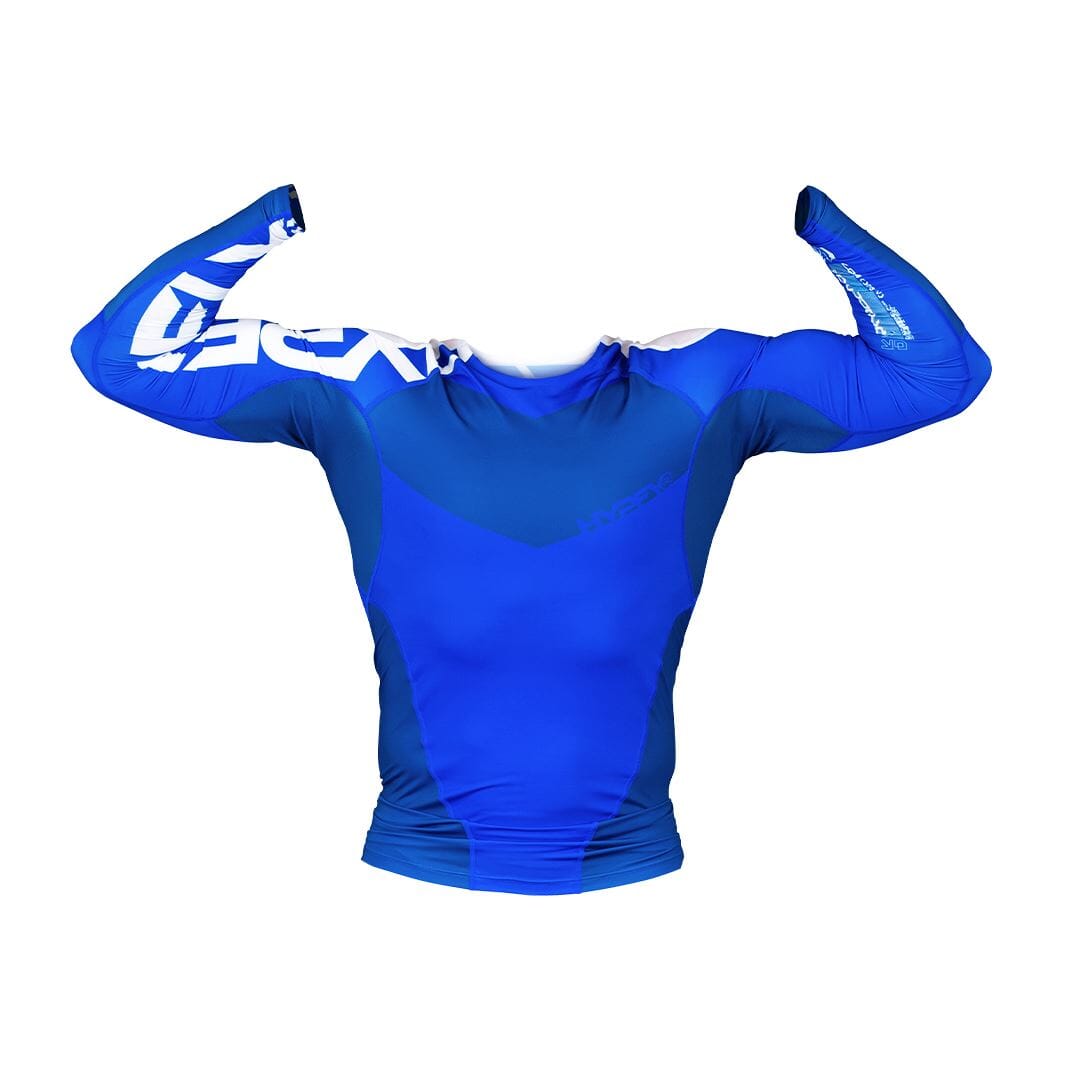
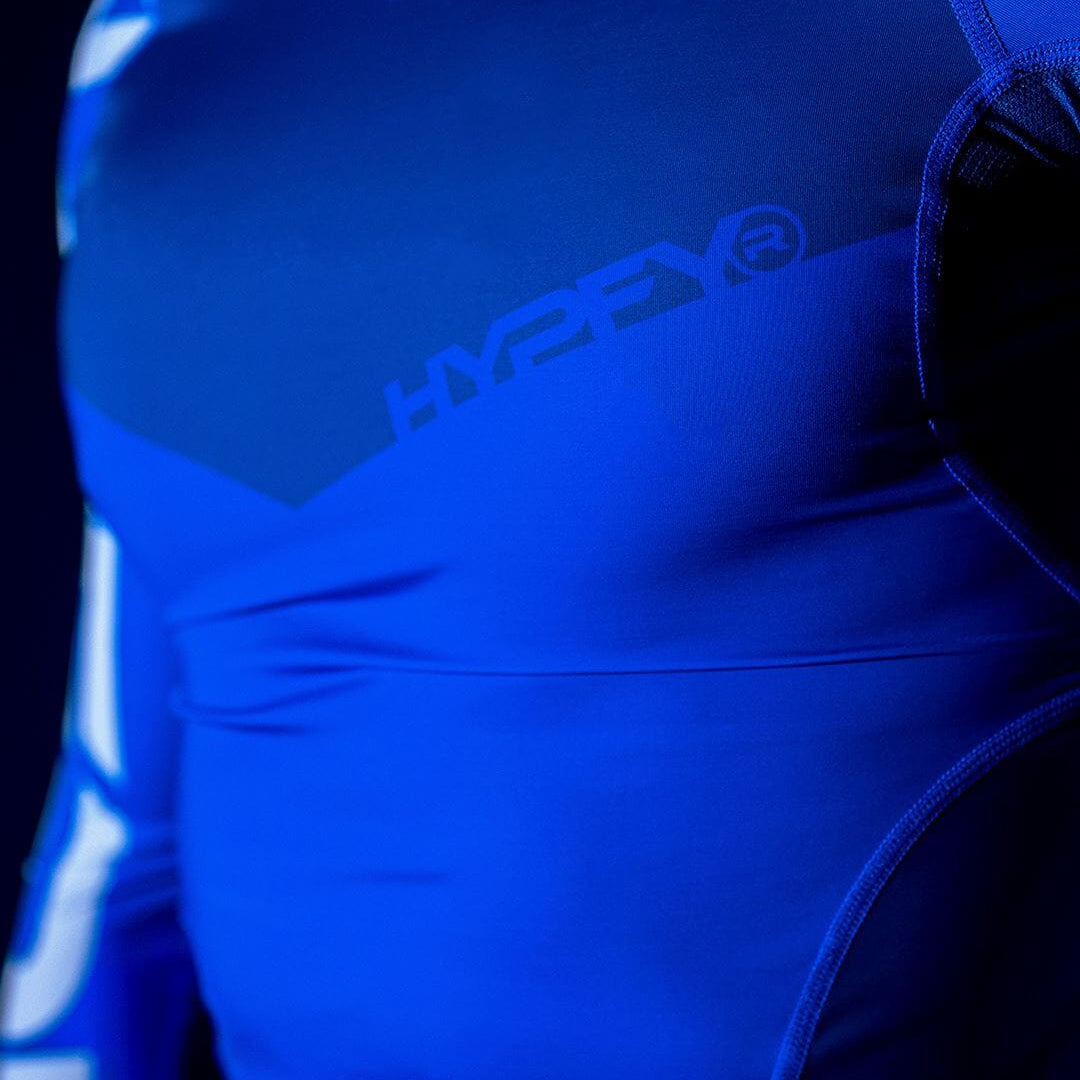
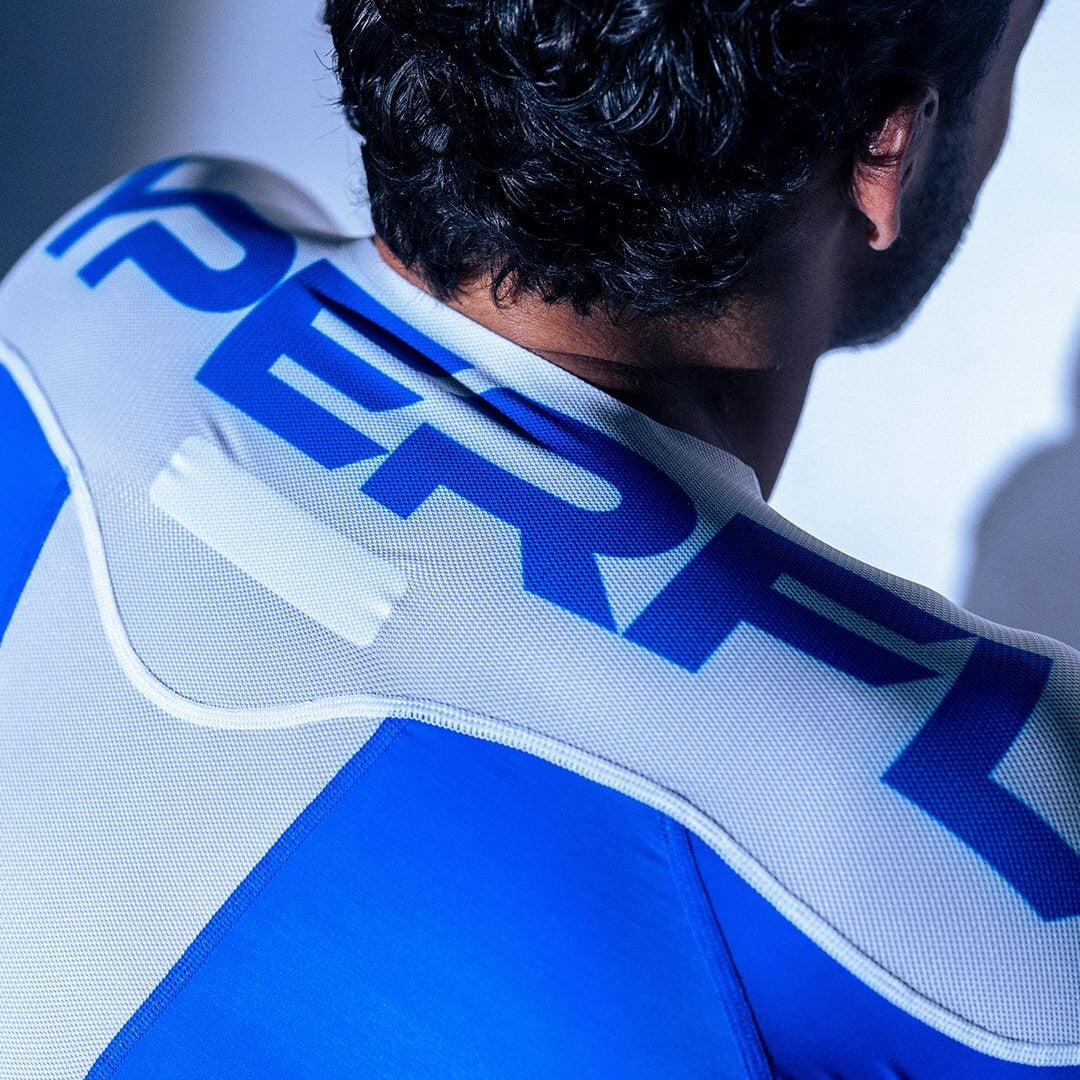
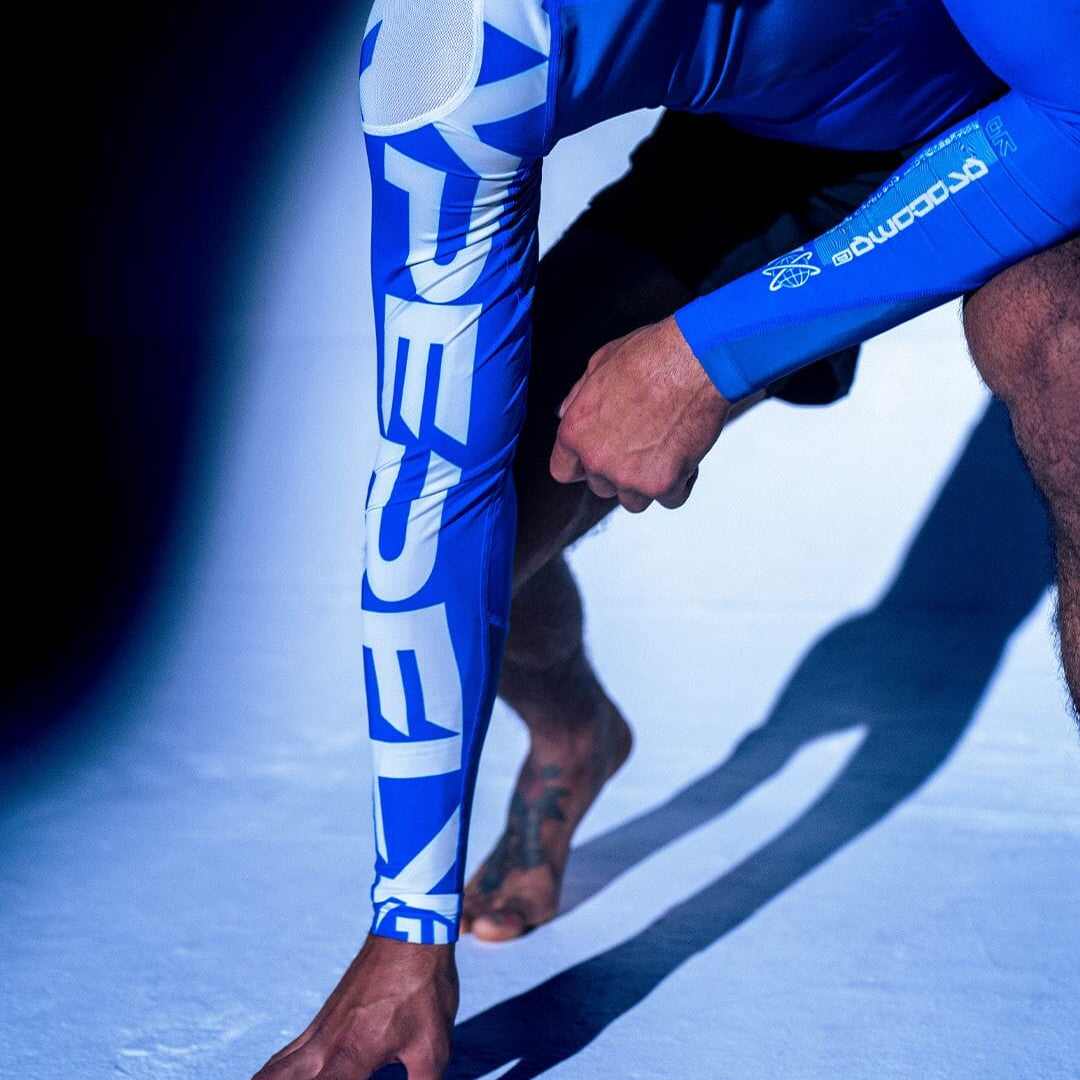
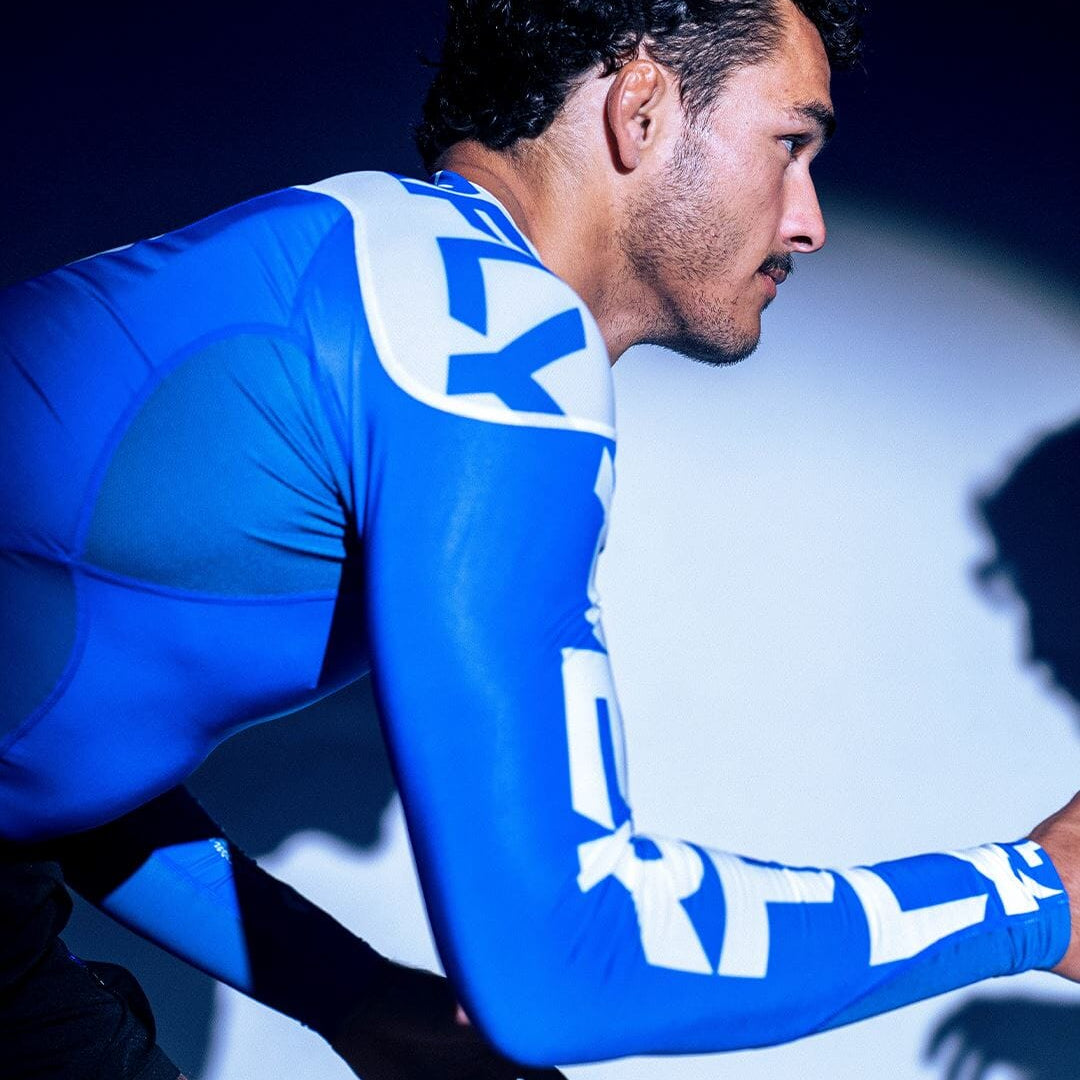
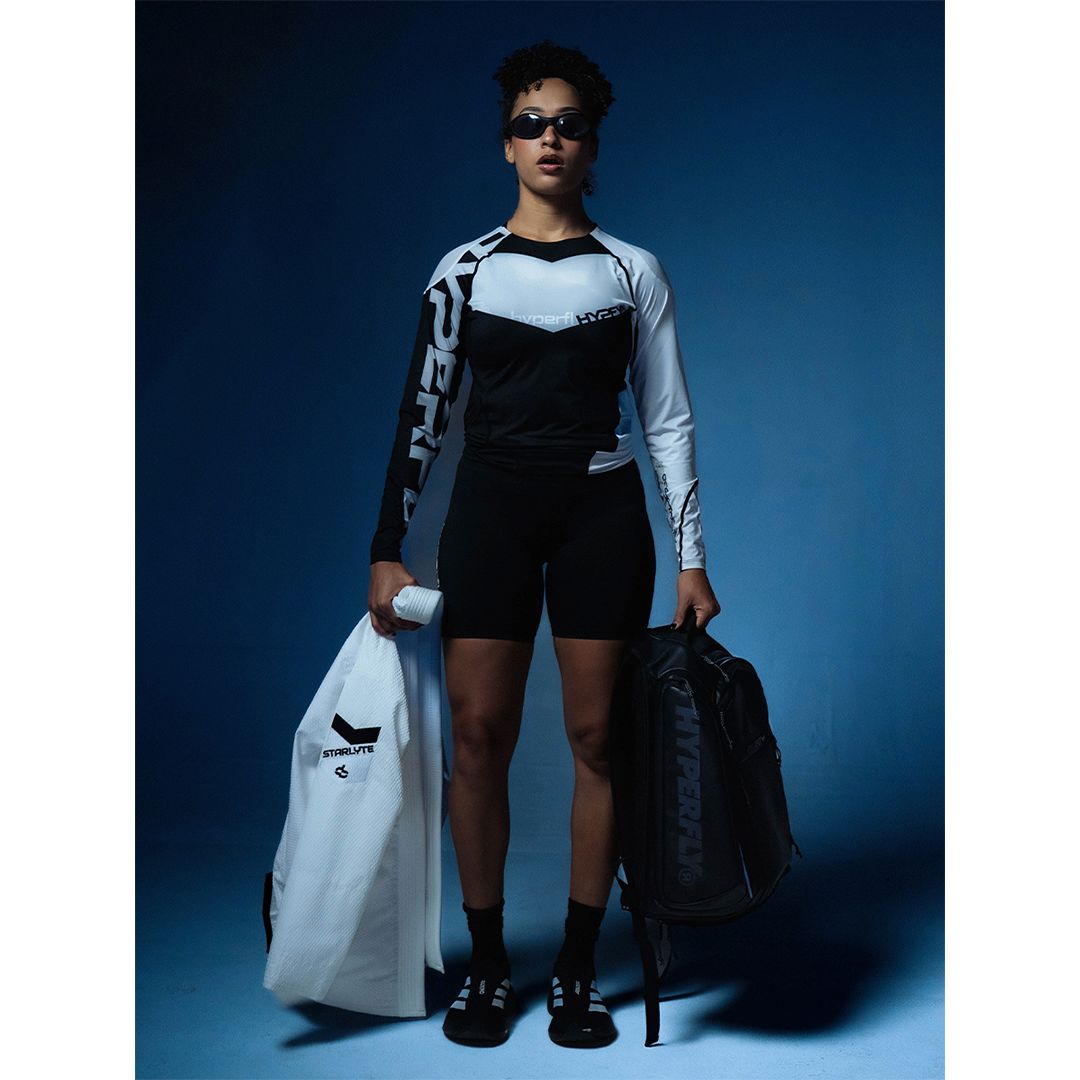
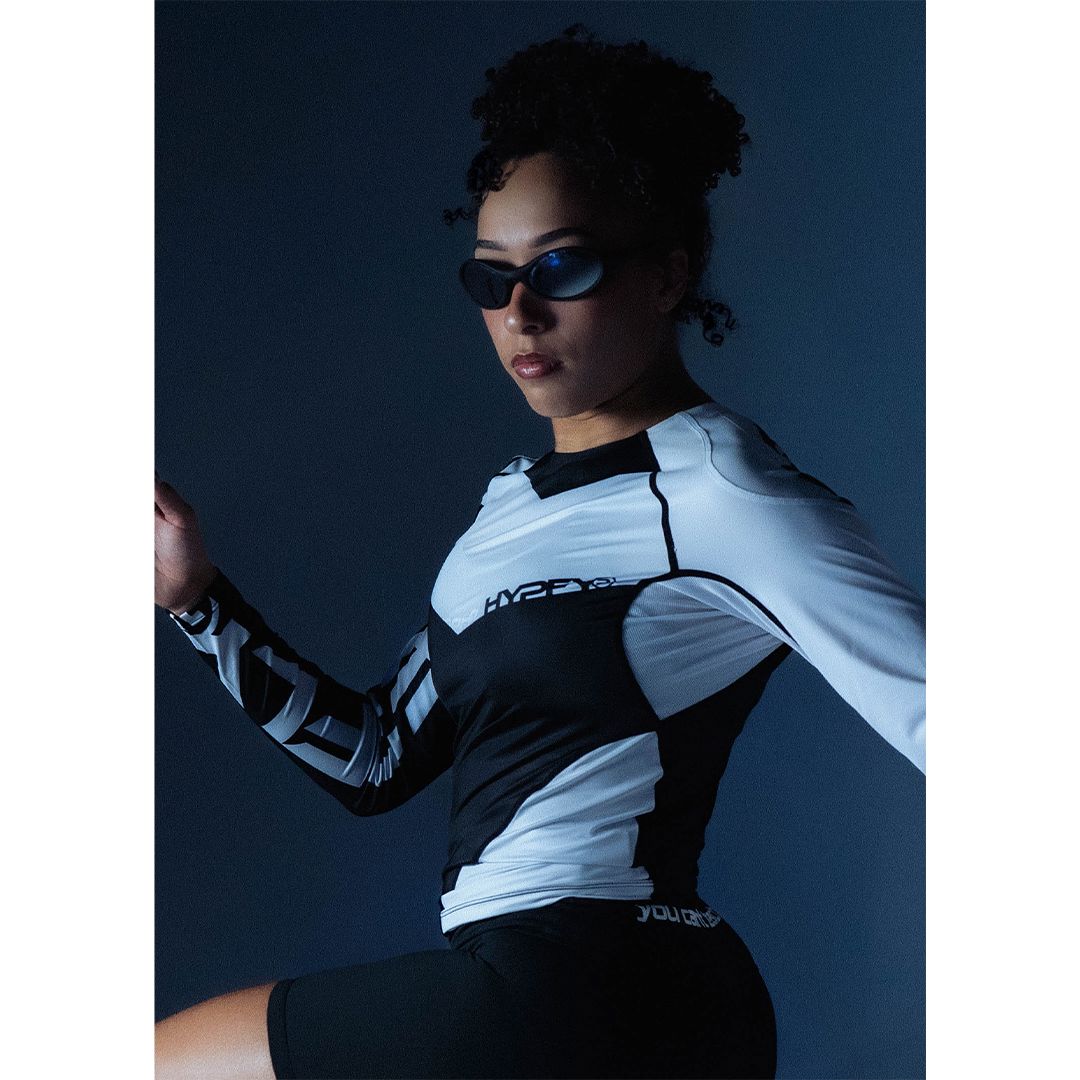
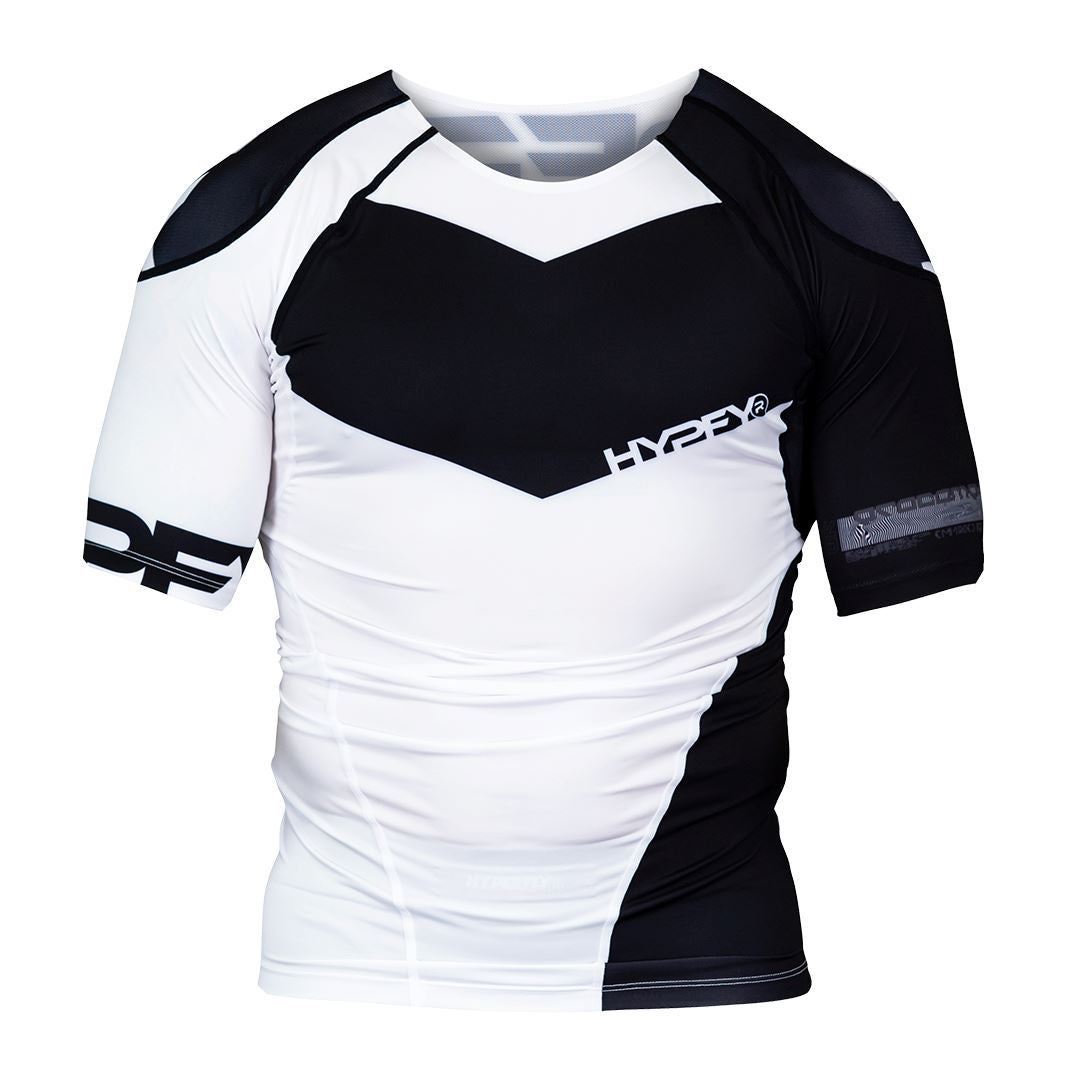
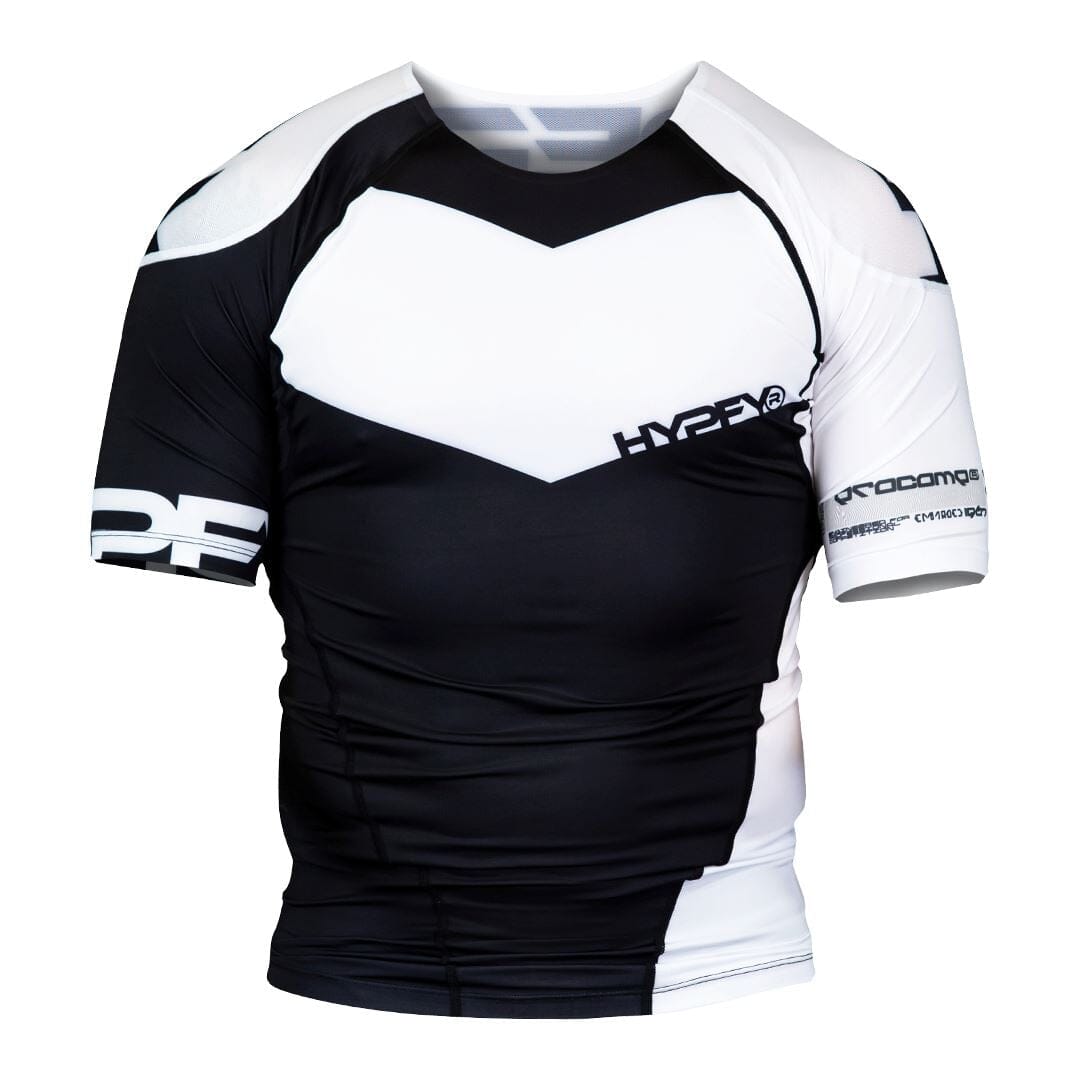
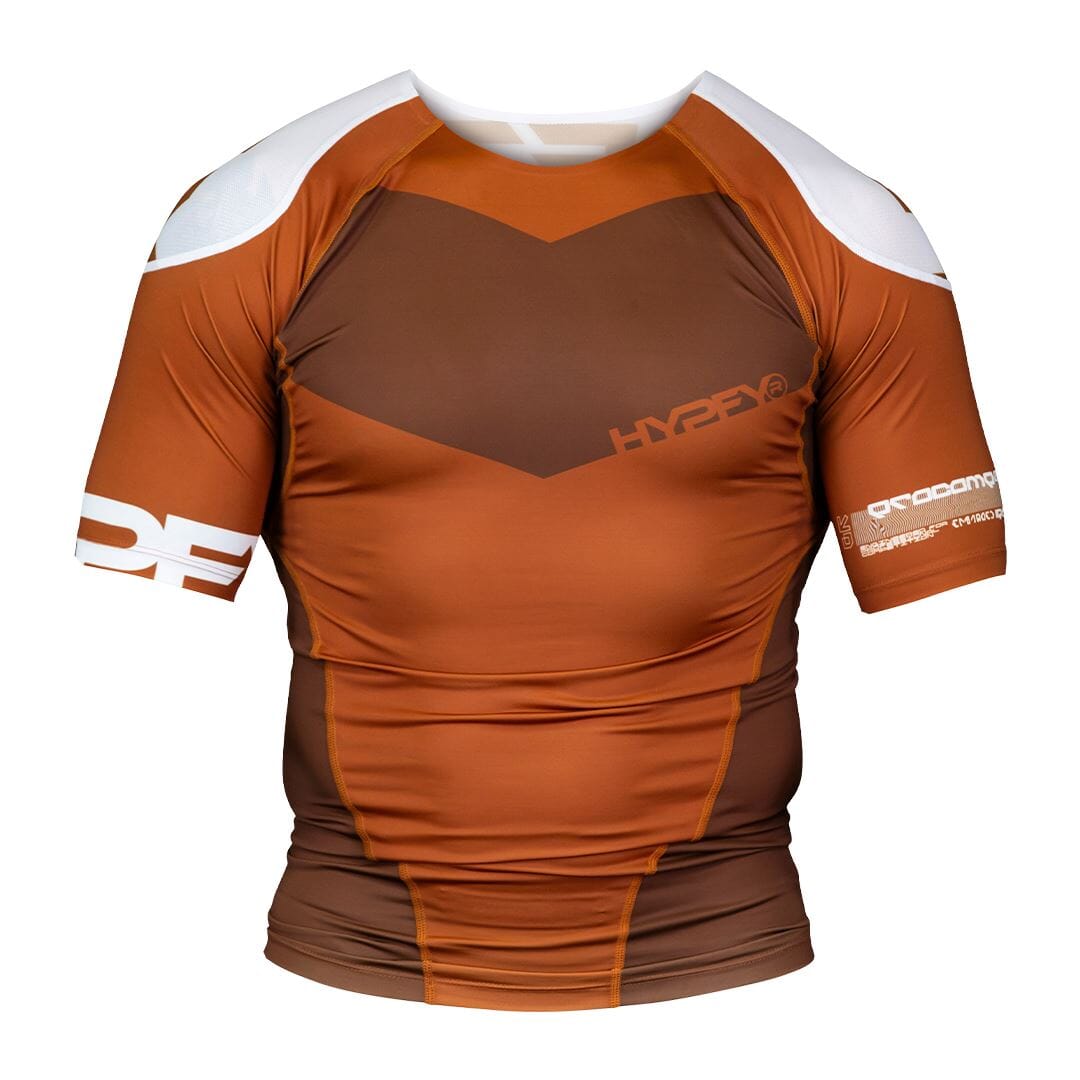
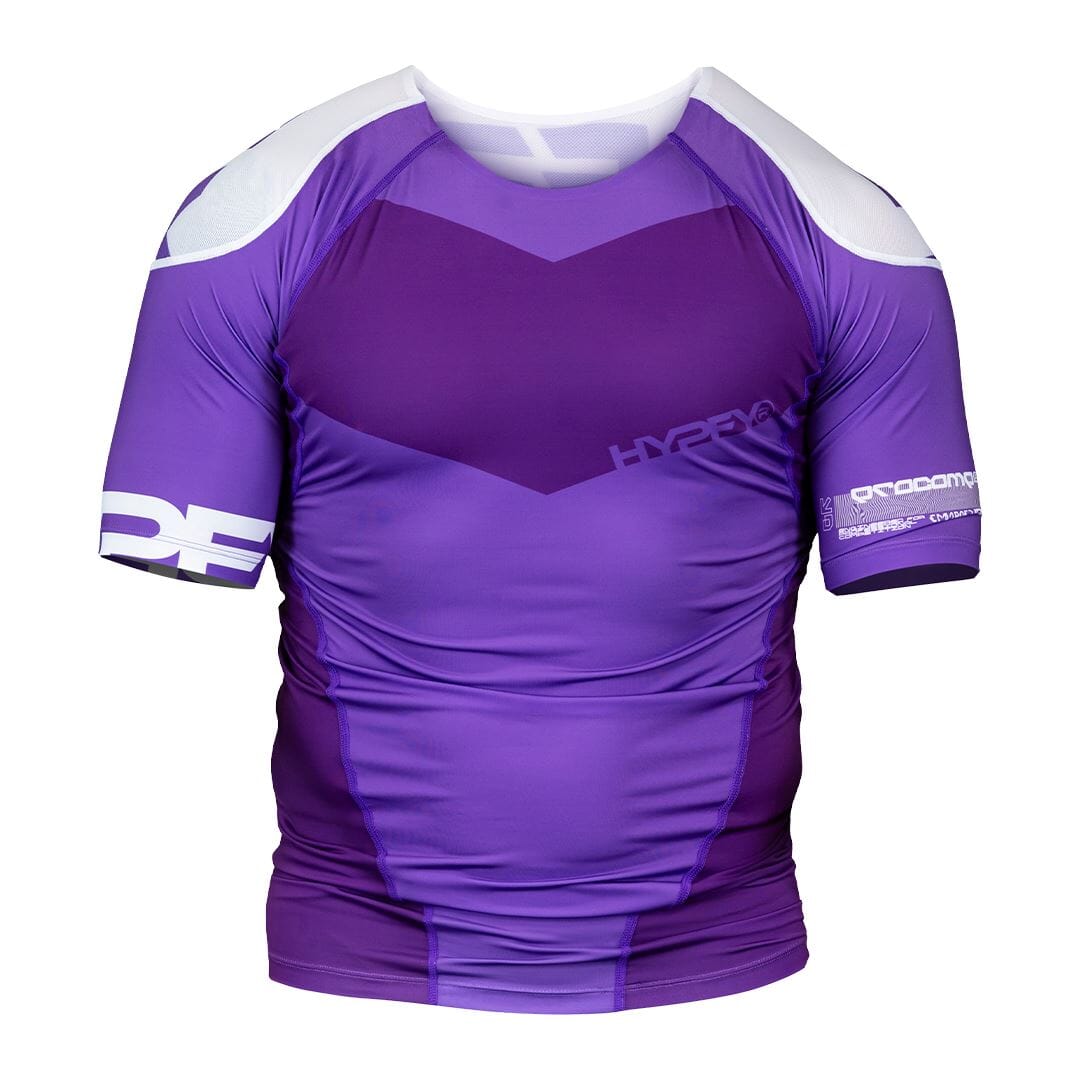
And there's gear discomfort. This is the most preventable kind, and the one people weirdly tolerate. Gi pants that limit hip mobility. A kimono that fits like a straitjacket or feels like a weighted blanket. A rashguard that reveals more about your midsection than you want to share. A collar so stiff it feels like there's a yoga mat against your neck. This discomfort has nothing to do with Jiu-Jitsu and everything to do with choosing the wrong equipment.
The Discomfort You Don't Need
Here's the thing: you don't need all this discomfort at once. Jiu-Jitsu gives you plenty to work with. The productive discomfort that teaches you to stay calm, breathe, and solve problems under pressure is built into the sport. The rest? Optional. Avoidable. Fixable. Let's look at the productive kind using neuroscience.
The Neuroscience of Staying Functional
"Comfortable being uncomfortable" has your brain and body running a full biochemical negotiation every time you're under pressure. Discomfort is more than a feeling. It's a physiological state, and your ability to handle it depends on how well your nervous system can regulate itself when things get sketchy.
When you're stuck under heavy pressure, mounted, or twisted into a questionable shape, your sympathetic nervous system (SNS) fires first. That's your fight-flight-freeze wiring. Your body floods with adrenaline, your heart rate spikes, your breathing gets tight, and you are convinced the situation is more dangerous than it is. Your amygdala (See blog "You're Never Too Old") starts narrating worst-case scenarios, and your ability to process information short-circuits. Your diaphragm gets jumpy. Your muscles brace. The voices in your head get loud and unhelpful, so whether to fight, flee, or freeze is a crapshoot. For most people, that's when they tap.
This is the "panic" side of discomfort, and it's automatic as part of our survival instinct. Managing panic comes from activating the parasympathetic nervous system (PNS), the part that says, "Okay, yes, this is awful, but we're not dying." The PNS is where vagal tone*, controlled breathing, and cognitive clarity live. It's where your prefrontal cortex comes back on track so you can think instead of spaz out. Neurotransmitters like GABA help quiet the alarm bells. Serotonin helps stabilize mood and perception. Even dopamine plays a role in motivation and problem-solving under pressure.
*Vagal tone is like your brake pedal for the vagus nerve that runs from your brainstem (where your primitive life functions originate) through your neck, heart, lungs, and intestines. High vagal tone can quickly slow your heart rate and return you to a calmer state.

Training the Functional Side
This is the "functional" side of discomfort, and it's trainable. Every time you stay calm under pressure, you're teaching your nervous system that discomfort is survivable. You're rewiring your threat response. You build the ability to stay present instead of panicking. In a news article about a bear attack in WA state, a father battled the bear to protect his son, who was attacked first. When the bear bit the father's hand and wouldn't let go, the father used a ground-and-pound hammer elbow to the bear's snout, causing it to let go. The father then credited the BJJ classes he and his had started recently for "keeping them calm in the frightening situation." ¹
The Real Meaning of Discomfort Tolerance
That's the real meaning of discomfort tolerance -not enjoying suffering, not romanticizing it with a selfie, not treating it like a throwaway line. That is where the cliché falls apart: you don't need to be comfortable being uncomfortable. You need to be capable inside it. You need to regulate your physiology so you can solve problems instead of becoming or creating one. Jiu-Jitsu doesn't ask you to love discomfort. It asks you to navigate it. To stay present when your SNS is trying to convince you that you're moments from disaster. To keep your amygdala-prefrontal cortex pathway stable long enough to make a good decision: whether that's escaping, defending, or tapping.
Being uncomfortable isn't about becoming a martyr for pressure. It's about building the capacity to stay functional when things get messy. It's about skill, not character. And because Jiu-Jitsu already gives you more than enough discomfort to work with, you don't need to manufacture extra suffering. Not in your training environment. Not in your mindset. And definitely not in your gear.
There's plenty of discomfort in this sport. Your Gi doesn't need to be one of them.
Shop Our Gear
Sources
- Uyehara K. Boy, father fight off bear attack in Bellingham. The Seattle Times. September 28, 2026. Accessed September 29, 2026.