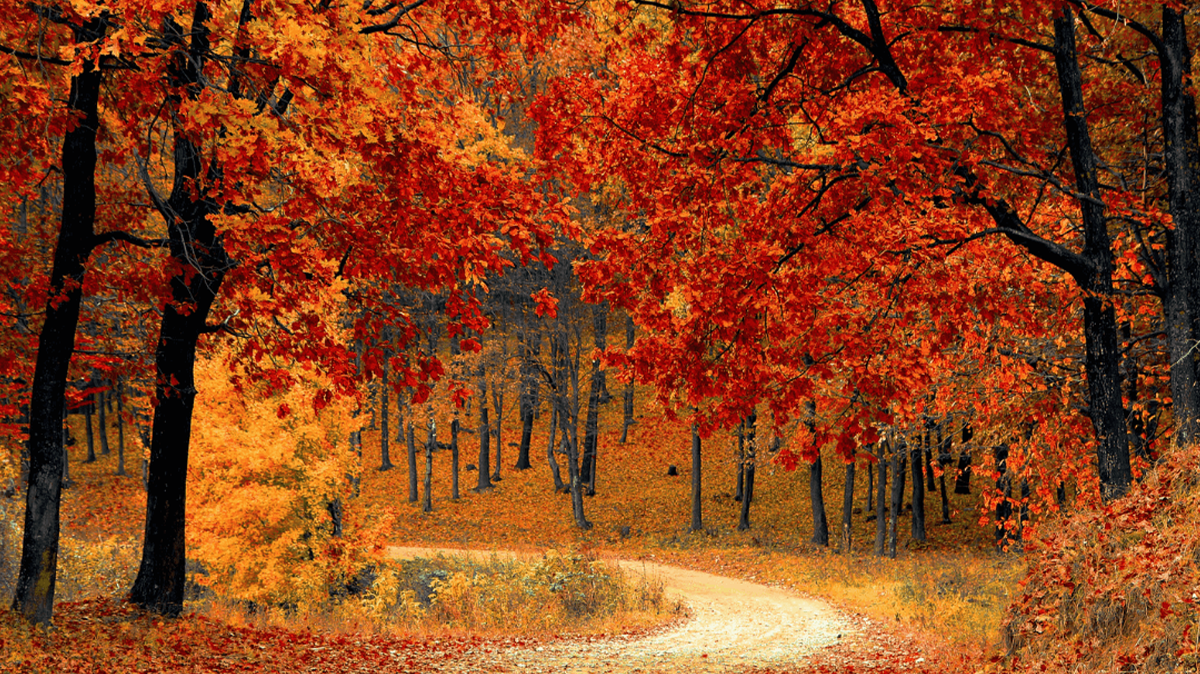
November hits the nervous system like a soft reset. Daylight saving time or not, the days get shorter, the temperatures swing (or spike, depending on your hemisphere), and suddenly your body has different opinions: warm drinks, not cold brew, cozy clothes, not tanks and tees, closed-toe shoes, not flip-flops, slower mornings, a puffy comforter, and maybe a training schedule that feels different.

Biologically, shorter daylight hours nudge melatonin and serotonin into a new rhythm. Some people feel sleepier. Some feel hungrier. It’s like a human version of hibernation. Animals bulk up and slow down as winter approaches, and while humans don’t crawl into caves, some of us definitely feel the “store energy, seek warmth, eat carbs” instinct kick in. In fact, increased appetite and low energy are hallmark signs of seasonal affective disorder (SAD)*, which isn’t about November being “sad,” but about your brain recalibrating to less light.
Did You Know?
Melatonin - Your brain’s “nighttime hormone.” It rises when daylight drops, making you feel sleepier earlier in November.
Serotonin - A neurotransmitter that helps regulate mood, appetite, and energy. Sunlight boosts serotonin, so shorter days can make levels dip. Cue carb cravings and lower motivation.
Circadian Rhythm - Your internal 24-hour clock. It’s set by light exposure, so when daylight shrinks, your rhythm shifts too, and changes sleep timing, hunger cues, and energy patterns.

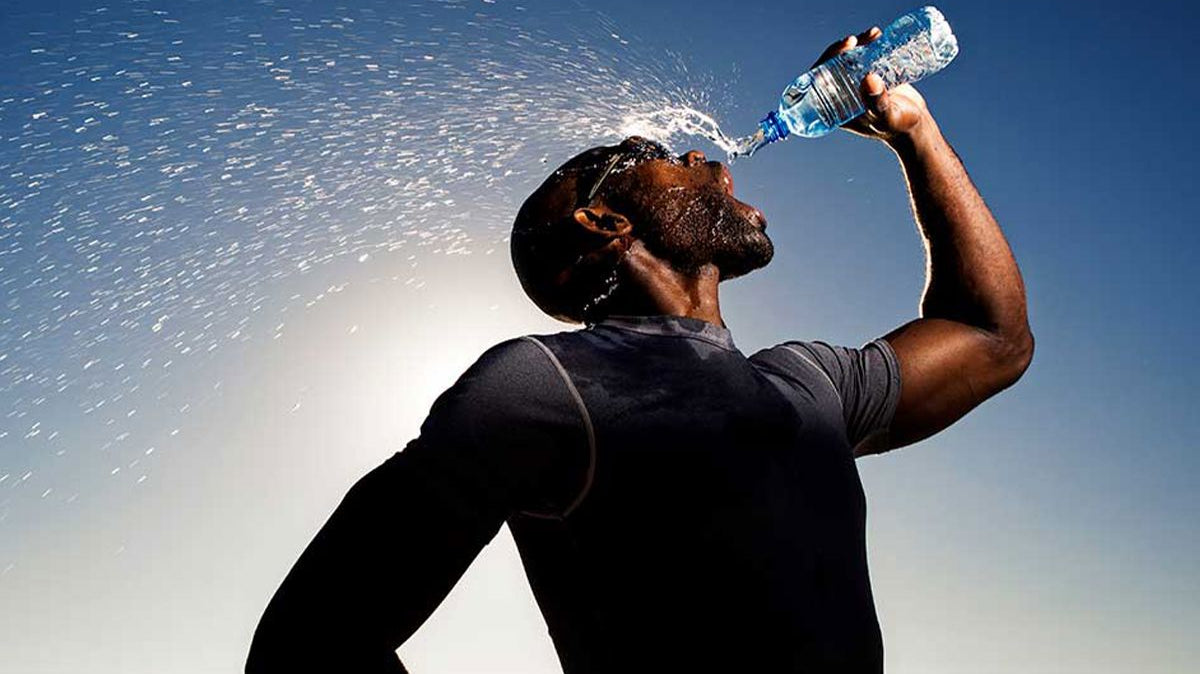
Here’s a piece nobody warns you about: cold air is dry air, and your nervous system hates that. When humidity drops, your mucous membranes lose moisture faster, your lips chap, your skin tightens, you get crusty boogers, and your brain registers this as a mild stressor. We tend to think hydration is a summer problem- sweat, heat, electrolytes- but winter is just as demanding. Dry air pulls moisture from your body even when you’re not sweating, which is why some people feel thirstier in November despite training in cooler temps. It’s also why your water bottle becomes your Plus One again. Your brain is basically saying, “Hey, everything outside is drying out, please don’t let me be one of those things.”
Athletes feel the Fall seasonal shift more than most. When the air cools, your warm-up takes longer. Your joints feel stiffer. Your motivation changes when you can literally see your breath during the walk from the car to the gym. Training intensity might dip for some and spike for others. Some people love crisp air and structured routines.
For BJJ athletes, November is the season of thicker gis, rash guards under the gi, maybe spats, and layering up before class. Up north, it’s not uncommon to wear socks during class until the mats warm up. You might switch to a heavier weave gi because it feels cozier, or you might wear joggers and hoodies before bowing in. Comfort becomes part of performance.
Just a little more biology. Humans aren’t that different from deciduous trees- at least in spirit. As temperatures drop, trees pull their resources inward, shut down leaf circulation, and let those leaves go full “autumn girl” before dropping off entirely. Humans do a version of this too: when it gets cold, we shunt blood toward the core to keep vital organs warm. The difference? Trees lose their leaves and grow them back in spring. Humans lose their fingers and toes and… do not grow them back. Frostbite is real, and your body will absolutely sacrifice your pinky toe before it lets your liver get chilly. So yes, wear the layers.

Lastly, let’s remember that a chilly November isn’t universal. In some places, this month is the start of the hot season, not the cold one. Your “fall cravings” might look like cold fruit, shade, hydration, and avoiding anything lined. Seasonal biology responds to change, not the calendar.
So if you’re craving warmth, spice, softer fabrics, slower pacing, or gentler training sessions, you’re not losing discipline- you’re adapting! And if you’re somewhere heating up instead of cooling down, your nervous system is adjusting too, just in a different direction.
November is a transition, not a mood. Comfort is a signal, not a weakness. Go grab a spiced latte.
*Did You Know? — SAD
Seasonal Affective Disorder (SAD): A seasonal shift in mood, energy, appetite, and motivation caused by reduced daylight. It’s especially common in northern regions like the Pacific Northwest, where fall and winter bring long stretches of cloud cover and short days.
What it can feel like: Lower mood, irritability, increased sleepiness, carb cravings, and a “slowed-down” feeling. Some people describe it as losing their usual spark or feeling less motivated than normal.
Why it happens: Shorter days mean less sunlight, which can lower serotonin (mood regulation) and shift melatonin (sleep timing). That combination can nudge the nervous system toward seasonal depression or moodiness.
The good news: It’s a well-understood biological response, not a personal failing. Many people feel better with more light exposure, structured routines, staying connected to others and a Vitamin D supplement.