Gyms are their own ecosystems. They have their own microenvironments. Some mornings you wear socks to step onto the mat fearing hypothermia; other times you feel like you've stepped into a warm cloud that wants you to sweat and suffer before warm-ups. That's humidity: an environmental cocktail of water chemistry and atmospheric conditions that messes with your body's ability to cool itself. Humidity is also that supervillain who turns training into a sticky, overheated, sweat-soaked battle against your body's thermoregulation. Before we talk about why your body taps out early in humidity, we need to understand what humidity is and why it behaves the way it does.
Humidity isn't just "moist air" or "it's muggy today"; it's a measurable amount of water vapor suspended in the atmosphere. It's like a gaseous stew of nitrogen and oxygen, with everything else you breathe on the side. Warm air can hold more water vapor than cold air. This is why hot gyms feel swampy and cold gyms feel crisp. Let's get to the learning.

Scientifically, humidity is described using a few key metrics:
- Relative Humidity (RH): how close the air is to being fully saturated at a given temperature.
- Specific Humidity: the mass (weight) of water vapor per mass of air.
- Mixing Ratio: water vapor mass relative to dry air mass.
- Dew Point: the temperature at which the air becomes saturated and water vapor condenses.
- Wet-bulb temperature: how much cooling happens when water evaporates.
Humidity forms because water molecules are constantly moving between liquid and gas phases. As temperature rises, more water molecules escape into the air, increasing the amount of water vapor the air can hold. When the air reaches its saturation point, "I can't eat another bite", it can't hold any more vapor. That's when condensation, clouds, fog, or that sticky gym feeling kicks in.
Most people experience humidity as a vibe before they understand it as a metric -"the walls are sweating", "it's like breathing through a sponge", "a Gi-glue day", "rashguard wetsuit season" – but humidity is absolutely measurable. Hygrometers detect moisture using changes in electrical resistance, capacitance, or even chilledmirror dewpoint readings. These measurements are all based on how water vapor behaves as a gas.

Humidity isn't a single global phenomenon taking place in your academy. It varies wildly depending on regional climate and local microenvironments. Warm regions (think the Gulf Coast, Florida, Southeast Asia) have naturally higher humidity because warm air can hold more water vapor, and those places are, duh, warmer. Coastal areas tend to be humid due to constant evaporation from ocean water. Meanwhile, inland deserts like Arizona or Nevada have extremely low humidity because hot air rises and there's almost no surface moisture feeding it. Even within the same state, humidity can swing dramatically. The Pacific Northwest has humid air outdoors but surprisingly dry indoor environments during winter heating.
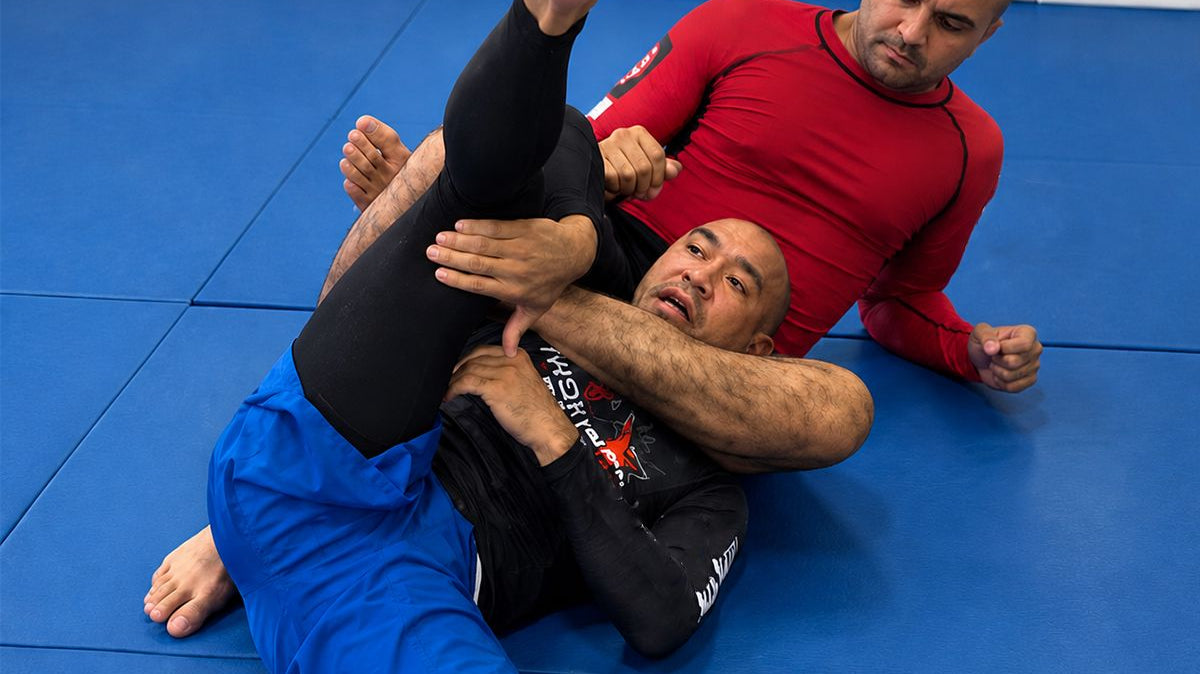
Then there are the microenvironments, the tiny humidity bubbles we create without realizing it: a packed gym with poor ventilation, a steamy locker room, a shower, a Jiu Jitsu class where 30 bodies are sweating in a small space. These spaces can reach high humidity even if the region itself is dry. Your body doesn't care whether the moisture comes from the Gulf or from 20 people doing takedowns- the evaporation mechanics are the same.
Your body's primary cooling strategy is evaporative cooling, aka sweating. Sweat isn't meant to sit on your skin; it's meant to evaporate. Sometimes it drips off your head and puddles on the mat first, but the principle is the same. When sweat evaporates, it pulls heat away from your body. That's the entire system. It's elegant (molecularly), efficient, and normally works without a hitch.
Humidity breaks the system.
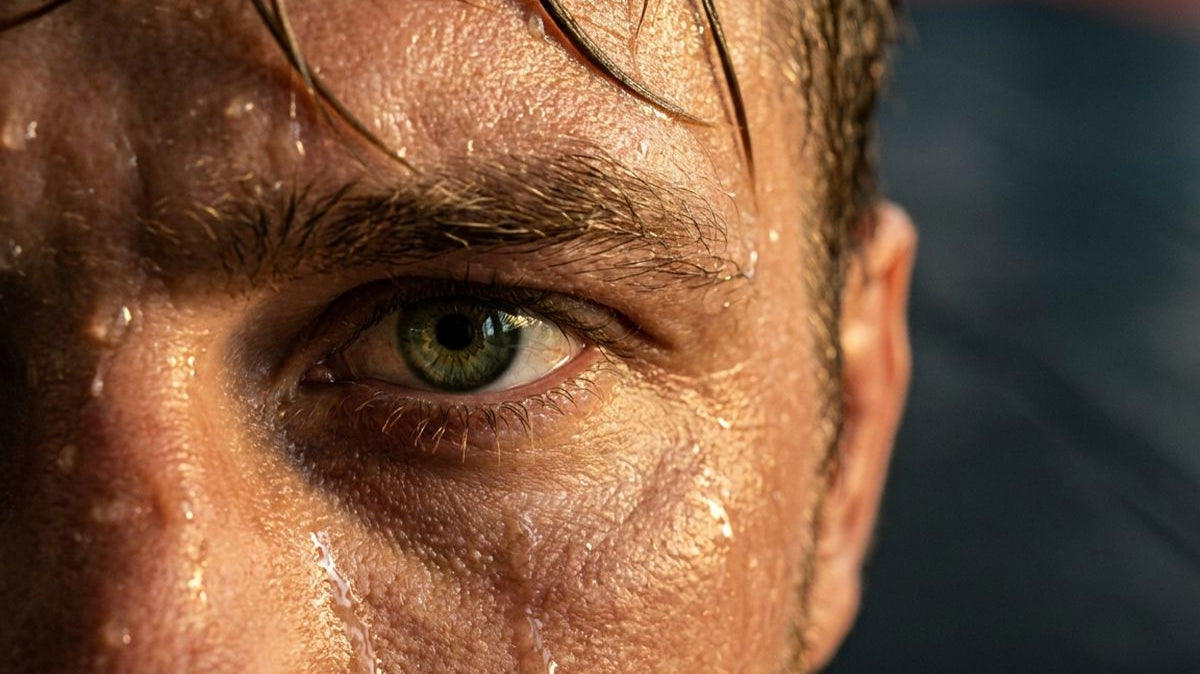
When the air is loaded with water vapor, it can't accept much more. Evaporation slows down or stops entirely. The result is that sweat sits where it is generated, pooling, dripping, soaking into your clothes, making everything slippery, sticky, and uncomfortable. You're sweating more, but cooling less. All yuck-factor aside, your body notices this immediately. Heart rate climbs. Perceived exertion spikes. You feel hotter, even if the temperature hasn't changed. You start overheating not because you aren't sweating, but because your sweat has nowhere to go. This is why humid training feels like you're working twice as hard for half the output. Your thermoregulation system is doing its job, but the environment isn't cooperating. It's like trying to air-dry your gi in a rainforest. The effort is there, but the physics and chemistry of the air aren't on your side.
Humidity doesn't just mess with your cooling system. It also supercharges the biology of stink (*Blog about Gi Funk). Sweat itself is mostly water and salt and doesn't smell. Odor comes from bacteria breaking down proteins and lipids in your sweat. In dry environments, sweat evaporates quickly, giving bacteria less time to eat. But in humid environments? Sweat lingers. It clings. It soaks. It creates a warm, wet all-you-can-eat buffet.
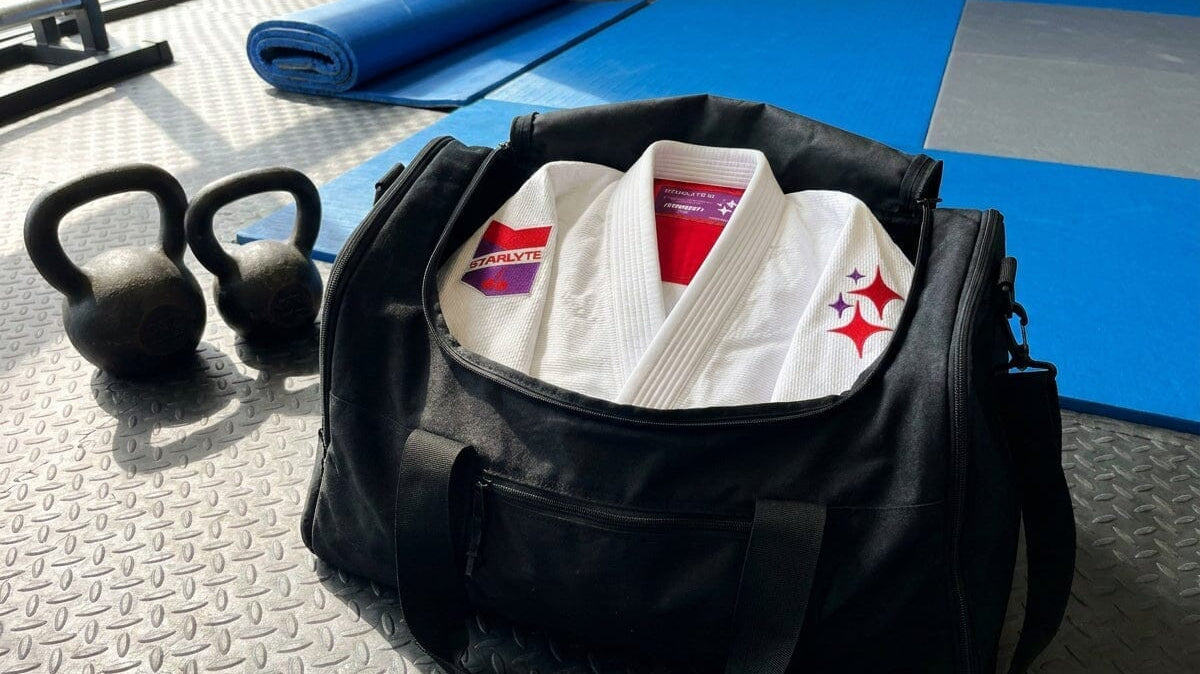
Humidity is a growth accelerator for the microbes that live on your skin, in your gear, and deep in the fibers of your gi. When the air is saturated with moisture, nothing dries - not your rashguard, not your belt, not the mats, not your hair, not the towel you forgot in your gym bag. Everything stays damp, and dampness is bacteria's favorite habitat. This is why your gi smells worse in humid conditions. It's why your rashguard goes from "slightly funky" to "biological weapon." It's why your gym bag becomes a portable humidity chamber, trapping moisture and multiplying odor. Even the mats can develop a film. They're not dirty. They're absorbing sweat in an environment where evaporation is on strike.
Humidity changes the rules of training, so your hydration and gear strategy has to change also. When evaporation slows down, your body loses its primary cooling mechanism. That means you need to support your body in other ways. Here's how athletes can stay functional (and less miserable) when the air feels like soup.
Drink More Than You Think You Need
Humidity tricks people into thinking they're "hydrated enough" because sweat doesn't evaporate; it stays visible. But you're still losing fluid at the same rate (or faster). Your baseline hydration needs go up in humid conditions, especially during long sessions or high-intensity intervals.
Cold Water Helps More in Humidity
Cold water isn't magic, but it does give your body a small cooling assist when evaporation isn't doing its job. It lowers core temperature slightly, feels better psychologically, and encourages you to drink more. This is one of those times where bottle insulation matters.

Electrolytes Matter More When Sweat Doesn't Evaporate
Sweat rate increases in humidity because your body keeps trying to cool itself. More sweat = more electrolyte loss. You don't need fancy powders, but you do need sodium. A pinch of salt, an electrolyte tab, or a sports drink during long sessions is enough.
Choose Gear That Doesn't Trap Moisture
Humidity exposes weakness in fabrics.
- Cotton becomes a sponge.
- Heavy gis stay wet forever.
- Cheap rashguards turn into clingwrap sauna suits.
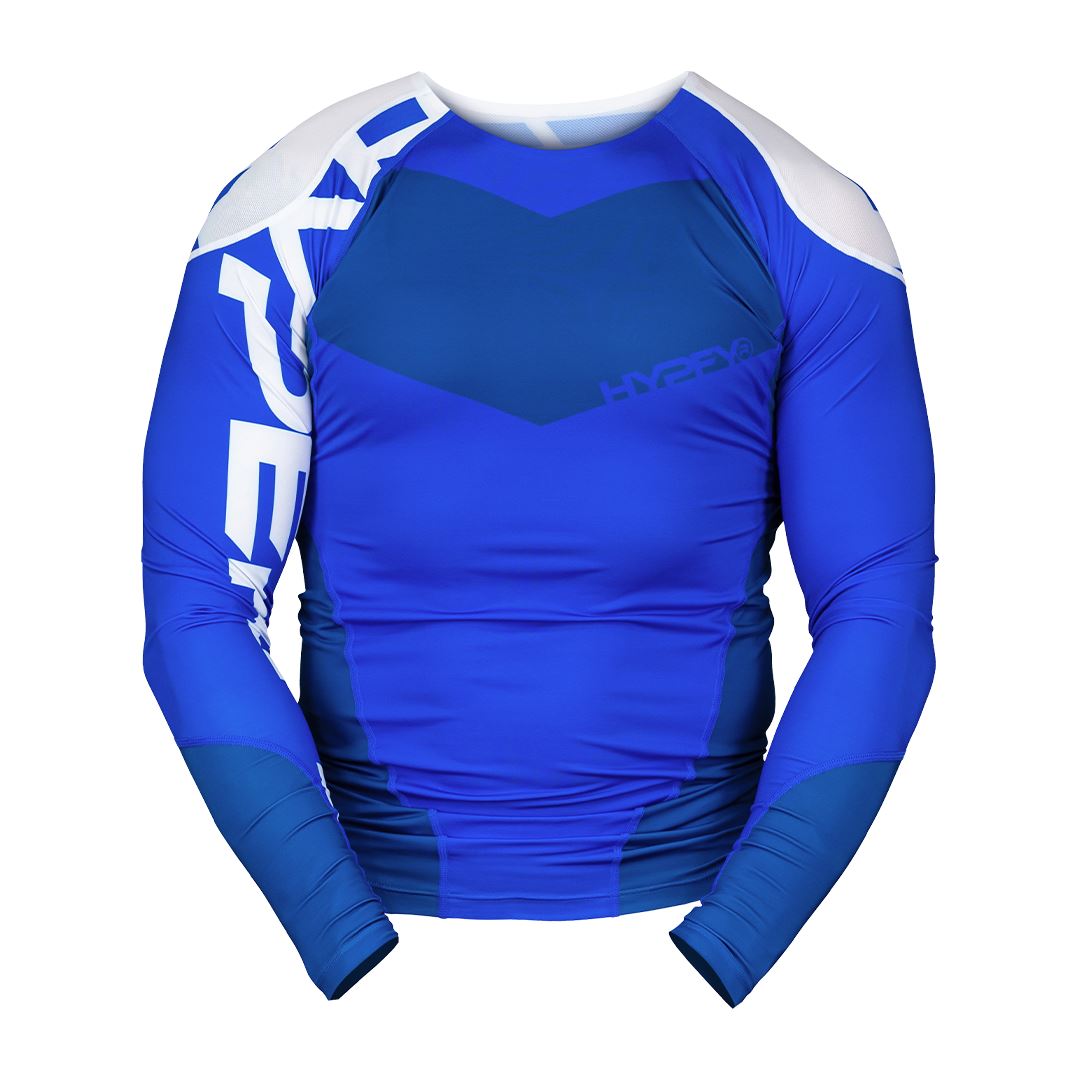
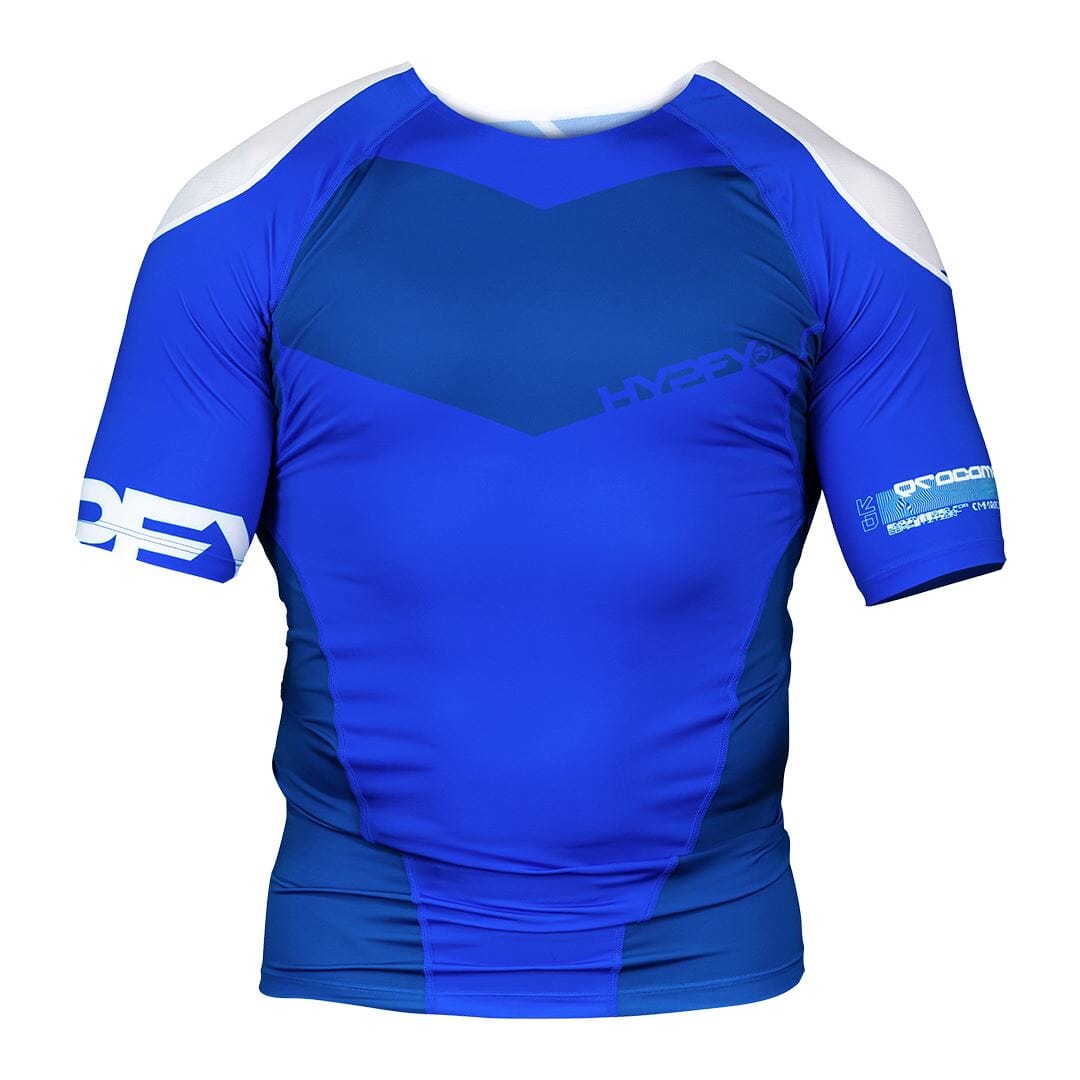
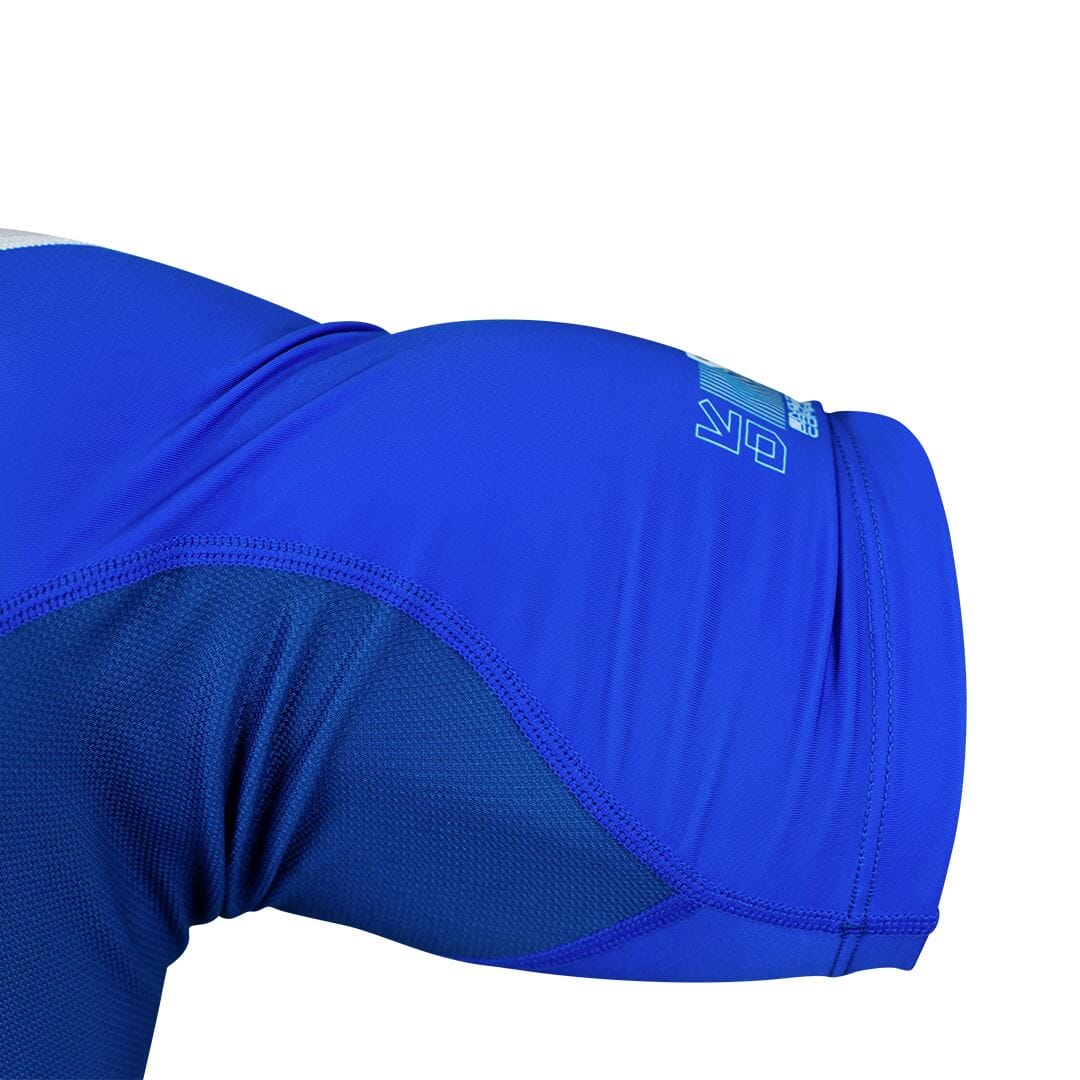
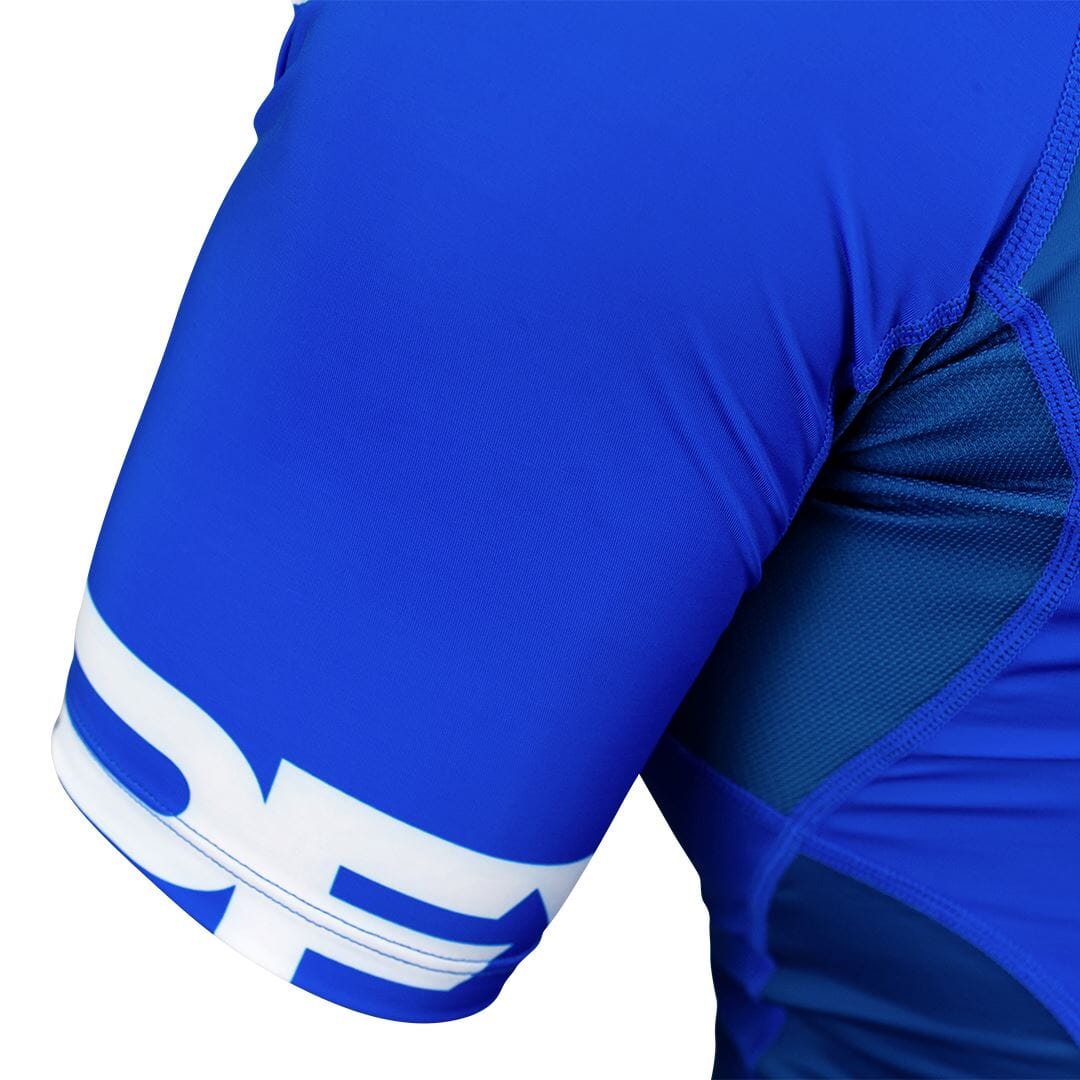
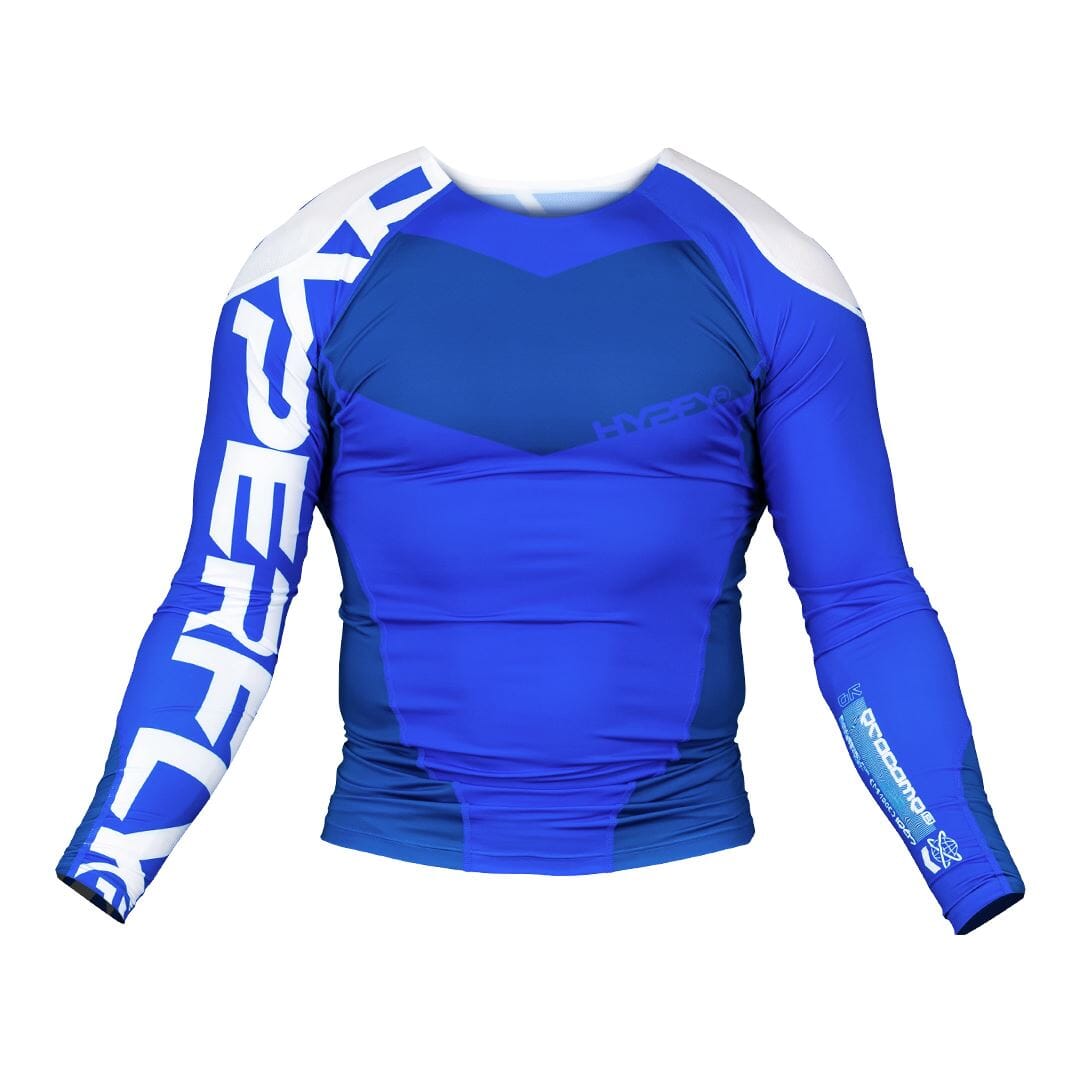
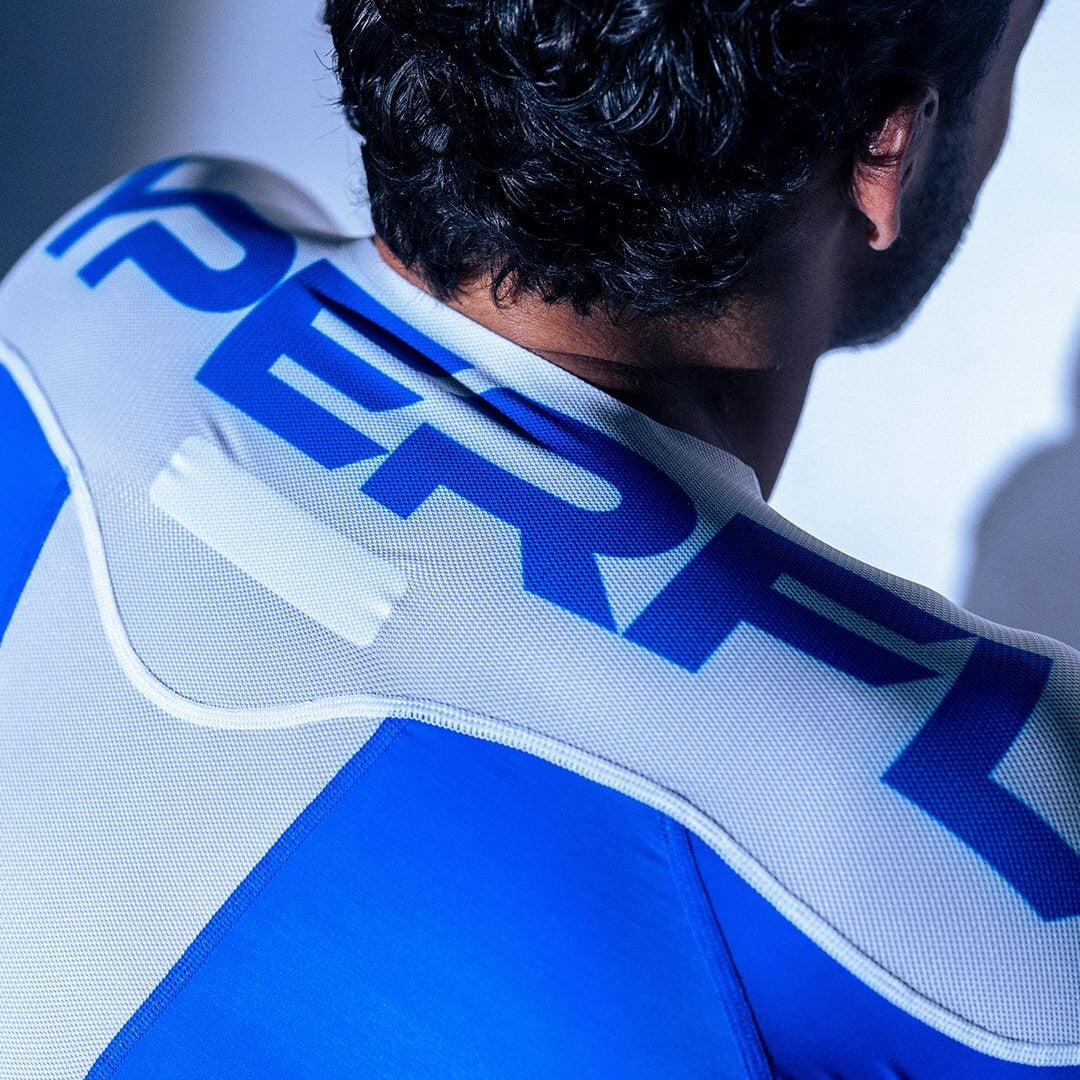
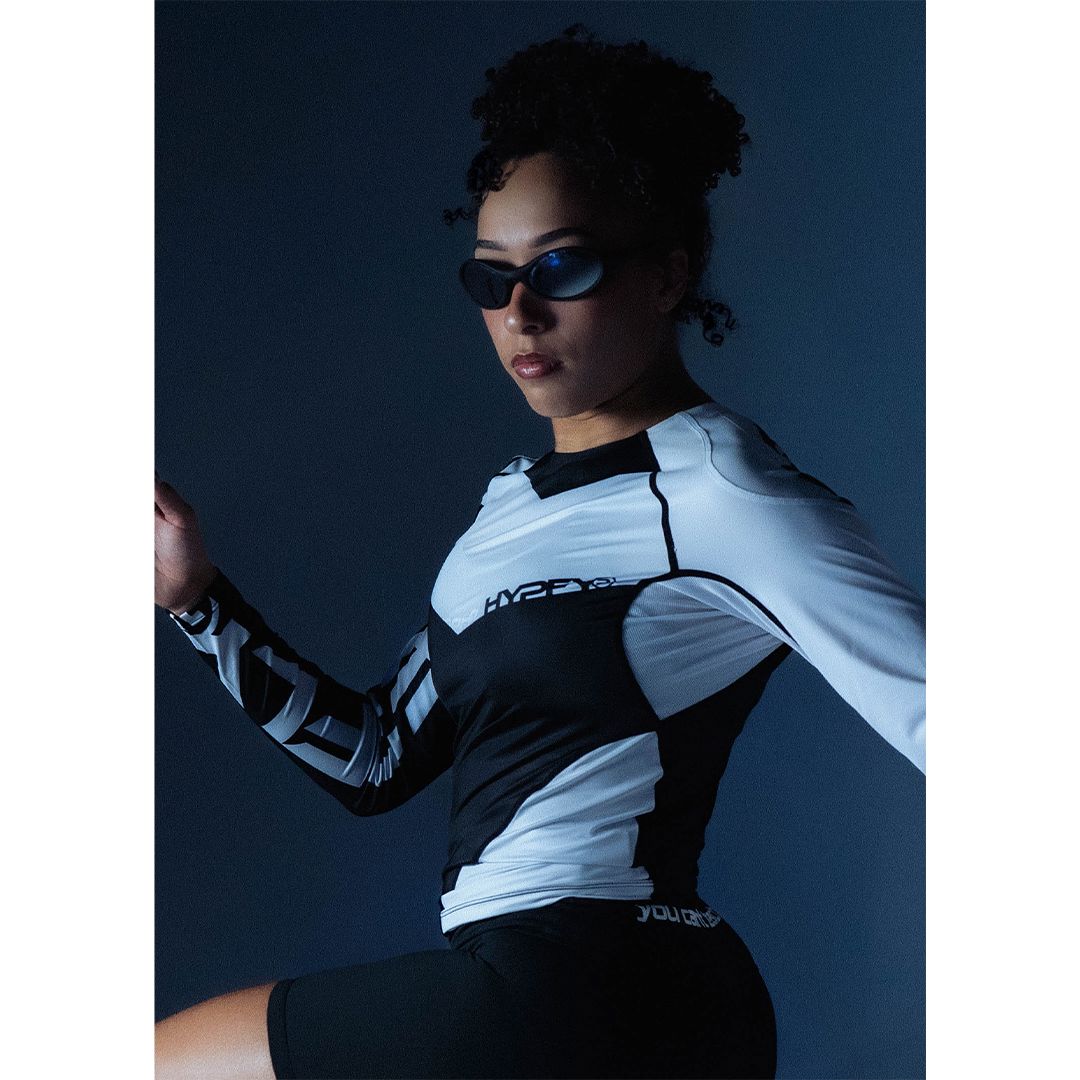
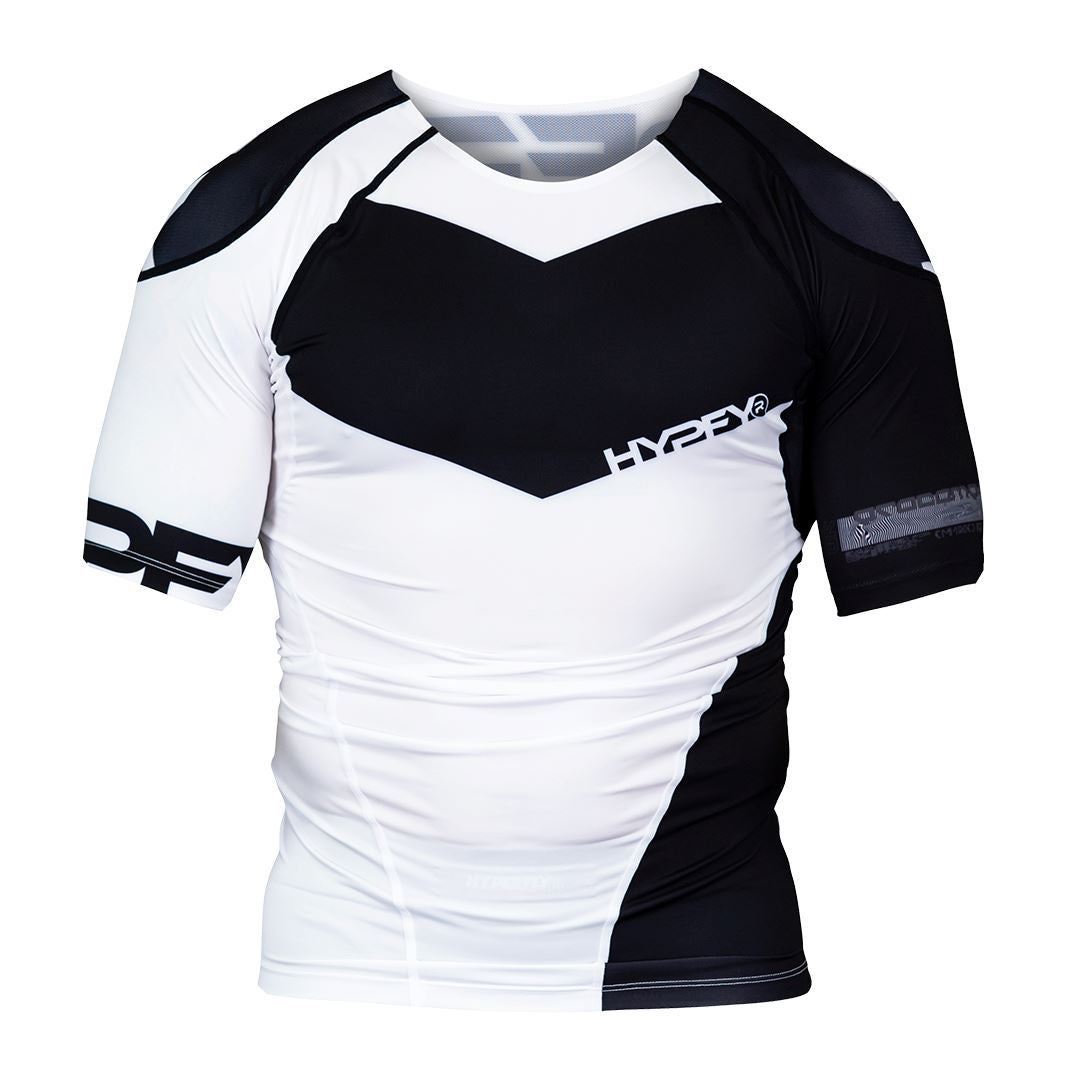
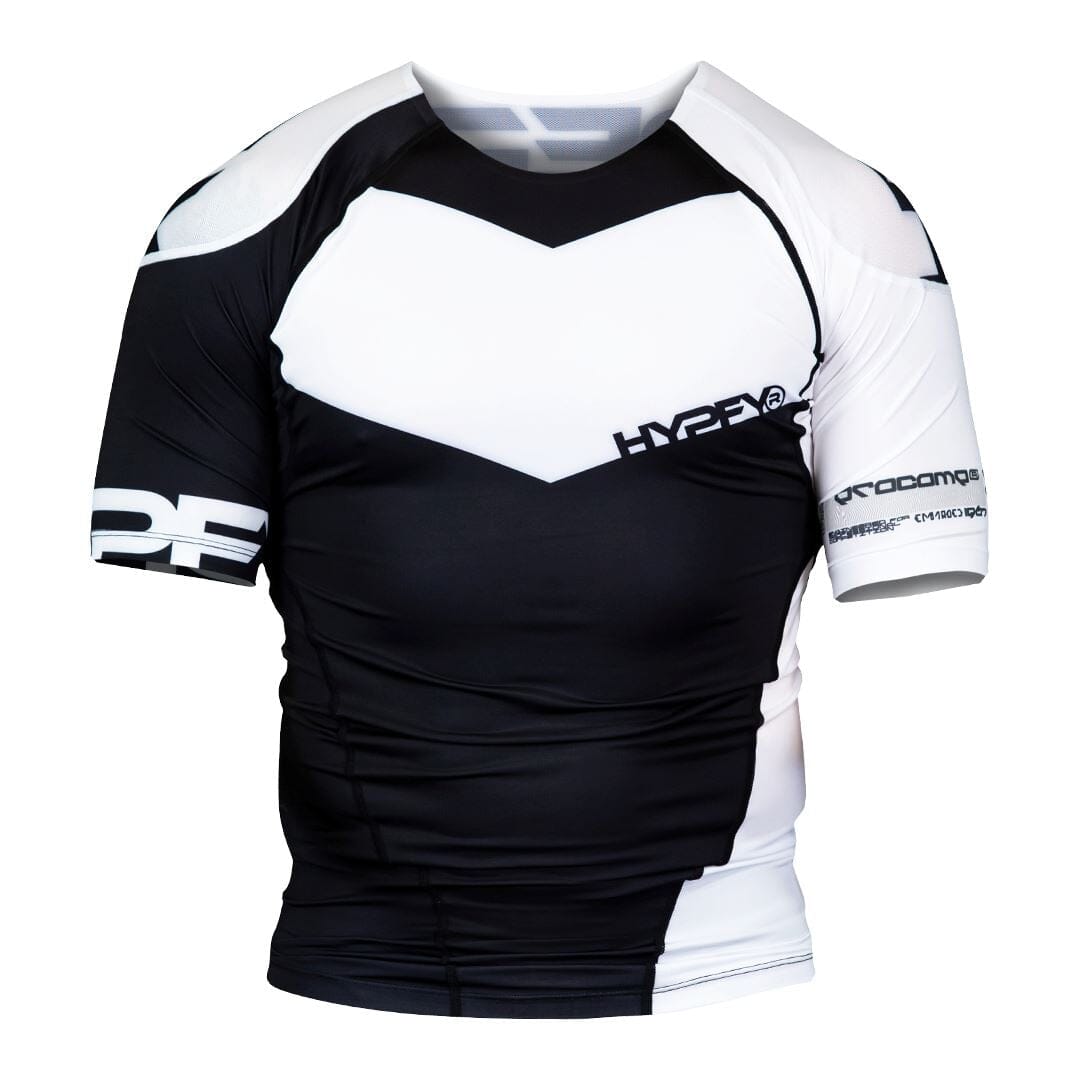
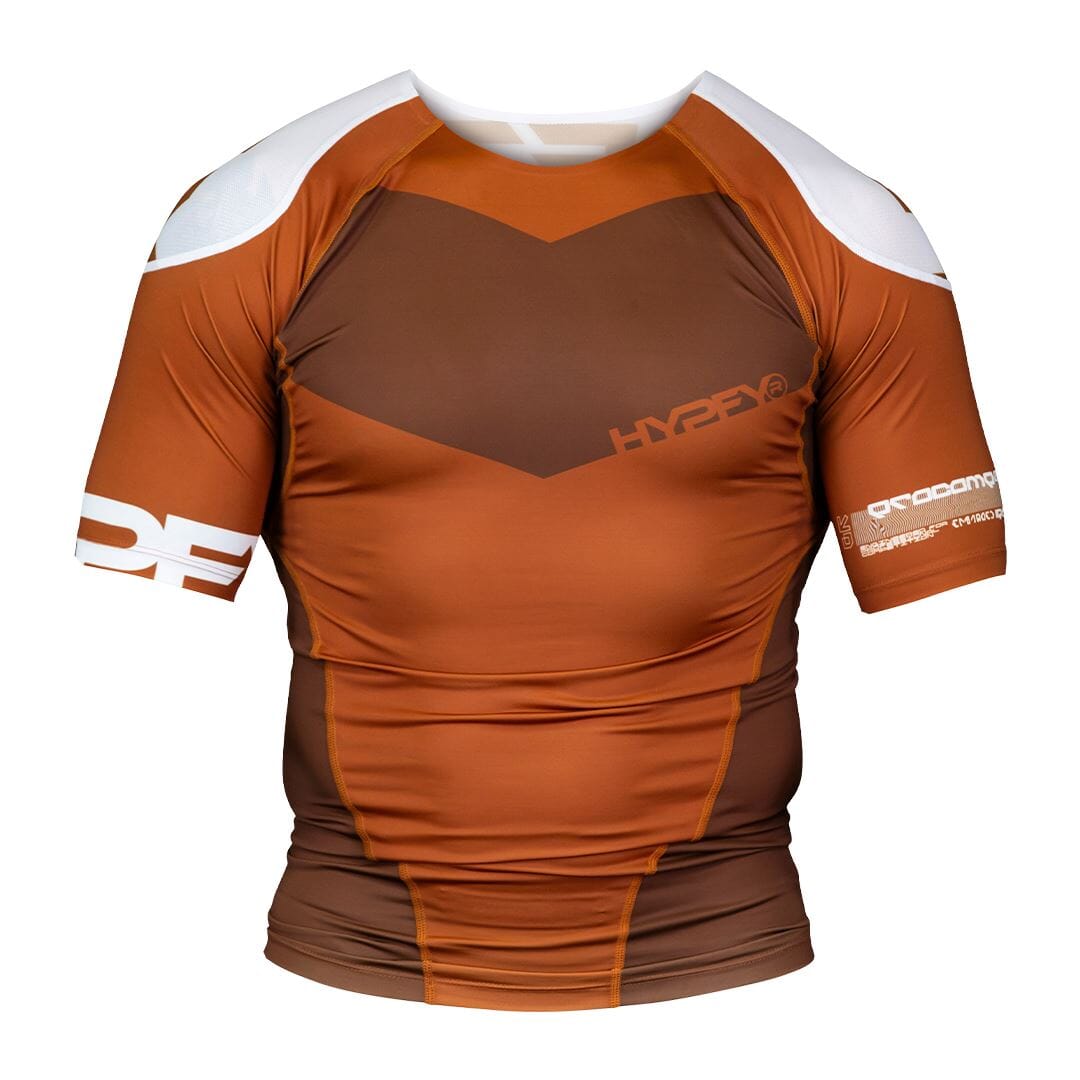
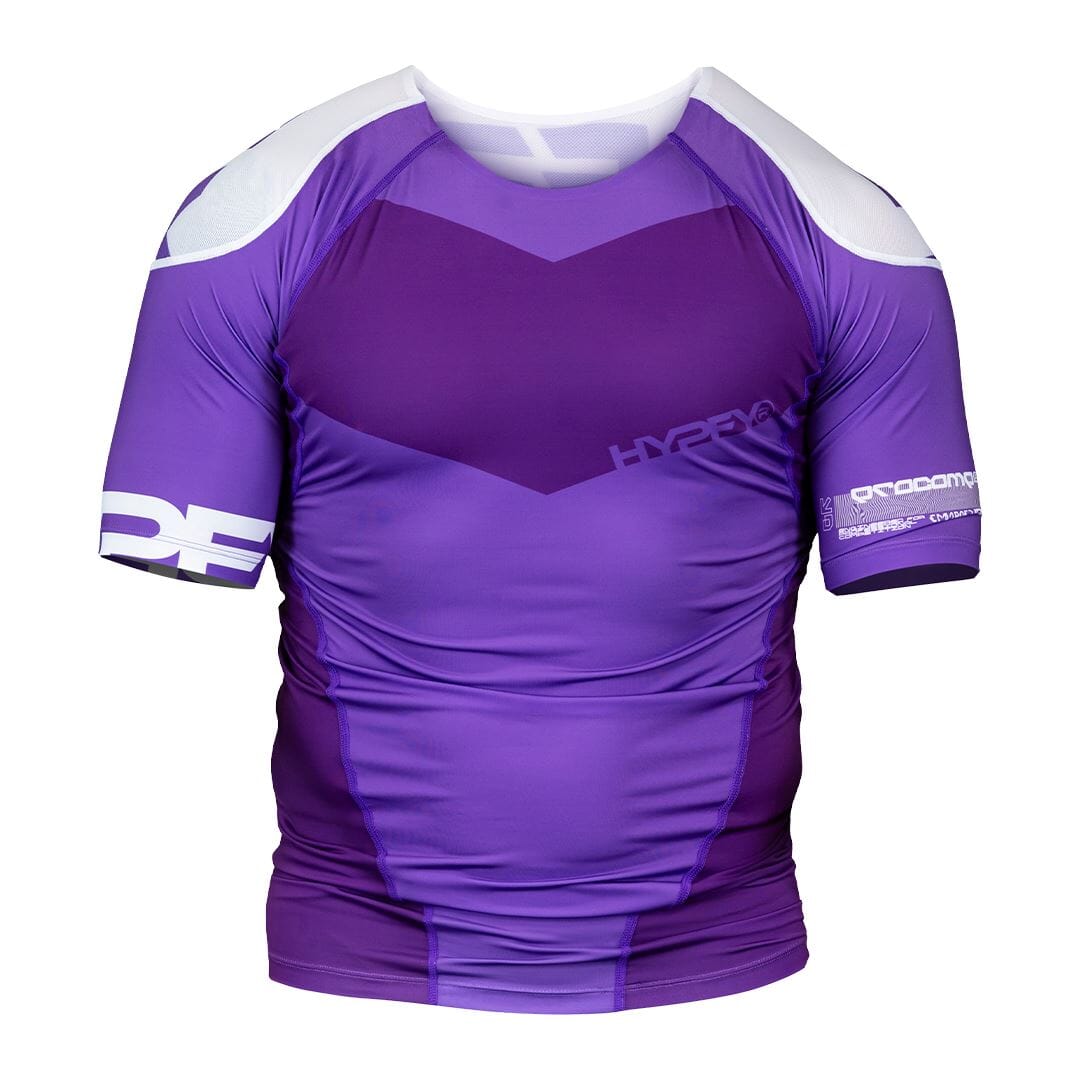
Lightweight synthetics, quick-dry blends, and mesh panels make a difference in humid conditions. They won't solve the humidity problem, but they'll reduce the "my clothes are glued to me" effect.
Ventilation Is Your Best Friend
If you can train near a fan, do it. If you can open a window, do it. If your gym has terrible airflow, position yourself near the door. Air movement doesn't reduce humidity, but it helps sweat evaporate, which is the whole point.
Adjust Your Expectations (and Your Pace)
Humidity increases perceived exertion. Your heart rate climbs faster. Your body works harder. Your output drops. This is physiology, not weakness. Training in humidity is like training at altitude: the environment is part of the workout. Know thyself.
Post-Training: Dry Everything Immediately
Humidity + damp gear = bacterial paradise. Spread out your gi, rashguard, belt, socks, everything. Do not leave them in your bag. Do not leave them in a pile. Do not trust "it'll dry on its own." It won't. Your laundry routine must become part of your recovery routine.
Humidity is the gym's way of saying, "Oh, you wanted a challenge? Cute." Humidity isn't out to get you, but it does change the rules. It's an environmental mix of chemistry, atmospheric behavior, and human physiology that collide the moment you start moving. When the air is saturated, your cooling system must work harder. When your cooling system works harder, everything feels harder. And when everything feels harder, you start questioning your life choices somewhere between warm-ups and round three.
You can't control the weather, but you can control how you train in it. Hydrate more. Cool smarter. Choose gear that doesn't betray you. Find a fan and make it your training partner. Accept that some days, the air will feel thick, and like the weather came to class with a bad attitude.
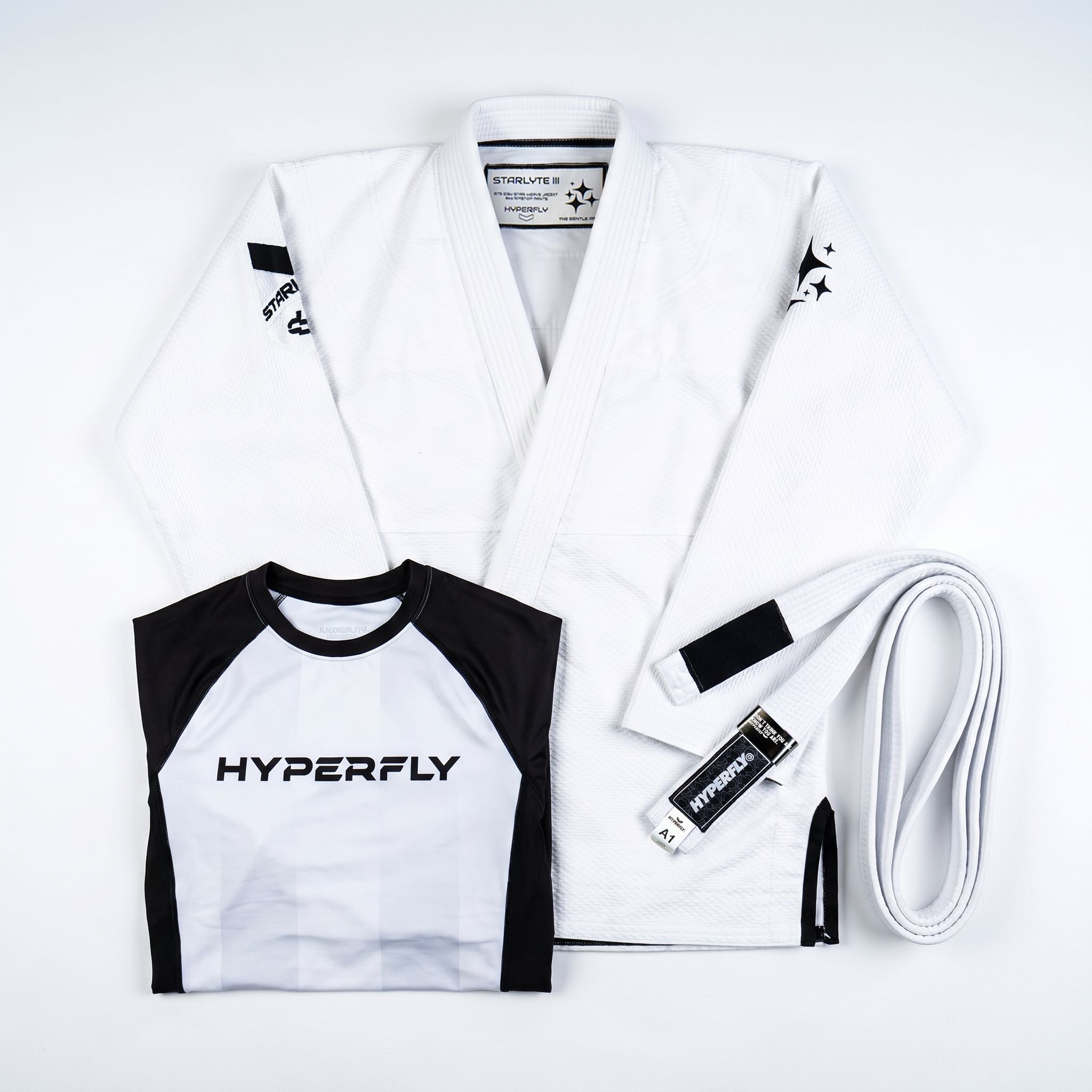
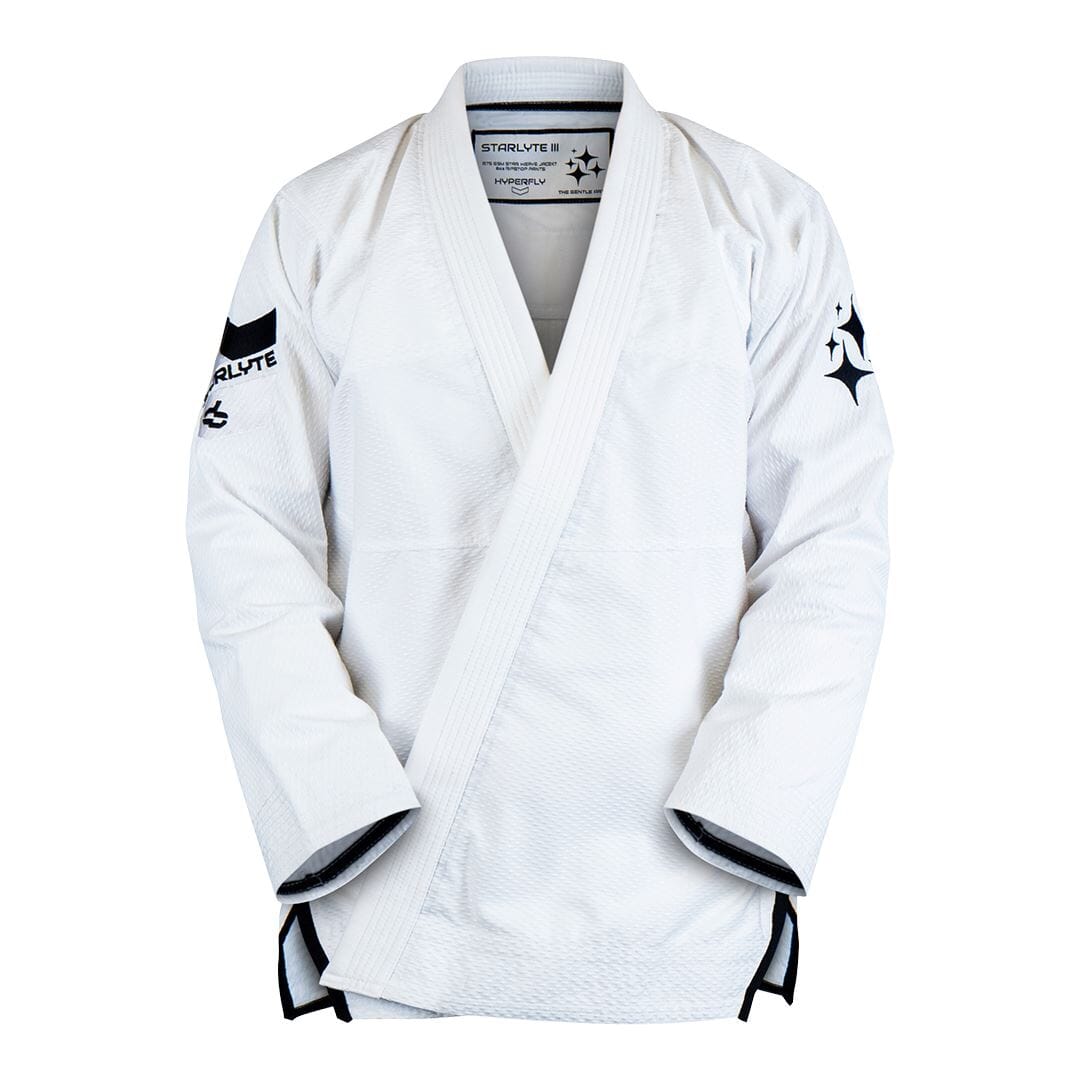
Beat the Heat in Starlyte
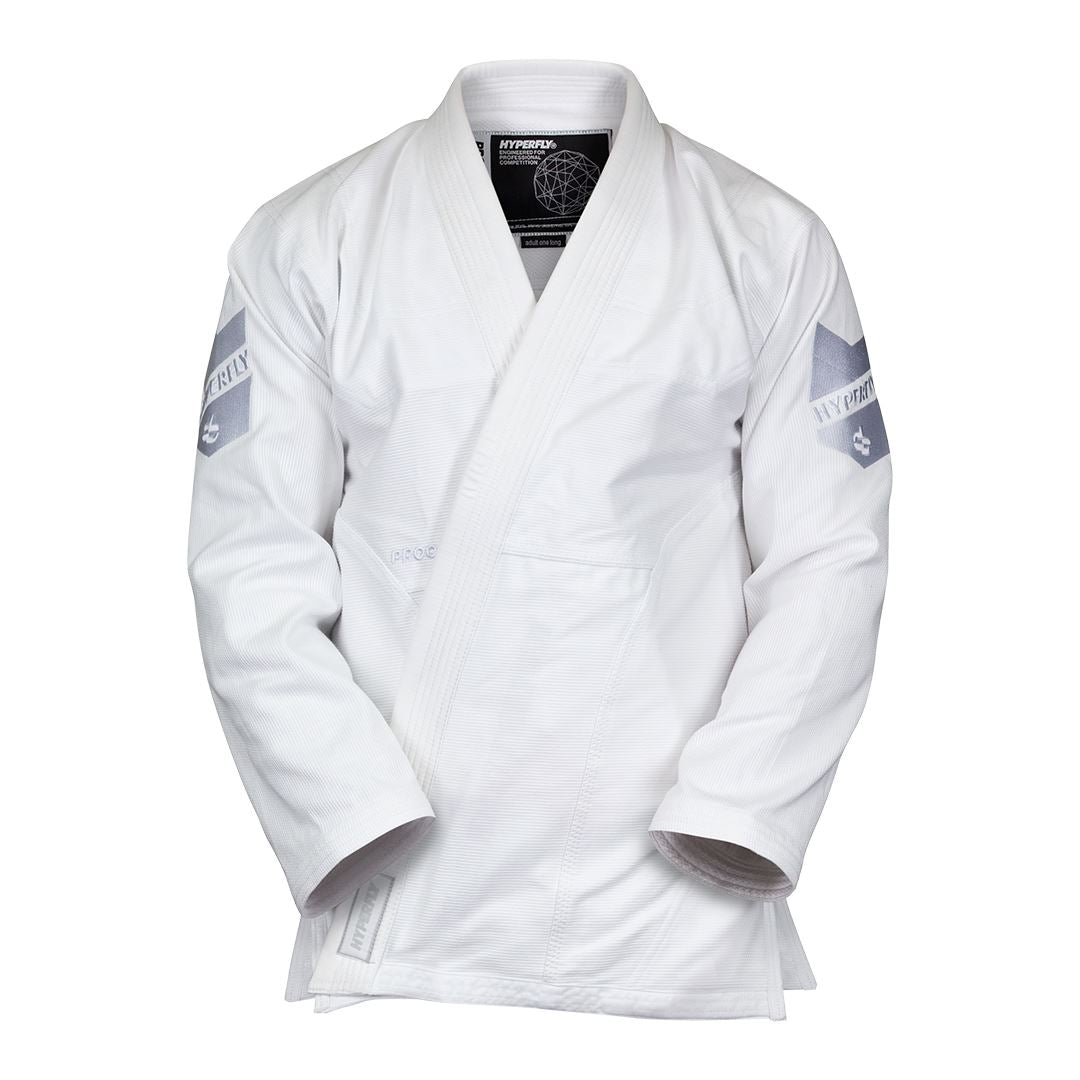
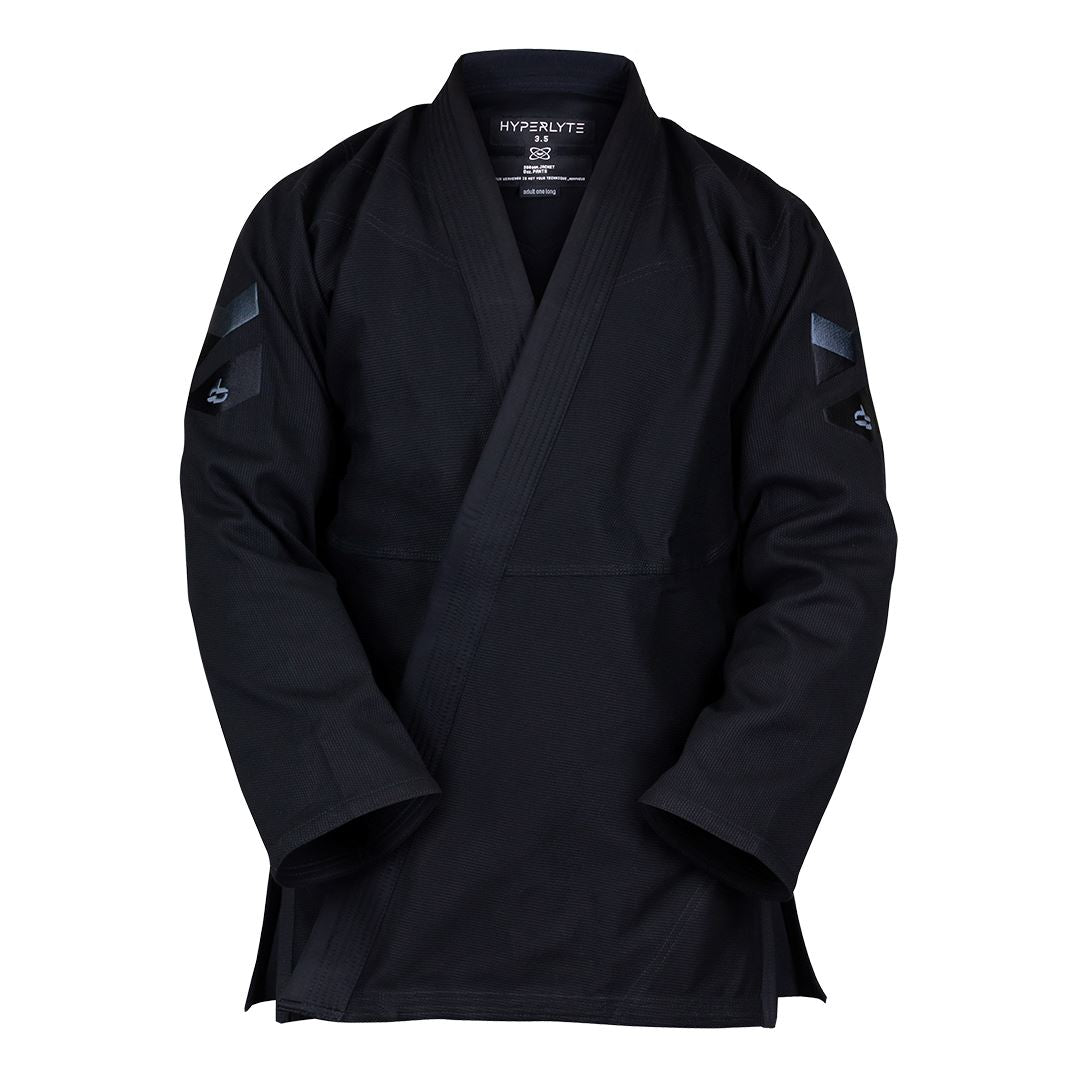
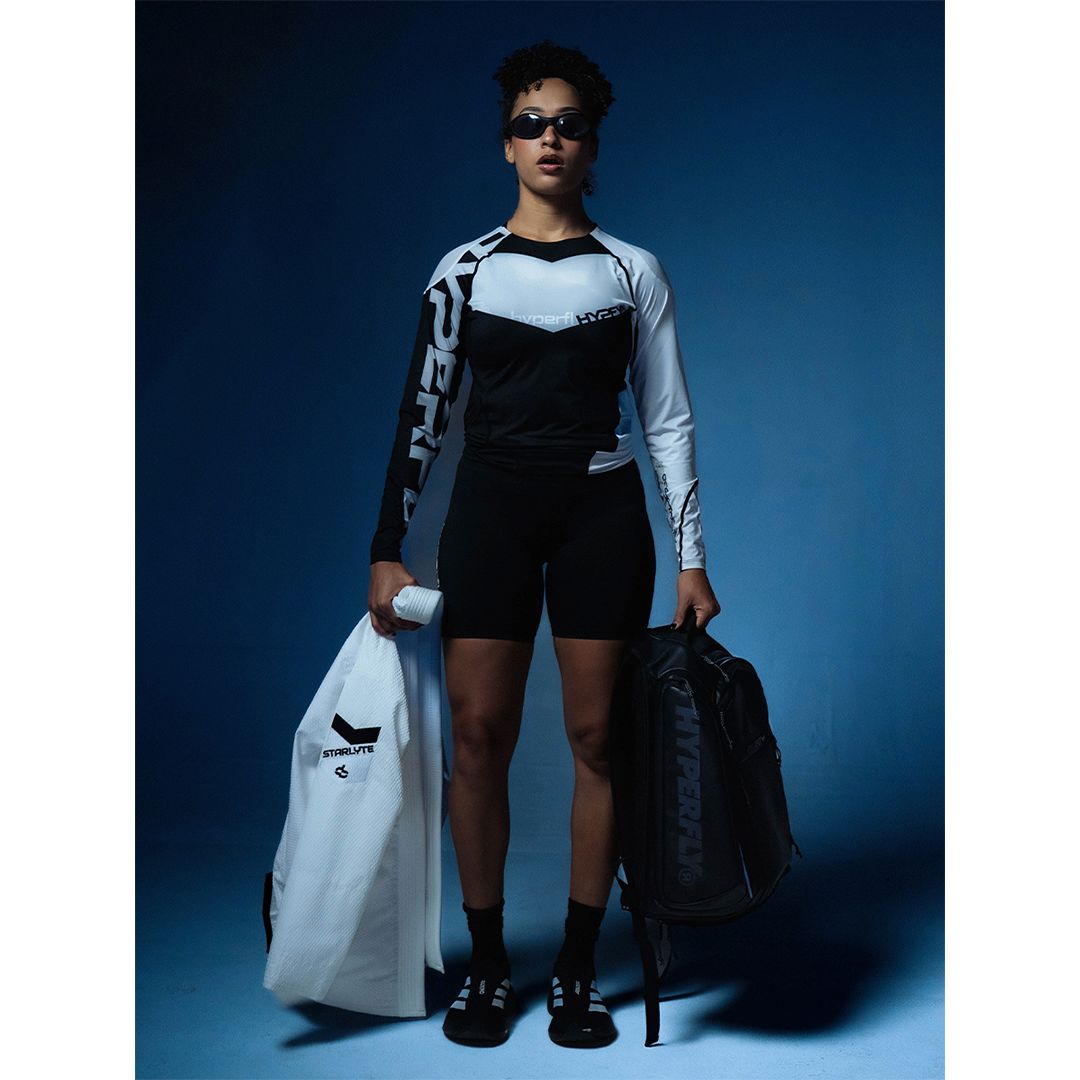
When the mat feels like a sauna, your Gi should work with you, not against you. The Starlyte Gi is our lightest kimono, built to keep you cool and regulate temperature when the air won't cooperate.