
Every year on September 16th, Mexico erupts in celebration, green, white, and red flags everywhere, fireworks lighting up the sky, and millions of voices shouting "¡Viva México!" But the holiday marks something much bigger than a party. It marks the beginning of an 11 year fight for freedom.

The Grito de Dolores
The story starts before dawn on September 16, 1810, in the small town of Dolores, in what's now the state of Guanajuato. A Catholic priest named Miguel Hidalgo y Costilla rang the bells of his church and gathered the townspeople. What followed became known as the Grito de Dolores, the Cry of Dolores, a rallying call urging the people to rise up against Spanish colonial rule, which had controlled Mexico for nearly 300 years.
Hidalgo's grito wasn't a formal declaration of independence. It was a spark. Within hours, a growing crowd of farmers, indigenous people, and everyday citizens armed with machetes, slings, and whatever else they could find had formed the beginning of an insurgent army. That army would grow to tens of thousands as it marched across the country.
A War That Took Over a Decade
Hidalgo didn't live to see Mexico's independence. He was captured and executed in 1811, less than a year after the Grito. But the movement he sparked didn't stop with him. Other leaders, including José María Morelos, Vicente Guerrero, and eventually Agustín de Iturbide, carried the fight forward through more than a decade of conflict.
Mexico's independence was finally secured in 1821, when the Treaty of Córdoba was signed, ending Spanish rule. It had taken 11 years, and the sacrifice of a huge number of lives, to get there.

How It's Celebrated Today
Every September 15th, on the eve of the anniversary, the President of Mexico steps onto the balcony of the National Palace in Mexico City and reenacts the Grito, ringing the same bell Hidalgo rang and calling out the names of the independence movement's heroes. The crowd below answers back with "¡Viva México!" The same scene plays out in town squares across the country and in Mexican communities around the world.
It's worth clearing up a common mix-up here too. Mexican Independence Day is not Cinco de Mayo. Cinco de Mayo commemorates a single battle, the Mexican army's victory over French forces at Puebla in 1862. Independence Day is the one that marks the birth of the nation itself.

Carrying That History Onto the Mats
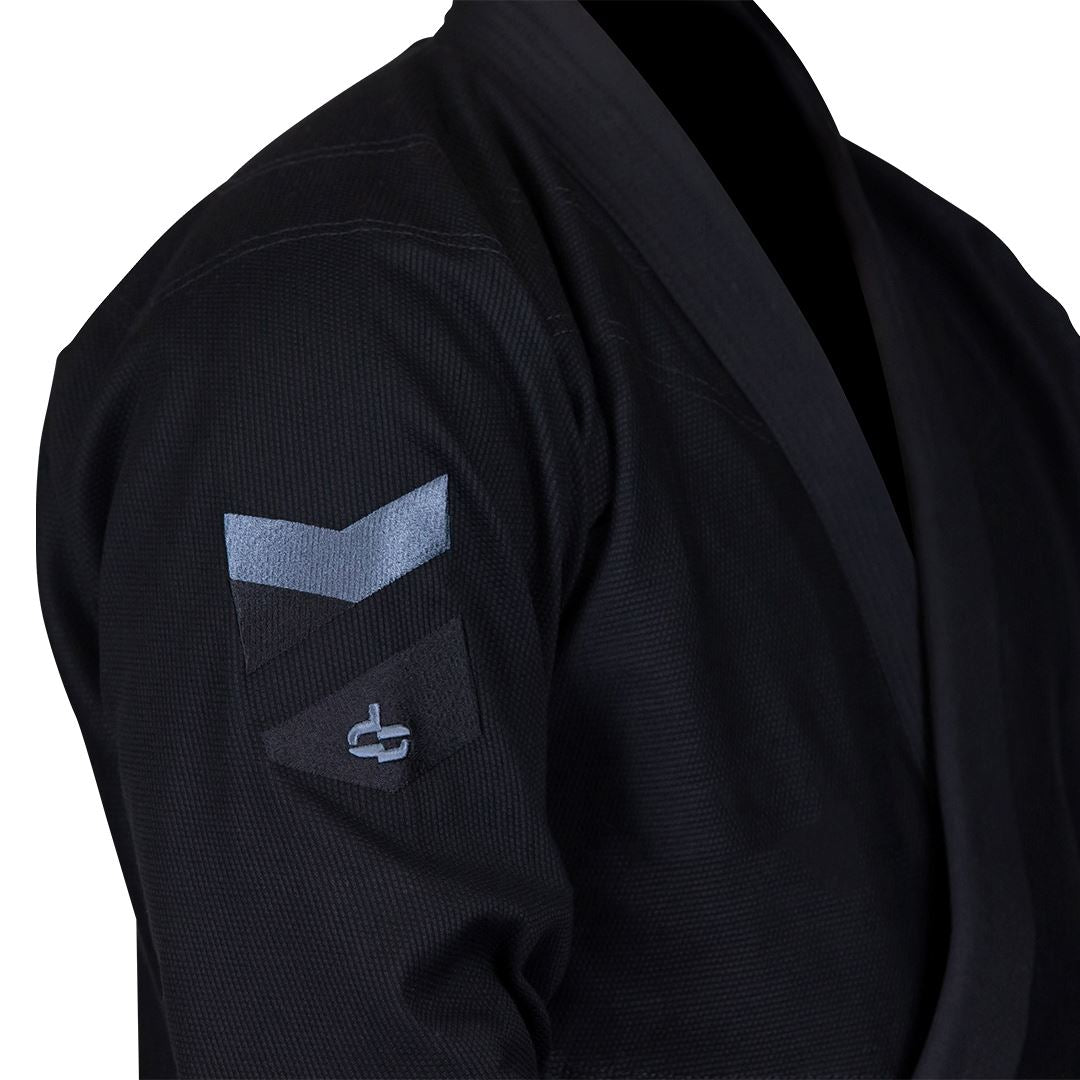
That same spirit, the refusal to back down, the willingness to fight for something bigger than yourself, is exactly what drew us to build a gi around it. Our México Gi pairs the green and red of the flag with a full Aztec calendar sun stone stitched across the back, a nod to the culture that stood long before the fight for independence ever began. "El Arte Gentil" runs down the pant leg, a reminder that gentle art translates the same in any language.
It's a limited release, built for every grappler repping México on the mats, and everyone else who trains with that same fire. Shop here.