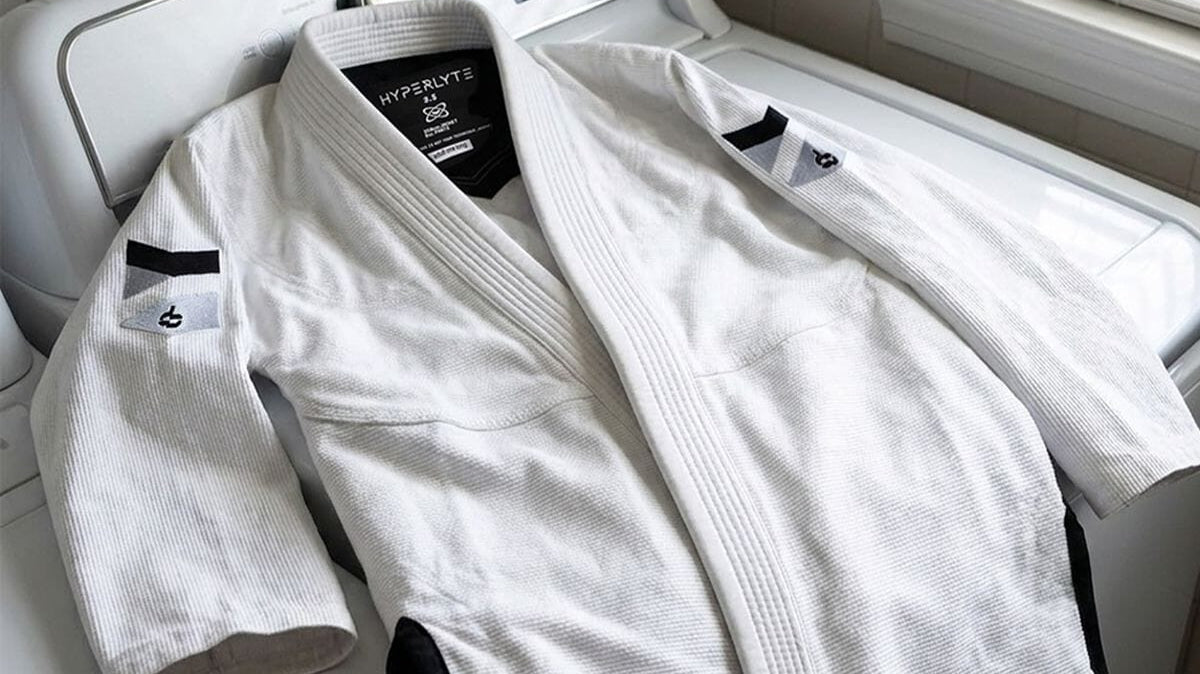
“Time!” The grueling sparring session has ended; your Gi is saturated with the sweat of both you and your training partner, and now you must face the most contentious question in martial arts uniform care. After washing, do I tumble-dry or air-dry?
There are two fiercely dogmatic factions in the Jiu-Jitsu community. On one side, you have the Tumble-Dry Syndicate, the operatives who demand their gi feels like a fluffy cloud, even if it means playing a risky game of roulette with sleeve length. On the other side is the Air-Dry Purist Coalition, members who would rather suffer the agony of wearing a stiff, sandpaper-textured jacket than risk shrinking their gi with fabric betrayal. To answer this question, you must be an informed practitioner, so let’s look at the science.

To understand why a hot dryer can be your Gi’s worst nightmare, you must consider that there is more than one kind of shrinkage. The first is called relaxation shrinkage, and it starts with how cotton fabric is manufactured. Under a microscope, raw cotton fibers are naturally curly and coiled. If they had a psychological profile, we would say they behave like social introverts. They thrive when they are left alone to twist and compact into comfortable, low-energy loops. During the manufacturing process, these fibers are subjected to a form of molecular crowd control. Industrial looms take the introverted fibers, drench them in chemical lubricants, and yank them into a straight line. Then they are packed in parallel into a super-stretched, microscopically high-stress crowd that forms the tight warp and weft tendrils of your Gi jacket. Under this tension, the fibers are essentially holding their breath, locked into a straitjacket by temporary hydrogen bonds and looking to escape.
Throwing that clean, wet gi into a high-heat tumble dryer is like throwing an energetic rave for the molecules. The thermal energy breaks the temporary restraints (hydrogen bonds) holding the lines in parallel and gives the fibers what they need to escape the crowd. The fibers can take a breath, say "Outta my way," and return to their natural, curled-up, calm, introverted state, hence the name, relaxation shrinkage. There’s no personal relaxation, though, if your favorite gi fits like a bodysuit.
The second type of shrinkage is consolidation shrinkage, and it is a game of spatial mechanics. Cotton is hydrophilic (hydro = water / philic = loving). When you throw your gi into the washing machine, those tightly packed, straitjacketed tendrils absorb water like a sponge. As the water enters the cotton filaments, they swell up like your biceps on creatine. This triggers a crisis of space, as in, there isn’t enough room for everyone.
Remember that these tendrils are already crammed into a high-stress crowd from the manufacturing process. When the individual fibers expand sideways, they are forced to curl around each other to accommodate the extra bulk and pre-function before the rave. Transitioning your gi to the hot dryer/rave, causes rapid evaporation of the water in the cotton fibers. Combine that with the mechanical agitation of the tumbling drum, and the cotton fibers are forced to stop “spooning” and return to their unstretched, relaxed state and bunch closer together. Like consolidating your debt to swap a pile of monthly bills for a single compressed obligation, the fabric has consolidated, and your sleeves paid the bill.

So, you’ve decided that the thermodynamic rave in the tumble dryer is not your vibe. Instead, you choose the groove of the open air, hanging your Gi up to dry naturally. Since this is nature in action, you expect a fresh, flowy uniform, resplendent in the natural light. But later, when you pull it off the line, you discover a shocking transformation: your gi has morphed into a stiff, rigid sheet of corrugated cardboard. Welcome to the chemical phenomenon of hydrogen bonding.
Recall that cotton is a plant product. Therefore, cotton cells have a wall of cellulose around them. In fact, it’s the cellulose that gives cotton its strength and durability. When your gi is soaking wet, the water molecules break apart the natural bonds within the cellulose structure, allowing the tendrils to move freely. In a motionless environment, evaporating water leaves the fabric slowly. As the final droplets depart, they form a chemical bridge that forces adjacent cellulose molecules to snap together with stiff hydrogen bonds. Without physical movement to disrupt this process, the cotton essentially crystallizes in place, locking the fibers into an inflexible matrix. When you ease your arms into an air-dried gi, don’t expect soft cotton. Your crystallized gi will ruthlessly exfoliate your skin until your rolling partner's body heat and sweat (as well as your own) break those bonds apart for you. But there will not be shrinkage!
Before you discard the clothesline for fear of the crystalline curse, there is an advantage to air-drying unseen by the naked eye. The biological grid of cotton fabric is porous and traps skin cells, sweat, and oils; a literal luxury resort for microbes complete with odoriferous Gi-funk. When you hang your Gi outside to dry in sunlight, you deploy a highly effective, natural bio-defense tactic. Sunlight emits ultraviolet (UV) radiation, a potent germicide. The UV photons penetrate the cell walls of the vacationing bacteria and fungi (including grappling nemeses, ringworm, and staph) and mutate their DNA, destroying their ability to replicate and be smelly. A tumble dryer uses high heat to bake a Gi dry, but lacks the wavelength power to sanitize fabric like raw sunlight can. In fact, if your detergent is chemically inadequate, the dryer heat may bake microbes and their waste products into the fabric matrix, like an oven, sort of melting the oils and proteins onto the fabric and locking in the dreaded gym “perma-stink.” So, air-drying outside doesn't just protect the size and shape of your armor, it acts as a zero-cost antimicrobial purge as well.

Detergent choice matters just as much as your drying method. Enzyme-based formulas break down the sweat and body oils trapped in cotton fibers without leaving behind the residue that traps odor, which is why sport-specific options like Rockin' Green Active Wear, Nathan Power Wash, and Sweat X Sport show up so often in gym bags, alongside mainstream picks like Tide Plus Febreze Sport. Skip fabric softener: its coating sits on top of the fiber, interferes with the same evaporation process explained above, and tends to lock odor in rather than release it. Skip chlorine bleach too, since it breaks down cotton's cellulose structure over time, weakening the very fibers doing all the work.
Still can’t decide? Perhaps the answer lies in a strategic, two-phase drying protocol that manipulates the evaporation rate and disrupts hydrogen bonding before crystallization can take hold. Think of it as a hybrid protocol. First, wash your Gi in cold water to keep those introverted cotton filaments from getting too excited. Hang it to air-dry outside in the sunshine. This allows the water to leave the cotton slowly and naturally and prevents heat-driven consolidation shrinkage that crushes the fabric loops together, and simultaneously harvests UV light to kill ringworm and staph.
Secondly, here’s the secret. Do not let the Gi dry completely on the line. Pull it down when it is roughly 90% dry, just slightly damp to the touch. Toss it into the dryer on an Air Fluff / No-Heat cycle for 10 to 15 minutes. If you want a fluffier, cloud-like feel, throw in two clean tennis balls or dryer balls. The mechanical agitation from the balls during the final 10% moisture window without thermal energy, physically smashes apart the emerging cellulose bridges. You are systematically shattering the crystalline matrix before it can take hold.
Taking care of a 100% cotton gi is a continuous balancing act between material science and structural engineering. By utilizing a hybrid method, you are protecting the molecular integrity of your gear, keeping your sleeves within competition limits, and enjoying a uniform that feels like a premium bath towel instead of a piece of construction paper. Respect the chemistry of your cotton, keep microbes from squatting, and your gear will co-evolve with your journey for years to come.
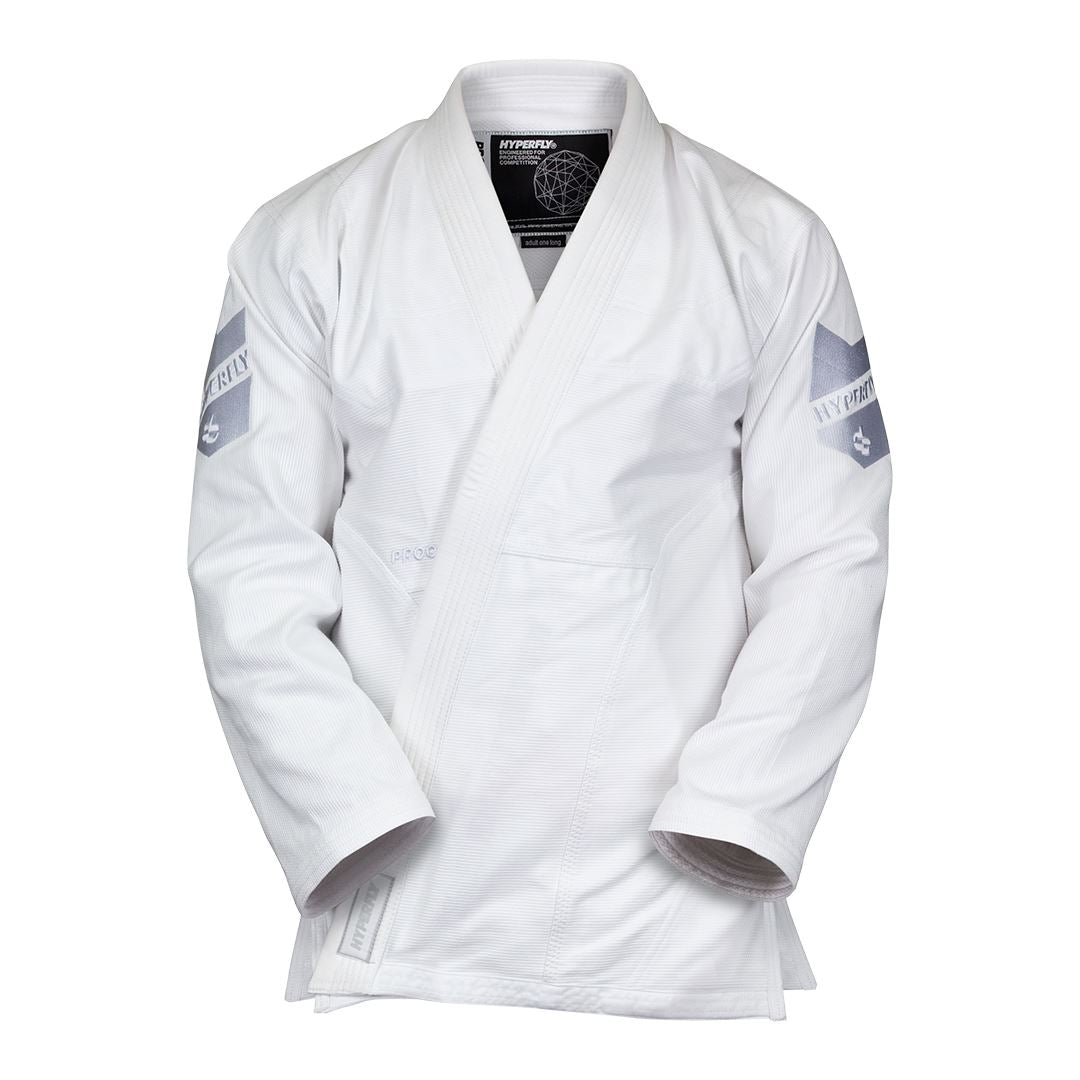
Every Hyperfly Gi in our lineup is 100% cotton, so the science above applies whether you're rolling in a lightweight competition cut or a heavyweight training staple.
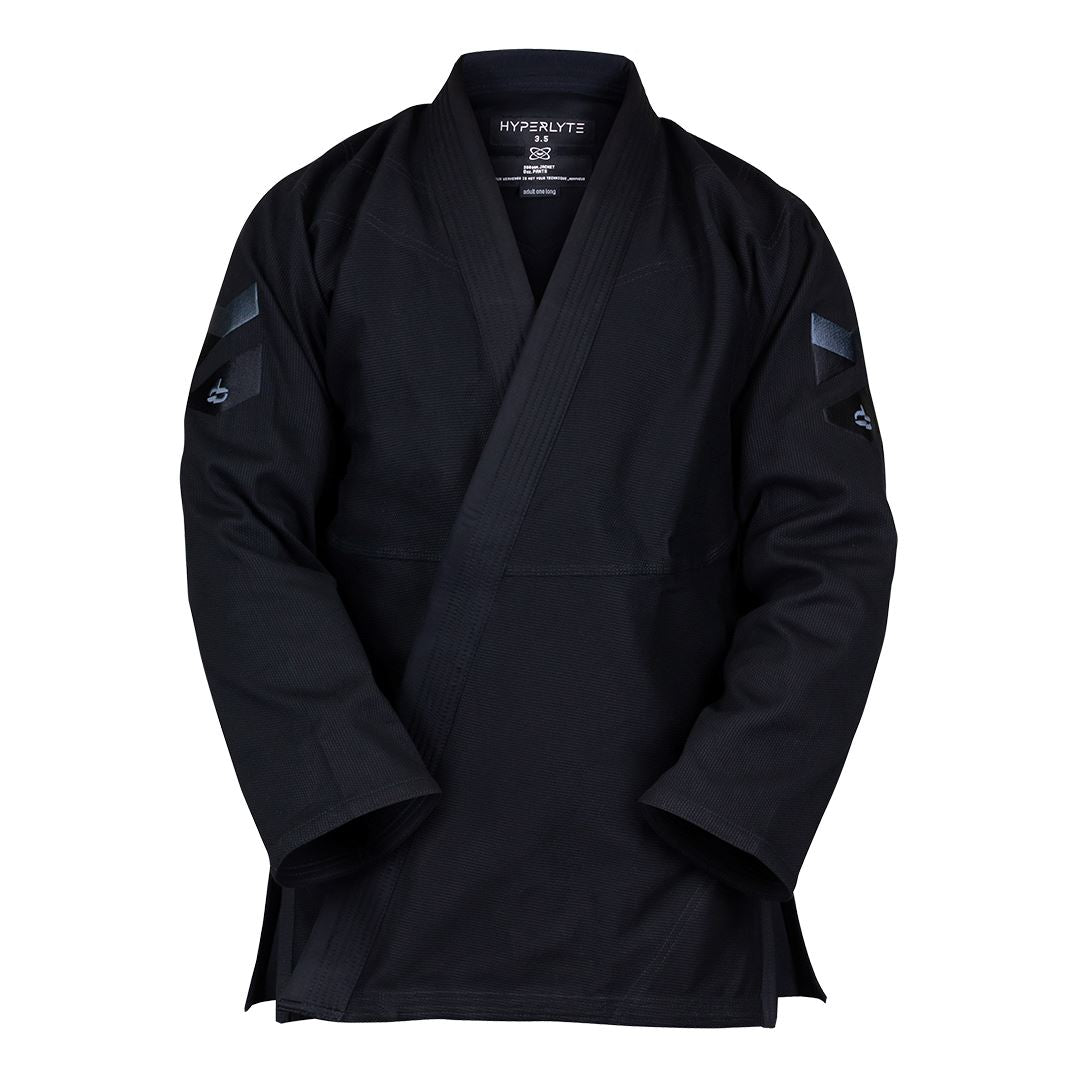
- Hyperlyte: our lightest gi, built for fast-paced training and competition.
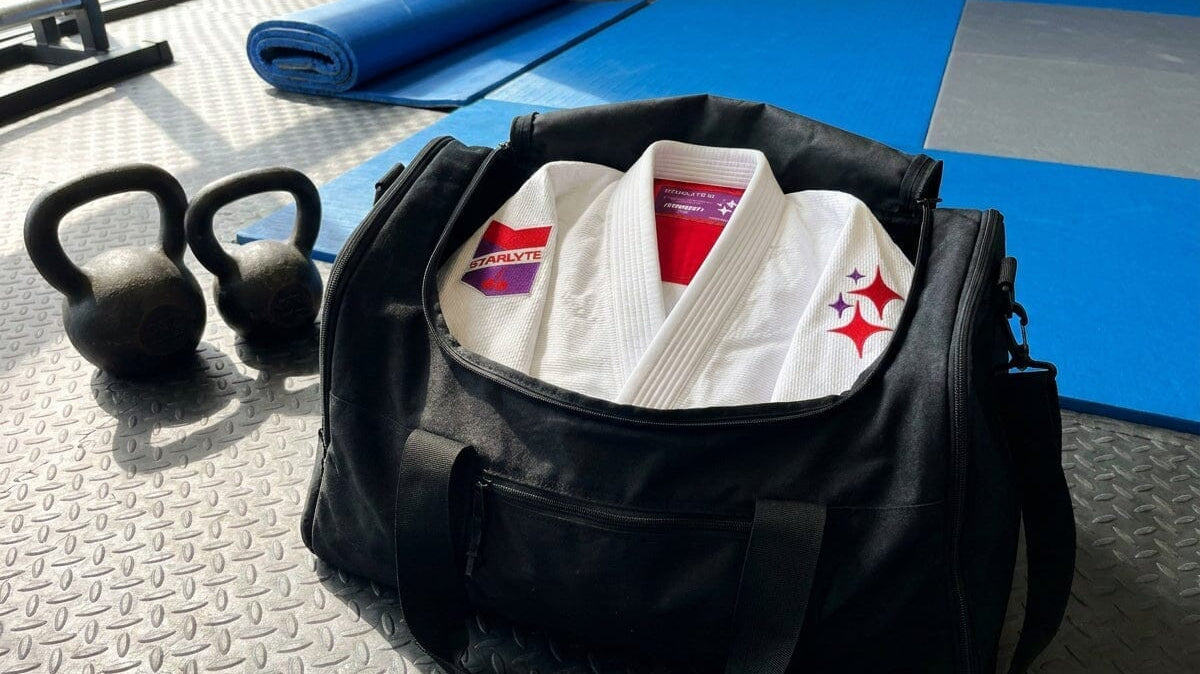
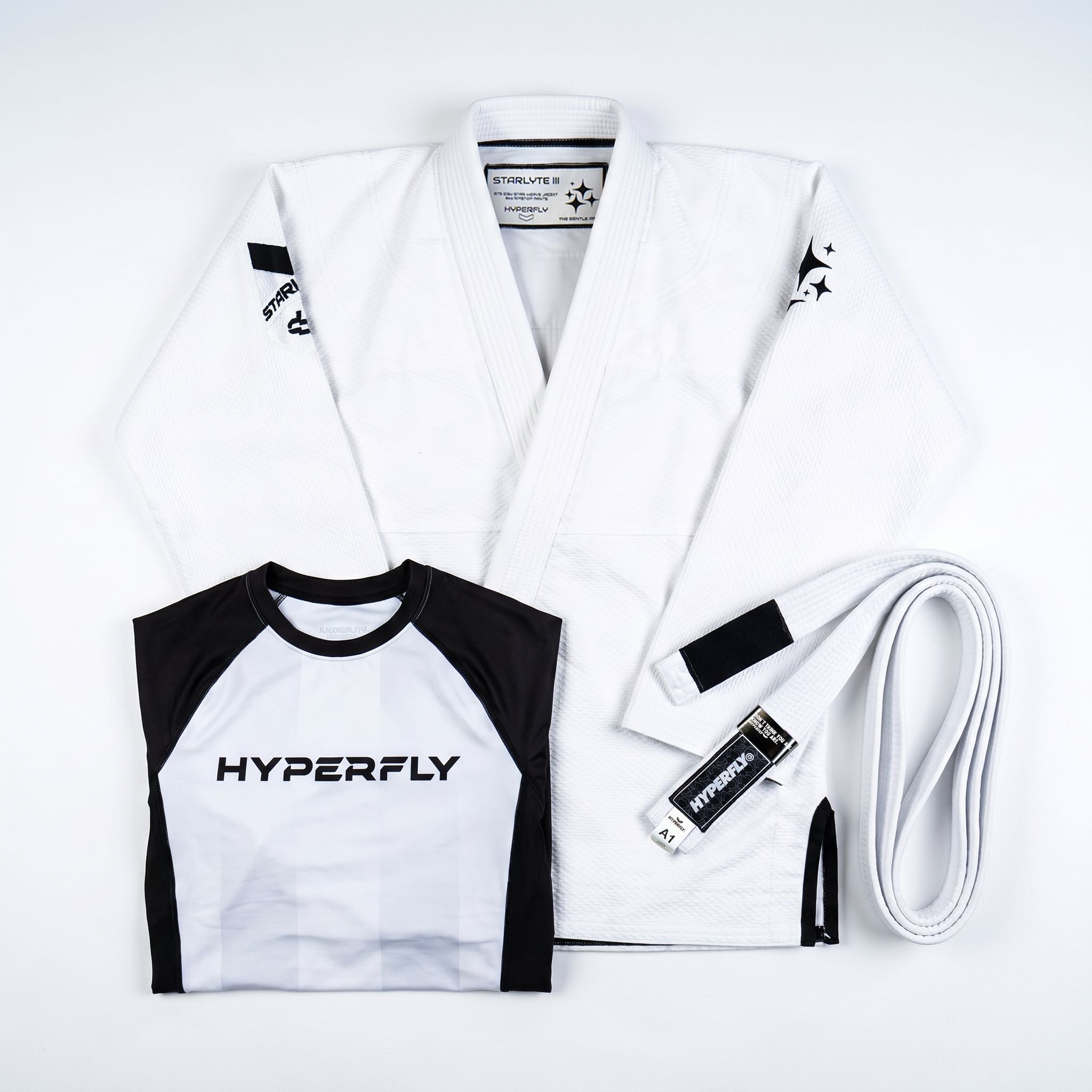
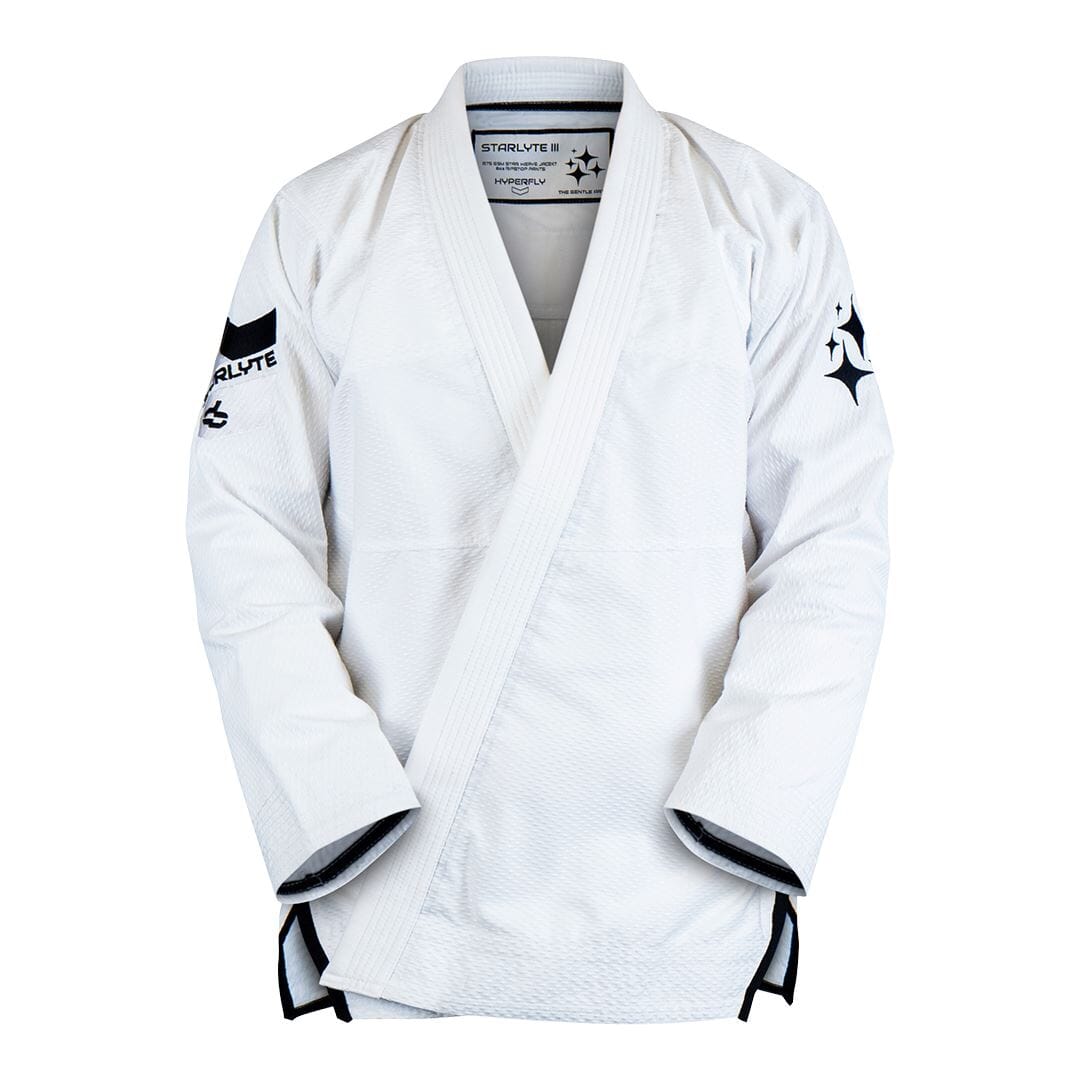
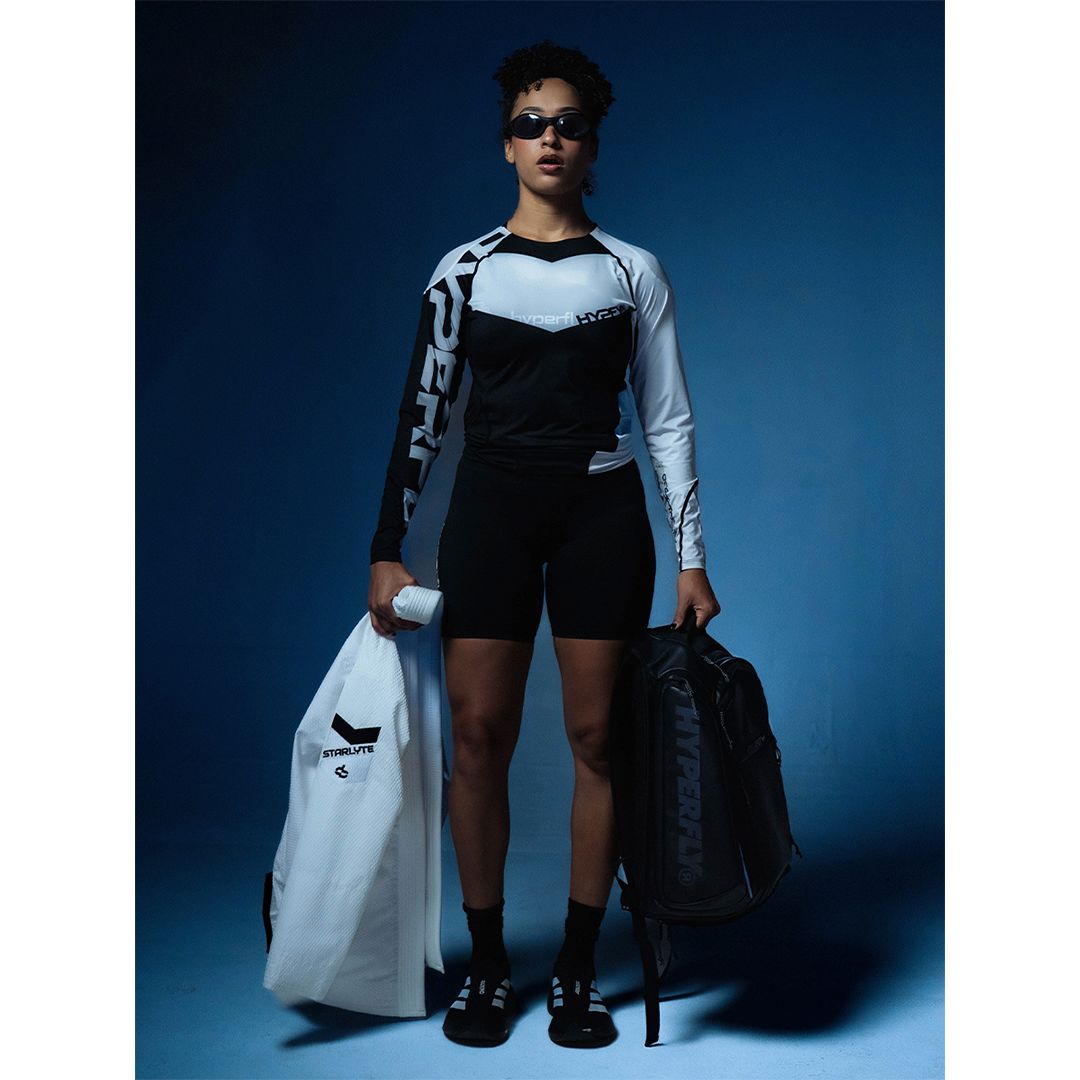
- Starlyte: an ultralight cut featuring very low shrinkage and quick drying.
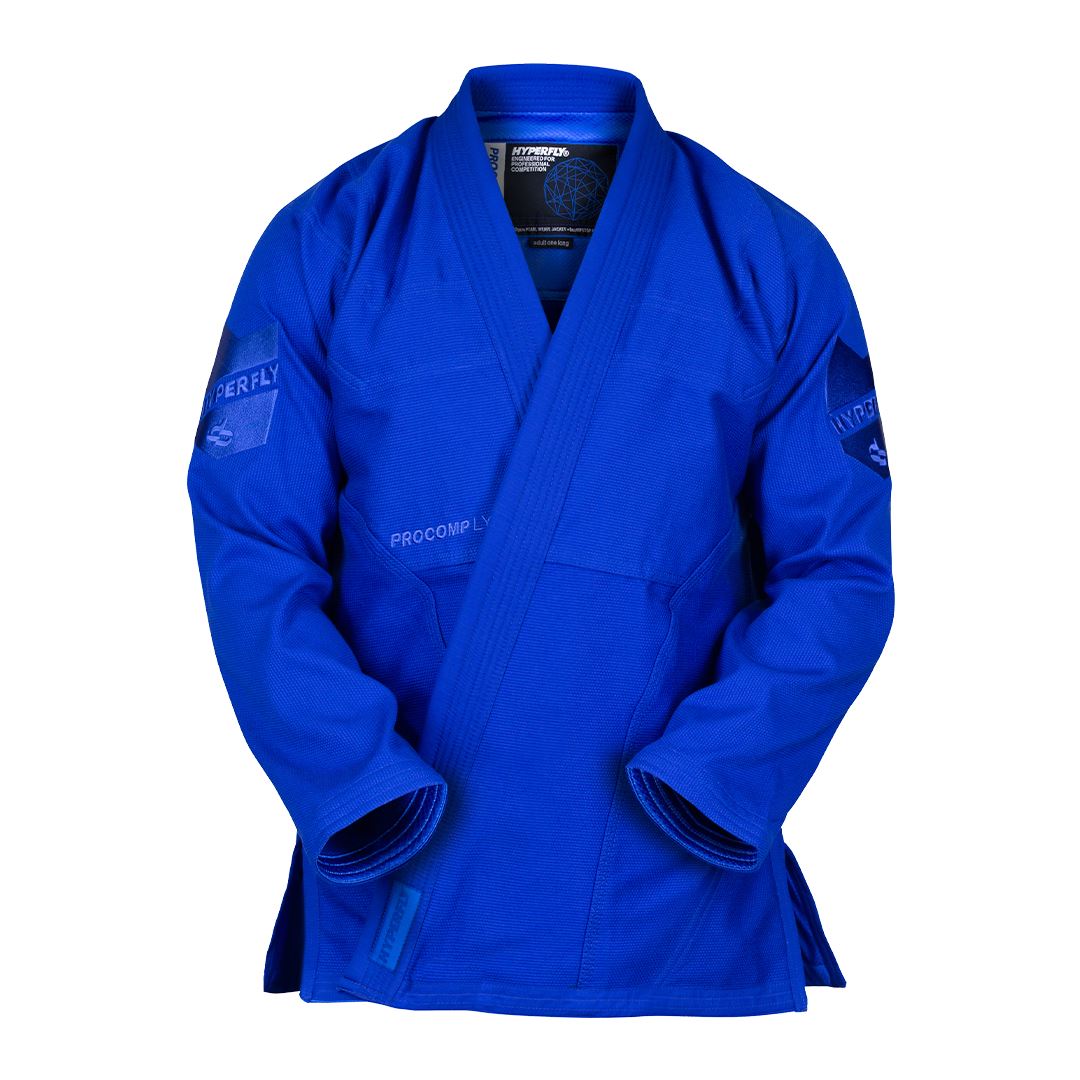
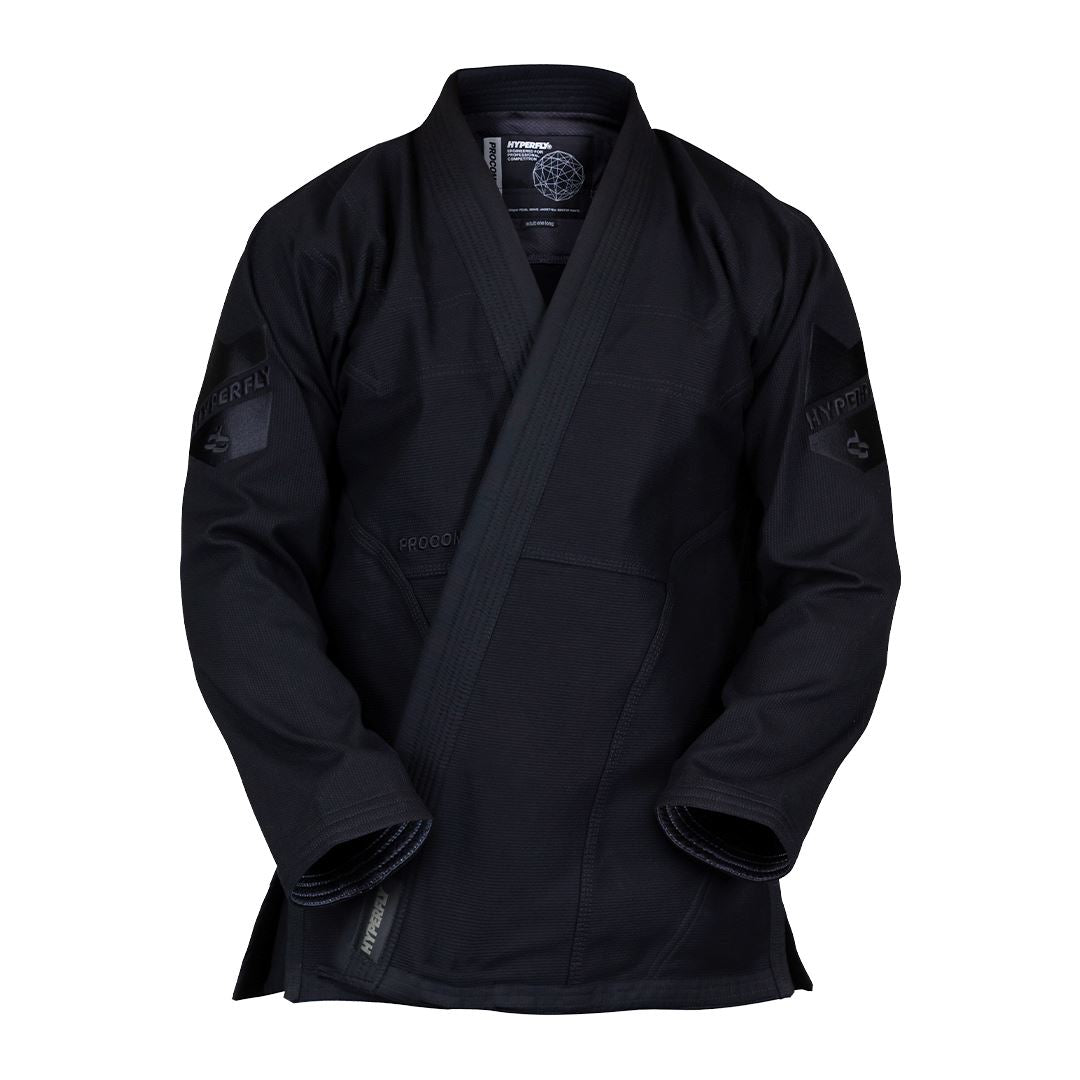
- ProComp Lyte: a competition-ready balance of durability and light weight, IBJJF legal.
- JudoFly X: reinforced for the grip fighting and throws of judo-style training.
- Icon VI: built on the Icon cut with a Hyperlyte-inspired weave and 7oz ripstop pants, IBJJF legal.