Let’s switch gears and talk about a topic indirectly related to the sporting community. What’s the deal with nonalcoholic beer being the popular kid now? Non-alcoholic beer (NA) used to be the punchline of the beverage world. NA was what you drank only if you were driving, pregnant, or being punished. It was better to drink nothing than that. Well, somewhere between the science of innovative brewing and athletes getting smarter about recovery, NA beer went quietly from a novelty to a full-blown culture shift. Today’s nonalcoholic beers aren’t a watery compromise. They are engineered beverages built with science and creativity.
If you’ve been around health conscious communities lately- runners, cyclists, climbers, and yes, BJJ athletes who want to roll tomorrow morning without needing the “hair of the dog” you’ve probably noticed the same thing. NA beer is everywhere. Post-openmat hangs now include cans of Athletic Brewing next to electrolyte packets. People still want the ritual of cracking a cold one after training. They just don't want the sleep disruption, inflammation, or the “why did I think beer was a good idea after five rounds of leg locks?” feeling.

This shift didn’t happen overnight. It’s the result of brewing science evolving, yeast behavior being manipulated, alcohol removal becoming more precise, and a generational pivot toward mindful drinking. To understand why NA beer is now good, and not a drink you hide from your friends, you have to understand how it’s made, when it emerged, and why younger drinkers are embracing it faster than any generation before them.
This time, when we talk about “the science,” we will be talking about biology, microbiology, and chemistry, the molecular magic that determines how beer is built atom by atom. At its core, beer is a controlled biological reaction: yeast consumes sugars and produces ethanol (the alcohol in beer) and CO₂ (carbon dioxide). If you want beer without ethanol, you either stop yeast from making it or remove it afterward. Both approaches require precise engineering.
Yeast and Controlled Biology: The Fungal Engine of Beer
Traditional beer relies on Saccharomyces cerevisiae (ales) or Saccharomyces pastorianus, (lagers) fungi to metabolize fermentable sugars (glucose, maltose) into ethanol. Yeast doesn’t make alcohol as a life requirement. Alcohol is the waste product of its everyday living.
If you want nonalcoholic beer, you have three options:
Option A: Prevent Alcohol Formation (Biological Control). This approach limits ethanol production by controlling yeast metabolism. Basically, it doesn’t let yeast do what it usually does. Metabolism can be controlled by altering the conditions it needs: temperature, oxygen, timing, and even the type of yeast used.
Option B: Remove Alcohol After Fermentation (Physical Separation). This is the “make normal beer, then take the alcohol out” approach. One way to do this is to distill the beer in a vacuum, allowing the ethanol to evaporate at a lower temperature. Brewers can also use reverse osmosis to separate ethanol and water from the flavor compounds with filtration and then add water back in. Or they can use a method that sounds like a carnival ride, “spinning cone column” distillation, to remove ethanol gently and preserve the aromatics. Methods using physical separation are why modern beer flavor stays intact and doesn’t taste cooked, metallic or sweet like the first NAs.
Option C: No Fermentation at All (Flavor Without Ethanol)
Some NA brewers don’t rely on yeast. Instead, they use the enzymes made by yeast to ferment sugars. Likewise, they can add heatkilled yeast for flavor and no action, or stabilize the wort* with a chemical that prevents fermentation by stopping yeast reproduction. These methods produce a beerlike flavor without alcohol ever forming.
*[cool word alert] Wort is the sweet, grainderived liquid created during mashing. It contains the sugars yeast would normally ferment into alcohol. Think of it as the “prebeer broth” that feeds yeast.

Why does any of this science stuff matter to athletes? All three methods produce beer that tastes like beer, hydrates instead of dehydrates, doesn’t disrupt sleep, doesn’t spike inflammation, and doesn’t tank nextday performance. There’s a nutritional bonus too. Most NA beers have half the calories of traditional beer. For athletes on their grind or anyone tracking macros, it’s an easy swap. You can be cool and be cutting!
Nonalcoholic beer isn’t just “having a moment”. It’s undergoing a fullscale market expansion driven by brewing innovation, shifting health priorities, and a generational pivot away from alcohol. What used to be a tiny corner of the beverage aisle is now one of the fastestgrowing segments in beer worldwide. Globally, NA beer sales are expanding faster than traditional beer’s, and the numbers are real1,2:
- Global NA beer volume is projected to reach 4.8 billion liters by 2027.
- Market value is expected to hit $44 billion by 2034, with a steady ~7% CAGR (Compound Annual Growth Rate).
- In 2024 alone, global NA beer volume grew 18.3% yearoveryear. A rate traditional beer hasn’t seen in decades.
This is a sustained upward trajectory, not a fad curve. The U.S. was slower to adopt NA beer, but once craft breweries entered the game, the category exploded.
- U.S. retail NA beer sales reached $524 million in 2024, up 31% since 2022.3
- Athletic Brewing - the category’s breakout brand - sold 400,000+ cases in 2023 alone.4
- Major breweries (Heineken, Guinness, Sam Adams, Brooklyn Brewery) now treat NA beer as a parallel product line, not an afterthought.
- There are now over 200 companies producing nonalcoholic beer and related NA products, representing roughly 300 distinct NA beer brands - a massive jump from just a few years ago.5
The stigma of not drinking is fading. The flavor is improving. The demand is real, and it’s tied to a broader cultural shift toward “mindful drinking.” Current search data shows that health consciousness among Millennials and Gen Z is a major driver of NA beer demand. Younger consumers prioritize sleep, mental health, fitness, and recovery. Alcohol is increasingly seen as a “sometimes” thing, not a default social lubricant. It’s not just health. Economics also play a part. Alcohol is pricey, the cost of living is brutal, and NA beer gives younger drinkers the ritual without the financial penalty. Gen Z, in particular, drinks significantly less than previous generations, not because they’re antifun, but because they’re profunction (not to be confused with pre-function). They want to feel good tomorrow, not just tonight.
To be fair, it's not only younger drinkers who are driving this change. Athletes of all ages (>21) are choosing the same thing: the ritual without the physiological penalty. NA beer fits nicely into the lifestyle of the athlete community: runners, cyclists, climbers, cyclists, cross-fit, pickleballers, and BJJ practitioners… anyone who wants to train tomorrow without feeling like yesterday was a bad decision. Athletes still want the cold can, the catchy label, the social moment, the “we survived that workout” toast, but they don’t want the negative aftereffects. That NA beer is no longer framed as “less than” is also a psychological shift. NA beer is considered: functional, intentional, performancefriendly, socially acceptable, craftdriven, calorically acceptable, and flavorforward. It’s not “beer without alcohol.” It’s “beer designed for how people live now.”
Younger drinkers grew up in the “wearables” generation era. The world of sleeptracking apps, recovery scores, HRV dashboards, and “my watch says I’m cooked.” When your phone tells you alcohol wrecks sleep, and your watch shows your recovery tanking after two drinks, the tradeoff becomes obvious. Add to that the reality that going out is expensive and the costofliving is brutal, and alcohol starts to feel like a luxury with a penalty. At the same time, socializing has shifted toward gyms, climbing walls, BJJ academies, running clubs, and board game nights. Places where alcohol isn’t the default. NA beer fits perfectly into these spaces. The rise of nonalcoholic beer isn’t just a brewing story. It’s a cultural one. Younger generations are reshaping drinking norms in ways that would’ve seemed impossible twenty years ago. And while health and recovery matter, the appeal of NA beer stretches further than performance alone.

Let’s take that last sip and agree that nonalcoholic beer isn’t a compromise anymore. NA is a product shaped by real brewing science, cultural shifts, and the way active people enjoy life. Whether you’re a younger drinker tracking vitals on your device of choice or an “other age” athlete who wants to train tomorrow without feeling like trash, NA beer fits. It keeps the ritual, the flavor, and the social connection, without jeopardizing performance, recovery, or wellbeing. In a world that’s finally paying attention to how we feel tomorrow, NA beer makes sense today. And remember, no matter what you drink, you still have to go to bed on time.
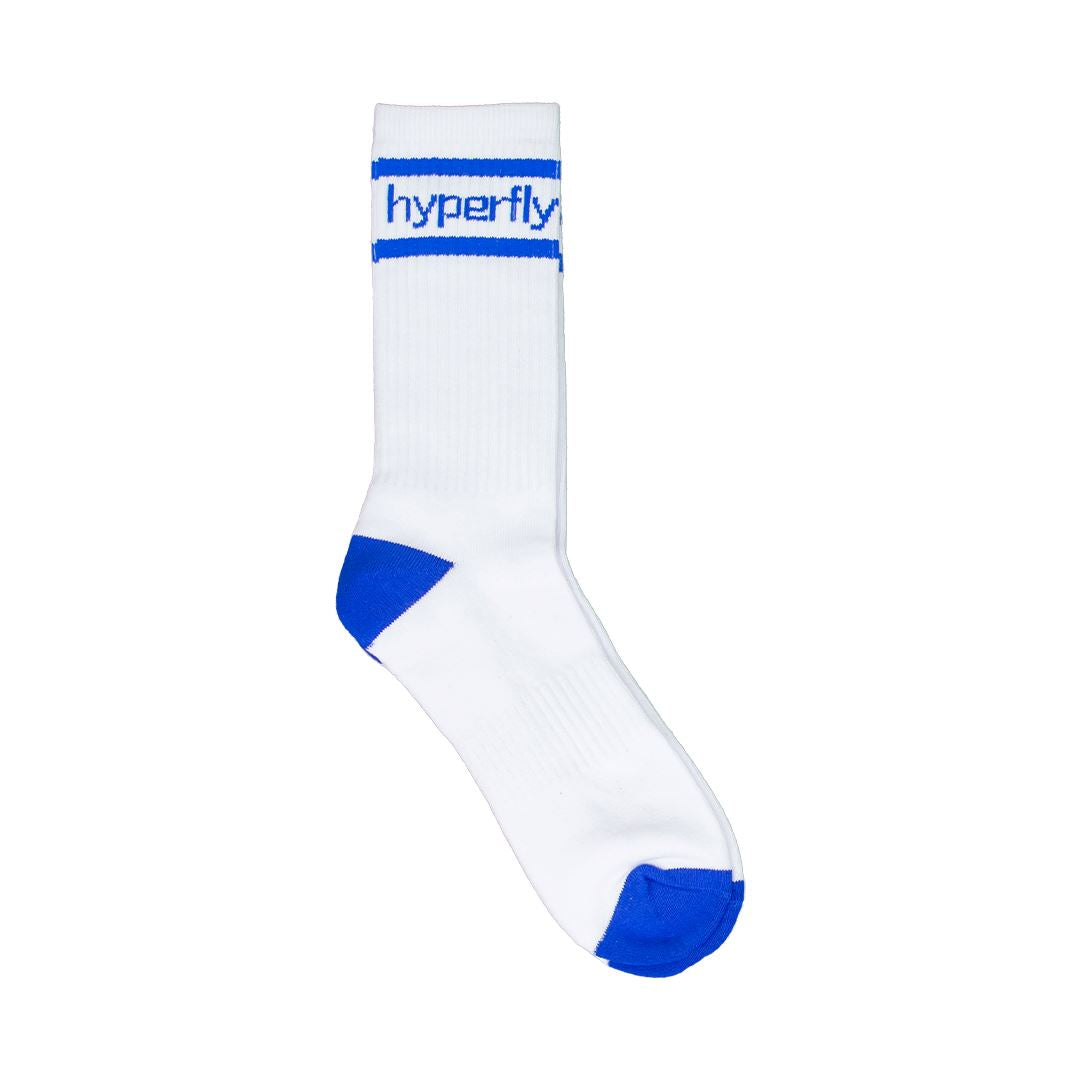
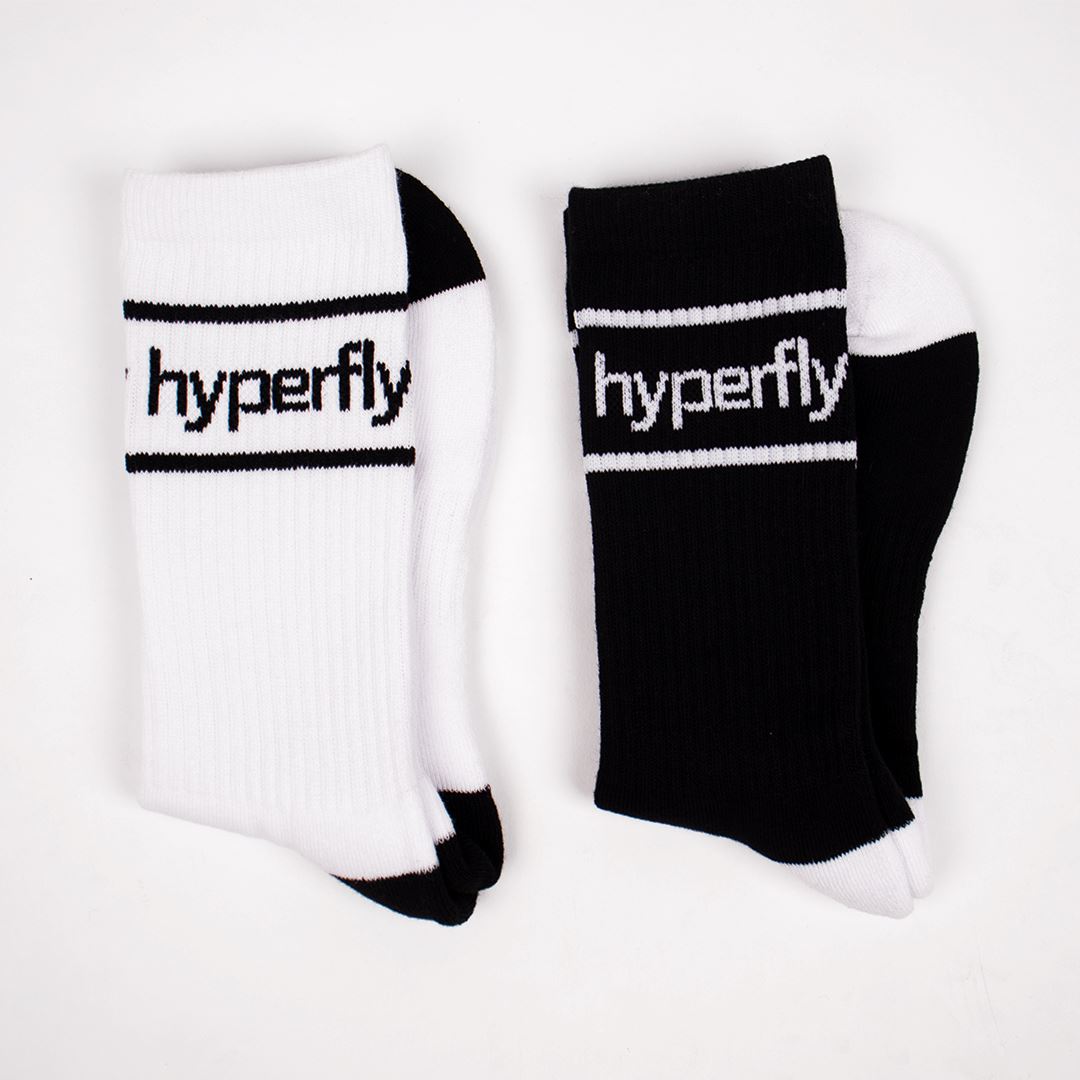
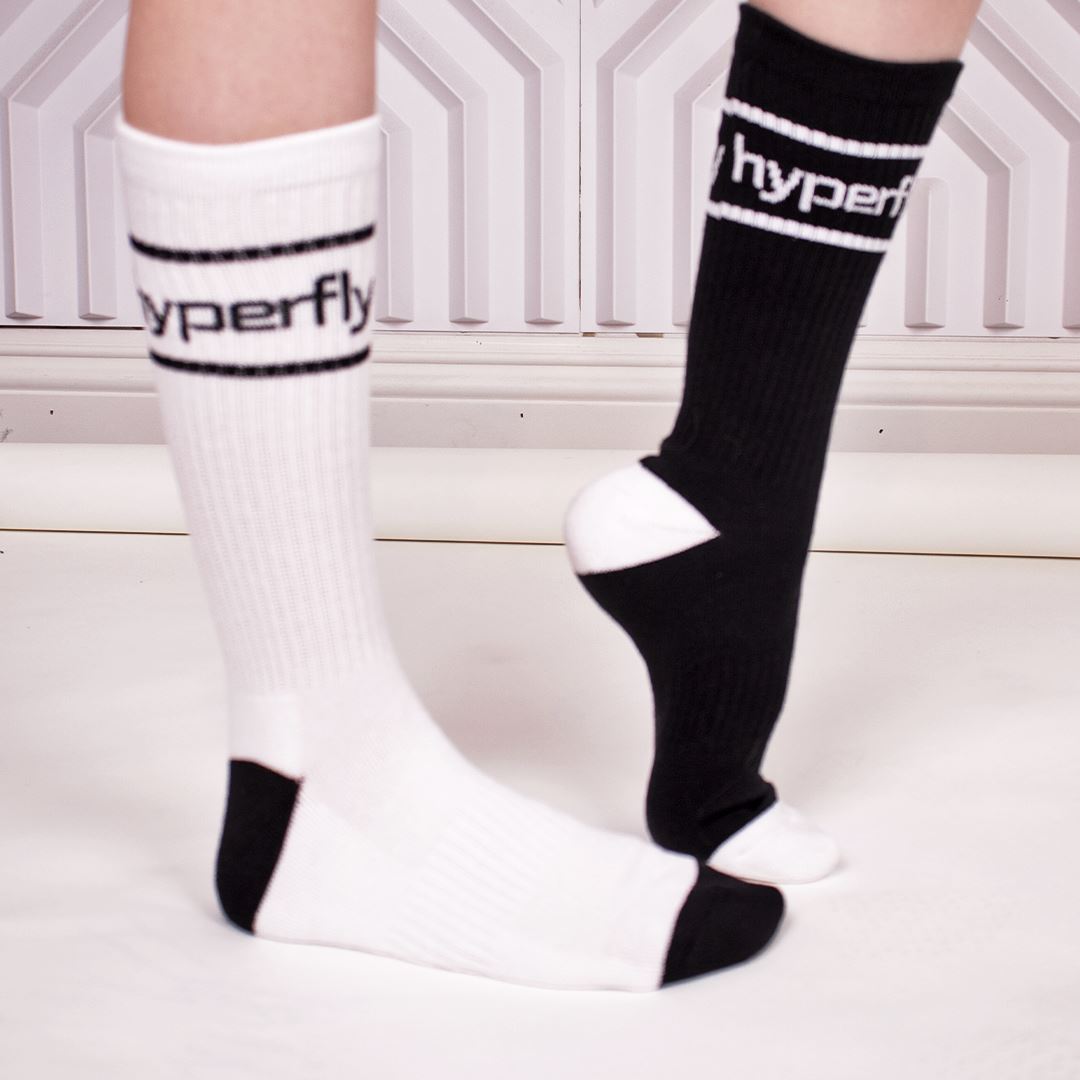
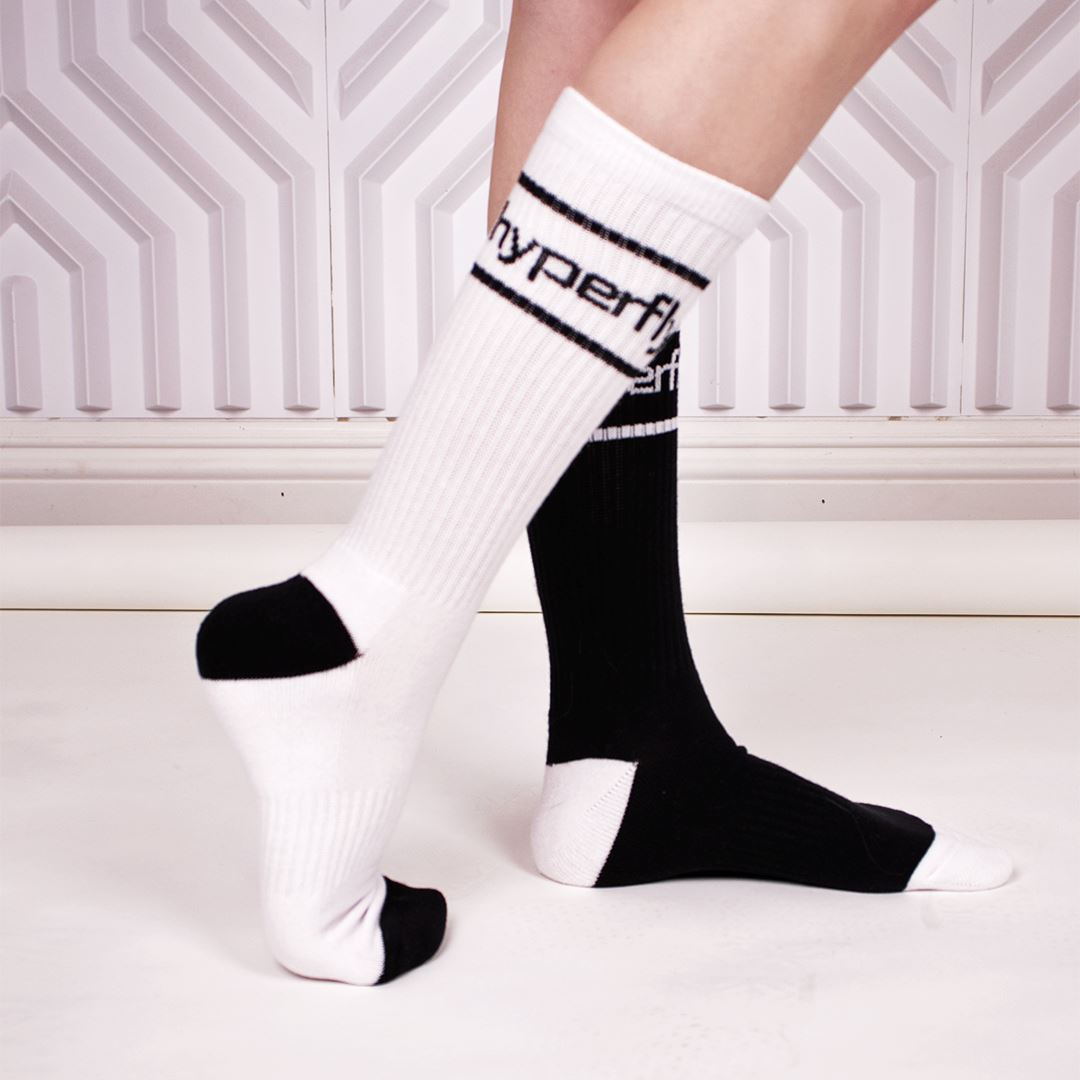
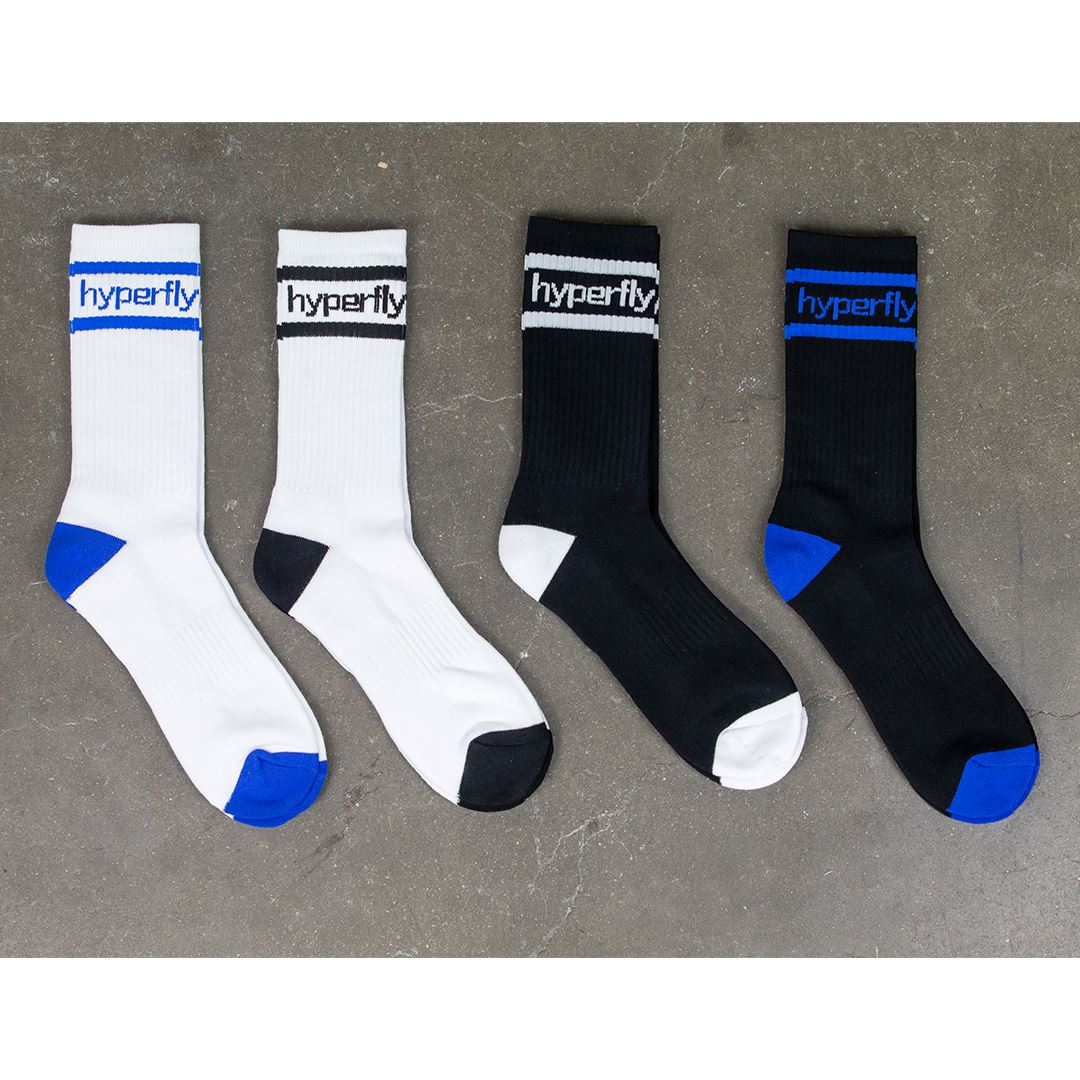
Whatever ends up in your cooler, show up to the next session ready. Shop Hyperfly’s no gi rash guards, fight shorts, spats, and training gear, built for the mats, the gym, and the cold one after.
Works Cited
- Market Research Future. Non-Alcoholic Beer Market Size, Share & Trends Analysis Report, 2024–2034. Published 2024. Accessed September 22, 2026.
- Statista. Non-Alcoholic Beer Market Report 2024. Published 2024. Accessed September 22, 2026.
- NielsenIQ. Non-Alcoholic Beer Sales in the United States. Published 2024. Accessed September 22, 2026.
- Brewbound. Athletic Brewing Company Growth Report. Published 2023. Accessed September 22, 2026.
- Peplow L. The ongoing momentum of nonalc in the USA. Beer & Brewer. Published February 12, 2026. Accessed September 22, 2026.